
10 NEW Reasons Why You Shouldn’t Move to Surrey BC
10 Reasons Why Moving to Surrey BC Might Not Go as Planned
Surrey is one of the fastest-growing cities in BC, but it is not right for everyone. Relocation regret here almost always comes from a gap between expectations and reality, not just from price. Here are 10 reasons to think carefully before committing.
How These Were Picked
After living in Surrey for over 30 years across multiple neighbourhoods, the patterns in what catches people off guard are hard to miss. These are not abstract warnings pulled from headlines. They come from first-hand experience of how the city actually functions day to day, along with the questions that come up most often from people seriously considering a move here.
Surrey is geographically large, internally diverse, and changing quickly. That combination means the risks are not obvious from a single weekend visit or a quick scroll through listings. The 10 points below are the ones that create the most friction after someone has already signed and moved in. Each one is grounded in how the city is structured today, not how it looked a decade ago and not how the marketing materials describe what it will look like in ten years.
Some of these will not apply to your situation. A few will. The goal is to give you an honest read so you can make a decision with full information, not a polished one.

The Full List at a Glance
| Neighbourhood | Feel | Key Trade-off | Best Fit For |
|---|---|---|---|
| City Centre | Dense, transit-focused | Active construction, high-rises | Commuters, urban lifestyle |
| South Surrey | Calm, residential | More car-dependent | Families, coastal lifestyle |
| Cloverdale | Traditional, historic | Townhome growth nearby | Established community feel |
| Newton | Mixed urban & residential | Busier corridors | Affordability seekers |
| Fleetwood | In transition | High-rise plans on Fraser Hwy | Long-term investors, transit users |
The List in Detail
1. Treating Surrey as a Cheaper Vancouver
Surrey is its own ecosystem. It is geographically larger than Vancouver, mostly suburban across many areas, and very different depending on where you land. If you move expecting Vancouver's pace and walkability with more square footage, you will notice the gap quickly.
2. Underestimating the Commute
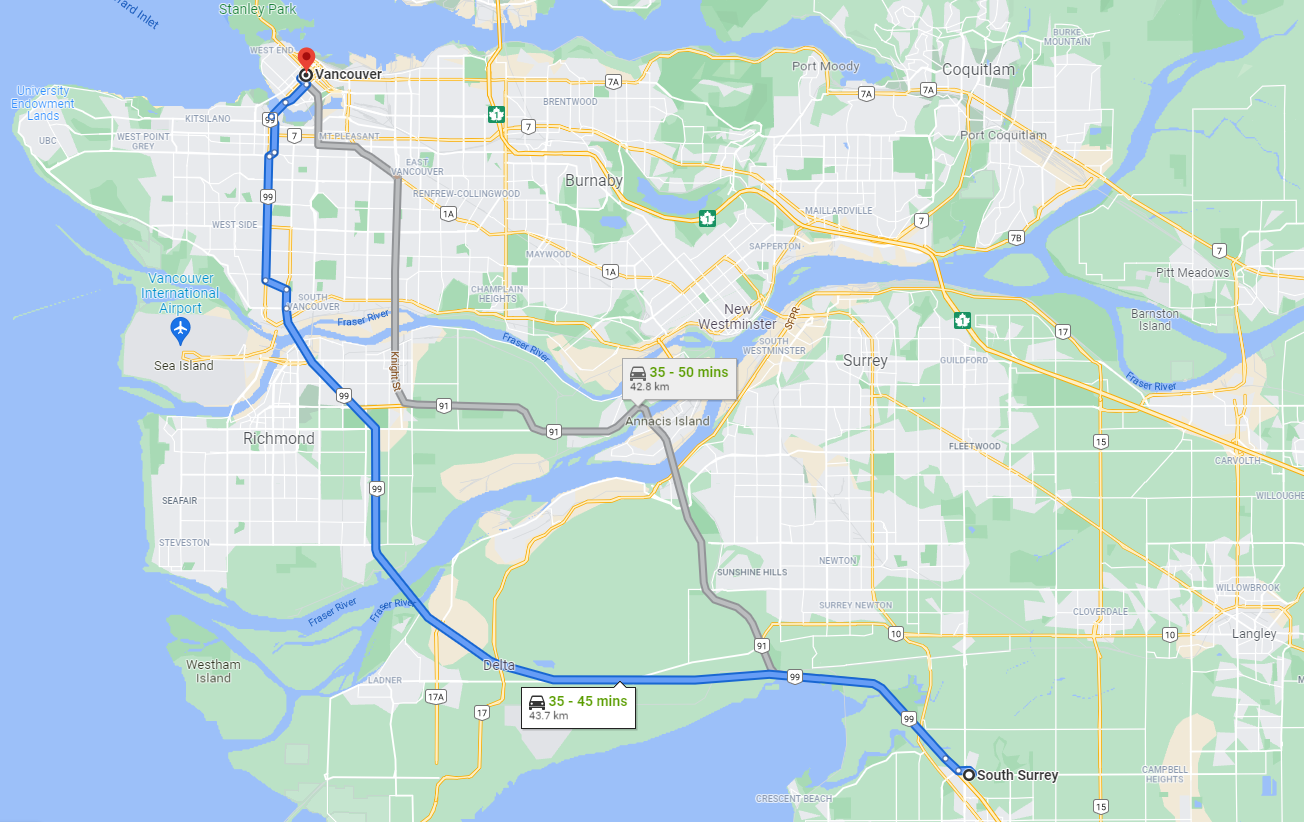
Surrey is not one central hub. It is a wide network of corridors, bridges, and major roads. Bridge traffic toward Richmond, rush-hour slowdowns on King George Boulevard, Highway 1 pressure, and congestion toward Langley can turn what looks fine on Google Maps into something genuinely tiring at 7:30am on a weekday.
3. Assuming All Neighbourhoods Are the Same
The word Surrey on a listing tells you almost nothing. South Surrey offers a calmer, family-focused environment near Crescent Beach and Morgan Crossing. Newton has busier commercial corridors mixed with quieter residential streets. Cloverdale feels traditional with a historic core. Guildford blends older detached homes with newer condo developments. Each pocket feels distinct.
4. Misjudging the Pace of Growth
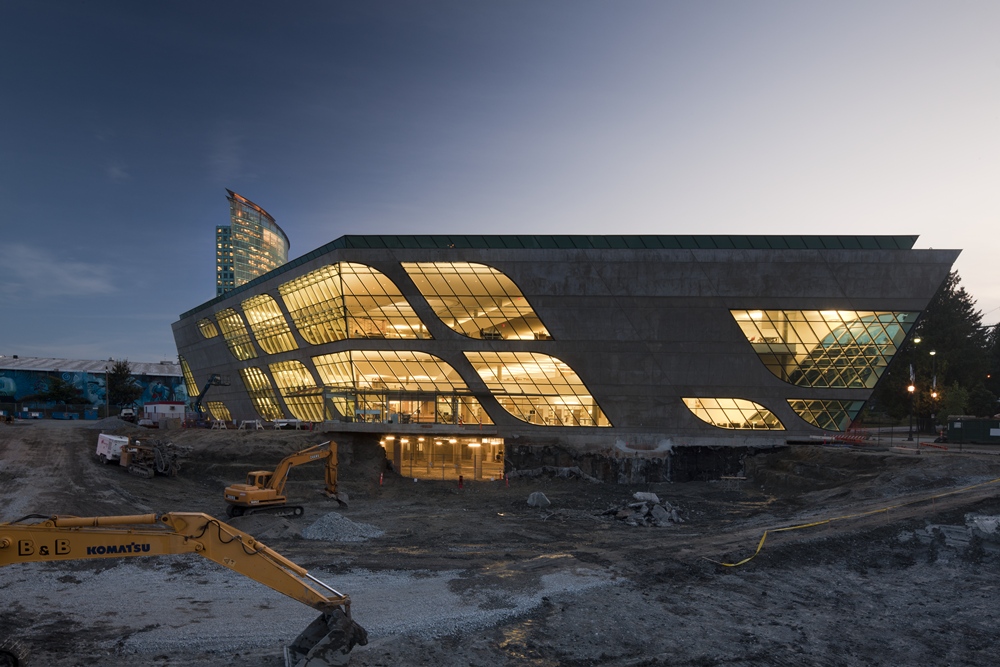
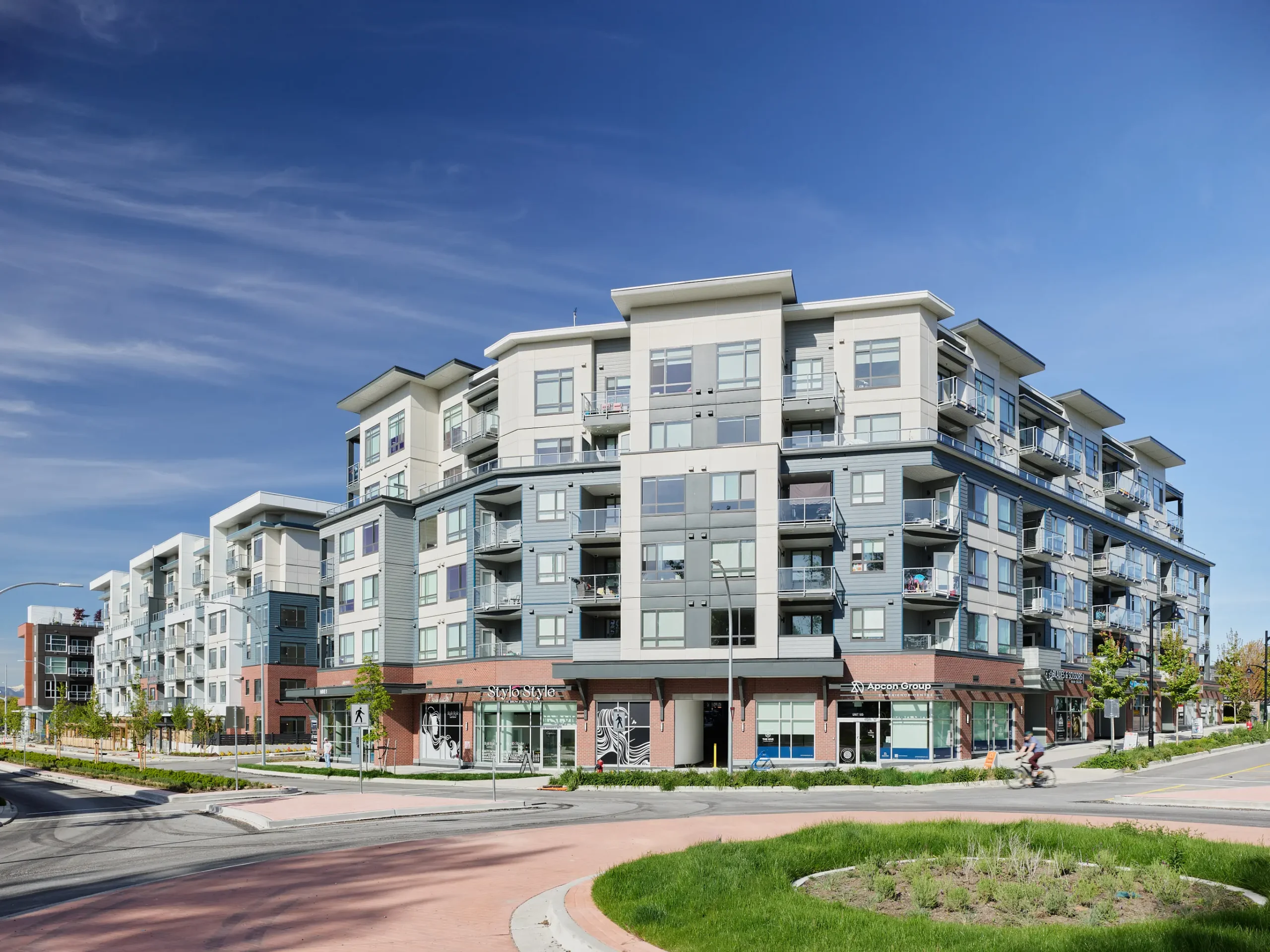
Surrey is building aggressively. High-rises in City Centre, townhome projects in Fleetwood and Cloverdale, and mixed-use developments near transit corridors all change streetscapes, traffic patterns, and neighbourhood feel in real time. Some people find that energy exciting. Others find it overwhelming.
5. Ignoring Future Density Plans
If your street feels quiet today, approved projects nearby can shift that within a couple of years. Density is concentrated along King George Boulevard, Fraser Highway, and around SkyTrain stations. That can strengthen long-term resale depth, but it absolutely changes the lived experience.
6. Underestimating Car Dependence
Most Surrey neighbourhoods still require two vehicles per household for daily routines. School drop-offs, grocery runs, sports, and commuting to different employment hubs rarely work without a car. ICBC insurance, gas, maintenance, and depreciation add up in ways that do not show up during an open house on a Saturday.
7. Overlooking School Catchment Details
Surrey is one of the largest and fastest-growing school districts in BC. Portable classrooms are common in certain catchments, and boundary adjustments happen as new schools open. The better neighbourhoods tend to mirror the better schools. Confirming catchments and understanding how nearby development could affect capacity in five years matters more than most buyers realise.
8. Assuming Healthcare Access Is Immediate
Surrey Memorial Hospital has expanded significantly, and urgent care centres exist across the city. But finding a family doctor can still take time, and wait times vary. South Surrey residents often rely on Peace Arch Hospital due to proximity. The new Cloverdale hospital and BC Cancer Centre is expected to open in 2030, which will help, but that relief is not here yet.
9. Relying on Outdated Headlines
Surrey carries strong narratives, both positive and negative, that often lag behind what is actually happening. People who have only visited one or two of the city's busiest and most challenging pockets sometimes generalise that experience across the entire city. That is inaccurate and leads to decisions based on incomplete information.
10. Expecting Automatic Appreciation
Surrey has long-term fundamentals driven by population growth, infrastructure investment, and relative affordability compared to Vancouver's core. But the market moves in cycles. If your plan depends on rapid appreciation to refinance or upgrade quickly, you are taking on a timing risk. The city tends to reward long-term thinking and careful micro-location selection more than short-term speculation.
The Trade-off: Surrey can be an exceptional place to build a life. It offers housing diversity, expanding infrastructure, cultural depth, and meaningful long-term potential. But it is not automatically right for everyone, and it is not simple. The biggest mistake is not about price or neighbourhood. It is moving without clarity on whether Surrey truly fits your long-term plan.


Thinking About Buying or Selling in Surrey?
The best first step is a quick conversation. Pick a time in the calendar that works for you and we'll talk it through.
How to Choose the Right One for You
The neighbourhoods here are different enough that picking the wrong one can make an otherwise sound decision feel like a mistake. The right starting point is your commute, your school priorities, your comfort with density and ongoing construction, and your monthly transportation budget combined.
Spend time walking and driving through the exact streets you are considering, and do it at different times of day. A Saturday afternoon gives you one version of a neighbourhood. A weekday morning at 7:30am or a Friday at 4:30pm gives you a completely different one. Both matter.
If schools are a priority, confirm the catchment boundaries now and look at how nearby development could affect capacity in five years, not just at enrolment today. If healthcare is a priority for your household immediately, factor in the distance to facilities before narrowing your search.
The difference between confidence and regret comes down to how well your commute, your budget, your lifestyle preferences, and your comfort with growth align with a specific pocket of the city. If you want help mapping that out before you start touring homes, reach out and we can work through the details together.
Book a call with Alex

Frequently Asked Questions
Is Surrey actually safe to live in?
Safety varies significantly by pocket. Some areas feel very suburban and quiet, while others are busier and more urban. Basing your entire view of the city on one or two of its most challenging neighbourhoods gives an inaccurate picture. Spending time in the specific area you are considering, at different times of day, matters more than any headline.
Do I need two cars if I move to Surrey?
In most neighbourhoods, yes. Even with an expanding transit system, daily routines involving school drop-offs, grocery runs, and commuting to different employment hubs usually require two vehicles. ICBC insurance, gas, and maintenance are real monthly costs that do not show up during an open house visit.
Which Surrey neighbourhood is best for families?
South Surrey offers a calmer, family-focused environment near Crescent Beach and Morgan Crossing. Cloverdale has a more traditional feel with newer subdivisions nearby. The better neighbourhoods tend to align with stronger school options, so confirming catchment boundaries for your specific address is essential.
Will Surrey real estate go up in value?
Surrey has long-term fundamentals driven by population growth, infrastructure investment, and relative affordability compared to Vancouver's core. But the market moves in cycles, and rapid appreciation is not guaranteed. The city tends to reward long-term thinking and careful micro-location selection more than short-term speculation.
How bad is the commute from Surrey to Vancouver?
It depends heavily on where in Surrey you live and where you are going. Living near SkyTrain in City Centre is a very different experience than relying on Highway 99 from South Surrey. Bridge traffic, rush-hour slowdowns on King George Boulevard, and Highway 1 congestion can make a commute that looks reasonable on a map feel tiring in daily life.
Related Reading
- The REAL Pros & Cons of Living in Surrey
- The Surrey Condo Market Trend No One's Talking About
- The Surrey Detached Home Market Shift No One's Talking About
- Something WEIRD is Happening in the Surrey Housing Market
- Surrey Pre-Sale Condos COLLAPSED | From Printing Money to Losing Millions
Subscribe on YouTube: Living in the Lower Mainland

Alex Dunbar Personal Real Estate Corporation
REAL Broker BC Ltd. | Living in the Lower Mainland
Buying, selling or investing in Surrey and the surrounding cities? Whether you're new to the area or a longtime local, I'll help you make the right move. Book a 30-minute no-pressure call with me and we'll go over your goals, timeline and budget.
Categories
Recent Posts







GET MORE INFORMATION