
The Surrey Housing Market Has Quietly Flipped: Here's What That Actually Means
The Surrey Housing Market Has Quietly Flipped , Here's What That Actually Means
Surrey's real estate market isn't just slow. It has fundamentally shifted, and a lot of buyers and sellers are still operating like it hasn't. That mismatch is where people get hurt financially , pricing too high, buying the wrong product, or sitting on the sidelines while the window that actually works in their favour quietly closes.
The honest picture right now is that Surrey is oversupplied. The city delivered close to 6,300 new housing units in 2024, representing roughly $2.8 billion in construction activity, while sales are down about 25% year-over-year and inventory is sitting at decade highs. When those two forces collide, the market doesn't just slow down. Leverage shifts entirely from sellers to buyers, and the rules of the game change with it.
📌 Short Answer: Surrey is firmly in buyer's market territory right now, with more negotiating power, better selection, and real price softening across most property types , but only informed buyers and realistic sellers will benefit from it.
How Surrey Got Here: From Pandemic Boom to Supply Overhang
Surrey had the ingredients for a growth story long before 2020. Relatively affordable entry points compared to Vancouver, plenty of developable land, and a young, fast-growing population made it an obvious destination. Then the pandemic accelerated everything. Remote work removed the daily commute requirement, mortgage rates dropped below 2%, and buyers suddenly had far more purchasing power to work with. Neighbourhoods like Fleetwood, Clayton, and South Surrey that once felt too far from the core started making a lot of sense when you're only commuting a couple of days a week.
The result was predictable. Inventory collapsed below one month of supply, multiple offers became standard, and conditions were routinely waived just to stay competitive. Detached homes in South Surrey that had been sitting in the low millions pushed past $1.8 to $2 million. Townhomes that were under $800,000 surged above a million. Even entry-level condos at $500,000 to $600,000 climbed into the $700,000 to $800,000 range. If you already owned, it felt like a windfall. If you were trying to get in, the ladder felt like it was being pulled up in real time.
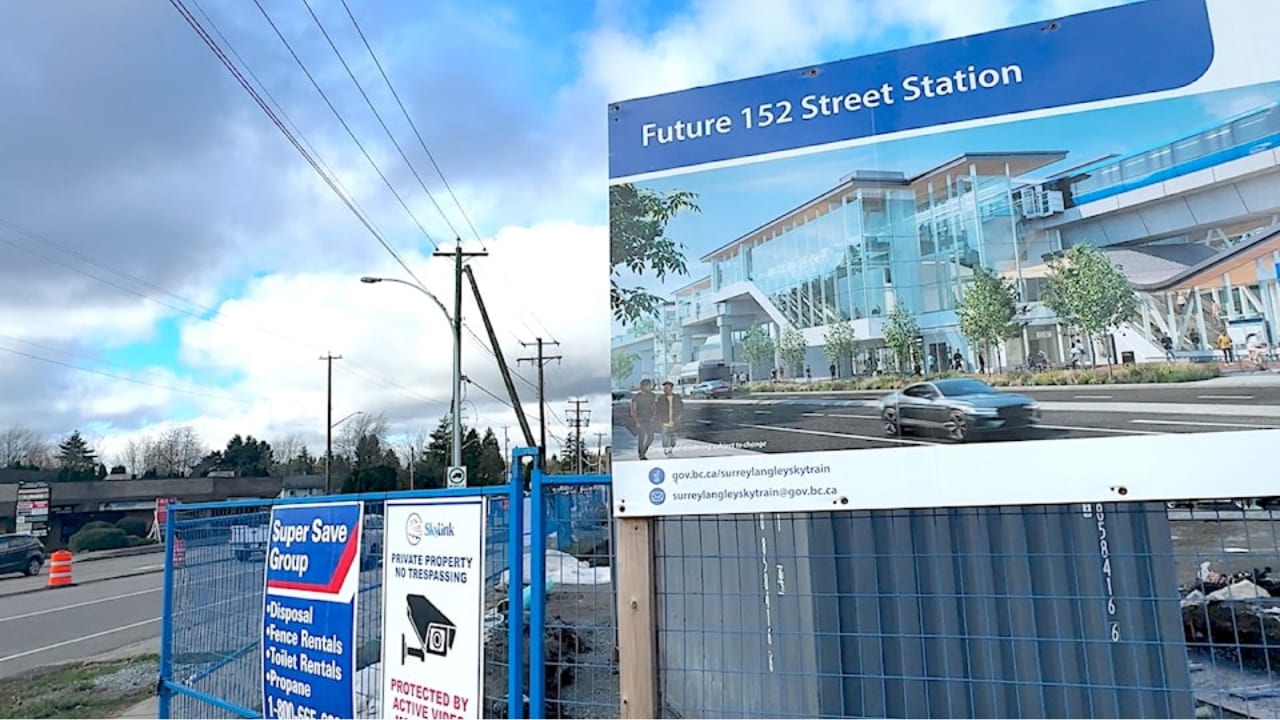
Developers responded exactly the way the market signalled them to. They built aggressively, supported by streamlined approvals, fee reductions near future SkyTrain stations, and a broader growth narrative that looked rock solid. The Surrey SkyTrain extension was underway. A new hospital and cancer centre in Cloverdale was progressing. SFU announced plans for a medical school in City Centre. Every indicator pointed toward sustained demand. So projects kept getting approved and construction kept moving forward.
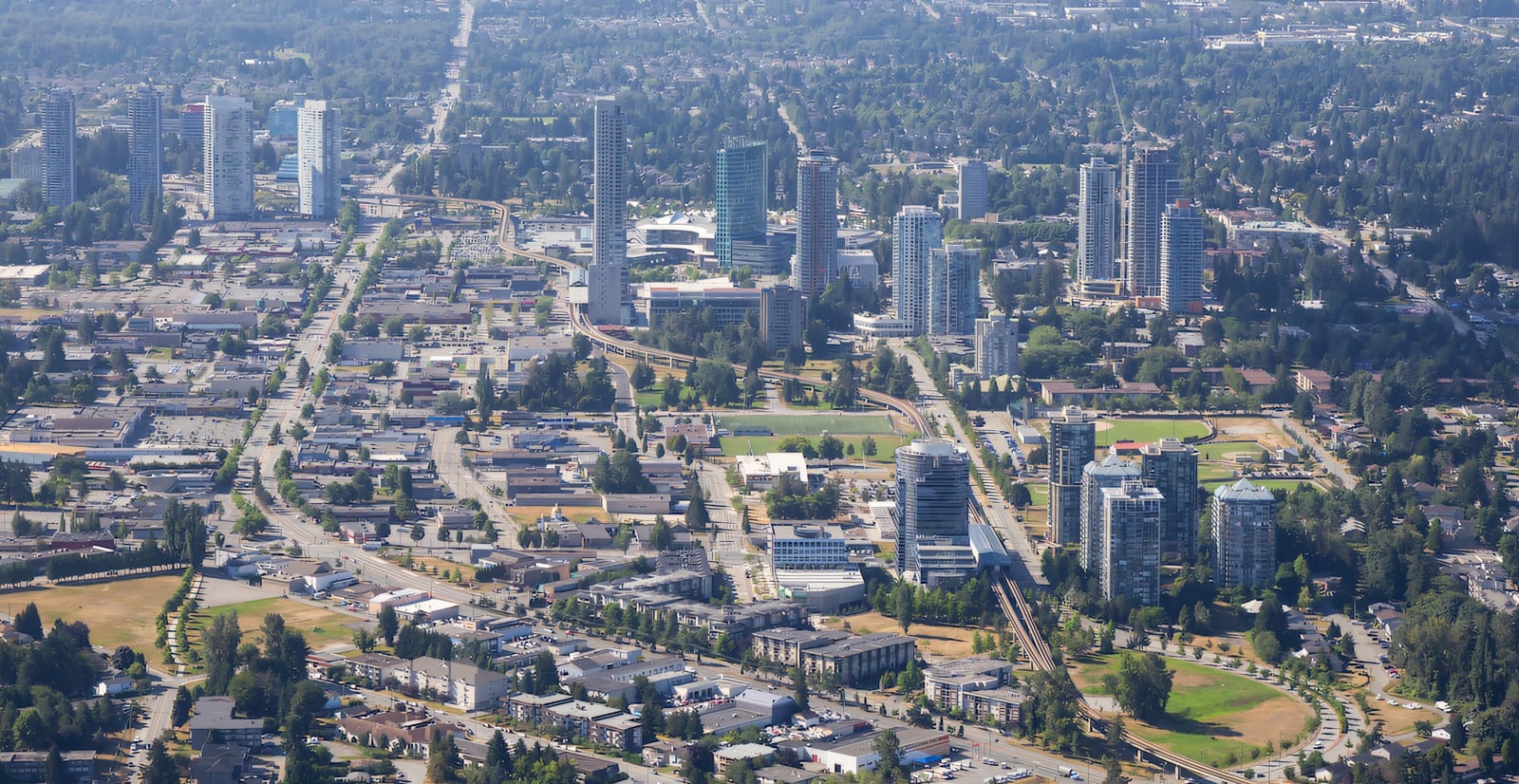
The problem is that construction timelines don't respond to interest rate changes. Projects approved and started in 2021 and 2022 were still completing in 2024 and 2025, regardless of what happened to the market in between. And what happened was significant. The Bank of Canada began hiking rates aggressively in mid-2022, roughly doubling mortgage rates in a short period. A buyer who could comfortably afford a $1 million home at 2% suddenly found themselves shopping closer to $600,000 just to keep monthly payments similar at 6%. That kind of purchasing power reset doesn't produce a gradual slowdown. It produces a cliff.
What the Market Looks Like on the Ground Today
📊 Sales across Surrey and the broader Fraser Valley are down roughly 20 to 26% year-over-year depending on the timeframe you're looking at. Townhomes and condos have softened 5 to 9% year-over-year in many sub-markets, with detached homes in higher-priced pockets like South Surrey and North Surrey feeling the pressure more acutely because larger purchase prices are more sensitive to payment increases. Townhomes that were selling comfortably above $1.2 million near the peak are now competing closer to a million with concessions attached. Condos that seemed locked in at $750,000 are being repriced to $650,000 in some cases just to generate showing activity. That's not panic selling. That's price discovery catching up to reality.
Sellers tend to adjust slowly because they're anchored to what their neighbour sold for at the peak. Buyers adjust quickly because payments dictate what they can actually afford. That gap is exactly why overpriced listings are sitting for months while properly priced homes are still moving. The buyers are there. They're just selective, and they're no longer rewarding optimistic pricing with offers.
Rental market pressure has added another layer. Federal policy changes reduced international student numbers and immigration targets, softening rental demand in many areas. Asking rents are down year-over-year in several pockets of Surrey. When investors see falling values, higher mortgage renewals at renewal time, and weaker rent growth all at once, many pull back. A portion of them sell, which adds more resale inventory to a market that already has plenty. That's how a market goes from tight to saturated without any single dramatic event causing it.
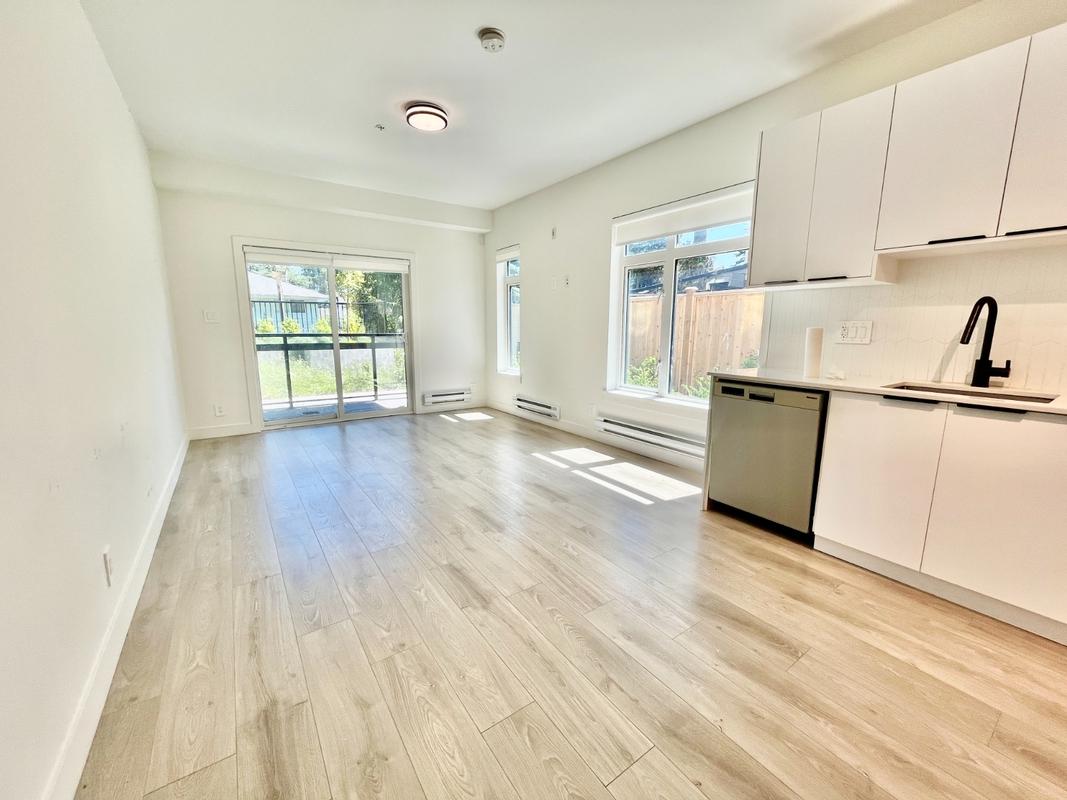
💡 Developers caught with completed or near-complete inventory are responding with incentives that simply don't exist in a normal market. Upgrade credits, strata fee coverage, flexible deposit structures, and headline incentives landing in the 4 to 6% range or higher are real signals that cash flow protection has become the priority. When you see incentives at that level, it tells you something meaningful about where absorption stands.
What This Means If You're Buying, Selling, or Investing Right Now
🏡 If you're a buyer, you have more leverage than you've had in years, and it shows up in four concrete ways. First, selection is genuinely back. You're no longer forced into the one half-decent listing available. Second, conditions are standard again, meaning financing and inspection clauses protect you in a way that wasn't possible during the peak. Third, price declines of 5 to 9% year-over-year translate into real dollars, often $100,000 to $200,000 less debt over the life of a mortgage depending on the segment. Fourth, terms are negotiable again. Closing dates, repairs, and inclusions are back on the table, and sellers are actually open to those conversations. If you're shopping pre-sale, developer incentives can materially change your upfront cash requirements in a way that's worth calculating carefully.
That said, not every product or location will recover at the same speed. If your timeline is short, one to three years, you need to be especially thoughtful. In softer markets, the wrong property in the wrong area can underperform longer than people expect. If you're buying a home to live in for five to ten years and the payments are genuinely comfortable, short-term price movement matters far less. And if you're investing, conservative rent assumptions with a buffer for vacancy are essential because the rental market in 2025 looks very different from 2021.
If you're a seller, the playbook has changed and the sooner you accept that, the better your outcome will be. Testing the market with an aspirational price doesn't work in a buyer's market. Overpricing costs you twice: you miss the early attention window when a new listing gets the most traffic, then you reduce later and buyers assume something is wrong or push harder on price. Pricing correctly from day one, presenting the home well, and making the transaction straightforward for the buyer to say yes to is how you win in this environment.
Surrey's Long-Term Fundamentals Haven't Changed
It's worth keeping some perspective here. What we're seeing isn't a structural collapse. It's a reset after an unusually sharp demand spike collided with a rate environment that nobody was fully prepared for and a supply wave that couldn't pause once it started. The SkyTrain extension is real infrastructure that will meaningfully improve accessibility to Fleetwood and Clayton. The healthcare and education investments bring long-term employment to the city. Surrey's population continues to grow and its land base still offers relative affordability compared to the broader Metro Vancouver core.
Resets don't last forever, but they do create windows where informed buyers can negotiate deals that simply aren't available during seller-driven markets. The best opportunities in any real estate cycle tend to appear when sentiment is negative and inventory is high. If you wait until prices have visibly started climbing again, that window has already closed.
Related Reading
- The Surrey Detached Home Market Shift No One's Talking About
- The Surrey Condo Market Trend No One's Talking About
- Living in Surrey BC (2026): What You Actually Need to Know Before Moving
If you're thinking about buying or selling in Surrey and want to understand how these numbers apply to your specific situation, I'd be glad to walk through it with you. Book a Zoom call using the link below and we'll look at your options calmly, without the noise of outdated assumptions or misleading headlines.

Alex Dunbar Personal Real Estate Corporation
REAL Broker BC Ltd. | Living in the Lower Mainland
Buying, selling or investing in Surrey and the surrounding cities? Whether you're new to the area or a longtime local, I'll help you make the right move. Book a 30-minute no-pressure call with me and we'll figure out what works best for you.
Related Posts
Explore Surrey
Categories
Recent Posts






GET MORE INFORMATION