
Roof, Furnace & Hot Water Tank: What to Check Before You Buy
Before you buy, find out the age of the roof, the furnace and the hot water tank. InterNACHI's life expectancy chart puts asphalt shingles at 20 to 30 years, a furnace at 15 to 25 years and a tank water heater at 6 to 12 years. Get the install dates from the seller, know that a home inspection can't give you repair prices and call your insurer, because age can change what's covered.
Why These Three Matter Most

Most parts of a house age slowly and quietly. The roof, the furnace and the hot water tank are different. Each one wears out on its own clock, each one is expensive to replace and when one of them goes, the bill lands on whoever owns the house at the time.
That's why the age of these three is one of the most useful things you can learn before you write an offer. It doesn't tell you whether to buy the house. It tells you what you're likely to spend in the first few years after you move in, and whether that spending is already priced in.
This guide walks through typical lifespans, the signs of wear you can spot yourself, what to ask the seller, what a home inspection can and can't confirm and how age shows up in insurance and negotiation.
How Long Each One Usually Lasts
The most widely used reference is the Standard Estimated Life Expectancy Chart from InterNACHI, the International Association of Certified Home Inspectors. Here's what it lists for these three.
| Item | Typical Lifespan |
|---|---|
| Asphalt shingles, 3-tab | 20 years |
| Asphalt shingles, architectural | 30 years |
| Furnace | 15 to 25 years |
| Water heater, conventional tank | 6 to 12 years |
| Water heater, on-demand (tankless) | 10 years |
Source: InterNACHI Standard Estimated Life Expectancy Chart, read November 9, 2026.
Two things to keep in mind. InterNACHI says these numbers assume regular maintenance and should be used as guidelines only, not guarantees. And it's a North American chart, not BC guidance, so treat it as a starting point. The real age of the actual unit in the house you're looking at matters far more than any average.
Signs of Wear You Can Spot Yourself
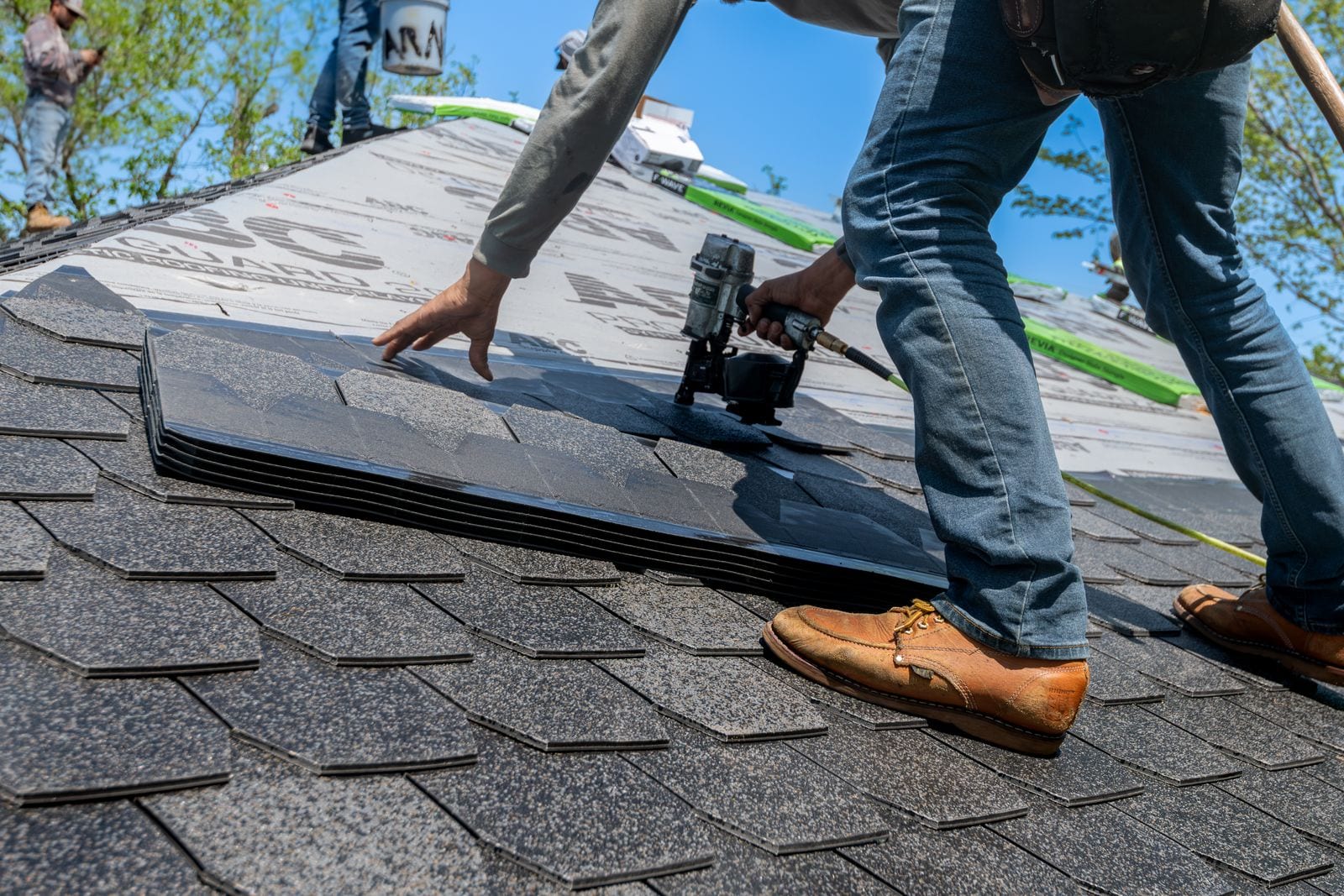
You don't need to be an expert to notice a few things during a showing. None of these prove anything is failing, but each one is a good reason to ask more questions.
- •Roof: from the ground, look for shingles that curl, crack or look patchy, and check ceilings upstairs for water stains.
- •Furnace: find the label on the unit, which usually shows the model and manufacture date, and look for rust or scorch marks around the cabinet.
- •Hot water tank: check the label for its date and look at the base for rust or any sign of water.
The labels are the easy win. A furnace or tank's age is often printed right on it, so a quick look in the utility room can tell you more than a long conversation.
What to Ask the Seller
Your best information usually comes straight from the seller, through the listing agent. Ask when the roof was last replaced and by whom, when the furnace and hot water tank were installed and whether there are receipts, permits or warranty papers for any of it.
Ask about service history too. A furnace that's been serviced regularly is a different purchase from one nobody has touched in years, even at the same age. If a warranty is still active, ask whether it transfers to a new owner.
Get the answers in writing where you can. If the seller doesn't know, that's useful too: it tells you to lean harder on the inspection and to plan your budget around the worst case, not the best one.
Tools & Resources
Still choosing where to buy? Try these tools.
What an Inspection Can and Can't Confirm
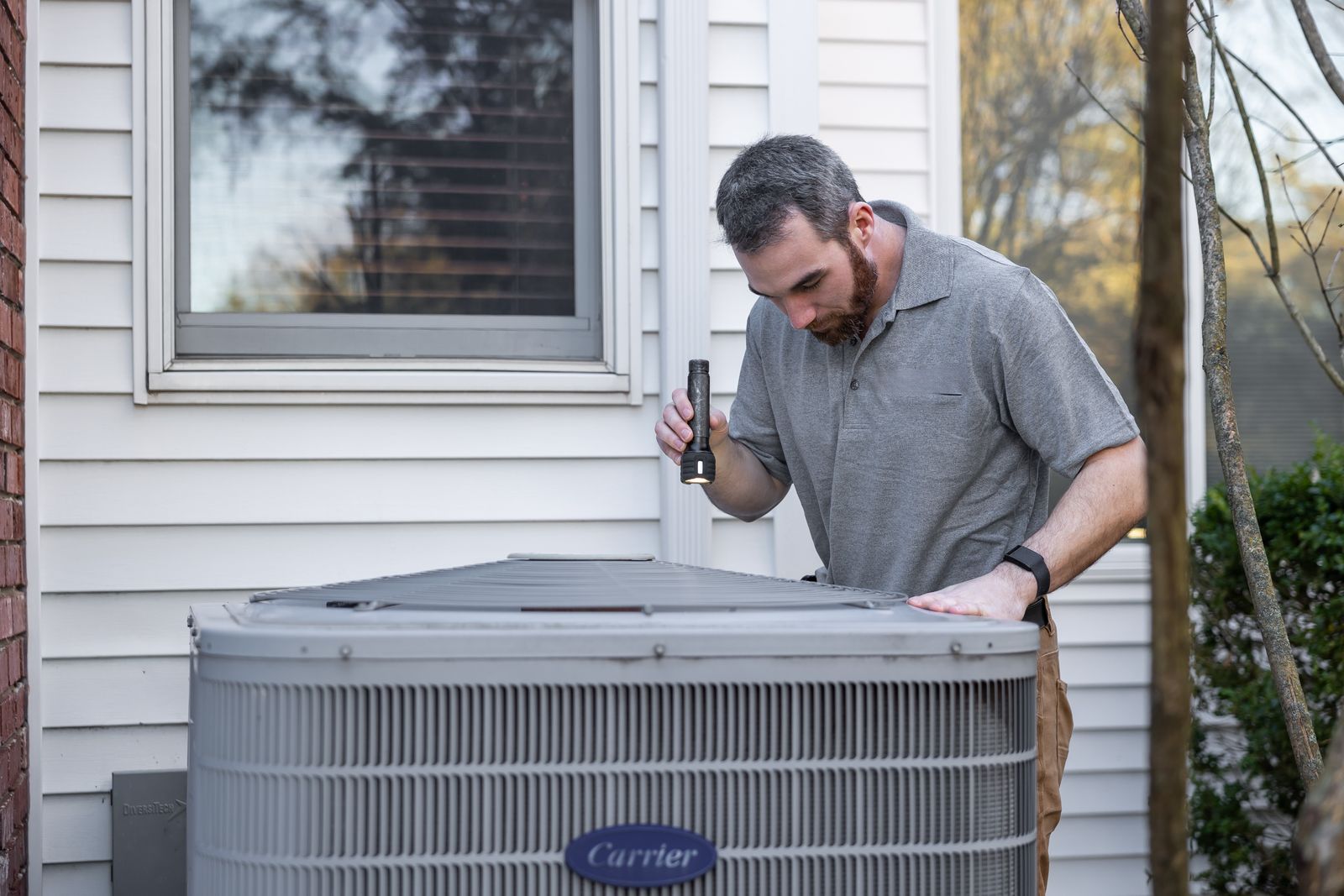
A home inspection is the single best check you'll get on these three items, but it has clear limits. Consumer Protection BC describes BC home inspections as visual, non-invasive assessments of accessible areas of a home.
It also lists what an inspector can't do. They can't perform destructive testing, can't repair the home they inspect and can't provide repair cost estimates. They also can't assess specialized environmental hazards such as asbestos or mould, or determine a property's market value or insurability.
So an inspector can tell you a roof looks worn or a tank shows rust. They can't open up the roof, put a price on a new furnace or tell you whether an insurer will cover the house. For a price, you need a quote from a contractor in that trade. For coverage, you need your insurer.
How Age Shows Up in Insurance
Age doesn't just affect repair bills. It can affect your home insurance, and every insurer sets its own rules, so the only answer that counts is the one from your own insurer before your subjects come off.
On hot water tanks, iA Financial Group says insurers on average require a tank to be replaced at 12 years old, and that water damage from the tank can be excluded if it isn't replaced by the next renewal. On roofs, Surex, a Canadian insurance broker, wrote in April 2022 that most insurers fully cover roof damage when the roof is under 10 years old and may only cover the depreciated cost when it's older.
The practical move: give your insurer the ages of all three before you firm up. If an older tank means an exclusion or a required replacement, you want to know that while you can still plan for it, not after you've moved in.
How Age Shows Up in Negotiation
An older roof, furnace or tank isn't a reason to walk away on its own. Plenty of good houses have one of the three near the end of its life. The question is whether the price already reflects it.
Once you know the ages and have the inspection report, you have options. You can factor a coming replacement into what you offer, ask the seller to replace an item before completion or ask for a price adjustment after the inspection. Which one works depends on the market and the house, and my guide to writing a winning offer in BC covers how subjects and terms fit together.
To put real numbers to it, get a contractor's quote during your subject period rather than guessing. A written quote carries far more weight in a negotiation than a rough number from memory.
If You're Buying in a Strata
In a strata, check the bylaws and the depreciation report to see who pays for the roof. Don't assume it's someone else's problem, because what you pay can show up in strata fees or a special levy.
That's what the depreciation report is for. The Province of BC requires strata corporations with 5 or more lots to get one at least every 5 years, and it lists common property along with projected maintenance, repair and replacement costs over 30 years. Read when the roof is due and how it's being paid for. Inside your own unit, the hot water tank and any furnace are still worth checking the same way. My guide to condo vs townhome in BC explains how responsibility changes between the two.
Who This Matters Most For
If you're a first-time buyer stretching to get into a detached home or a townhouse with its own roof, this matters most. Your budget after closing is usually thinnest in the first year, which is exactly when a surprise replacement hurts. My BC closing costs guide helps you see what's already coming out of that budget.
It also matters if you're buying an older home on purpose, because you like the lot, the location or the price. That can be a great move, as long as the ages of these three are part of the plan from day one.
It matters less if the house is new or recently renovated with paperwork to prove it, or if you're buying in a strata where the bylaws and the depreciation report show who pays for the roof and how it's funded. If you're replacing a furnace anyway, my guide to heat pumps and energy upgrades is worth a read first.
Thinking About Buying or Selling?
The best first step is a quick conversation. Pick a time in the calendar that works for you and we'll talk it through.
Frequently Asked Questions
How long does an asphalt shingle roof last?
InterNACHI's life expectancy chart lists 3-tab asphalt shingles at 20 years and architectural shingles at 30 years. It calls those guidelines based on regular maintenance, not guarantees.
How long does a furnace last?
The same InterNACHI chart lists a furnace at 15 to 25 years. Look for the install date on the unit's label to see where a specific furnace sits in that range.
How long does a hot water tank last?
InterNACHI lists a conventional tank water heater at 6 to 12 years, the shortest of the three. An on-demand (tankless) unit is listed at about 10 years.
Will a home inspector tell me how much a new roof will cost?
No. Consumer Protection BC says a home inspector can't provide repair cost estimates. For a price, you need a quote from a contractor in that trade.
Can an old hot water tank affect my home insurance?
It can. iA Financial Group says insurers on average want a tank replaced at 12 years, and water damage from an older tank can be excluded if it isn't replaced by renewal. Every insurer sets its own rule, so ask yours before you buy.
Do I need to worry about the roof if I'm buying a condo?
In a strata, check the bylaws and the depreciation report to see who pays for the roof. The depreciation report also shows when the strata expects to repair or replace it.
Sources: InterNACHI; Consumer Protection BC (May 27, 2026); iA Financial Group; Surex (April 1, 2022); Province of BC, strata depreciation reports. Read November 9, 2026.

Alex Dunbar Personal Real Estate Corporation
REAL Broker BC Ltd. | Living in the Lower Mainland
Buying, selling or investing in the Lower Mainland? Whether you're new to the area or a longtime local, I'll help you make the right move. Book a 30-minute no-pressure call with me and we'll go over your goals, timeline and budget.
Categories
Recent Posts





GET MORE INFORMATION