
Buying Your First Detached House? What a BC Home Inspection Can and Can't Tell You
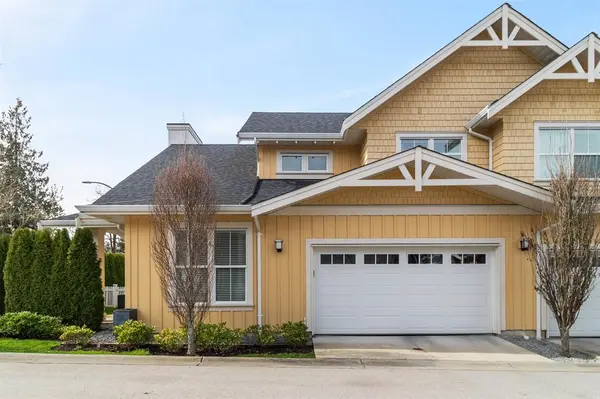
In a townhouse, the strata usually looks after the roof, siding and drains. In a detached house they're yours, and the home inspection is your main check before you're committed. It's visual only, so book an inspector early, leave room in your subject date for a specialist and don't treat the rescission period as your inspection window.
Who Skipping the Inspection Isn't For
If a large repair in your first year would stretch you, an inspection subject isn't optional for you. If you're moving up from a townhouse, that's probably you, because the down payment and closing costs on a bigger purchase tend to use up the cushion you'd otherwise keep for repairs. Waiving the inspection to make your offer look cleaner trades a few days of certainty for that risk.
It's a closer call if you're buying a newer home or you've already walked the house with a contractor you trust. Even then, I'd still want the inspection, because the report gives you a written list of what wasn't checked and who to call next. My guide to the real costs of owning a home in BC covers the bills that start once there's no strata sharing them.
Why Your First Detached House Changes the Inspection
In a strata, a lot of the big questions were answered on paper. The depreciation report, the contingency reserve fund and the council minutes told you what the building needed and who'd pay for it. In a detached house there's no reserve fund and no council. The roof, the drainage around the foundation, the exterior walls and every system inside are yours from the day you move in, and nobody else is saving for them.

That's why the inspection carries more weight on this purchase than it did on your townhouse. It's the closest thing you'll get to a building report, and it's done by one person in one visit, so it pays to know exactly what it covers before you lean on it.
What a Licensed BC Home Inspector Has to Give You
Home inspectors in BC have to be licensed with Consumer Protection BC. To get there they need education and training, insurance and a criminal record check, and a licence runs for up to 3 years. Before you book anyone, look them up on the regulator's home inspector search and check for any enforcement action.
The Home Inspector Licensing Regulation also sets out what you get in writing. It's fine print worth reading, because it's where the limits of your inspection are spelled out:
| Document | What the Rules Require |
|---|---|
| The Contract | The property address; what the inspection covers; whether it includes mould; whether it includes asbestos; whether it's non-invasive or which invasive procedures it uses |
| What the Contract Can't Do | Leave out a garage or carport; limit the inspector's liability or the amount of it; limit how long you have to make a claim |
| The Report | In writing by the date in the contract; an opinion on each item the contract covers; the items where the inspector recommends expert advice; what wasn't covered; the inspector's licence number |
Read the contract before the inspection, not after. If mould or asbestos isn't included, you'll know right away that either one needs a specialist, and you can plan your days around it.
Tools & Resources
Run your numbers before you book a showing, then read up on the area you're leaning toward.
What a Home Inspection Can't Tell You
A home inspection is a visual, non-invasive look at the parts of the house the inspector can get to. Consumer Protection BC is clear about the limits: inspectors can't do destructive testing, can't give repair cost estimates, can't assess specialized hazards like asbestos or mould and can't tell you the home's market value or whether it's insurable.
Inspectors are trained to spot signs of major problems, but they're not experts in every field, and the regulator says an inspection can reduce your risk, not eliminate it. Anything behind drywall, under flooring or buried in the yard is outside what they can see, so the report points you to a specialist where something looks off. For the big items an inspector does look at, my guide to checking the roof, furnace and hot water tank before you buy covers the questions to ask the seller.
How to Set Your Subject Date Around the Inspection
Your inspection subject is a condition in your offer, and its date is the deadline for being satisfied with what you find. Set it from the work that has to fit inside it, not from what sounds competitive. Here's the order I'd work in.
Step 1: Line Up an Inspector Before You Write the Offer
Consumer Protection BC suggests booking early, before you've picked a home, and getting at least 3 written estimates. Choose on qualifications and reputation, not only price, since the regulator licenses inspectors but doesn't set what they charge. Ask each one what's included, because not every inspection covers the same things.
Step 2: Check the Report Date in the Contract
The inspector has to deliver the written report by the date in the contract. Make sure that date lands well before your subject date, and ask for a verbal summary on the day so you're not waiting on the write-up to start making calls.
Step 3: Leave Room for a Specialist
The report lists the items where the inspector recommends expert advice. On an older detached house, that list is often where the real decisions are, so leave enough days after the report to get a specialist in for anything it flags.
Step 4: Get Your Own Repair Quotes
If something needs fixing, get quotes from independent contractors. The regulator says the inspector shouldn't give you repair estimates or refer you to a contractor, which keeps the report separate from anyone selling you the repair. My lean is to work backwards from these 4 steps and pick the date that fits them with a day or 2 to spare, because a subject date too tight to use isn't protecting you.
The Rescission Period Isn't Your Inspection Window
BC's home buyer rescission period lets you cancel an accepted offer on a detached house, a townhouse or most other residential property within 3 business days after acceptance, and Saturdays and holidays don't count. You can't waive it, but it isn't free. Under the regulation, you pay the seller 0.25% of the purchase price, and it comes out of your deposit.
| Purchase Price | Paid to the Seller If You Rescind (0.25%) |
|---|---|
| $900,000 | $2,250 |
| $1,200,000 | $3,000 |
| $1,500,000 | $3,750 |
Arithmetic on the 0.25% set by the Home Buyer Rescission Period Regulation, not a market figure.
It doesn't apply to everything either. Homes on leased land, leasehold interests, auction sales and court-ordered sales are exempt. Treat it as a short way out if something changes, not as time to inspect. Booking an inspector, getting the report and calling a specialist rarely fits in 3 business days, and walking away through rescission costs you money that walking away through an unmet subject usually doesn't.
Reading the Report Without Overreacting
Every report on a lived-in house finds something, so read it by section rather than by length. The opinion on each item tells you condition, the expert advice list tells you what still needs a specialist and the not-covered list tells you what nobody has checked yet. That last list is the easy one to skip, and it's where your next calls come from.
From there you can remove subjects as written or go back to the seller about the price or a repair. If the report changes your mind, you can let the subject go unmet and walk away. After you move in, my guide to how long home systems last turns the report into a maintenance plan, so the items marked "monitor" don't get forgotten.
Common Mistakes to Avoid
Most of these come from carrying townhouse habits into a detached purchase, where nobody else is checking the building for you.
- •Treating the disclosure statement as the inspection: the Property Disclosure Statement tells you what the seller says they know. My guide to the disclosure statement explains what it does and doesn't cover.
- •Booking the inspector after the offer is accepted: you'll take whoever's free inside your subject window instead of the inspector you'd have picked.
- •Skipping the not-covered list: a clean report on the parts the inspector could see says nothing about the parts they couldn't.
Thinking About Buying or Selling in a Detached Home?
The best first step is a quick conversation. Pick a time in the calendar that works for you and we'll talk it through.
Frequently Asked Questions
Do home inspectors in BC need a licence?
Yes. Home inspectors have to be licensed with Consumer Protection BC, which requires education and training, insurance and a criminal record check. You can check an inspector's licence on the regulator's website before you book.
What doesn't a BC home inspection cover?
It's visual and non-invasive, so it covers what the inspector can see and reach. Inspectors can't do destructive testing, give repair cost estimates or assess specialized hazards like asbestos or mould, and they can't tell you a home's market value or whether it's insurable.
Does a home inspection include mould and asbestos?
Only if the contract says so. The Home Inspector Licensing Regulation requires the contract to state whether the inspector will inspect for mould and whether they'll inspect for asbestos.
Can I use the rescission period instead of an inspection subject?
You can rescind within 3 business days after acceptance, but you pay the seller 0.25% of the purchase price from your deposit. That's $3,000 on a $1,200,000 home, and 3 business days is a tight window to book an inspector and get the report back.
Can a home inspector tell me what repairs will cost?
No. Consumer Protection BC says inspectors can't provide repair cost estimates and shouldn't refer you to a contractor. Get quotes from independent contractors for anything the report flags.
Does the inspection have to include the garage?
Yes. A BC home inspection contract can't leave out a garage or carport, whether or not it's attached to the house.
Can the inspector share my report with the seller?
Not without your permission, unless the law requires it or the inspector believes the contents point to a serious health or safety risk.
Sources: Consumer Protection BC and BC Laws (Home Inspector Licensing Regulation, Home Buyer Rescission Period Regulation and Property Law Act, current to November 3, 2026). Read November 11, 2026.

Alex Dunbar Personal Real Estate Corporation
REAL Broker BC Ltd. | Living in the Lower Mainland
Buying, selling or investing in the Lower Mainland? Whether you're new to the area or a longtime local, I'll help you make the right move. Book a 30-minute no-pressure call with me and we'll go over your goals, timeline and budget.
Categories
Recent Posts



GET MORE INFORMATION