
Buying a Home with a Friend or Family Member in BC: What to Put in Writing
If you're buying a home in BC with a friend, sibling or parent, put 3 things in writing before you buy: how you'll hold title, who pays what, and what happens if one of you wants out. Joint tenancy and tenants in common work very differently, and a lawyer or notary should draft the co-ownership agreement.
Why Co-Buying Needs More Than a Handshake
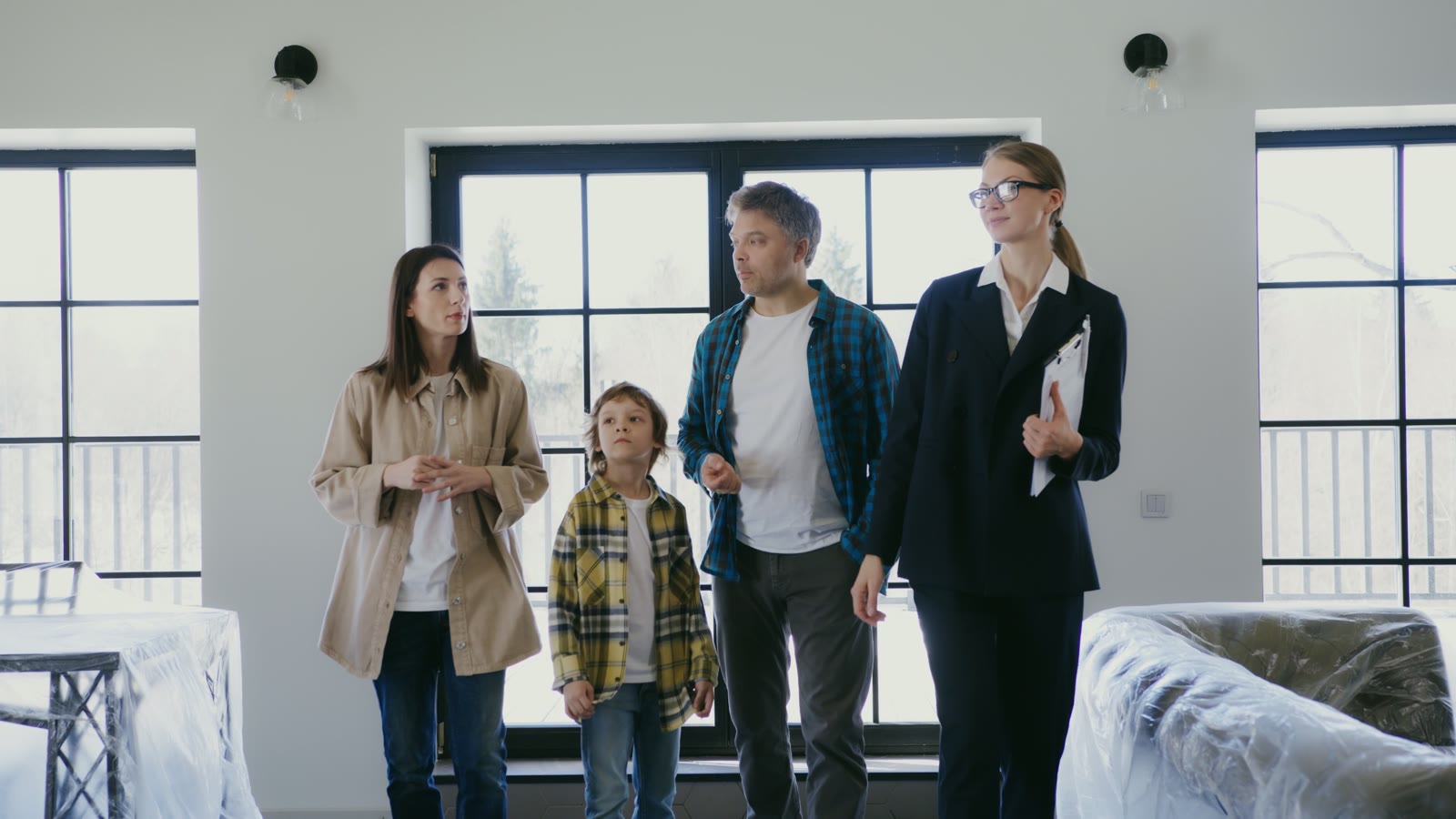
Buying with someone you trust can get you into a home sooner than buying alone. Two incomes and two down payments go further than one. The risk is that everyone agrees on day 1 and nobody writes down what happens on day 1,000, when someone gets married, takes a job in another province or just wants their money back.
This post is general education, not legal advice. The goal is to help you show up to your lawyer or notary with the right questions already answered between you, so the agreement reflects what you actually want.
Joint Tenancy vs Tenants in Common in BC
When 2 or more people are on title in BC, they own the property in one of 2 ways, and the choice changes what happens when one owner dies.
Joint tenancy: each owner holds the whole property together, and there's a right of survivorship. If one joint tenant dies, their interest passes to the surviving owner or owners, not through their will. The land title register shows the words "joint tenants" after the owners' names. This is common for spouses, and it's less common for friends or siblings who each want their share to go to their own family.
Tenants in common: each owner holds a defined share, like 50/50 or 60/40, and there's no right of survivorship. If one owner dies, their share goes to their estate and passes under their will. Under BC's Property Law Act, when land is transferred to 2 or more people, they're tenants in common unless the transfer shows a different intention, and if the shares aren't stated they're presumed to be equal.
| Question | Joint Tenancy | Tenants in Common |
|---|---|---|
| How shares are held | Together, as a whole | Defined shares, equal or unequal |
| If an owner dies | Passes to the surviving owner or owners | Passes to the owner's estate |
| Common fit | Spouses | Friends, siblings, parents and adult children |
| Unequal contributions | Harder to reflect | Shares can match contributions |
How title is held in your case, and how it interacts with your will and estate, is a question for your lawyer or notary.
If you and a friend put in different down payments, tenants in common lets the title itself show unequal shares. The agreement then explains how those shares change, if at all, as each of you pays the mortgage over time.
Who Pays What
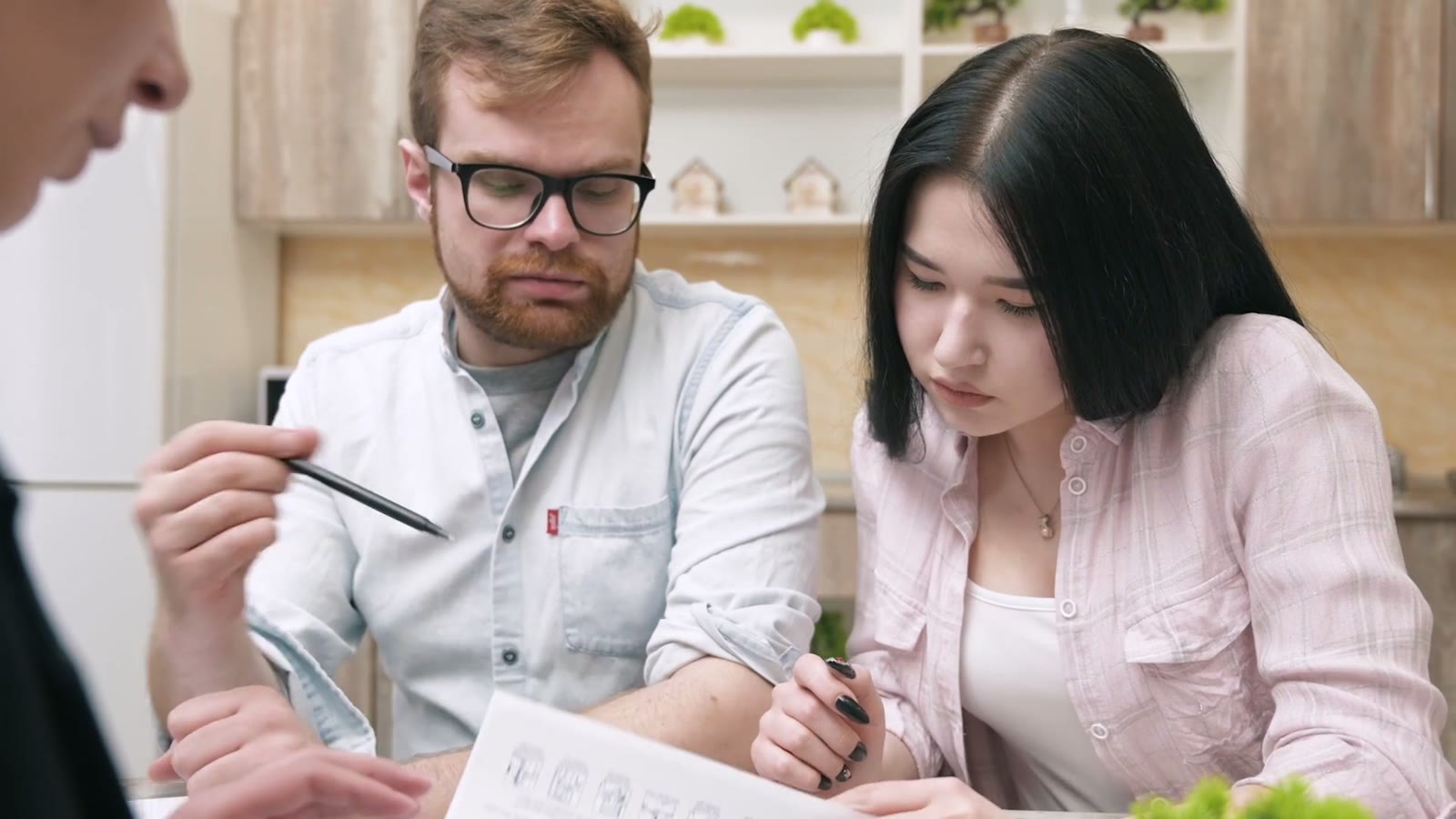
Write down every cost and who covers it. That means the down payment, closing costs, the mortgage payment, property tax, insurance, strata fees if it's a condo or townhome, utilities and repairs. Agree on how you'll split each one and what happens if one person can't pay their part for a few months.
It's worth knowing that on most mortgages with 2 borrowers, each borrower can be responsible for the full payment, not just their half. Ask your lender or mortgage broker how your specific mortgage works. If the other person stops paying, the lender won't care what your private agreement says.
Repairs and improvements need their own line. A new roof benefits both owners. A kitchen one owner wants and pays for alone is a different case, and the agreement should say whether that spending changes the shares or gets paid back on a sale.
Tools & Resources
Deciding where to buy together? Try these tools.
Living Arrangements and Day-to-Day Rules
If you'll both live in the home, decide who gets which space, how you'll handle guests and partners moving in, and whether either of you can rent out a room. If only one of you lives there, decide whether that person pays rent to the other and how much.
These feel like small details when you're excited to buy. They're the things that cause friction 2 years in, and they're far easier to agree on now than in the middle of a disagreement.
If the home has a suite one of you might live in or rent out, my guide to buying a house with a suite explains the difference between a legal and an unauthorized one.
The Exit Plan If One Person Wants Out

This is the most important section of the agreement, and the one most people skip. Decide in advance what happens if one of you wants to sell and the other doesn't.
A common structure gives the staying owner the first right to buy out the leaving owner. The agreement sets how the price is decided, for example by an independent appraisal, how long the buyer has to arrange financing and what happens if they can't. If no buyout happens, the agreement says the home is listed for sale and how the proceeds are split after the mortgage and costs are paid.
Cover the hard cases too: one owner dies, becomes unable to work, marries or separates. A lawyer or notary can explain how each of these interacts with your title choice, your wills and family law, and can draft clauses that fit your situation.
Common Mistakes to Avoid
The first mistake is choosing joint tenancy by default because it sounds simpler. For friends or siblings, it can send your share somewhere you didn't intend. The second is splitting costs verbally and keeping no records, which makes it hard to show who paid what later.
The third is waiting until after the purchase to write the agreement. Have it drafted and signed before you remove subjects, while you're both still on the same page and before your money is committed.
My guide to writing an offer in BC covers how subjects work and when they come off.
If you're thinking about buying with a friend or family member and want to talk through the buying side, book a call and we'll start there.
Thinking About Buying or Selling?
The best first step is a quick conversation. Pick a time in the calendar that works for you and we'll talk it through.
Frequently Asked Questions
What's the difference between joint tenancy and tenants in common in BC?
Joint tenants hold the property together with a right of survivorship. Tenants in common hold defined shares that pass to each owner's estate.
If we don't choose, how do we own the property?
Under BC's Property Law Act, 2 or more people who receive land are tenants in common unless the transfer shows a different intention.
Can tenants in common own unequal shares?
Yes. Shares can be unequal, such as 60/40, and if they aren't stated they're presumed to be equal.
Do we need a lawyer for a co-ownership agreement?
Yes. A lawyer or notary should draft and review it so it fits your title choice, wills and situation.
Am I responsible for the whole mortgage if my co-owner stops paying?
On many mortgages each borrower can be responsible for the full amount. Ask your lender how your mortgage works.
Sources: Property Law Act, s. 11 and Land Title Act, s. 177 (BC Laws, both current to November 3, 2026); LTSA Land Title Practice Manual, 11 Tenancy in Common. Read November 9, 2026.

Alex Dunbar Personal Real Estate Corporation
REAL Broker BC Ltd. | Living in the Lower Mainland
Buying, selling or investing in the Lower Mainland? Whether you're new to the area or a longtime local, I'll help you make the right move. Book a 30-minute no-pressure call with me and we'll go over your goals, timeline and budget.
Categories
Recent Posts







GET MORE INFORMATION