
The First 30 Days After You Get the Keys
The first 30 days after you get the keys are when small tasks are easiest to do and easiest to forget. Change or rekey the locks, find your water shut-off and electrical panel, and gather every warranty and manual in one place. Then handle the paperwork with a deadline, like the home owner grant, before the move swallows it.
Why the First Month Matters

Once the boxes are unpacked, you stop looking at the house closely. The first month is the one window where you're already opening every closet, so it's the cheapest time to learn how the place works. It's also when warranty clocks are freshly running and when you still have the seller's paperwork in hand.
None of this is complicated. The trick is doing it on a schedule instead of when something goes wrong. Below is the order I'd suggest, broken into 3 weeks of tasks and a 4th week for the paperwork.
If you've moved to a new city, my guide to finding a family doctor the week you move covers another early task worth starting now.
Days 1 to 3: Make the House Secure and Know Your Shut-Offs

Start with the locks. You don't know how many keys are out there: past owners, cleaners, contractors, neighbours who watered plants. Rekeying is usually cheaper than replacing hardware, and a locksmith can do the doors and the garage entry in one visit. If the home has a keypad or a smart lock, change the codes and remove old users from the app.
Next, find your shut-offs before you need them. Walk the house and locate the main water shut-off, the electrical panel and, if you have gas, the gas meter. Put a label on the main water valve and take a photo of the panel directory. If a pipe lets go at 2am, those are the 2 minutes that save your floors.
Then test your smoke alarms and carbon monoxide alarms. If the home has a fuel-burning appliance like a gas furnace, water tank or fireplace, make sure a CO alarm is installed. If an alarm is old or you're not sure how old it is, replace it. The InterNACHI life expectancy chart lists smoke detectors at under 10 years.
Days 4 to 14: Learn Your Systems
Find the furnace, the hot water tank and any heat pump, and photograph each data plate with its model and serial number. Look up the manuals on each manufacturer's site and save them to one folder. While you're there, check the furnace filter. Manufacturers commonly say to replace it every 1 to 3 months depending on the type, so note the size and buy a few.
This is also the week to look at what you can see of the roof and gutters from the ground, and to note anything the inspection report flagged. If your inspector listed items as "monitor," put them on a calendar now. Those notes are easy to lose once the report is filed away.
If that furnace is getting older, my guide to heat pumps and energy upgrades for BC homeowners looks at which upgrades actually pay off.
Tools & Resources
Still settling into a new area? Try these tools.
Days 15 to 21: the Warranty Audit
This is the task most new owners never get to, and it's the one that can save the most money. Pull together every warranty that came with the home and check 3 things for each: what it covers, when it ends and what you have to do to keep it valid.
If you bought a newer home in BC, start with home warranty insurance. Under the Homeowner Protection Act, most new homes built by a licensed builder carry third-party coverage often called 2-5-10: 2 years on materials and labour, including the first 12 months on defects throughout and a 2nd year on systems like plumbing, heating and electrical, 5 years on the building envelope and 10 years on structure. Coverage is attached to the home, so it can continue to a buyer within the coverage window. Find the policy, note the provider and write down the end date of each part.
Then check the appliance and equipment warranties. Some manufacturer warranties need the product registered within a set time after install or purchase, and some depend on yearly service records. Read each one, register what needs registering and set a reminder a couple of months before each coverage end date. That reminder is the whole point: a defect you report inside the window is a claim, while the same defect found a month later is a bill.
Days 22 to 30: Paperwork with a Deadline
The home owner grant is the one people miss. In BC, you must apply for the home owner grant each year, and the grant reduces the property tax you pay on your principal residence if you qualify. It's not automatic, so check the province's eligibility rules and when your property tax is due, and put the application on your calendar every year.
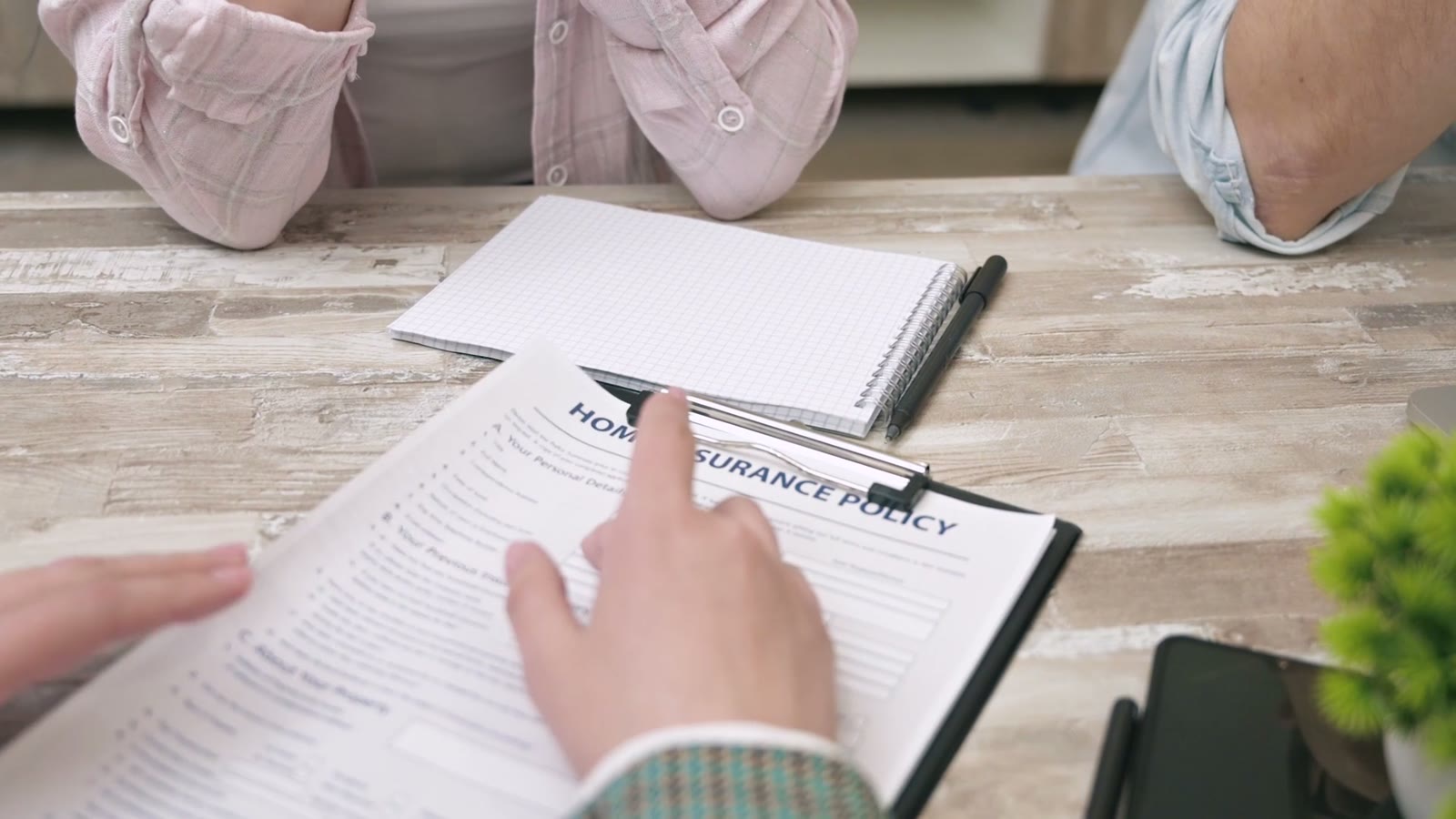
Update your address with the agencies and companies that need it, including your insurance, your bank and your driver's licence and vehicle registration. Confirm your home insurance policy shows the right address and coverage, and keep a copy of the policy in the same folder as your warranties.
Last, start a simple home file. One folder, paper or digital, with the purchase documents, warranties, manuals, the inspection report and every receipt for work on the house. When you sell, that folder answers most of the questions the next buyer will ask.
If you bought in the Township of Langley, my Langley Township utility setup guide walks through putting your utilities in your name.
Common Mistakes to Avoid
The most common mistake is assuming the keys you got are the only keys. The next is learning where the water shut-off is during a leak. Both take less than an hour to fix in the first week.
The costly one is letting a warranty lapse without ever reading it. On a new home, the first 2 years are when the 2-5-10 coverage is at its broadest, covering materials and labour as well as the envelope and structure. If you don't know your end dates, you can't use the coverage you already paid for.
For the bigger picture, my guide to the real costs of owning a home in BC covers what you'll spend beyond the mortgage.
If you'd like a hand building your own first-30-days list for a specific home, book a call and we'll go through it.
Thinking About Buying or Selling?
The best first step is a quick conversation. Pick a time in the calendar that works for you and we'll talk it through.
Frequently Asked Questions
Should I change the locks after buying a house?
Yes. You can't know who has a copy of the old keys. Rekeying is usually cheaper than replacing the hardware.
What is the 2-5-10 warranty in BC?
It's home warranty insurance required for most new homes under the Homeowner Protection Act: 2 years on materials and labour, 5 years on the building envelope and 10 years on structure.
Do I need to apply for the home owner grant every year?
Yes. The BC government says you must apply for the home owner grant each year if you're eligible.
What should I do with my home inspection report after I move in?
Keep it in your home file and put any items marked "monitor" on your calendar so you check them on a schedule.
Where do I find manuals for my furnace and hot water tank?
Photograph the data plate on each unit and search the model number on the manufacturer's website, where most manuals are posted.
Sources: Homeowner Protection Act Regulation, Schedules 2 and 3 (BC Laws, current to November 3, 2026); BC Housing, Third-party home warranty insurance (current as of September 22, 2026); Government of BC, Home owner grant; InterNACHI life expectancy chart; Trane and Bryant furnace maintenance pages. Read November 9, 2026.

Alex Dunbar Personal Real Estate Corporation
REAL Broker BC Ltd. | Living in the Lower Mainland
Buying, selling or investing in the Lower Mainland? Whether you're new to the area or a longtime local, I'll help you make the right move. Book a 30-minute no-pressure call with me and we'll go over your goals, timeline and budget.
Categories
Recent Posts





GET MORE INFORMATION