
What Listing Photos Don't Show: What to Check at a Showing
Listing photos are built to get you through the door, so they show a home at its best and leave out what doesn't help it sell. Wide lenses can make rooms look bigger, the frame can skip the neighbour's wall or the busy road and a sunny afternoon shot tells you nothing about a dark winter morning. At a showing, check room size, what's outside every window, the light, the noise, any smells and any signs of moisture. If you can, go back a second time.
Listing Photos Are an Ad, Not an Inspection
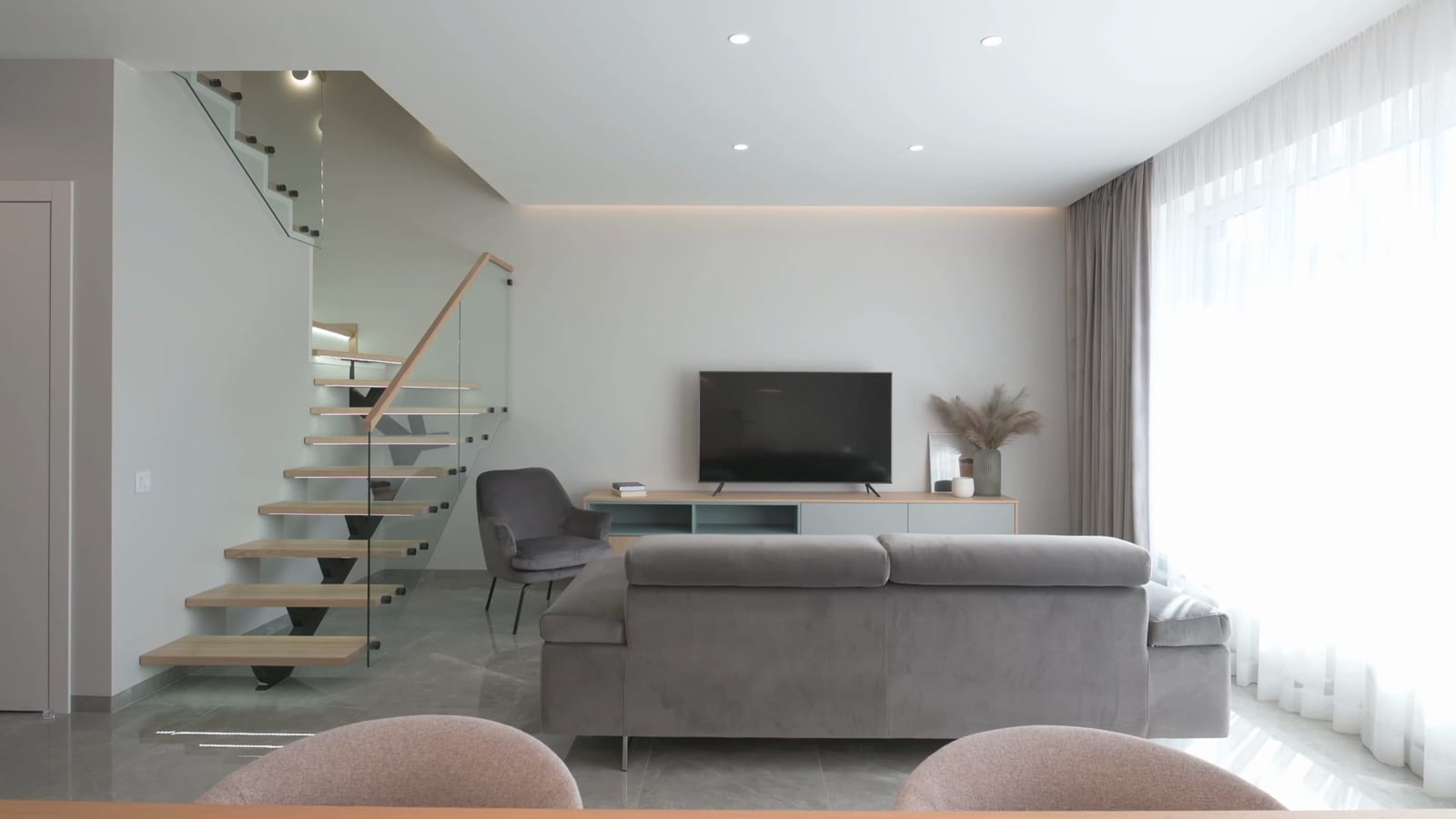
The photos that got you to book a showing did their job. They're meant to make you want to see the home, and that's fair, because every seller wants their place to look its best. The problem is that it's easy to fall for the photos and then walk through the real home looking for proof that you were right, instead of looking for what the photos left out.
This guide is the list I'd want you to have in your pocket at every showing. It covers how big the rooms really are, what sits just outside the frame, how the light changes, what your ears and nose pick up, what one visit can't tell you and when a second visit is worth booking. None of it replaces a home inspection. It's about noticing what you'd otherwise miss in the 20 minutes you're standing in the home.
Rooms Can Look Bigger Online
Real estate photographers often use wide lenses so a whole room fits into one shot. That's useful, but a wide lens can also make a room look larger than it feels when you're standing in it, as this guide from a real estate photography company explains. Corners stretch, furniture looks further apart and a narrow hallway can look like a gallery.
Bring a tape measure for the rooms that matter most to you, usually the main bedroom, the living room and wherever your desk will go. Measure the wall your bed or sofa would sit against, not just the room's length on paper.
Then picture your own furniture, not the staging. Staged homes often use smaller pieces and fewer of them, so a room that looks roomy with a loveseat can feel tight with your sectional and a dining table that seats 6. If a piece of furniture is a deal-breaker for you, measure for it before you fall for the room.
Look Past the Edge of the Frame

Every photo is a choice about what to leave out. The shot of the back patio might be taken from an angle that hides the apartment balconies looking down into the yard, and the front photo might stop just before the busy road or the power lines.
Before you go, drop into street view on the listing's map so you know what sits on each side of the home. When you're there, check what each window actually faces, look over the fence on every side and walk the block, not just the driveway. Stand in the middle of the main room and turn a full circle to see what the camera had its back to.
It's also fair to ask the listing agent which rooms weren't photographed and why. Sometimes it's nothing, like a room full of boxes. Sometimes it's the room that needs the most work, and you'd rather know that before you're attached to the rest of the home.
Tools & Resources
Know what you can afford and which areas fit before you book the next showing.
Light Changes Through the Day
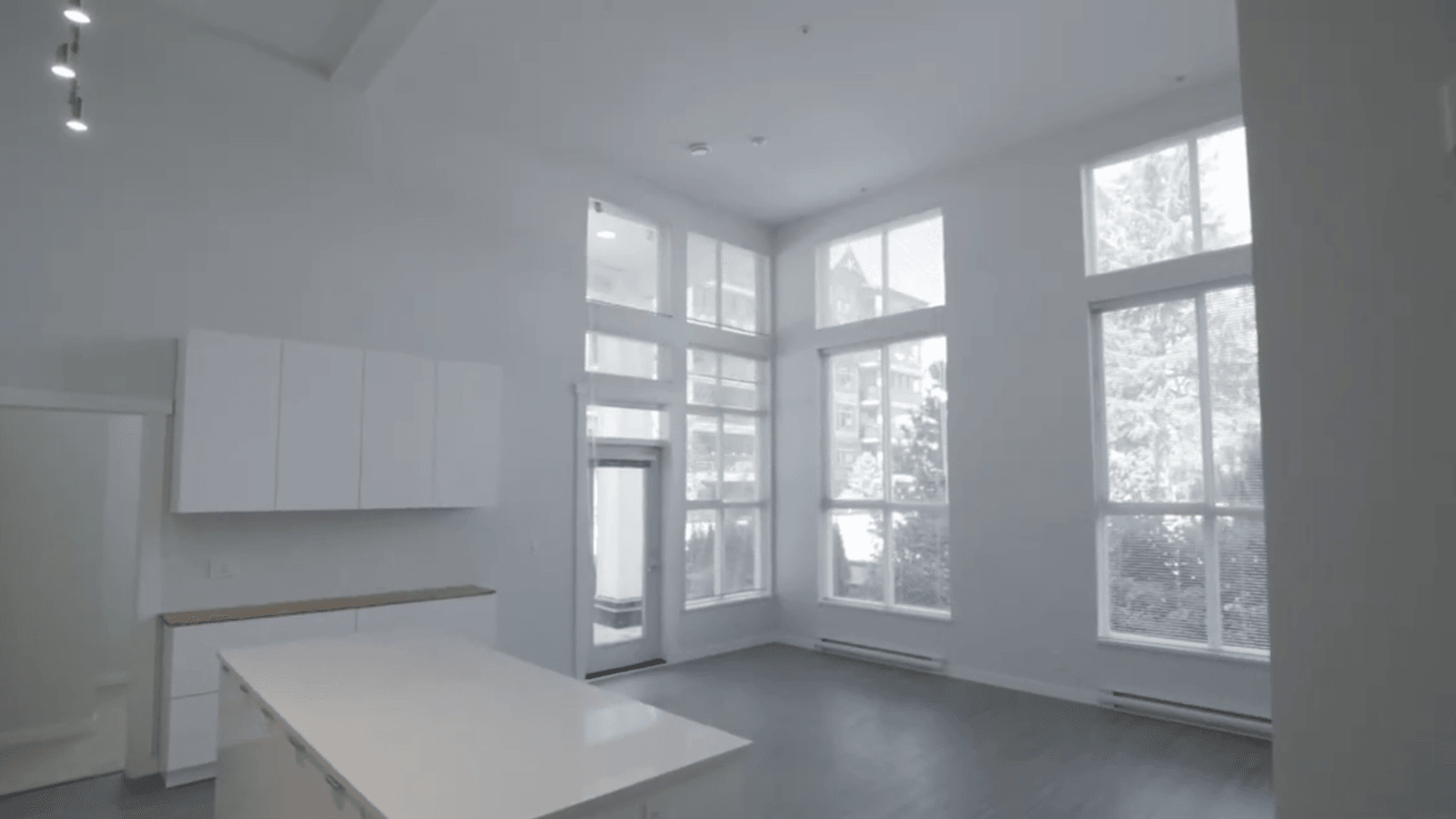
Listing photos are usually taken when the light is good, often with every lamp switched on. A showing might be the same. That's why it's worth noting which rooms get direct sun and which ones depend on lamps to feel bright.
Ask to see a room or two with the lights off. If a room only feels warm with every lamp on, picture it on a grey afternoon in November. It's also fair to ask the sellers which rooms stay dark in winter, when the sun sits lower and big trees or the building next door can block more of it. If you work from home or you're someone who needs light to feel good, this matters more than the finishes.
Use Your Ears and Your Nose
Photos can't carry sound or smell, so this is where showing up in person pays off most. Listen with the windows open and then closed. Traffic, a nearby school, a rail line or a neighbour's dog can be easy to miss with the windows shut and hard to ignore on a summer evening. If the home sits near a busy road, a school or a rail line, go back at rush hour or school drop-off.
Notice smells, especially strong air fresheners or candles that seem to be working hard. They can be there for good reasons, but they can also cover pets, smoke or damp. Run the taps for a minute and flush the toilets so you can hear how the plumbing sounds.
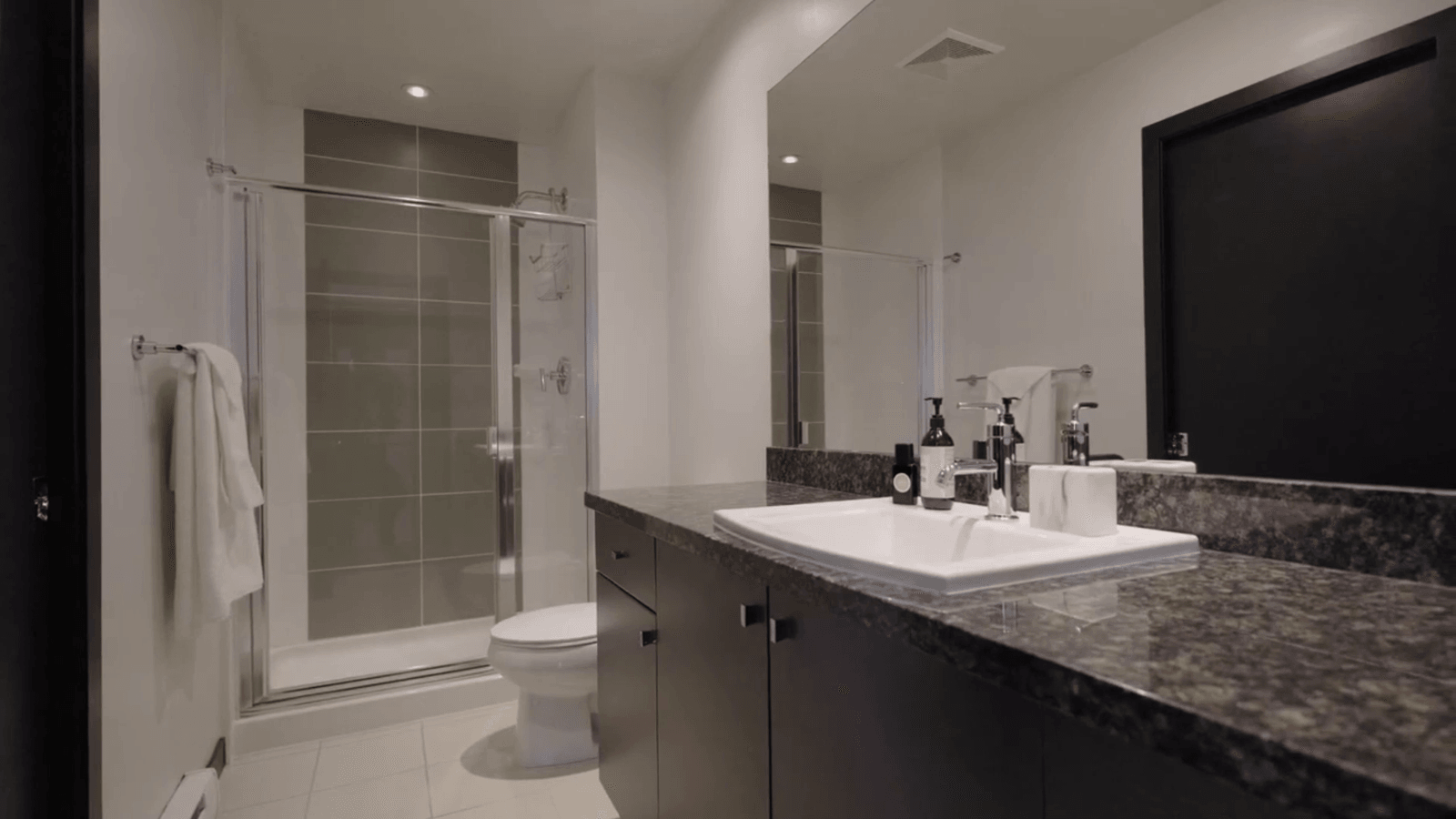
Then look for moisture. Open the cabinets under the kitchen and bathroom sinks, look around window frames for staining or peeling paint and check ceilings below bathrooms. You're not diagnosing anything. You're noting what to ask about and what to point out to your home inspector.
What One Showing Still Can't Tell You
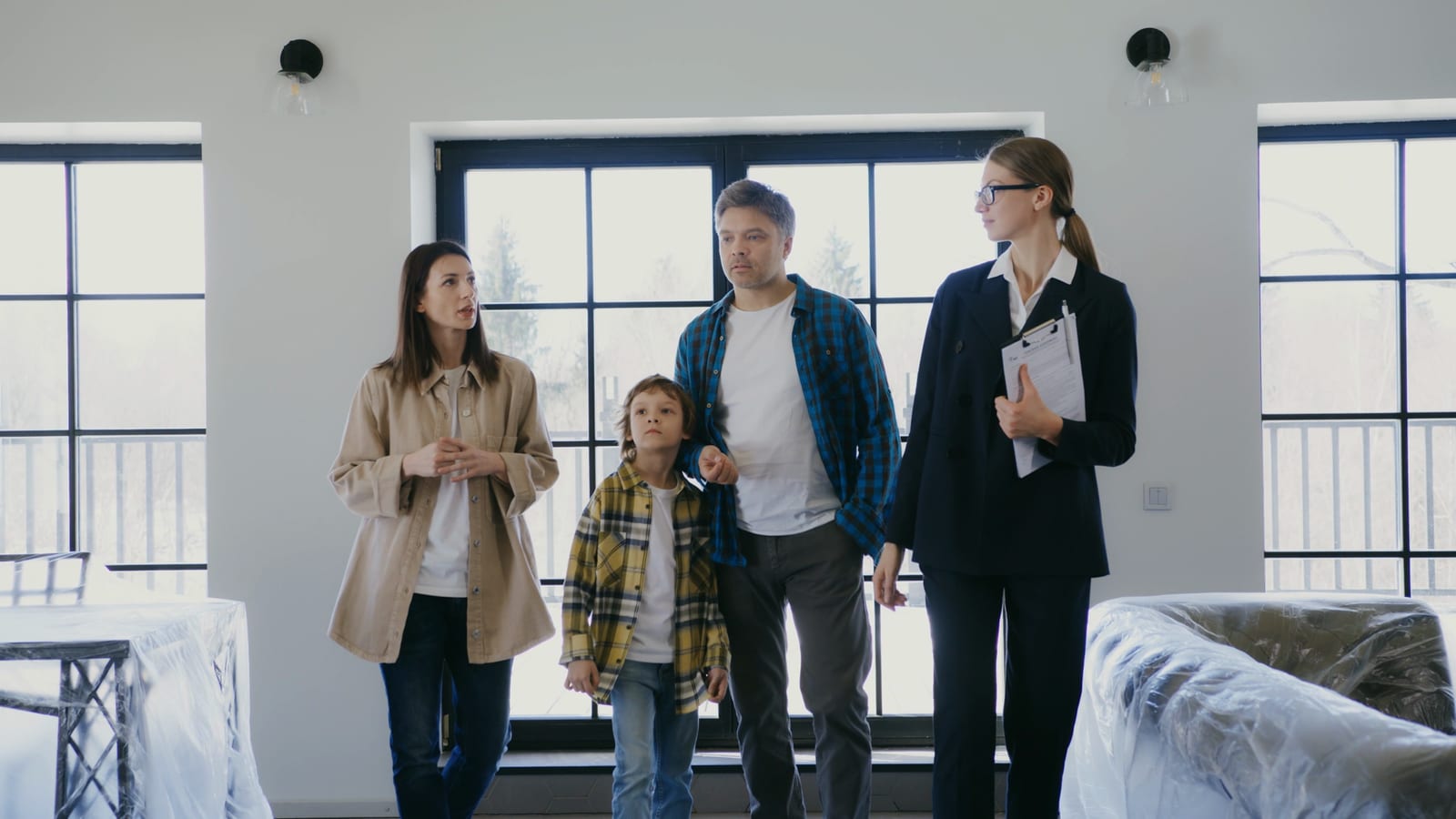
Every showing is one moment in time. You see the home on one day, at one hour, in one kind of weather. You don't see the street on a Friday night, the parking on a Sunday or the light in January. That's not a reason to worry. It's a reason to know what you're still guessing at.
A showing also can't tell you what the paperwork will. The seller's Property Disclosure Statement, if there is one, and the strata documents for a condo or townhome fill in a lot of what you can't see. My guide on how to read strata documents walks through what to look for in that package.
And no home passes every check. Something on this list will come up short on almost every home you see, so rank what matters to you before you start looking. A slightly small bedroom might be fine. A home that backs onto a road you can hear from every room might not be.
Who This Matters Most For
This list helps anyone, but a few kinds of buyer lean on listing photos more than others, so it matters most for them.
- •Buying from away: if you can't get to the showing, ask for a live video walk-through instead of relying on the photos, and ask whoever's holding the camera to show each window view and the street. My guide for buyers relocating to BC from Ontario or Alberta covers more of that process.
- •First-time buyers: bring this list to every showing. After 5 homes in one afternoon they start to blur together, and notes beat memory.
- •Working from home: sit in the room you'd work in for a while. Listen, check the light at your desk spot and see how far it is from the kitchen and the front door.
Book a Second Visit When You Can
If a home makes your short list, the most useful thing you can do is see it again at a different time of day than your first showing. Evening shows you noise and street parking. Morning shows you the light and the traffic. A weekend shows you what the neighbours do with their time.
If the seller's okay with it, record a slow phone video of every room so you can compare homes later without leaning on memory. Ask through your REALTOR® first, because some sellers say no, and that's their call.
A busy market may not allow a second look before offers are due. In that case, make the first visit count: bring the tape measure, take notes room by room and go back to the street on your own afterwards. When you're ready to move, my guide on how to write a winning offer in BC picks up from there.
Thinking About Buying or Selling?
The best first step is a quick conversation. Pick a time in the calendar that works for you and we'll talk it through.
Frequently Asked Questions
Do listing photos make rooms look bigger?
They can. Real estate photographers often use wide lenses to fit a whole room into one frame, and a wide lens can make a room look larger than it feels in person. Bring a tape measure for the rooms that matter most to you.
What should I look for at a showing that photos won't show?
What sits outside each window and over each fence, how the light changes, what you can hear with the windows open and closed, any smells that seem to be covering something and signs of moisture under sinks and around windows.
Can I take photos or video during a showing?
Only if the seller is okay with it. Ask through your REALTOR® before the showing. If the answer is yes, a slow video of every room makes it much easier to compare homes later.
Should I visit a home more than once before making an offer?
If you can, yes. A second visit at a different time of day shows you light, noise and traffic you missed the first time. In a busy market there may not be time for one, so make the first visit count.
Is a showing a substitute for a home inspection?
No. A showing tells you how a home feels and what you can see. A home inspection looks at the condition of the home in far more detail, and many buyers make their offer subject to one.
What if I'm buying from out of town and can't attend a showing?
Ask for a live video walk-through instead of relying on the listing photos. Ask the person holding the camera to show each window view, the street and the rooms that weren't photographed.
Sources: HomeJab, on wide lenses in real estate photography. Read November 8, 2026.

Alex Dunbar Personal Real Estate Corporation
REAL Broker BC Ltd. | Living in the Lower Mainland
Buying, selling or investing in the Lower Mainland? Whether you're new to the area or a longtime local, I'll help you make the right move. Book a 30-minute no-pressure call with me and we'll figure out what works best for you.
Categories
Recent Posts





GET MORE INFORMATION