
What Not to Fix Before You Sell Your Home in the Fraser Valley
Before you sell, fix what a buyer or inspector would flag as a problem: leaks, safety items and anything broken. Skip the big renovation if it won't be finished and permitted before you list, or if buyers in your price band will redo it anyway. Clean, repair and present the home well instead.
Who a Pre-Listing Renovation Isn't For
A big renovation before you sell isn't for you if it won't be finished and permitted before you list, or if buyers in your price band are likely to redo it anyway. Either one is enough. A half-finished bathroom in the photos looks worse than a dated one, and a new kitchen in a home that buyers plan to gut is money you won't see again.
It's also not for you if you're short on time or cash. Renovations almost always run longer than planned, and every week of work is a week you're not on the market. The sellers who do best usually spend their money on repairs, cleaning and presentation, then price the home honestly for what it is.
What Buyers in Your Price Band Will Redo Anyway
Taste is the trap. Kitchens, bathrooms, flooring colours, light fixtures and paint are the things buyers most want to choose themselves, and the things most likely to be torn out if you pick for them. That's especially true in older detached homes, where many buyers are planning their own renovation and are pricing that work into their offer before they even walk in.
I'm not going to give you a payback percentage for any renovation. I haven't found a current Canadian source I'd trust for one, and the answer changes from street to street. The better test is local: look at what similar homes near you sold for with and without the upgrade, and ask whether the buyer for your home is paying for move-in ready or for a project.
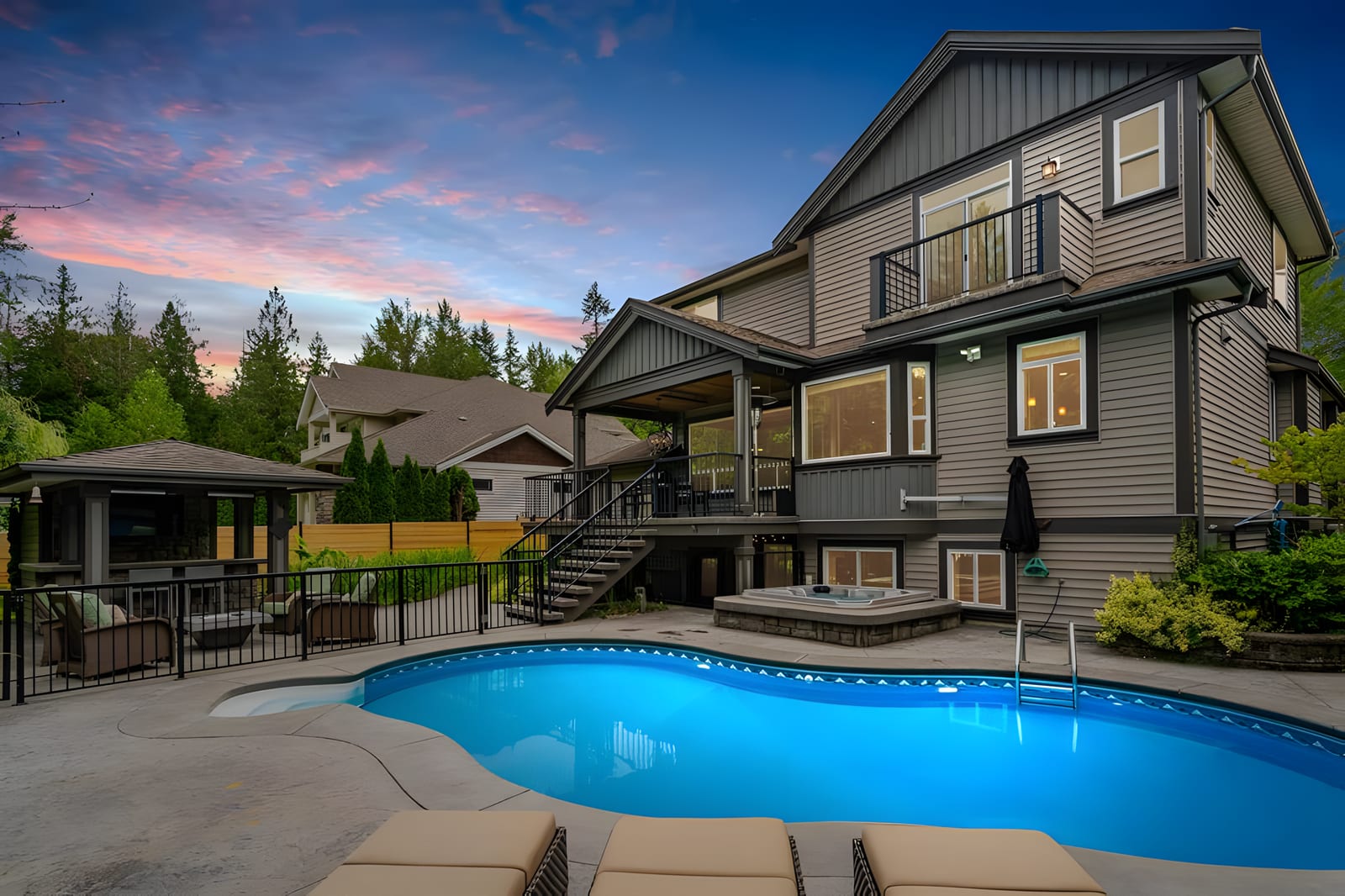
Big features work the same way. A pool, a hot tub or a custom outdoor kitchen can make one buyer fall in love and make the next buyer walk, because it changes who wants the house more than it changes what it's worth. Adding one before you sell is a gamble on which buyer shows up.
What Is Worth Fixing Before You List
Fix anything a home inspector would write up as a problem. That means leaks, water stains with a live cause, broken windows or seals, doors that stick, missing smoke alarms, loose railings and anything that doesn't work as it should. These are cheap compared with the price reduction a buyer asks for once they see them listed in an inspection report.
Then look at the systems that a buyer will ask about first. The roof, furnace and hot water tank don't need to be new, but you should know their age and condition and have any recent service records handy. My guide to how long home systems last covers the typical lifespans and the maintenance most owners skip.
| Usually Worth Doing | Usually Not Worth Doing |
|---|---|
| Fixing leaks and their cause | A full kitchen renovation |
| Replacing burnt-out bulbs and broken fixtures | New flooring in your favourite colour |
| Patching and touching up paint | Adding a pool, hot tub or outdoor kitchen |
| Servicing the furnace and cleaning gutters | Starting work you can't finish and permit before you list |
Tools & Resources
Planning a sale and your next move? Start with the area you're heading to.
Permits Can Turn a Small Fix Into a Problem
Minor work generally doesn't need a building permit. Surrey lists projects like replacing flooring and minor exterior repairs as not needing one, and the City of Langley lists replacing cupboards, painting, re-roofing and window replacement as non-structural work that doesn't. Surrey also says separate plumbing and electrical permits are needed for any plumbing and electrical work.
Anything structural is different. Maple Ridge requires a permit for building, renovating or altering a deck and for changes to structural components, and every city here requires one for a secondary suite. The Township of Langley runs its own building department and its own rules, so call before you start rather than assuming the City of Langley's list applies.
Electrical work has one more catch. Technical Safety BC says owners of strata units, non-strata duplexes and homes with a business can't get a homeowner electrical permit, so that work has to go to a licensed contractor. A rushed, unpermitted fix right before you list is the kind of thing an inspector notices and a buyer's lawyer asks about.
Disclose It, Don't Cover It Up
The worst pre-listing job is the one that hides a problem. Painting over a water stain without fixing the leak, or boxing in old wiring, doesn't remove the problem, it moves it into the buyer's first year and back onto you. In BC, a seller who knows about a latent defect that makes the home dangerous or unfit to live in has to tell the buyer, and a latent defect is one a buyer couldn't find on a reasonable inspection.
If you're not sure what to say about something, ask a real estate lawyer before you list, not after an offer comes in. My guide to the BC Property Disclosure Statement walks through what the form asks and how buyers read it.
Presentation Beats Renovation

Most of the lift comes from things that cost very little. A deep clean, decluttered rooms, neutral bedding, bright bulbs, a tidy entry and a cut lawn make photos and showings look like a home that's been looked after. Buyers forgive an older kitchen in a home that feels cared for far more easily than a new kitchen in a home that feels neglected.

Spend on the rooms people see first and remember: the entry, the main living area and the primary bedroom. My budget staging tips cover the low-cost changes that make the biggest difference in photos.
Common Mistakes to Avoid
Most of these come from starting work before deciding who the buyer for the home actually is.
- •Renovating to your own taste: the buyer is the one who has to love it, and they may be planning to change it on day one.
- •Starting what you can't finish: a half-done project in the photos costs more than leaving the room as it was.
- •Skipping the permit: unpermitted structural, suite, plumbing or electrical work becomes a question in every offer.
If the home has a tenant, don't plan a renovation around them at all. My guide to selling a tenanted home in BC covers notice, showings and timing. My lean for most sellers: fix what's broken, clean and present the home well, and spend the renovation budget on your next place instead.
Thinking About Buying or Selling in the Fraser Valley?
The best first step is a quick conversation. Pick a time in the calendar that works for you and we'll talk it through.
Frequently Asked Questions
Should I renovate my kitchen before selling?
Usually not. A full kitchen takes weeks, needs trades and often permits, and the buyer may have different taste. Fix what's broken, clean it well and let the price reflect the kitchen as it is, unless homes like yours in your area only sell with an updated one.
Do I need a permit to repaint or replace flooring before I sell?
Not in Surrey or the City of Langley, which list flooring, painting and similar minor work as not needing a building permit. Structural changes, decks, suites and new plumbing or electrical work do need permits, so check with your city before you start anything bigger.
Do I have to fix problems I know about before I sell?
You don't have to fix them, but you can't hide them. A known defect that a buyer couldn't find on a reasonable inspection and that makes the home dangerous or unfit to live in has to be disclosed. A real estate lawyer can tell you what applies to your home.
Is it worth fixing small things like leaky taps and burnt-out bulbs?
Yes. Small repairs are cheap, fast and they change how carefully a buyer thinks the home has been looked after. A list of little problems in an inspection report gives a buyer reasons to ask for money off.
Can I do my own electrical work before selling?
Only with a homeowner permit, and only in some homes. Technical Safety BC says owners of strata units, non-strata duplexes and homes with a business can't get a homeowner permit, so that work needs a licensed electrical contractor.
What about unpermitted work a previous owner did?
Don't cover it up or rush a fix before you list. Find out what was done and when, then talk to a real estate lawyer about how to disclose it. Buyers and their inspectors usually ask about suites, decks and basements first.
This post explains the general rules; it isn't legal advice. Talk to a real estate lawyer about what you need to disclose and check permit requirements with your city before you start work.
Sources: City of Surrey, City of Langley and City of Maple Ridge building permit pages; Technical Safety BC (homeowner electrical permits). Read November 11, 2026.

Alex Dunbar Personal Real Estate Corporation
REAL Broker BC Ltd. | Living in the Lower Mainland
Buying, selling or investing in the Lower Mainland? Whether you're new to the area or a longtime local, I'll help you make the right move. Book a 30-minute no-pressure call with me and we'll go over your goals, timeline and budget.
Categories
Recent Posts





GET MORE INFORMATION