
Pre-Sale Risks in the Fraser Valley: A Guide to What Can Go Wrong Before Completion
The biggest risks of buying a pre-sale in the Fraser Valley show up at completion, not at signing: an appraisal below your price, a mortgage that no longer qualifies, an assignment you can't sell, a delayed or cancelled project and a deposit locked up for years. With FVREB townhome and condo Benchmarks down 5.5% and 8.1% in a year, these risks are real right now.
Buying a home off a floor plan can work out well. You lock in a price years ahead, you get a brand new home with a warranty and you spread your deposit over time. But a pre-sale contract also moves a lot of risk onto you, and most of it doesn't show up until the day you have to close. This guide walks through what can go wrong between signing and completion, with worked dollar examples for each risk, so you can see the actual cost before you sign. If you want the upside side of the ledger too, start with my pros and cons of buying a pre-sale in BC, then come back here for the detail on the downside.
Why Pre-Sale Risk Looks Different Right Now
A pre-sale price is set on the day you sign. Your mortgage, your appraisal and any resale value are all set on the day you complete, which can be 2 to 4 years later. When prices rise in between, that gap works in your favour. When prices fall, it works against you, and that's the market the Fraser Valley has been in. FVREB's October 2026 figures put the townhome Benchmark at $742,300, down 5.5% from October 2025, and the apartment (condo) Benchmark at $460,800, down 8.1%. The sales-to-active ratio sat at 11%, just under the 12% to 20% range FVREB calls balanced, which makes it a buyer's market. Many of the homes completing over the next couple of years were priced when the market was higher, so the risks below aren't theoretical.
*FVREB, October 2026 figures, released November 3, 2026.

Risk 1: Your Appraisal Comes in Below Your Price
Your lender doesn't lend on what you agreed to pay. It lends on the lower of your contract price or the appraised value at completion. If the appraisal comes in short, you cover the difference in cash, on top of the down payment you already planned. This is the risk that catches most people off guard, because it lands in the last few weeks before closing, when your options are thin.
The dollar figures in the examples in this guide are illustrative.
How an Appraisal Gap Hits Your Cash
$820,000 purchase price • 80% financing example
Original Plan
After Appraisal
Appraised Value
$760,000
80% = $608,000 Mortgage
Total Buyer Cash
$212,000
$164,000 + $48,000
You can lower this risk by keeping a cash cushion through the build, asking what nearby resale townhomes are selling for before you sign and comparing the full cost against resale. My pre-sale vs resale comparison for Surrey runs that math, GST included, so you can see how wide the gap really is.
Risk 2: Your Completion Financing Falls Short
A pre-approval doesn't last 3 years. When your home completes, you apply for the mortgage fresh, and the lender looks at your income, debts, credit and the qualifying rate on that day. If rates are higher, your income dropped or you took on a car loan along the way, you may qualify for less than you need. The developer's completion date doesn't move to wait for you, and if you can't close, you're in breach of the contract.

The fix is to get re-qualified every 6 to 12 months during the build, not just at the end, and to avoid new debt until you've closed. If the numbers start slipping, you find out with time to act, whether that's saving harder, adding a co-signer or looking at an assignment.
Risk 3: You Can't Assign the Contract When You Need To
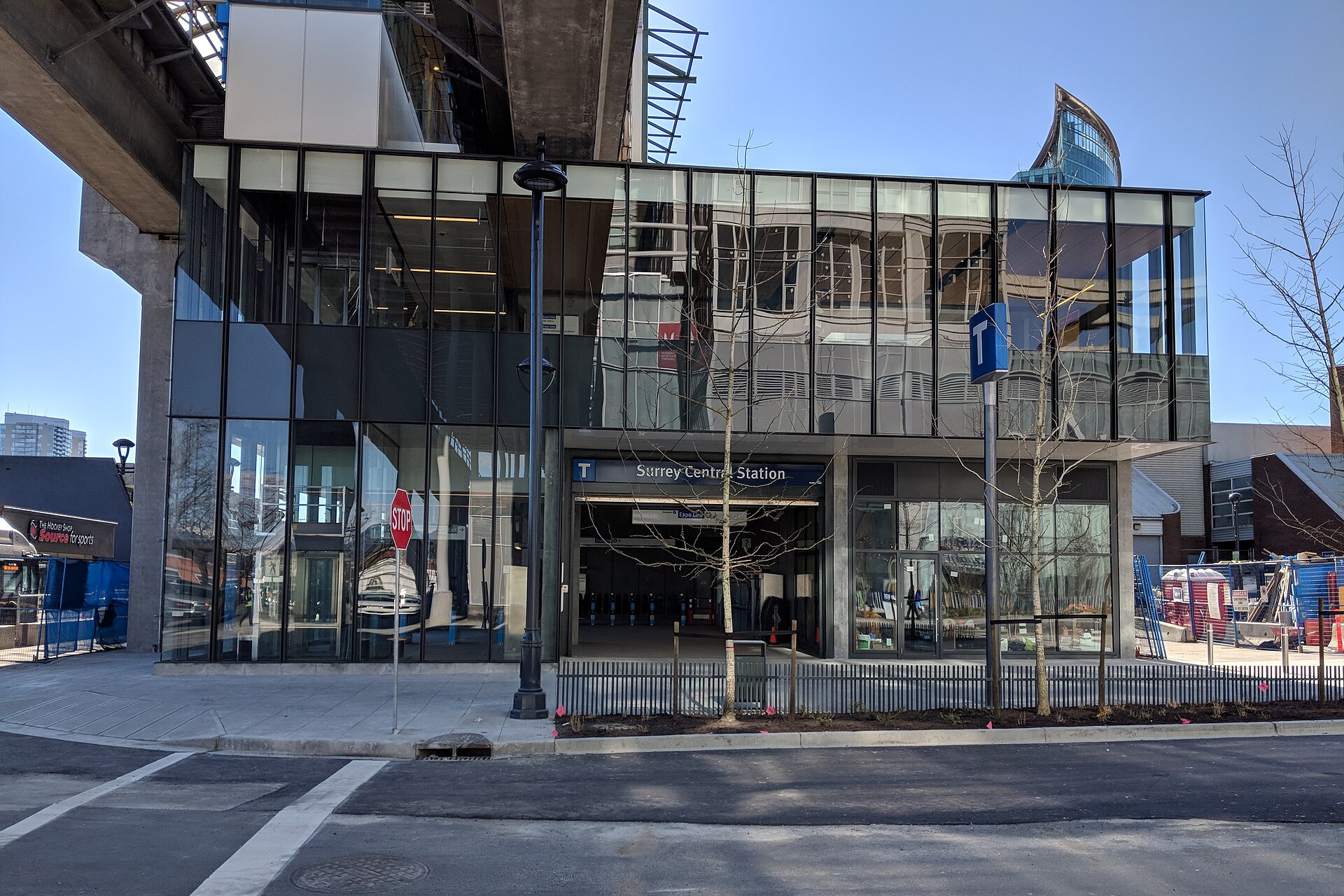
An assignment is when you sell your pre-sale contract to another buyer before completion. It's the escape hatch most people count on, and it's narrower than it looks. Many developers limit or ban assignments, charge a fee, require their consent or restrict how the assignment is marketed. In BC, assignments of pre-sale strata contracts are also reported to the province's Condo and Strata Assignment Integrity Register, and profits can be hit by the BC home flipping tax and federal income tax rules. If you're buying near transit with the idea of assigning later, my roundup of pre-sales near SkyTrain in Surrey shows how many projects are competing for the same buyers.
Read the assignment clause before you sign, not when you need it. If the contract says no assignments, plan as if you'll be closing no matter what.
Risk 4: Builder Delays and Sunset Clauses
The completion date in a pre-sale contract is an estimate. Developers can file amendments to their Disclosure Statement that push it out, and delays from permits, financing, labour or weather are common. Most contracts also carry an outside date, often called a sunset clause: if the home isn't finished by then, either side can cancel and your deposit comes back. In a rising market that can work against you, because the developer gets the home back to sell again at a higher price. In a falling market you may want out, but until the outside date passes, you're still bound.
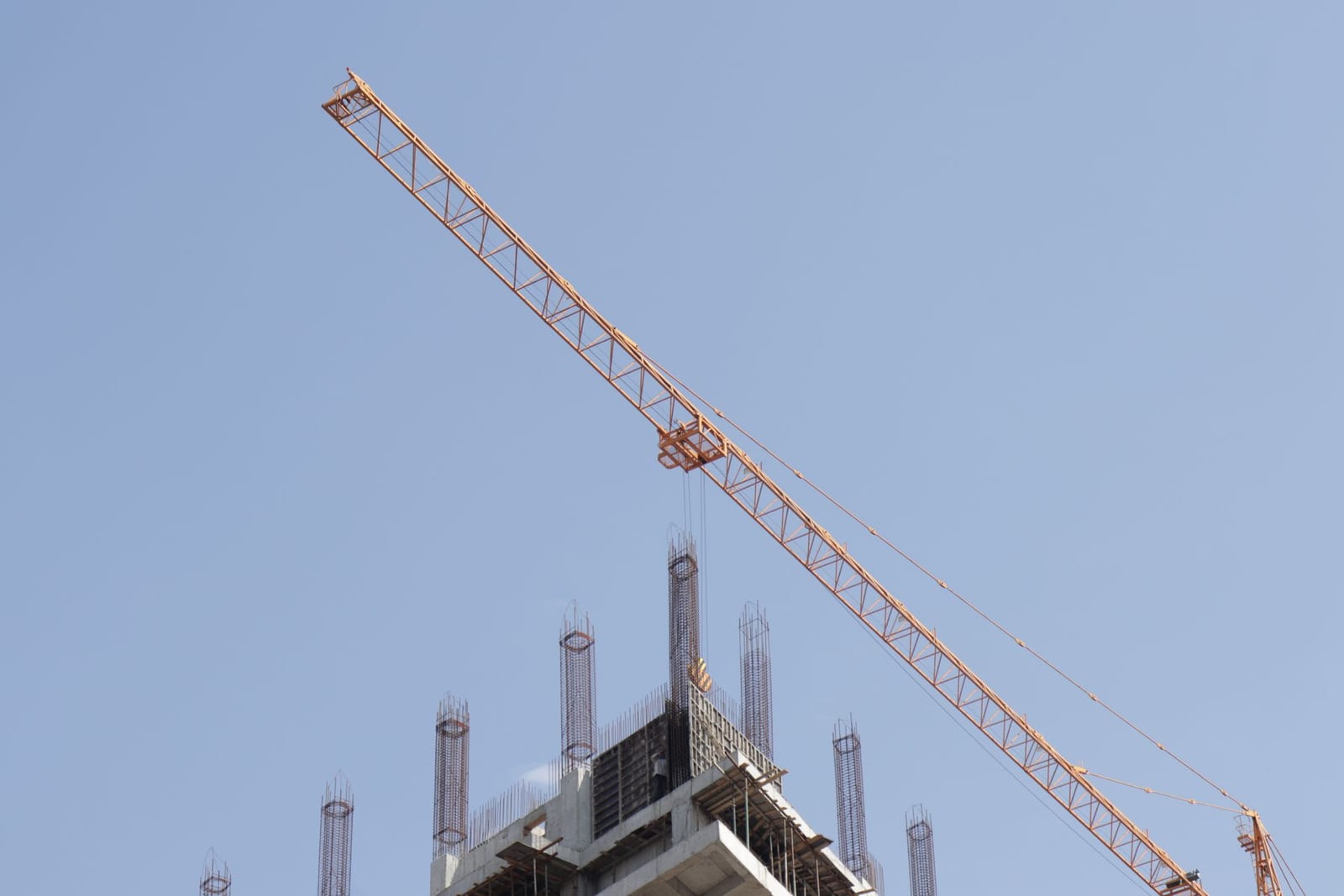
Before you sign, ask how many projects the developer has finished, how close they came to their estimated dates and what the outside date is. Delays on the Surrey-Langley SkyTrain corridor are worth extra care, because many projects there are timed around the line opening. My Surrey-Langley SkyTrain guide covers the stations and timeline.
Weighing a Pre-Sale Against Resale?
Compare active projects, see what resale homes cost today and get the full buying process in one place.
Risk 5: Your Deposit Is Tied Up for Years
Pre-sale deposits in the Fraser Valley often run 10% to 20% of the price, paid in stages. That money sits in trust until completion, and you can't touch it. It earns you little or nothing, it can't go toward another home and it isn't there if life changes. For how the stages usually get structured, see my guide on how much deposit you need for a pre-sale in BC.
How Is a Pre-Sale Deposit Protected in BC?
Pre-sales in BC fall under the Real Estate Development Marketing Act (REDMA), and the regulator is the BC Financial Services Authority (BCFSA). Under REDMA, the developer has to give you a filed Disclosure Statement, which is the legal document describing the project, before you sign. You then have 7 days after signing to cancel by written notice, and your deposit comes back. The developer also has to file an amendment if a material fact changes. Your deposit is held in trust by a brokerage, lawyer or notary, and it can only be released to the developer for construction if a deposit protection contract from an insurer is in place. If a contract is cancelled, BCFSA says all deposits, plus any interest earned, must be returned to you promptly. You can read the full list of your rights on BCFSA's real estate development purchaser rights page.
What that protection doesn't cover matters just as much. It protects you if the developer can't deliver. It doesn't protect you if you can't close. If your financing falls short and you walk away, the developer can keep your deposit and sue you for its losses on resale. That's why the appraisal and financing risks above deserve more of your attention than the developer going under.
Who Carries the Risk?
Here's the honest split between you and the developer for each risk in this guide. Most of it sits with you, which is why the time to manage it is before you sign. If you want help reading a specific contract, my Pre-Sale Help for Buyers page explains how I work with pre-sale buyers in Surrey, Langley and Maple Ridge.
| Risk | Who Carries It | How You Reduce It |
|---|---|---|
| Appraisal below price | You | Cash cushion; compare against resale before signing |
| Completion financing shortfall | You | Re-qualify every 6 to 12 months; no new debt |
| Assignment limits and fees | You | Read the assignment clause; plan to close |
| Construction delays | Mostly you | Check the developer's record and outside date |
| Project cancelled | Shared | Deposit returned under REDMA; you lose time and price |
| Developer can't deliver | Developer | Deposit held in trust or insured |
| Deposit tied up | You | Only commit money you won't need for years |
Who a Pre-Sale Is Not For
A pre-sale makes the most sense if you have stable income, savings beyond the deposit and a plan to live in the home or hold it for the long term. It's a harder fit if your income is commission-based or about to change, if your down payment is everything you have or if you're counting on an assignment profit to make the numbers work. If that sounds like you, a resale home lets you see the actual home, get an appraisal before you're committed and move in within months. For Langley buyers weighing the 2, my pre-sale vs resale breakdown for Langley lays out who each one suits.
Frequently Asked Questions
What are the biggest risks of buying a pre-sale in the Fraser Valley?
The biggest risks are an appraisal below your contract price, a mortgage that no longer qualifies at completion, limits on assigning the contract, construction delays and a deposit locked up for years. With FVREB's October 2026 townhome and condo Benchmarks down 5.5% and 8.1% in a year, the appraisal and financing risks matter most right now.
What happens if my pre-sale appraises for less than I paid?
Your lender lends on the lower of the price or the appraised value, so you cover the gap in cash. On an $820,000 townhome that appraises at $760,000, a buyer planning 20% down would need about $48,000 more than planned. If you can't cover it, you risk breaching the contract and losing your deposit.
Is my pre-sale deposit safe in BC?
Under the Real Estate Development Marketing Act, your deposit is held in trust by a brokerage, lawyer or notary, or released to the developer only when a deposit protection contract from an insurer is in place. If the contract is cancelled, BCFSA says your deposit and any interest earned must be returned promptly. It isn't protected if you're the one who can't close.
How does the deposit structure work on pre-construction homes in Langley and Surrey?
Each developer sets its own deposit structure, and it's usually paid in stages, for example 5% at signing and more over the following months. Totals often run 10% to 20% of the price, and the money stays in trust until completion. Check the exact schedule in the contract and Disclosure Statement for the home you're buying.
Can I cancel a pre-sale contract in BC?
Yes, within 7 days of signing, by giving the developer written notice, and your deposit comes back. After that, you can generally only cancel if the contract or REDMA allows it, for example if the developer misses required filings or the outside date passes.
What is a sunset clause in a pre-sale contract?
A sunset clause sets an outside date for completion. If the home isn't finished by then, either side can usually cancel and your deposit is returned. It protects you from waiting forever, but it also lets a developer cancel and resell at a higher price in a rising market.
Can I sell my pre-sale before it's built?
Only if your contract allows an assignment, and many limit or ban them or charge a fee. Assignments of pre-sale strata contracts in BC are reported to a provincial register, and profits can be taxed under the BC home flipping tax and federal rules. In a falling market you may have to accept less than you paid.
What happens if I can't get a mortgage when my pre-sale completes?
You're still required to close, so you'd need to cover the gap with cash, a co-signer or a different lender, or assign the contract if it's allowed. If you can't close, the developer can keep your deposit and claim its losses from you. Re-qualifying every 6 to 12 months during the build gives you time to fix a shortfall.
The Bottom Line on Pre-Sale Risk
A pre-sale isn't a bad buy, but it's a bet on your own finances and the market 2 to 4 years from now. The deposit protection in BC is solid when the developer is the problem. When the market or your financing is the problem, the risk is yours. Run the appraisal, financing and assignment numbers for your own situation before you sign, keep a cash cushion through the build and treat an assignment as a backup, not a plan. Do that, and a pre-sale can still be one of the better ways into a new home in the Fraser Valley.
Sources: FVREB October 2026 statistics package; BCFSA real estate development purchaser rights page and the Real Estate Development Marketing Act, read November 19, 2026. All worked examples are illustrative.
Related Reading
- Pre-Sale vs Resale in Maple Ridge
- Best Pre-Sales Under $600,000 in the Fraser Valley
- Should You Buy Near the Surrey-Langley SkyTrain?

Alex Dunbar
Real Broker BC Ltd. | Living in the Lower Mainland
Buying, selling or investing in the Lower Mainland? Whether you're new to the area or a longtime local, I'll help you make the right move. Book a 30-minute no-pressure call with me and we'll go over your goals, timeline and budget.
Sources: FVREB statistics, BCFSA public guidance and the Real Estate Development Marketing Act
Accuracy and Changes
The details on this page were accurate to the best of our knowledge as of November 19, 2026. Pre-sale pricing, deposit structure, incentives, floorplans, unit sizes, availability and completion timing are set by the developer and can change at any time without notice. Where a figure is an estimate or an illustration, it is identified as one. Information on this page is compiled from sources believed reliable but is not guaranteed.
This is an independent guide. It is not any developer's marketing material, it has not been reviewed or approved by any developer, and nothing here is an offer to sell or a solicitation of an offer to buy. In British Columbia the developer's Disclosure Statement is the governing document for a pre-sale purchase and prevails over anything stated on this page. Any offering for sale may only be made by way of a Disclosure Statement under the Real Estate Development Marketing Act (REDMA).
This communication is not intended to solicit buyers or sellers already under contract with another REALTOR®. If you are currently working with another licensed real estate professional, please disregard this information.
Alex Dunbar Personal Real Estate Corporation, REALTOR®, licensed in British Columbia with Real Broker BC Ltd. under the Real Estate Services Act. Member of FVREB and regulated by the British Columbia Financial Services Authority (BCFSA).
Errors and omissions excepted.
Categories
Recent Posts




GET MORE INFORMATION