
Condo vs Townhome in BC: What Actually Changes When You Buy
A condo and a townhome in BC are often both strata properties, so the real difference isn't the monthly fee on the listing. It's what that fee pays for, how healthy the reserve fund is, how you live day to day and what the bylaws let you do. If you want one-level living with no yard, a condo usually fits better. If you want more space and no one above or below you, a townhome usually does, as long as the strata's paperwork holds up.
Condo or Townhome: Start With What They Share
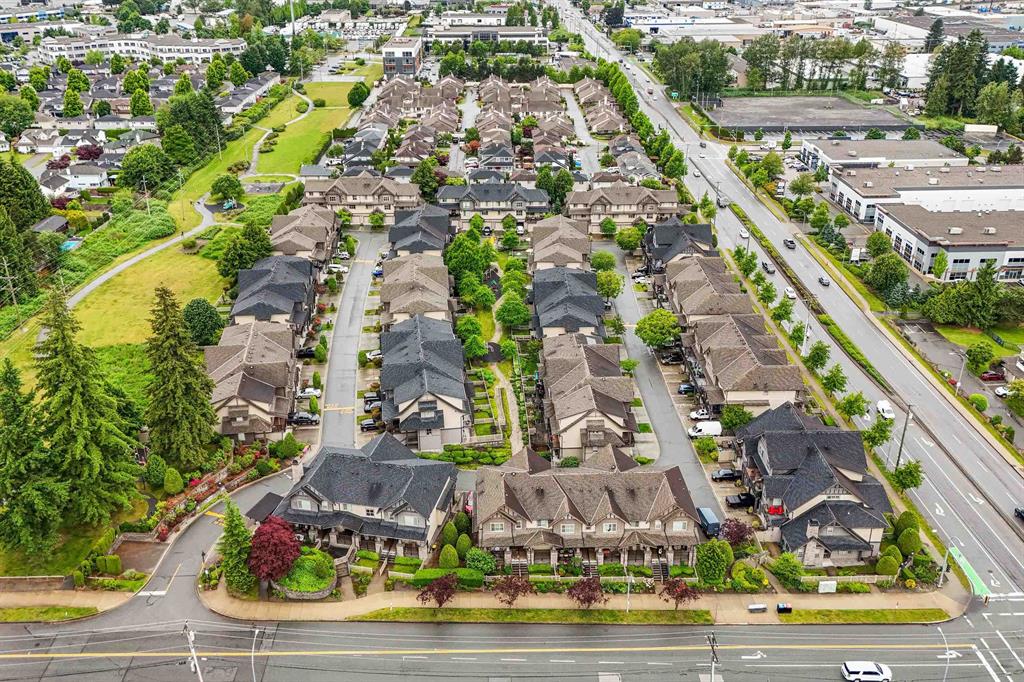
If you're choosing between a condo and a townhome, you're probably comparing two monthly fees and two floor plans. That's a fair place to start, but it can steer you wrong, because many townhomes in BC are strata properties too. That means both can come with a strata corporation, bylaws, a budget and a reserve fund, and both come with paperwork you should read before you write an offer.
This post walks through where the two really differ: what the fee covers, the documents that show a building's health, space and noise, pets and rentals, resale and who each one isn't for. If you're downsizing and also weighing a rancher, my guide to downsizing to a 55+ strata, rancher or condo covers that choice in more detail.
What Your Strata Fee Actually Pays For
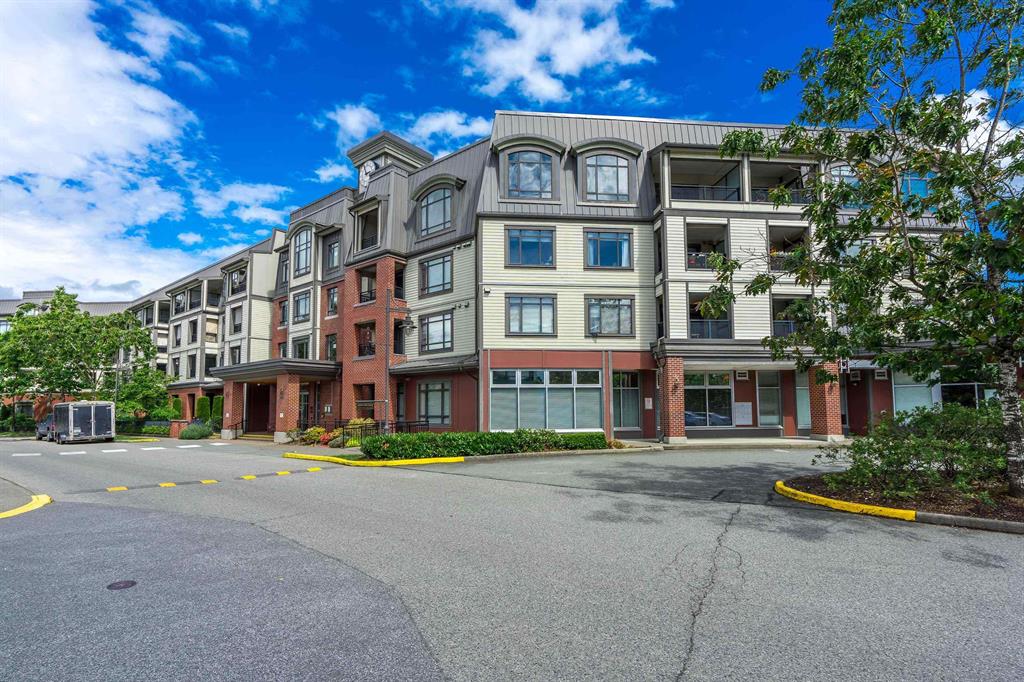
Your strata fee goes into two pots. The Province of BC describes the operating fund as money for shared costs that come up once a year or more, like utilities, cleaning, minor maintenance and the building's insurance. The second pot is the contingency reserve fund, which pays for big costs that come up less than once a year, like a new roof or an elevator upgrade.
Your share is usually set by unit entitlement, a number given to each home that's often based on its size, so a bigger unit normally pays more. In a condo building, the fee spreads the cost of hallways, elevators, roofs and any amenities across every owner. In a townhome complex there's often less shared building to fund, but don't assume that means less for you to cover. Ask which repairs the strata pays for and which ones land on you as the owner, because that split decides what a low fee is really worth.
Reserve Funds, the Form B and the Depreciation Report
The reserve fund is where a strata saves for those big repairs. Since November 1, 2023, every BC strata has had to put at least 10.0% of its yearly operating budget into it, according to the Province's contingency reserve fund page. That's a minimum. The Province says contributions should be made with the depreciation report in mind, so a healthy fund is one sized against the repairs that are actually coming.
Those repairs are laid out in the depreciation report, a plan covering 30 years of repair, maintenance and renewal of common property. Since July 1, 2024, strata corporations with 5 or more lots have had to get one on a 5-year cycle. If a low fee sits next to an aging roof and a thin reserve fund, the cost doesn't disappear. It can come back as a special levy, a one-time charge to owners, which the Province lists as another way a strata pays for shared costs.
The Form B is your starting document. It's the strata's information certificate, it discloses information about the strata lot and the strata corporation and since April 1, 2023 it has to include a summary of insurance coverage. An owner or buyer can request one, the strata has 7 days to provide it and the maximum charge for the certificate is $35, per the Province's Form B page, published September 1, 2026.
Read the Form B, the minutes and the depreciation report together, because each one fills gaps in the others. For a walk through every document in the package, see my guide on how to read strata documents.
Tools & Resources
Run the numbers on both and see which areas fit before you compare specific homes.
Space, Noise and Yard
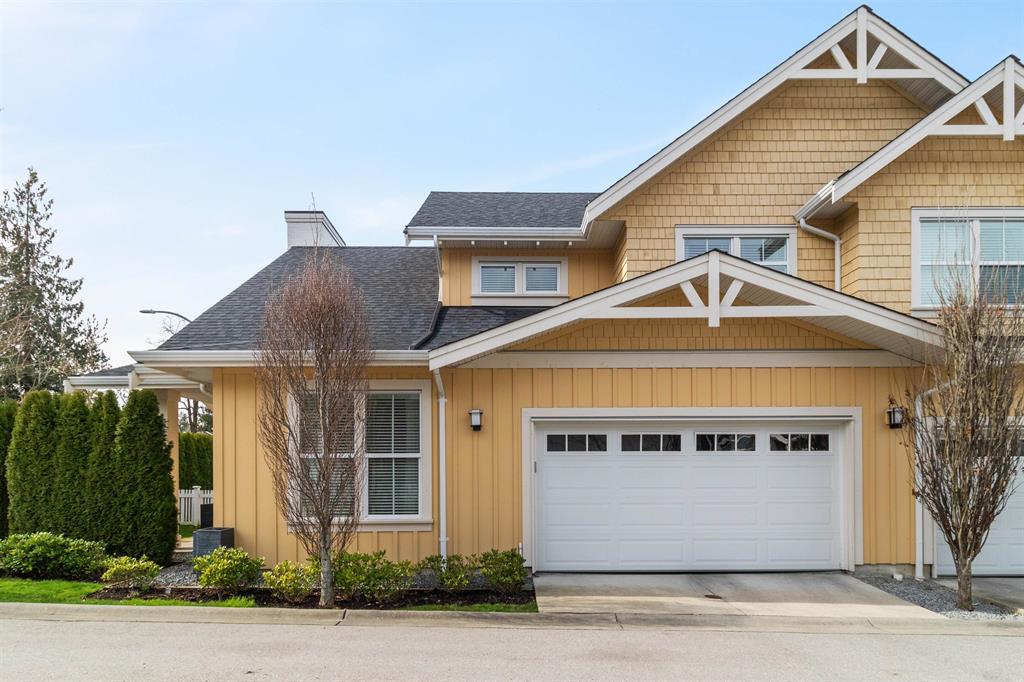
This is where you'll feel the difference every day. In a condo you can share walls, a floor and a ceiling with neighbours, so how sound travels through the building matters a lot, especially if you work from home. Ask how the building was put together and, if you can, go back in the evening when people are home.
A townhome usually means no one living above or below you, and often a small yard or patio. The trade is stairs and, depending on what the strata covers, some upkeep. If you'd rather never touch a lawnmower or clean a gutter, be honest about that now, because a townhome's outdoor space can be a chore as well as a perk.
Pet and Rental Bylaws
The rules follow the strata, not the home type. A strata can ban pets, limit how many you keep or limit the kind (no dogs over 20kg, for example), according to the Province's pet bylaw page. If a new pet bylaw passes while your pet already lives there, your pet can stay, but a replacement has to meet the new rule.
Rentals changed on November 24, 2022. Since then, no BC strata can have a bylaw restricting long-term rentals, and older rental restrictions are invalid, per the Province's summary of strata law changes. Bylaws limiting short-term rentals are still allowed. So if you might rent the home out later, a condo and a townhome are on the same footing for long-term tenants, but read the bylaws if you're thinking about short-term rentals.
Resale: The Next Buyer Reads the Same Paperwork
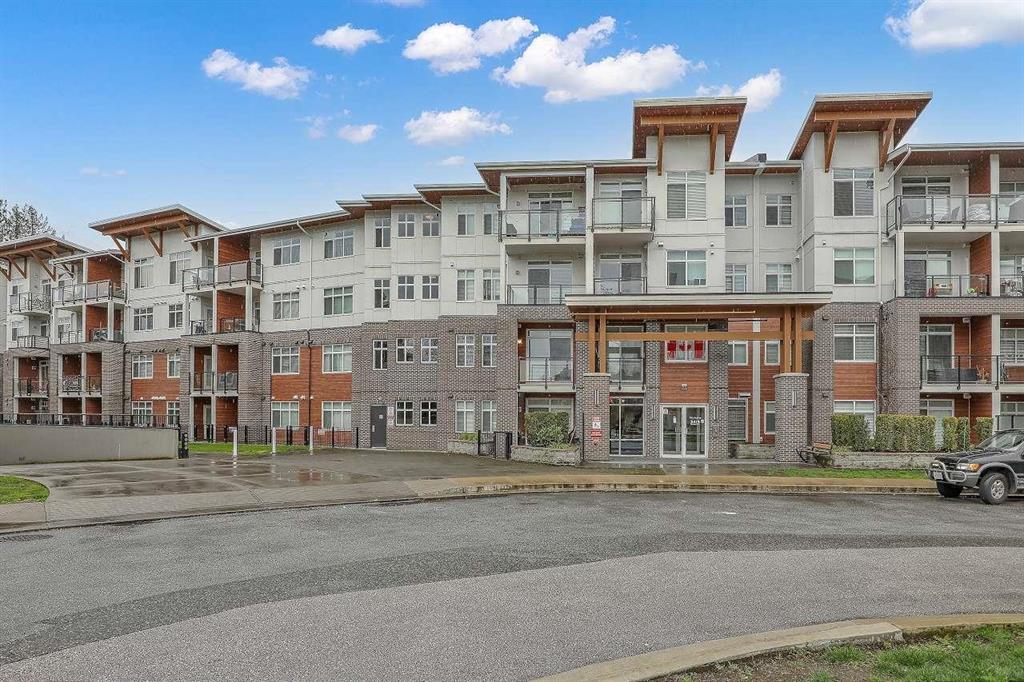
When you sell, the next buyer will ask for the same Form B, minutes and depreciation report you did. A building that's kept up with repairs and has a reserve fund that matches its plan is easier to sell than one with a big repair coming and little saved for it. That's true of a condo and a townhome complex alike, as long as both are strata.
In a townhome complex, roofs, siding and decks are big-ticket items, so check how the strata plans to pay for them. In a condo, look at what the depreciation report says about the roof, the elevators and the building envelope, meaning the walls, windows and roof that keep water out. My list of things to know before buying a condo in BC goes further on the condo side.
Who Each One Isn't For
Neither is automatically better. The clearest way to choose is to be honest about which one doesn't fit the way you live.
- •A condo isn't for you if: you need room to spread out. A big dog, a workshop or a serious garden habit can feel cramped fast, and sound through shared walls bothers some people far more than others.
- •A townhome isn't for you if: you want one-level living. Stairs every day and outdoor space to look after wear thin if you'd rather lock the door and leave for the weekend.
If you're already in a condo and wondering when moving up makes sense, I've written about upsizing from a condo to a townhouse or house and when the numbers work.
What to Check Before You Write an Offer
Whichever one you lean toward, I'd check these 3 things on the specific home before you write an offer.
- •The documents: the Form B, the last 2 years of strata minutes and the depreciation report, read side by side.
- •The reserve fund against the plan: compare what's in the fund with the repairs the depreciation report says are coming, not just the monthly fee.
- •The bylaws: pets, short-term rentals and anything else you need, checked against how you actually live.
If you'd like help comparing a condo and a townhome side by side, I'm happy to go through the paperwork with you.
Thinking About Buying or Selling?
The best first step is a quick conversation. Pick a time in the calendar that works for you and we'll talk it through.
Frequently Asked Questions
Are townhomes in BC strata properties?
Many are. A townhome in a complex with shared roads, landscaping or buildings is often a strata, with a strata fee, bylaws and a reserve fund just like a condo. Ask for the Form B to confirm.
What does a strata fee pay for?
Two funds. The operating fund pays for shared costs that come up once a year or more, like utilities, cleaning, minor maintenance and insurance. The contingency reserve fund pays for big costs that come up less often, like a roof replacement.
How much does a BC strata have to put into its reserve fund?
Since November 1, 2023, at least 10.0% of its yearly operating budget, according to the Province of BC. That's the minimum, so check the fund against the repairs in the depreciation report.
Can a strata ban rentals in BC?
Not long-term rentals. Since November 24, 2022, no BC strata can have a bylaw restricting long-term rentals, and older rental restrictions are invalid. Bylaws limiting short-term rentals are still allowed.
Can a strata ban pets?
Yes. A strata can ban pets or limit their number or kind. A pet already living in the home when a new pet bylaw passes can stay, but a replacement has to meet the new bylaw.
What is a Form B and how much does it cost?
The Form B is the strata's information certificate. An owner or buyer can request one, the strata must provide it within 7 days and the maximum charge is $35, per the Province of BC's Form B page (September 1, 2026).
How often does a strata need a depreciation report?
Since July 1, 2024, strata corporations with 5 or more lots must get one on a 5-year cycle. It plans 30 years of repair, maintenance and renewal of common property.
Sources: Province of BC strata housing pages (budgeting and strata fees, contingency reserve fund, depreciation reports, Form B, pet bylaws, changes to legislation). Read November 9, 2026.

Alex Dunbar Personal Real Estate Corporation
REAL Broker BC Ltd. | Living in the Lower Mainland
Buying, selling or investing in the Lower Mainland? Whether you're new to the area or a longtime local, I'll help you make the right move. Book a 30-minute no-pressure call with me and we'll figure out what works best for you.
Categories
Recent Posts




GET MORE INFORMATION