
The Real Pros & Cons of Living in Surrey
The Real Pros & Cons of Living in Surrey, BC
Surrey's townhome and condo Benchmark prices sit about 35% below Vancouver's, more than 700,000 people live here, and it's one of BC's fastest-growing cities. That combination attracts a lot of buyers, but growth comes with real trade-offs. The neighbourhood you choose inside Surrey matters far more than the city label on your address.
What It's Like to Live in Surrey
Surrey does not offer one single living experience. It is a geographically large city, about 2.7 times the land area of Vancouver, with more than 700,000 residents (BC Stats estimated 733,760, as published by the City of Surrey in December 2025). That spread means the pace of life, walkability, and daily convenience shift dramatically depending on which corner of the city you land in.
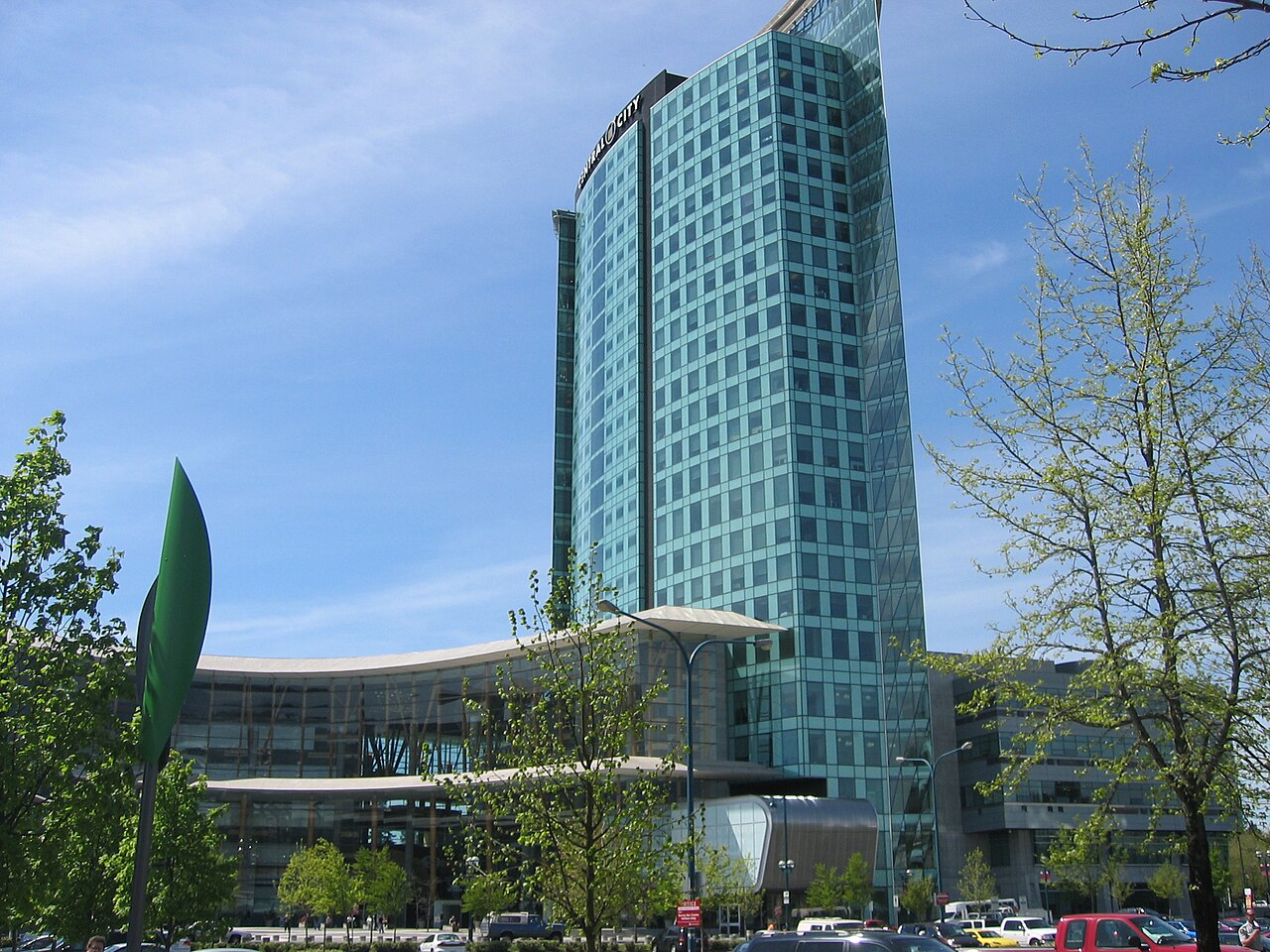
South Surrey near the border feels completely different from Whalley near the SkyTrain, and both feel different again from Cloverdale's more suburban layout. Entire neighbourhoods exist that many buyers have never driven through before forming strong opinions about the city as a whole.
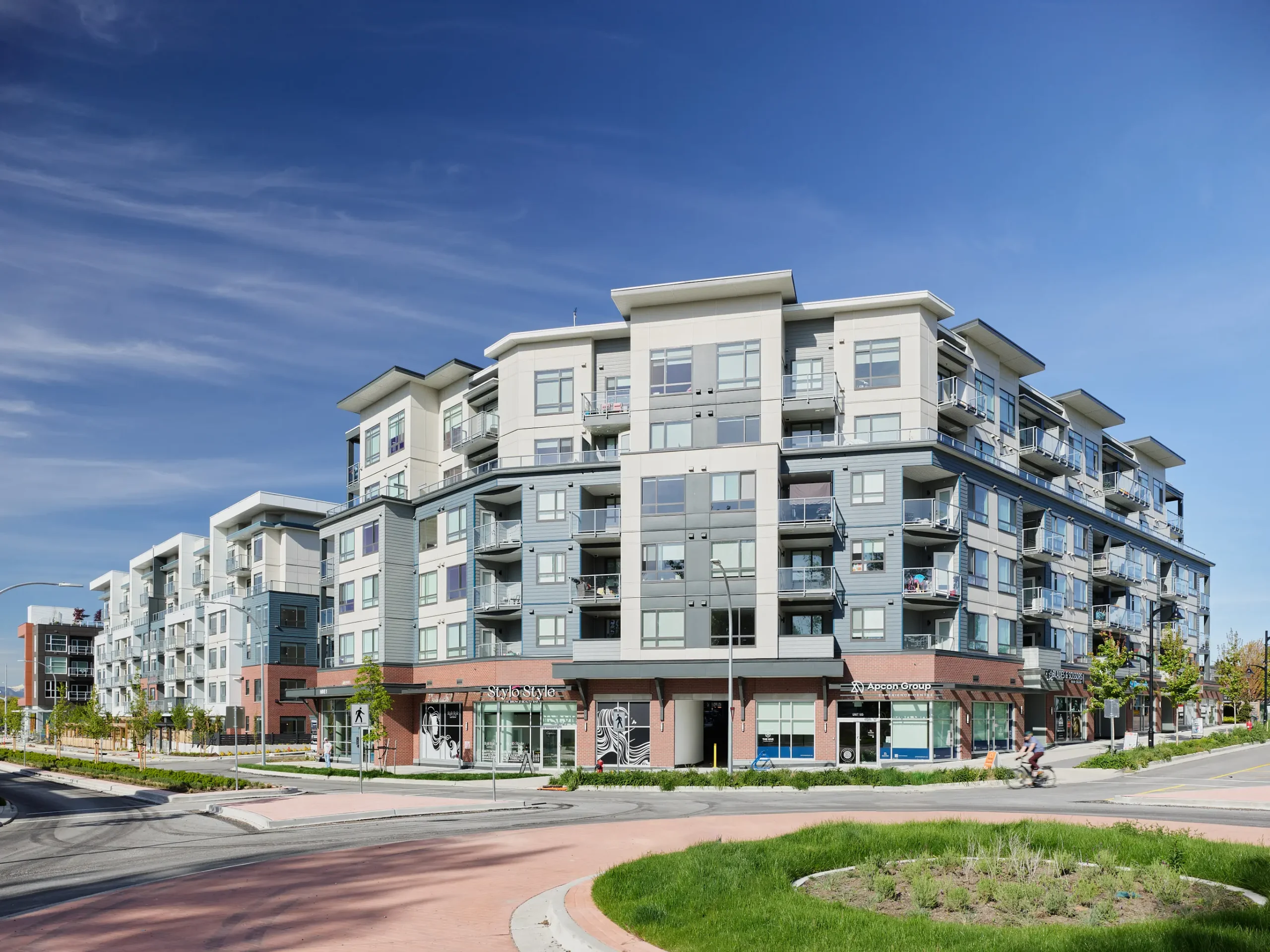
The city is also still actively being built. Cranes in City Centre, road expansions on major corridors, and master-planned communities rising in areas that used to feel quiet are all part of daily life right now. If you prefer mature streetscapes where everything is already finished, pockets of Surrey do offer that. But much of the city is mid-transformation, and living through that has its own set of trade-offs worth understanding before you commit.
Surrey Gets These Things Right
Affordability is the headline reason buyers look here, and the gap is real. Compared to many nearby cities in Greater Vancouver, Surrey can mean an extra bedroom, a yard, or simply less financial pressure every month. For buyers thinking in terms of a 5 to 10 year plan, that difference compounds.
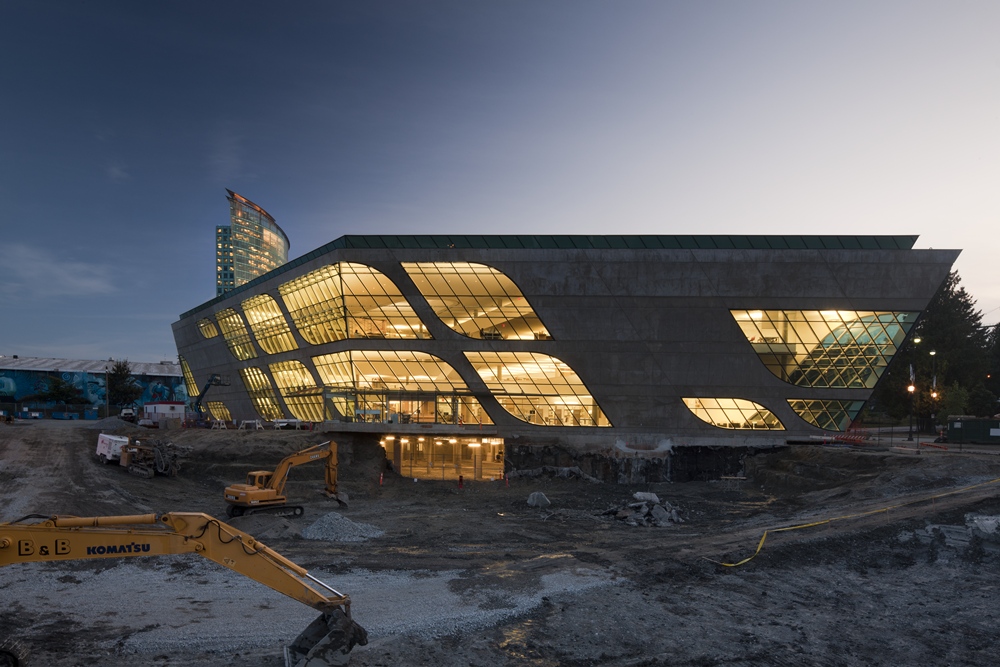
Transit infrastructure is another genuine strength. The Expo Line already connects City Centre to downtown Vancouver, and the Surrey-Langley SkyTrain extension is reshaping how buyers evaluate that entire corridor. It adds 16 km of elevated track and 8 new stations from King George to Langley City Centre, with service expected in late 2029 (Province of BC). Proximity to rapid transit can make a meaningful difference in daily life compared to more car-dependent areas, and over a longer hold period it tends to support resale value as regional traffic intensifies.
Green space is a quieter strength. The City counts more than 800 parks, about 200 with amenities and about 600 natural areas, plus more than 650 km of trails and paths (City of Surrey).
Cultural diversity and a growing food scene round out the picture. Surrey is one of the most multicultural cities in BC, and that shows up in schools, small businesses, community events, and restaurants across different neighbourhoods. For many families, that diversity becomes a genuine day-to-day lifestyle benefit, not just something they notice on weekends. It also supports strong local commercial activity that smaller, more uniform communities often lack.
Job growth inside the city is adding to this. More commercial space, medical facilities, and offices mean some residents can now work locally rather than commuting into downtown Vancouver every day.
The Trade-Offs to Know About
Growth in Surrey is real, and so are its friction points. Density often arrives before roads, schools, and services are ready to support it. School crowding in certain catchments, road work that can reroute your commute for months, and construction noise starting early in the morning are all part of living inside a city that is still catching up to its own population.
Transit proximity is more nuanced than it first appears. Being close enough to walk to a SkyTrain station is a genuine advantage. Being right on top of one is a different story. Higher-density pockets near stations tend to carry more investor-driven inventory, which means those areas can feel pricing pressure first when interest rates rise or buyer confidence drops. Some station-adjacent areas also carry a higher concentration of social challenges that affect how the neighbourhood feels day to day.
The Trade-off: Surrey's upside is long-term. The short-term reality includes construction disruption, traffic that intensifies before infrastructure catches up, and segments of the city where the gap between perception and lived experience is wide. If you want a city that feels finished and polished right now, Surrey may frustrate you. That is not a knock on the city; it is just an honest read of where it sits today.

Cost of Living in Surrey
The price gap with Vancouver is the figure most buyers lead with, and it's a meaningful one. In August 2026, the City of Surrey's Benchmark prices were $1,407,800 for a detached home, $764,900 for a townhome and $450,800 for a condo (Fraser Valley Real Estate Board). Vancouver has no single combined figure, so the fair comparison is Vancouver East and Vancouver West (Greater Vancouver REALTORS, August 2026): Surrey townhomes and condos come in about 35% below the average of the two. For detached homes, the gap runs from about 13% below Vancouver East to about 52% below Vancouver West. It can translate into a larger home, an extra bedroom, a yard, or simply a mortgage that leaves room to breathe each month. For buyers comparing Surrey to other nearby cities in Greater Vancouver, that gap is often what makes a move here financially viable in the first place.
If you push the comparison further and look at detached homes relative to West Vancouver specifically, the gap is about 51%: Surrey's detached Benchmark of $1,407,800 sits that far below West Vancouver's $2,849,200 (August 2026). That said, West Vancouver is its own distinct market conversation and not the typical benchmark most relocating buyers are working from.
Affordability does not exist in isolation, though. The lower purchase price often comes paired with a longer or more complex commute, a neighbourhood that is still developing, or distance from established job centres. More space without lifestyle alignment does not feel like a win over a 5 to 10 year hold. Buying in Surrey because it is cheaper is short-term thinking. Buying here because it positions you inside one of BC's fastest-growing urban corridors while giving you room to grow is a different calculation entirely.
Thinking About Buying or Selling in Surrey?
The best first step is a quick conversation. Pick a time in the calendar that works for you and we'll talk it through.
Neighbourhoods at a Glance
Treating Surrey as one uniform place is one of the fastest ways to misalign expectations before you move in. The city is made up of distinct neighbourhoods, each with its own character, pace, and trajectory.
- City Centre (Whalley): The most urban feel, with SkyTrain access, cranes on the skyline, and ongoing high-density development. Higher investor-driven inventory near transit hubs. Feels transitional right now.
- South Surrey: Closer to the US border, more suburban, and generally quieter. Feels finished compared to City Centre. Different commute profile entirely.
- Cloverdale: More traditional suburban layout, lower density, community-oriented feel. Appeals to buyers who want a quieter pace without going further out of the region. The Surrey-Langley SkyTrain has no Cloverdale station; Clayton is the closest stop.
- Fleetwood & Newton: Established residential areas with their own commercial corridors. Diversity is high, and the day-to-day feel varies noticeably by specific street and pocket.
Small location differences within Surrey can create completely different daily experiences. Where you land within the city shapes your life here far more than the Surrey label on your address ever will.
Schools & Family Life
Surrey's growth has a direct effect on schools. New families are arriving faster than some catchments can absorb them, which means school crowding is a real consideration in certain areas. It is not a citywide problem, but in higher-growth pockets near new developments it is worth checking before you choose a neighbourhood.
University expansion inside the city is a longer-term positive. SFU's new Stephens Family School of Medicine welcomed its first 48 students in Surrey in August 2026 (SFU), and the City is setting aside land in City Centre for a planned UBC Surrey campus (City of Surrey). UBC runs a health-programs training site beside Surrey Memorial Hospital today, but a full campus isn't open yet. As post-secondary infrastructure grows, it supports local job creation and reinforces the case for living and working in the same place rather than commuting out.
For families, the diversity of the city is often a genuine draw. Kids grow up alongside peers from many different cultural backgrounds, and that exposure shows up in schools, community programs, and everyday routines rather than just on special occasions.
The demographic mix is not evenly distributed across Surrey, though. Some neighbourhoods feel broadly multicultural while others are more concentrated in one direction. That affects everything from local businesses to community events to how connected a family feels in a given area. Spending time in a neighbourhood at different times of day before committing gives you a much clearer read than listing photos or school ratings alone can provide.
Commute & Transportation
Traffic congestion is real in Surrey and it is not resolving overnight. Major routes including King George Boulevard, 152nd Street, Highway 1 access points, and bridge corridors toward Richmond and Vancouver can all bottleneck during peak hours. What looks manageable on a Saturday afternoon can feel completely different at 7:45am on a Tuesday when you're trying to get to work and drop kids at school.
Over a 5 to 10 year hold, that daily commute stress adds up in ways most buyers do not factor in when they are comparing home prices online.
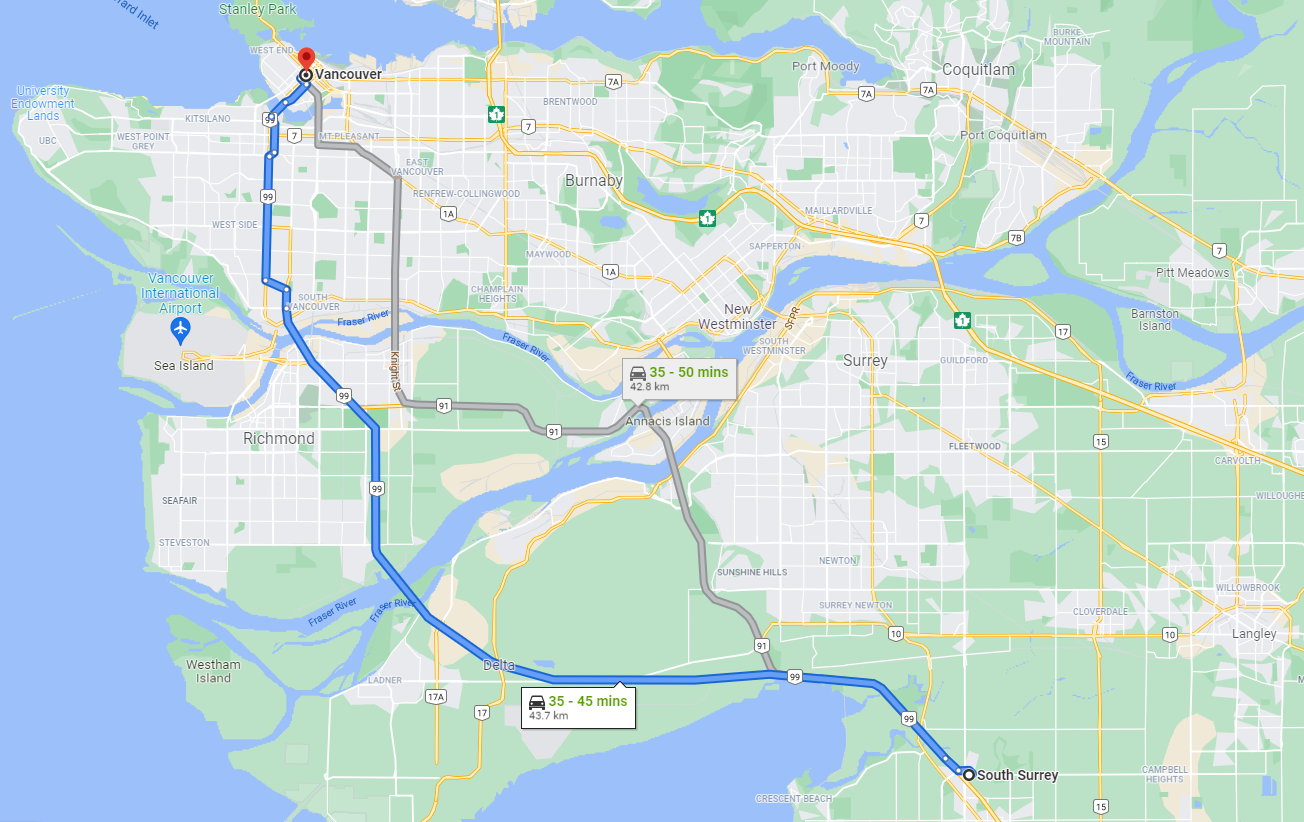
The SkyTrain is the counterweight here. The Expo Line already connects City Centre to downtown Vancouver, about 40 minutes from King George to Waterfront on TransLink's timetable, and the Surrey-Langley extension is expanding that reach. For buyers who can situate themselves within walking distance of rapid transit, the daily experience shifts considerably compared to car-dependent areas.
Job growth inside the city is also slowly changing the commute equation. As more commercial space and offices open within Surrey, some residents are finding work locally. Cities that develop their own job base hold up better across market cycles because they stop functioning purely as bedroom communities. That shift is underway, but if you are commuting today, plan around today's reality, not what Surrey might look like several years from now.
Is Surrey Right for You?
The real question is not whether Surrey is good or bad in some absolute sense. It is whether your stage of life, commute pattern, and comfort level with change align with a city that is still actively evolving.
Surrey works well for buyers who think in terms of a 5 to 10 year plan, who are comfortable living through some short-term construction and commute friction, and who take the time to match a specific neighbourhood to their actual daily habits. It works less well for buyers who want a polished, finished city right now, or who are moving here purely because it is cheaper without thinking through what the trade-offs actually feel like on a Tuesday morning.
Crime reputation is worth naming directly. Surrey carries a label that is often years behind where the city actually is today. Crime is not evenly spread across the city, and where you buy within Surrey matters far more than the city label itself. The same logic applies to Vancouver: judging the whole city by one small pocket would lead most people to the wrong conclusion. Surrey works the same way.
Policing is also mid-change. The Surrey Police Service became the police of jurisdiction on November 29, 2024, but the transition from the RCMP isn't finished: SPS says it's still in Phase 2, with Phase 3 (transition complete) estimated for 2026/27 (Surrey Police Service).
Narrow your focus to two or three neighbourhoods that genuinely match how you live before you start looking at listings. Walk those areas at different times of day. Map your real commute on a weekday morning, not a Saturday afternoon. That groundwork is what separates buyers who settle in comfortably from those who wish they had chosen differently.
Frequently Asked Questions
Is Surrey safe to live in?
Safety in Surrey is highly neighbourhood-specific. The city's reputation often lags years behind its current reality, and crime is not spread evenly across such a large, geographically spread-out city. A quiet residential street 10 minutes from a busy commercial corridor can feel completely different day to day. Location within Surrey matters far more than the city label.
How much cheaper is Surrey than Vancouver?
Using August 2026 Benchmark prices, Surrey townhomes and condos run about 35% below the average of Vancouver East and Vancouver West. For detached homes, the gap runs from about 13% (against Vancouver East) to about 52% (against Vancouver West), and it's about 51% against West Vancouver, though that's a very different market from the one most relocating buyers are weighing.
Is the SkyTrain useful for commuting from Surrey to Vancouver?
Yes, the Expo Line connects Surrey City Centre to downtown Vancouver. The Surrey-Langley extension is expanding that reach further. Being within walking distance of a station makes a meaningful difference in daily life, though buying directly beside a station brings its own trade-offs around density and short-term price volatility.
Which neighbourhood in Surrey is best for families?
There is no single answer because Surrey's neighbourhoods vary so much. South Surrey and Cloverdale tend to feel quieter and more suburban. City Centre is more urban and transitional. School crowding is a real factor in some high-growth pockets. Walking your shortlisted neighbourhoods at different times of day gives you a clearer read than any ranking will.
What are the biggest downsides of living in Surrey?
Traffic congestion on major corridors and bridge routes is the most consistent friction point. School crowding in certain catchments, construction disruption in high-growth areas, and higher-density pockets near transit hubs that carry more volatility are also real considerations. These are short-term costs inside a city with long-term growth positioning.
Related Reading
- Ranking EVERY Surrey Area From WORST to BEST
- If I Were Moving to Surrey in 2026, I'd Move Here
- DON'T Move to the WRONG Neighbourhood in Surrey!
- 10 NEW Reasons Why You Shouldn't Move to Surrey BC
- The Surrey Condo Market Trend No One's Talking About
Subscribe on YouTube: Living in the Lower Mainland

Alex Dunbar Personal Real Estate Corporation
REAL Broker BC Ltd. | Living in the Lower Mainland
Buying, selling or investing in Surrey and the surrounding cities? Whether you're new to the area or a longtime local, I'll help you make the right move. Book a 30-minute no-pressure call with me and we'll figure out what works best for you.
Categories
Recent Posts






GET MORE INFORMATION