
Surrey's Condo Market Is Splitting in Two: Here's What That Means for Buyers
Surrey's Condo Market Is Splitting in Two , Here's What That Means for Buyers
The Surrey condo market isn't just "struggling." That's the headline, but it's only half the story. What's actually happening is more nuanced and, honestly, more useful to understand if you're thinking about buying, selling, or investing right now. There's a clear divide forming between condos that are under serious pressure and condos that are holding up surprisingly well , and the difference between those two groups comes down to something pretty fundamental: who the unit was actually built for.
If you've been watching MLS stats and wondering why the numbers don't quite match what you're hearing on the ground, there's a good reason for that. A significant portion of what's really happening in this market isn't visible in the data most people look at. Understanding the full picture is the difference between making a smart move and a costly one.
The Shadow Inventory Problem Nobody Talks About
Across Metro Vancouver and the Fraser Valley, estimates suggest there are somewhere between 2,500 and 3,000 completed condos sitting empty right now. These aren't rentals. They're not resale listings. They're brand new, finished homes that were built, completed, and expected to sell , but didn't. Compared to a year ago, that number has roughly doubled. We're looking at the highest level of completed unsold condo inventory in over 20 years.
📌 Here's the catch: most of this inventory is invisible to the average buyer or seller. Developers aren't required to publicly list or report unsold units, which means the typical MLS stats, months-of-inventory numbers, and sales data most people rely on simply don't capture it. This is what's called shadow inventory, and it's very real, even if it doesn't show up in the charts.
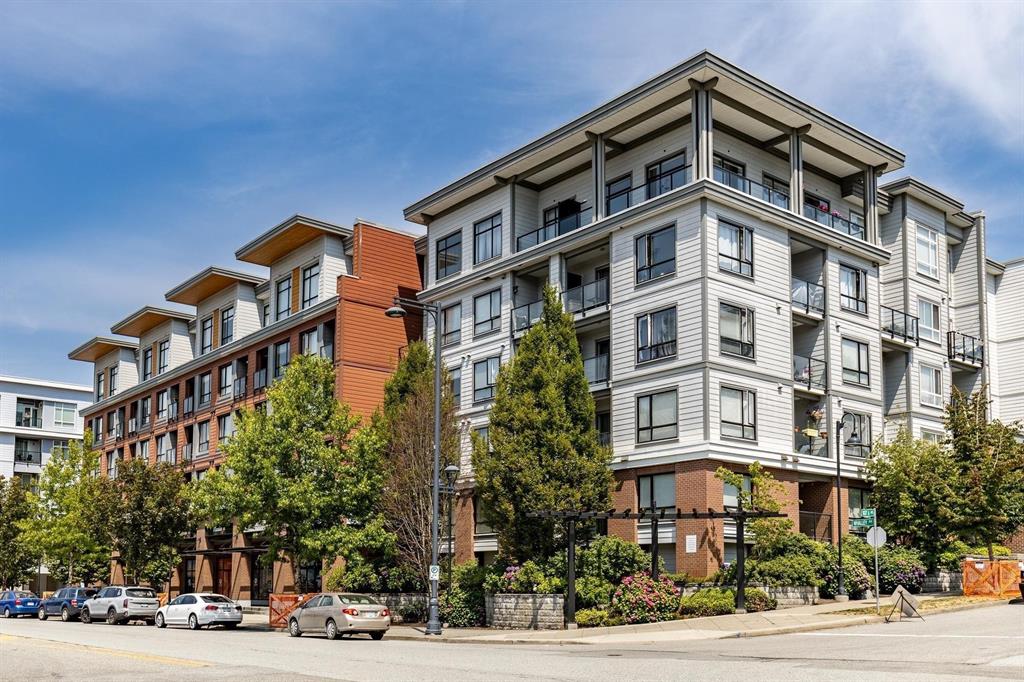
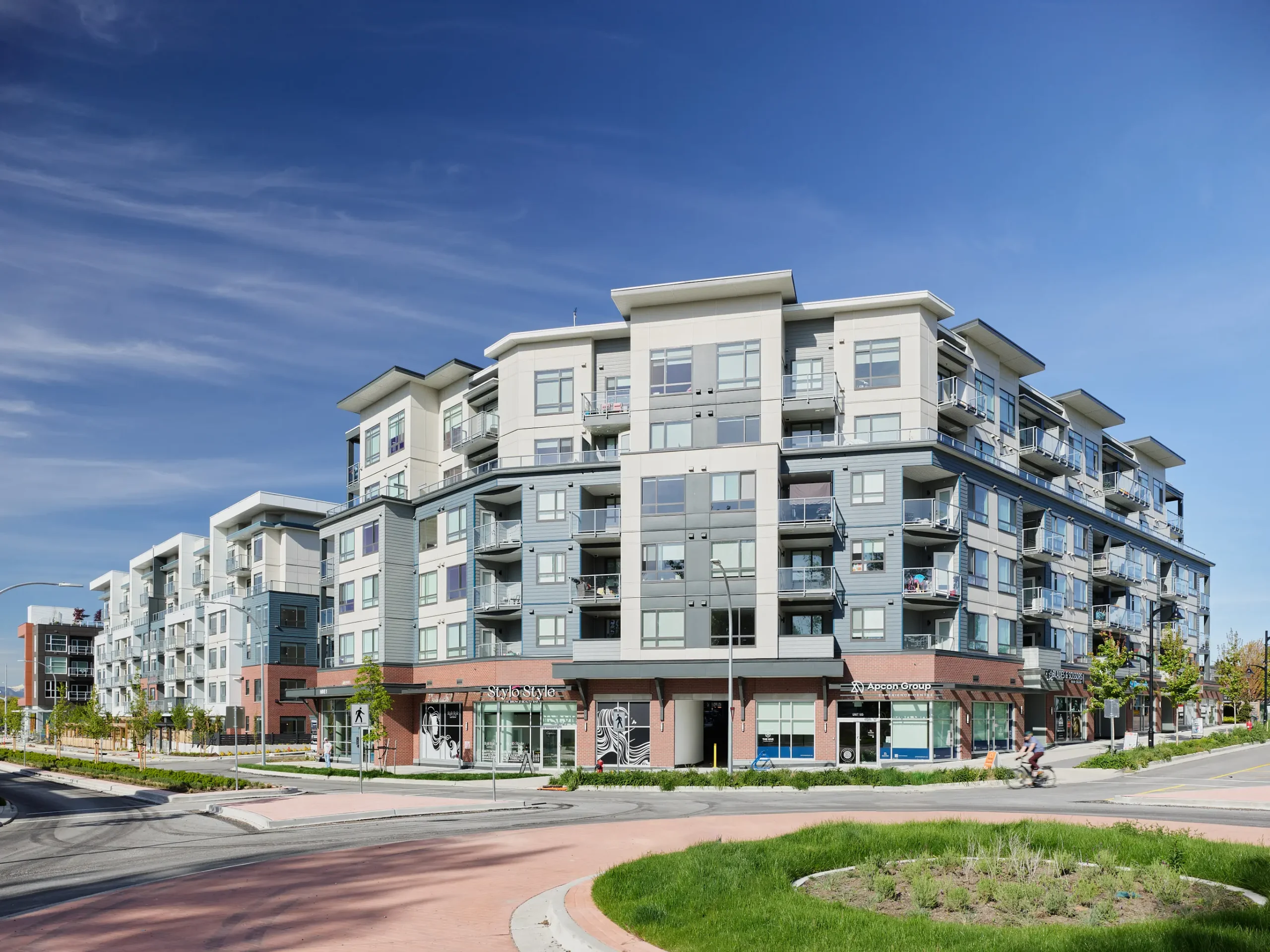
This problem isn't spread evenly across the region, either. It's concentrated in specific pockets that saw aggressive pre-sale activity between 2020 and 2022: Coquitlam, Brentwood, Willoughby, and especially Surrey City Centre. In Surrey City Centre alone, there are hundreds of unsold condos sitting in completed buildings, and they're overwhelmingly small studios, micro-units, and tight one-bedroom apartments , the kind of product that was pre-sold at prices upwards of $1,200 per square foot during the hype years. Today, comparable condos in the resale market are trading closer to $850 to $900 per square foot, and in some cases lower. That pricing disconnect is enormous.
How Did We Get Here? The Investor-Driven Pre-Sale Problem
The root cause isn't complicated once you understand the incentives that drove the pre-sale market. Between 2020 and 2022, developers optimised for what sold quickly and at the highest price per square foot: small, dense units marketed to investors. Layout, storage, natural light, parking, and long-term livability became secondary considerations. What mattered was squeezing as many units as possible into each building, pricing them at a premium, and moving them to buyers who expected appreciation to do the heavy lifting.
❌ When interest rates spiked sharply through 2023 and 2024, that entire model fell apart almost overnight. Carrying costs surged. A $450-square-foot studio with a $550,000 price tag suddenly came with a $2,700-per-month mortgage payment. Rental income didn't keep pace. Assignment rules, taxation policies, and short-term rental restrictions tightened. Investor demand didn't soften gradually , it essentially vanished. At the same time, purpose-built rental buildings continued to perform because they were designed and financed for that use from day one. Investor-owned condo rentals don't have those same structural advantages, and that left a lot of developers holding the bag on completed empty homes with no obvious exit.
What Developers Are Doing Now
The response from developers has been notable. We're seeing more project cancellations and indefinite pauses than at any point since the early 2000s. Deposits are being returned. Sales centres are shutting down. Sites that were supposed to break ground are sitting dormant. Many developers are pivoting toward purpose-built rental because the municipal support, financing conditions, and incentive structures are simply more favourable there right now.
💡 For projects that are already completed, the strategy has largely shifted away from big headline price cuts and toward incentives: free parking, free storage, mortgage rate buydowns for 12 to 24 months, completion credits, and loosened assignment rules. One developer even held a one-day flash sale offering completed units at roughly 25% below previous pricing. Around 63 of the 78 units were marketed as sold, which tells you something important: buyers didn't disappear, they just needed pricing that reflected actual market value. That said, even with that strong response, the project later entered creditor protection and its future remains uncertain. The flash sale showed price sensitivity from buyers, not broad market strength.
What's Actually Holding Up Well
Here's where the split in the market becomes really clear. The condos that are struggling most are small investor units: studios, micro-units, and tight one-bedrooms in heavily investor-focused buildings. These products were designed for speculation, not for living. They depend on cheap money, constant rental demand, and steady appreciation. Remove any one of those and the math stops working. Remove all three at once and you've got the situation we're in now.
✅ On the other side, the homes that are holding up well are the ones real people actually want to live in. Larger one-bedrooms with functional layouts. Well-designed two-bedroom condos with actual storage, parking, and natural light. Properties in well-managed buildings that attract end users rather than speculators. These homes haven't dropped anywhere near as much, and they continue to attract genuine, steady demand from buyers who plan to actually live there.
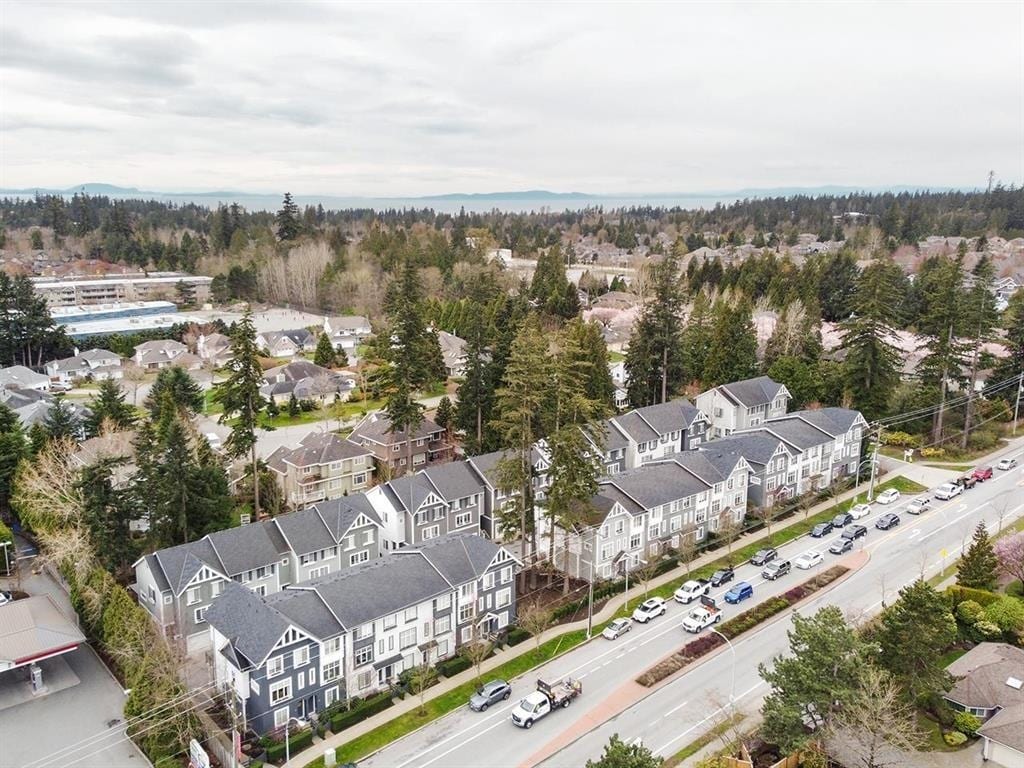
Townhomes are another quiet outperformer right now, and for straightforward reasons. They were designed for end users, not investors, which means they benefit from more stable demand and far fewer panic sellers when conditions shift. During the peak, many Surrey townhomes pushed well above the million-dollar mark, pricing out a lot of families and move-up buyers entirely. With prices having come down and interest rates easing, buyers who previously could only qualify for a condo can now seriously consider a two or three-bedroom townhome. Combine that with the fact that investors have largely stepped out of this segment and it becomes clear why townhomes are performing the way they are.
What This Means If You're Buying, Selling, or Investing
The prepared buyer is actually in a strong position right now. Developers with completed inventory don't want to carry it for another 12 months, which means there's real negotiating leverage on the table , incentives, pricing adjustments, and flexible terms that simply didn't exist during the frenzy. This is one of the better buyer opportunity windows we've seen in over a decade. But it comes with a catch: you need to know what you're looking at. Buying the wrong product at the wrong price in this environment is still a bad decision, even with a headline discount attached to it.
The buyers who come out ahead here aren't just shopping. They're being selective and strategic. They're comparing buildings, understanding the product quality, and making sure they're not just getting a deal but getting the right deal. If you're selling, this is the time to be realistic about pricing rather than anchoring to peak values that no longer reflect the market. And if you're investing, the rules have genuinely changed: cash flow matters, end-user appeal matters, and having a clear exit strategy matters. Buying anything and hoping appreciation saves you isn't a strategy anymore.
Related Reading
- Living in Surrey BC (2026): What You Actually Need to Know Before Moving
- Why is EVERYONE Leaving Surrey BC?
If you're thinking about buying or investing in Surrey, this is a market where the details really matter. The difference between a great purchase and a frustrating one comes down to knowing which side of this divide you're landing on, and having someone in your corner who understands both.

Alex Dunbar Personal Real Estate Corporation
REAL Broker BC Ltd. | Living in the Lower Mainland
Buying, selling or investing in Surrey and the surrounding cities? Whether you're new to the area or a longtime local, I'll help you make the right move. Book a 30-minute no-pressure call with me and we'll figure out what works best for you.
Related Posts
Explore Surrey
Categories
Recent Posts


GET MORE INFORMATION