
Moving to the Lower Mainland BC: What Nobody Tells You Before You Go
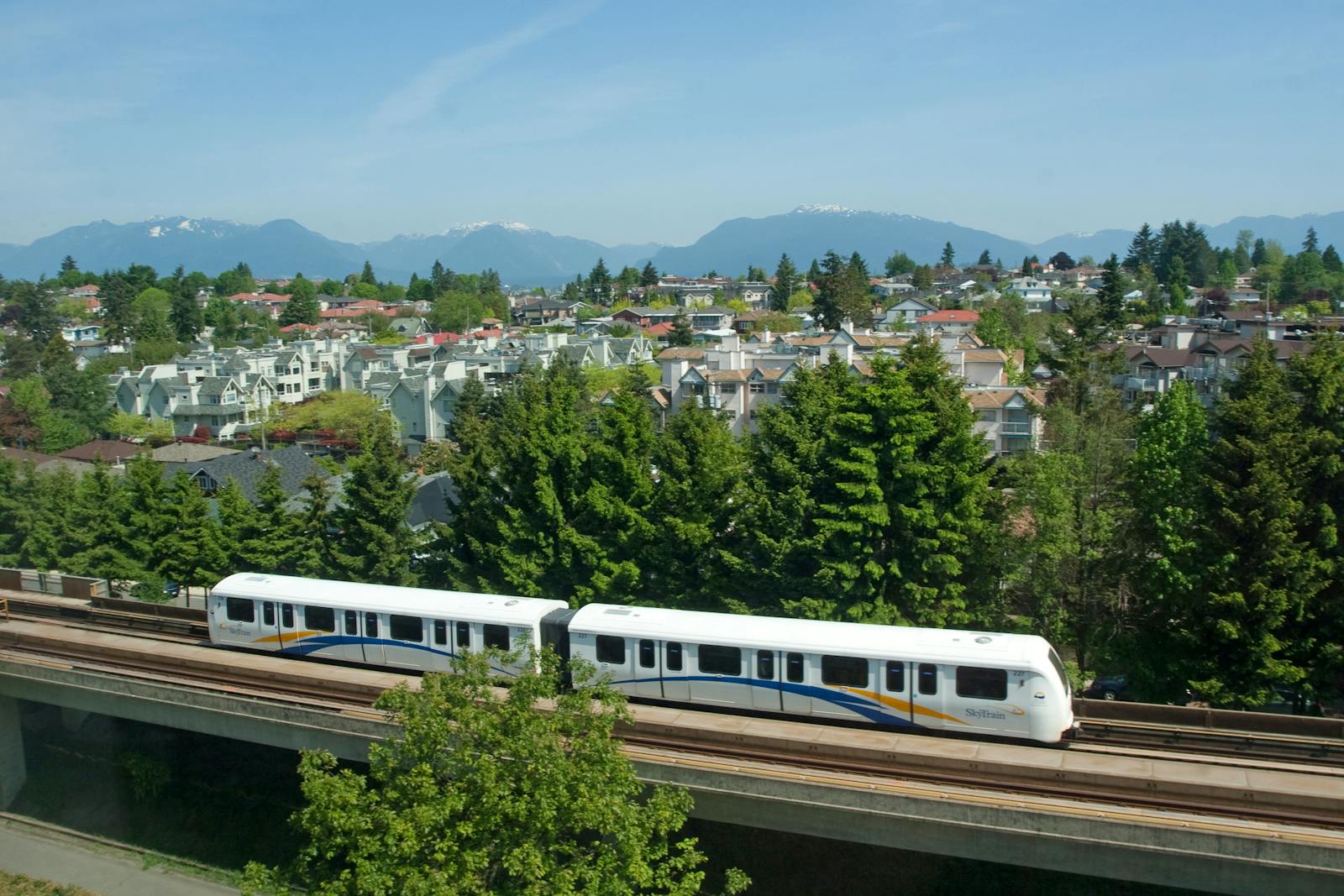
Quick Answer: Moving to the Lower Mainland BC
- Surrey is the right choice for buyers who need SkyTrain access or the widest range of price points in a single city.
- Langley suits families who want newer construction, established community feel, and room to grow.
- Maple Ridge suits buyers who want maximum space and outdoor access and can accept a longer commute.
- Surrey prices: Detached $1,460,100 | Townhome $795,000 | Condo $474,000
- Langley prices: Detached $1,526,200 | Townhome $812,000 | Condo $554,100
- Maple Ridge prices: Detached $1,230,000 | Townhome $724,000 | Condo $504,000
In This Guide
Which City is Right for You?
Moving to the Lower Mainland of British Columbia is not a single decision. It is a sequence of them, and the first one matters most: which city?
The Lower Mainland is a sprawling region of distinct communities, each with its own character, price point, commute profile, and lifestyle. For buyers relocating from Ontario, Alberta, or another province, this is often the most disorienting part of the process. You have heard of Vancouver. You may have heard of Surrey. But Langley? Maple Ridge?
This guide is written specifically for buyers who are serious about the move and want an honest orientation before booking flights or calling agents. It focuses on Surrey, Langley, and Maple Ridge: the 3 cities I work in most, and explains who each city actually suits. I'm Alex Dunbar, a REALTOR at REAL Broker, covering these cities through discoverhomesfirst.com and my YouTube channel Living in the Lower Mainland.
The Lower Mainland: A Quick Orientation
The Lower Mainland broadly refers to the Metro Vancouver area and the Fraser Valley, covering cities from Vancouver in the west to Chilliwack in the east.
For buyers relocating from another province, the practical breakdown looks like this:
- Metro Vancouver (Vancouver, Burnaby, Richmond, North Shore): most expensive, most urban, best transit
- Fraser Valley East (Abbotsford, Chilliwack): most affordable, more rural, farther from Vancouver
- The middle corridor (Surrey, Langley, Maple Ridge): the practical tier for most buyers who need a real home at a real price without moving two hours east of the city
Surrey, Langley, and Maple Ridge sit in that middle corridor. They are connected to Vancouver by highway and, in Surrey's case, by SkyTrain. They offer a genuine community feel, a full range of housing types, and access to the outdoor lifestyle that draws people to BC in the first place. For most relocating buyers with families and a real budget, these are the 3 cities worth understanding first.
3 Cities at a Glance
Benchmark prices below are from the FVREB Stats Centre. Verify current figures at discoverhomesfirst.com before making any decisions.
| Surrey | Langley | Maple Ridge | |
|---|---|---|---|
| Detached price | $1,460,100 | $1,526,200 | $1,230,000 |
| Townhome price | $795,000 | $812,000 | $724,000 |
| Condo price | $474,000 | $554,100 | $504,000 |
| SkyTrain (now) | Yes: Expo Line to Metro Van | No (bus-primary) | No service |
| Transit coming | Fleetwood/Clayton ext. anticipated 2029 | Langley City ext. anticipated 2029 | None planned |
| Commute by car | 40-60 min off-peak | 60-90 min via Hwy 1 | 60-90 min via Lougheed/Hwy 7 |
| West Coast Express | No | No | Weekday peak only (~75 min) |
| Character | Urban to suburban; wide range by sub-area | Suburban; newer construction dominant | Small-city, semi-rural, nature-adjacent |
| Best for | Commuters, first-time buyers, wide price range | Families, newer builds, 2029 SkyTrain positioning | Remote workers, outdoor lifestyle, space-focused families |
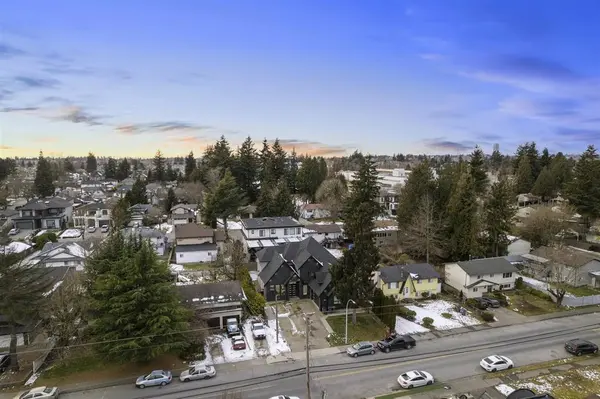
Surrey BC
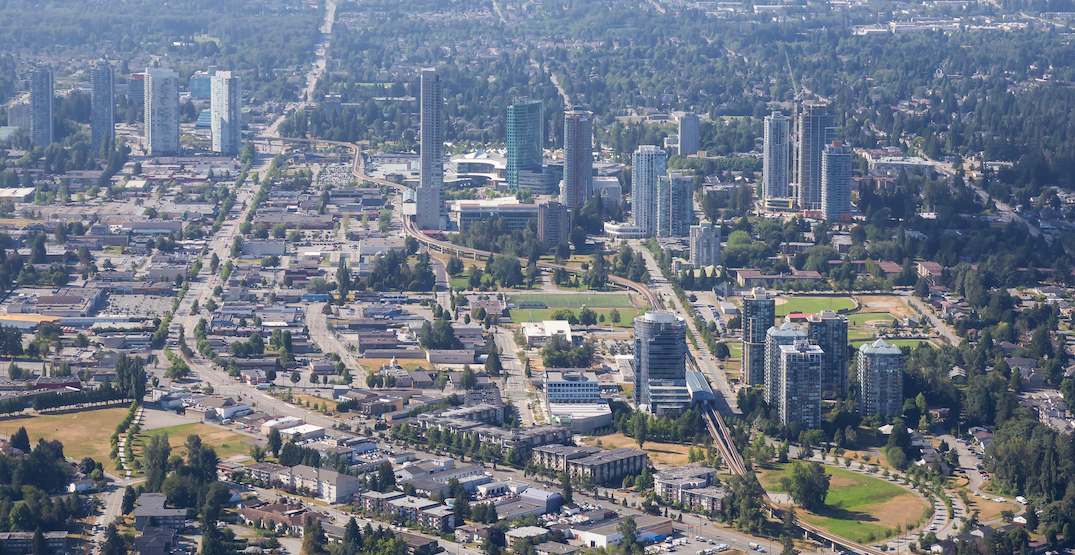
Surrey BC
Surrey is the second-largest city in BC by population and the most misunderstood among buyers relocating from outside the province. The city's reputation is built on one slice of a much larger whole.
Surrey is not one neighbourhood. It is a collection of genuinely different communities under a single city name. South Surrey is a premium, coastal-adjacent sub-market. Cloverdale has heritage character and family lots. Fleetwood is a mid-range commuter community along the future SkyTrain corridor. Surrey City Centre is a rapidly densifying urban core. Newton and Whalley offer more affordable entry points. The common mistake is forming an impression of Surrey from one of these communities and applying it to all of them.
Surrey is the right city for buyers who need SkyTrain access now, want the widest range of housing types and price points in a single municipality, or are looking for the most affordable attached entry points in the FVREB zone. Surrey has the cheapest condo prices of the 3 cities at $474,000.
The primary trade-off is complexity. Surrey requires more homework than Langley or Maple Ridge because the answer to "is Surrey right for me?" depends entirely on which Surrey you mean.
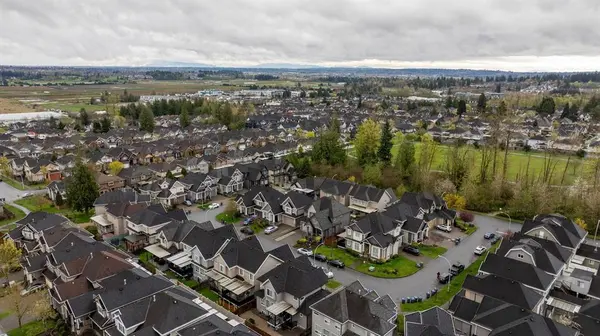
Langley BC
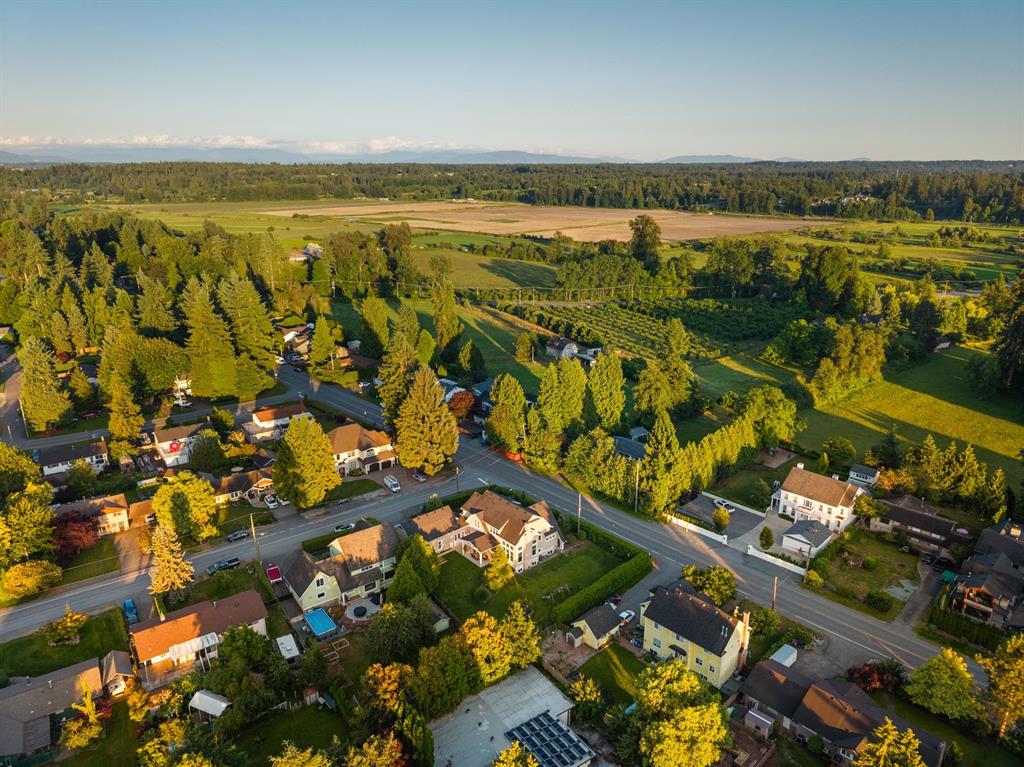
Fort Langley BC
Langley sits east of Surrey and is one of the most consistently well-regarded cities in the Fraser Valley for families. It offers newer construction, established community feel, and a distinct suburban character.
Two Langley jurisdictions exist and the distinction matters. The Township of Langley is the large municipality that contains most of the residential communities: Willoughby, Walnut Grove, Fort Langley, Brookswood, Murrayville, and Aldergrove. The City of Langley is a small, dense urban centre at the western edge of the Township. When buyers say "Langley," they almost always mean the Township.
Langley Township prices currently sit above Surrey across all 3 property types: detached at $1,526,200 versus Surrey at $1,460,100, townhomes at $812,000 versus $795,000, and condos at $554,100 versus $474,000. Buyers choosing Langley are paying for community character and a confirmed transit timeline, not for a price discount over Surrey.
The SkyTrain extension to Langley City is confirmed infrastructure with an anticipated opening in 2029. Buyers purchasing in Willoughby or the eastern Township are taking a measured position on that confirmed timeline. Commuting to Metro Vancouver currently requires a car for most of the trip, which is the defining trade-off.
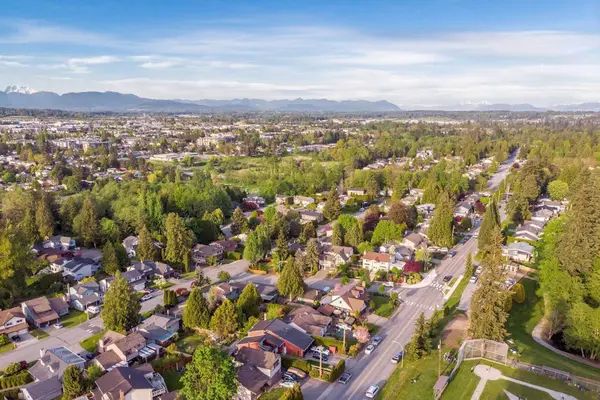
Maple Ridge BC

Alouette Lake, Golden Ears Provincial Park, Maple Ridge BC
Maple Ridge sits at the eastern edge of the Metro Vancouver commuter zone, bordered by the Fraser River to the south and the Coast Mountains to the north. It is the most affordable of the 3 cities and the most distinct in character.
Maple Ridge offers the most affordable prices of the 3 cities, with detached benchmarks at $1,230,000: roughly $230,000 below Surrey and $296,200 below Langley. The gap is most pronounced in single-family detached homes, making Maple Ridge the default option for buyers who have been priced out of the detached category elsewhere in the corridor.
Golden Ears Provincial Park covers over 154,000 acres of hiking, camping, and lake access within city limits. No other city in the Metro Vancouver commuter zone offers this kind of wilderness access at a comparable price point.
The trade-off is clear: no SkyTrain service and no extension planned in the near term. The West Coast Express connects to downtown Vancouver on weekday peak hours only, approximately 75 minutes. Driving takes 60-90 minutes depending on traffic. For buyers who commute daily to downtown Vancouver by car, this is a genuine constraint. For remote workers or buyers whose work is in Surrey or Langley, it is manageable.
How to Choose
Quick Answer: Surrey, Langley, or Maple Ridge?
If SkyTrain access is essential right now: Surrey. The Expo Line connects King George, Surrey Central, and Gateway stations to Metro Vancouver directly. If your commute requires SkyTrain and you cannot wait for the 2029 extension, Surrey is your only option among the 3.
If you want newer construction and family community feel: Langley, specifically Willoughby or Walnut Grove in the Township. Langley prices sit above Surrey across all 3 property types, reflecting the SkyTrain anticipation premium and concentration of newer builds. Buyers choosing Langley are paying for community character and a confirmed transit timeline.
If outdoor lifestyle and space matter more than commute time: Maple Ridge. Nothing else in the Lower Mainland delivers the same wilderness access, lot sizes, and price per square foot at a comparable distance from Metro Vancouver.
If you work in Langley or Surrey (not Metro Vancouver): All 3 cities are viable. Remove the downtown Vancouver commute from the equation and the geography changes significantly. Maple Ridge's Golden Ears Bridge route to Surrey takes 30-50 minutes.
If budget is the primary constraint and you need the detached category: Maple Ridge first (detached from $1,230,000), then Langley's Aldergrove sub-area, then Surrey's Fleetwood or Clayton Heights for townhomes.
If neighbourhood character matters as much as price: Fort Langley (heritage village, limited supply) and South Surrey (coastal-adjacent, premium pricing) are the 2 strongest options in the corridor for buyers who want a genuine sense of place.
Frequently Asked Questions
Is the Lower Mainland the same as Metro Vancouver? ▼
Which city in the Lower Mainland is most affordable for families? ▼
How long is the commute from Surrey or Langley to Vancouver? ▼
Do I need a car to live in Surrey or Langley? ▼
What is the difference between Surrey and South Surrey? ▼
Is it worth buying in the Lower Mainland in 2026? ▼
Do buyers from Ontario or Alberta find the Lower Mainland expensive? ▼
How do I find a buyer’s agent when relocating to the Lower Mainland? ▼
Ready to Figure Out Which City Fits?
Most buyers relocating from out of province spend months researching online before they call anyone. By the time we talk, they often have a strong instinct about which direction makes sense, but they have specific questions the research did not answer: their exact commute, their budget against current listings, which sub-areas are realistically within reach.
A 30-minute call resolves most of that. It is an orientation conversation designed for buyers who are serious about the move and want to think through the decision with someone who knows these cities well.

Alex Dunbar
REALTOR at REAL Broker | Surrey, Langley, Maple Ridge, Fraser Valley BC
Alex works with buyers across Surrey, Langley, and Maple Ridge through discoverhomesfirst.com and his YouTube channel Living in the Lower Mainland. He specialises in relocation buyers, first-time buyers, and strata purchasers navigating the Lower Mainland real estate market.
Categories
Recent Posts





GET MORE INFORMATION