Canada's Foreign Buyer Ban Is Changing: What Budget 2026 Means for BC
Budget 2026 proposes extending Canada's foreign buyer ban on existing homes to January 1, 2029, while exempting new residential property. It's a proposal, not law yet. BC's separate 20% foreign buyer tax, which applies only in specified regions, still applies either way, so most buyers and sellers won't see a quick change.
What Budget 2026 Actually Proposes
The federal ban has been in place since January 1, 2023. Its full name is the Prohibition on the Purchase of Residential Property by Non-Canadians Act, and in 2024 it was extended to January 1, 2027. It covers residential buildings with 3 or fewer dwelling units, which is most of what people picture when they think of buying a home. Buildings with 4 or more units aren't caught by it.
On November 5, 2026, Budget 2026 proposed 2 changes. The ban on existing residential property would run another 2 years, to January 1, 2029. At the same time, new residential property would be exempt, so a non-Canadian could buy a newly built home. The government says legislation and a regulatory process will follow. That matters, because a budget line isn't a rule anyone can act on. As of November 8, 2026, no bill had shown up on LEGISinfo, Parliament's bill tracker.
There's also a timing wrinkle worth knowing. Under the law as it stands today, the ban is repealed on January 1, 2027. If an extension doesn't take effect before that date, the federal ban simply ends. So for the next few weeks, the honest answer to "what are the rules in 2027?" is that nobody can say for sure.
The timing matters in another way too. On October 28, 2026 the Bank of Canada raised its rate to 2.50%. Builders want more buyers, and that's the backdrop for this change. Whether foreign buyers actually show up in any real number is a different question, and there's no verified figure for how much foreign demand would return.
How BC's 20% Foreign Buyer Tax Still Applies
Here's the part most headlines skip. BC has its own rule, the Additional Property Transfer Tax, and it works completely separately from the federal ban. It's 20% of the foreign buyer's share of a home's fair market value, and Budget 2026 doesn't touch it. It applies only in specified regions: Metro Vancouver, the Fraser Valley, the Capital Regional District, Central Okanagan and Nanaimo. The full rules are on the BC Ministry of Finance Additional Property Transfer Tax page, updated June 20, 2025.
That's why opinions split. Andrew Lis, an economist with Greater Vancouver Realtors, welcomed the change on November 6, 2026 as support for new construction. UBC economist Tom Davidoff told CHEK the same day that he expects approximately no effect in BC, because of the 20% tax. Both views are worth hearing, and the second one is the reason I wouldn't plan around a wave of new buyers.
Tools & Resources
Run your own numbers before you make a move, and see which neighbourhoods fit how you live.
What Is New Residential Property?
New homes are where the exemption would land, so that's where you'd expect the first change. BCREA pushed for exactly this in June 2026, before the budget, asking that non-residents be allowed into new projects and pre-sales.
The catch is that "new residential property" hasn't been defined. Until the rules are written, nobody knows whether a direct pre-sale contract with a builder counts, whether an assignment of that contract counts, or whether a finished unit that never sold counts. Nobody knows when the exemption would start, either.
What It Means for Buyers & Sellers Across BC
If You're Buying
If you're a Canadian citizen or permanent resident, the ban was never about you, and this proposal doesn't change what you can buy. What it might change is who you're competing with on brand-new homes, and with BC's 20% tax still in place, I don't expect that to be many people in the short term. Pick your home on its own merits, not on a guess about policy.
If you're not a citizen or permanent resident, whether the ban applies to you depends on the details of your status, and those details matter. Get a real estate lawyer to look at your exact situation before you write an offer, and don't assume the Budget 2026 exemption covers you until the regulations are out. In the meantime, the Neighbourhood Matchmaker is a good way to narrow down where you'd actually want to live while the rules settle.
If You're Selling
If you own a resale home, a townhome or an older condo, the proposal keeps the ban on your type of property until 2029. Your buyer pool doesn't grow. Price for the market you're in, not for a wave of foreign demand that may never arrive.
If you're an investor holding a pre-sale contract and thinking about an assignment, be careful. Whether an assignment counts as "new residential property" is one of the open questions, so a non-Canadian assignee can't count on the exemption today. Talk to your lawyer before you market the assignment to anyone outside Canada.
What It Means for Buyers & Sellers in the Fraser Valley
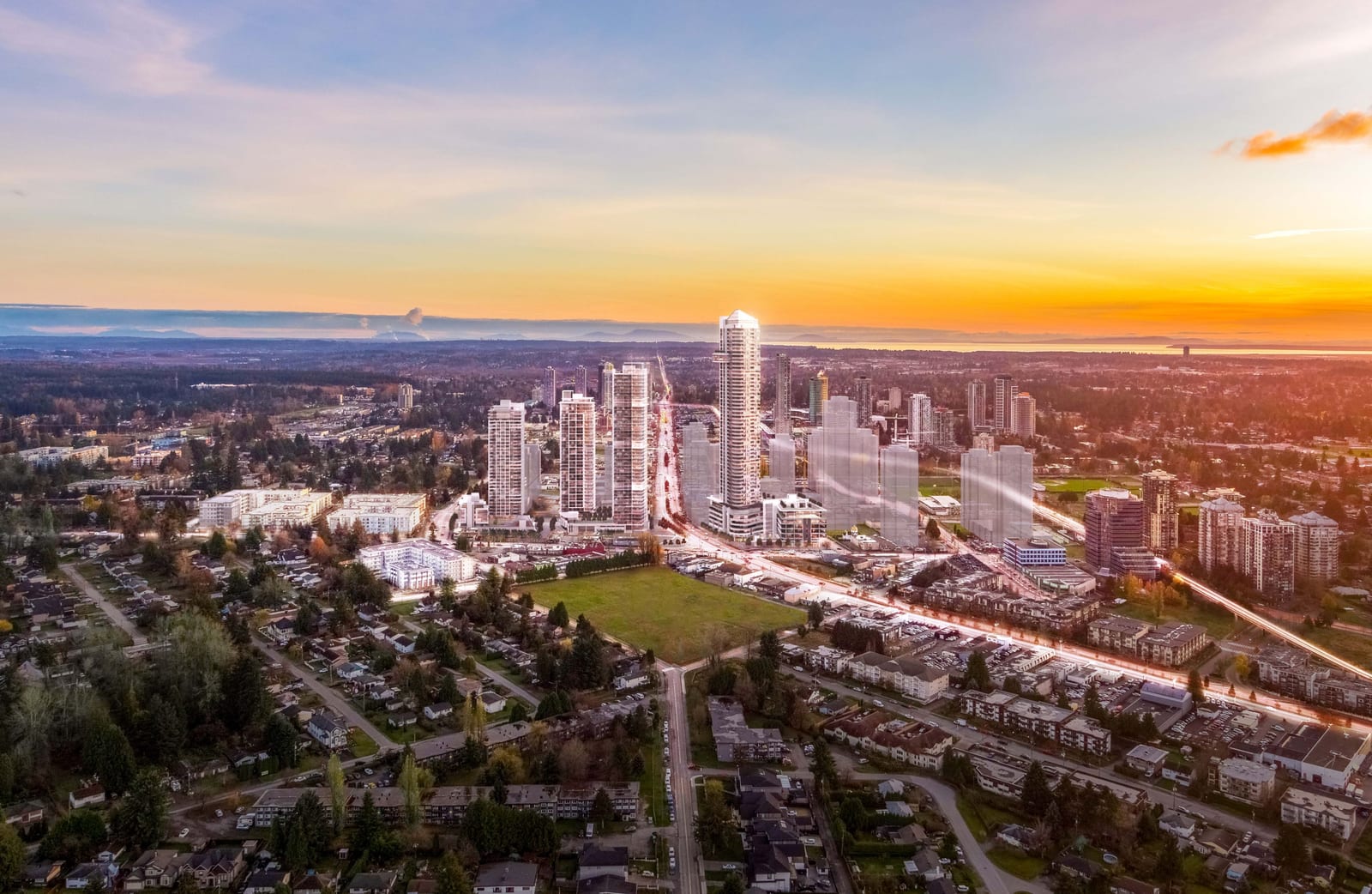
The Fraser Valley builds a lot of new housing. Surrey City Centre, Willoughby in Langley, Maple Ridge's town centre and Abbotsford all have pre-sale projects on the go, and that's exactly the slice of the market an exemption for new homes would touch. Resale detached homes and older condos would stay under the ban until 2029 if the proposal passes as written.
How the 20% Tax Applies in the Fraser Valley
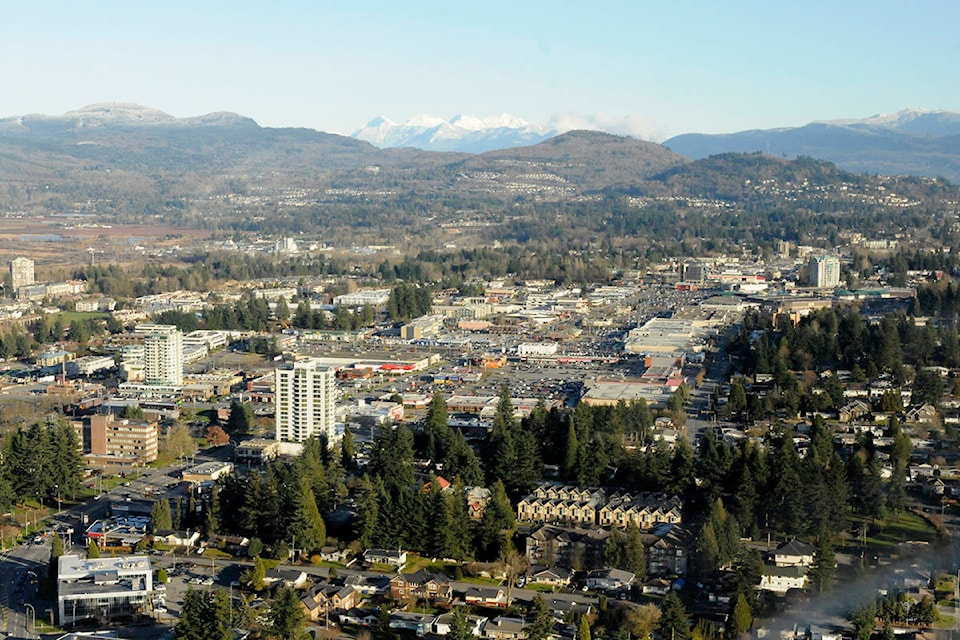
BC's 20% tax applies in each of these Fraser Valley cities: Surrey, Langley City and Township and Maple Ridge (all part of Metro Vancouver) plus Abbotsford and Mission in the Fraser Valley Regional District. Budget 2026 doesn't change that.
Put a number on it. A foreign buyer purchasing an $800,000 condo outright would owe $800,000 x 20% = $160,000 in this tax alone, on top of the regular property transfer tax and everything else that comes with buying. If you want the full list of costs that come after the purchase, the real costs of owning a home in BC walks through them.
The Local Market
In October 2026 the Fraser Valley Real Estate Board reported a sales-to-active ratio of 11%, which is buyer's market territory. If you're selling here, that's the market your price has to fit.
Pre-Sale Projects
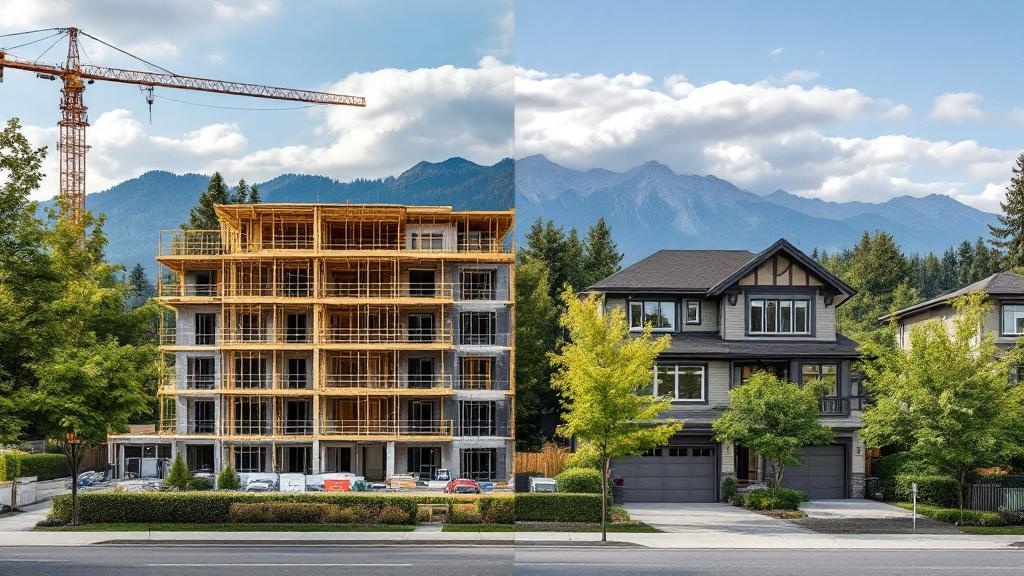
The demand side is soft right now. MLA Canada reported that 2 Fraser Valley projects released 76 homes in August 2026 and sold about 3% of them early.
There's also no verified number for how much unsold pre-sale inventory is sitting in the Fraser Valley, so be wary of anyone quoting one. If you're weighing new against existing, pre-sale vs resale in Surrey lays out the trade-offs that matter whether or not this proposal passes.
Common Mistakes to Avoid
The biggest mistake is treating the proposal like the law. A budget announcement can change before it becomes a bill, and a bill can change before it passes. The second is forgetting the provincial tax. Even if the federal door opens for new homes, a foreign buyer in BC still faces the 20% tax.
The third is reading a headline about "foreign buyers returning" and assuming prices are about to jump. Nobody has a verified number for that demand, and the economists quoted above disagree about whether it'll move anything in BC at all. If you're a first-time buyer trying to time the market around this, focus on what you can control instead, starting with the BC first-time home buyer programs you might qualify for.
Frequently Asked Questions
Is the foreign buyer ban extension law yet?
No. Budget 2026, tabled November 5, 2026, proposes it. The government says legislation and a regulatory process will follow. As of November 8, 2026 no bill had been posted on LEGISinfo.
What happens if the extension isn't passed in time?
Under current law the Prohibition on the Purchase of Residential Property by Non-Canadians Act is repealed on January 1, 2027. If no extension takes effect before then, the federal ban ends on that date.
Can a non-Canadian buy a pre-sale condo in BC after Budget 2026?
Not yet. The proposal exempts new residential property, but it hasn't defined what counts as new, whether direct pre-sale contracts or assignments qualify, or when the exemption starts. Until the rules are written, the current ban applies.
Does BC's 20% foreign buyer tax still apply after Budget 2026?
Yes. BC's Additional Property Transfer Tax is separate from the federal ban and Budget 2026 doesn't change it. It applies in Surrey, Langley City and Township, Maple Ridge, Abbotsford and Mission at 20% of the foreign buyer's share of fair market value.
Are apartment buildings with 4 or more units covered by the ban?
No. The federal ban covers buildings with 3 or fewer dwelling units. Buildings with 4 or more units aren't caught by it, though BC's 20% tax is a separate question.
Sources: Budget 2026 (Government of Canada), LEGISinfo, Province of BC, FVREB, Bank of Canada, MLA Canada, GVR, CHEK, BCREA. Read November 8, 2026.
Alex Dunbar Personal Real Estate Corporation
REAL Broker BC Ltd. | Living in the Lower Mainland
Buying, selling or investing in the Lower Mainland? Whether you're new to the area or a longtime local, I'll help you make the right move. Book a 30-minute no-pressure call with me and we'll go over your goals, timeline and budget.
Categories
Recent Posts
GET MORE INFORMATION