
Surrey Central Pre-Sale Condos: What Went Wrong and What Comes Next
Surrey Central Pre-Sale Condos: What Went Wrong and What Comes Next
There are over 2,500 completed condo units sitting vacant across Metro Vancouver and the Fraser Valley right now. They're finished, they're empty, and they didn't sell. That number has been climbing for the past year and it represents the fastest buildup of unsold completed inventory we've seen since the early 2000s. Surrey Central sits right at the heart of it.
This isn't a seasonal slowdown or a temporary blip in an otherwise healthy market. What's happening is a genuine structural shift, and the decisions being made by developers, buyers, and policymakers over the next 12 to 24 months are going to shape pricing, supply, and buyer behaviour across the region for years to come.
👉 Short Answer: Surrey Central's pre-sale condo market overbuilt for investor demand that no longer exists, and buyers right now have more negotiating leverage than they've had in over a decade.
The Shadow Inventory Problem Nobody's Talking About
Here's something that surprises a lot of people: those 2,500-plus vacant completed units don't show up in the MLS data that most buyers and sellers rely on. Developers aren't required to publicly list or report unsold inventory, which means when you look at standard market stats like new listings, sales volume, or months of supply, you're looking at an incomplete picture. This is what's known as shadow inventory, and it's real supply that's putting genuine downward pressure on pricing, especially in investor-heavy, transit-oriented markets like Surrey Central.
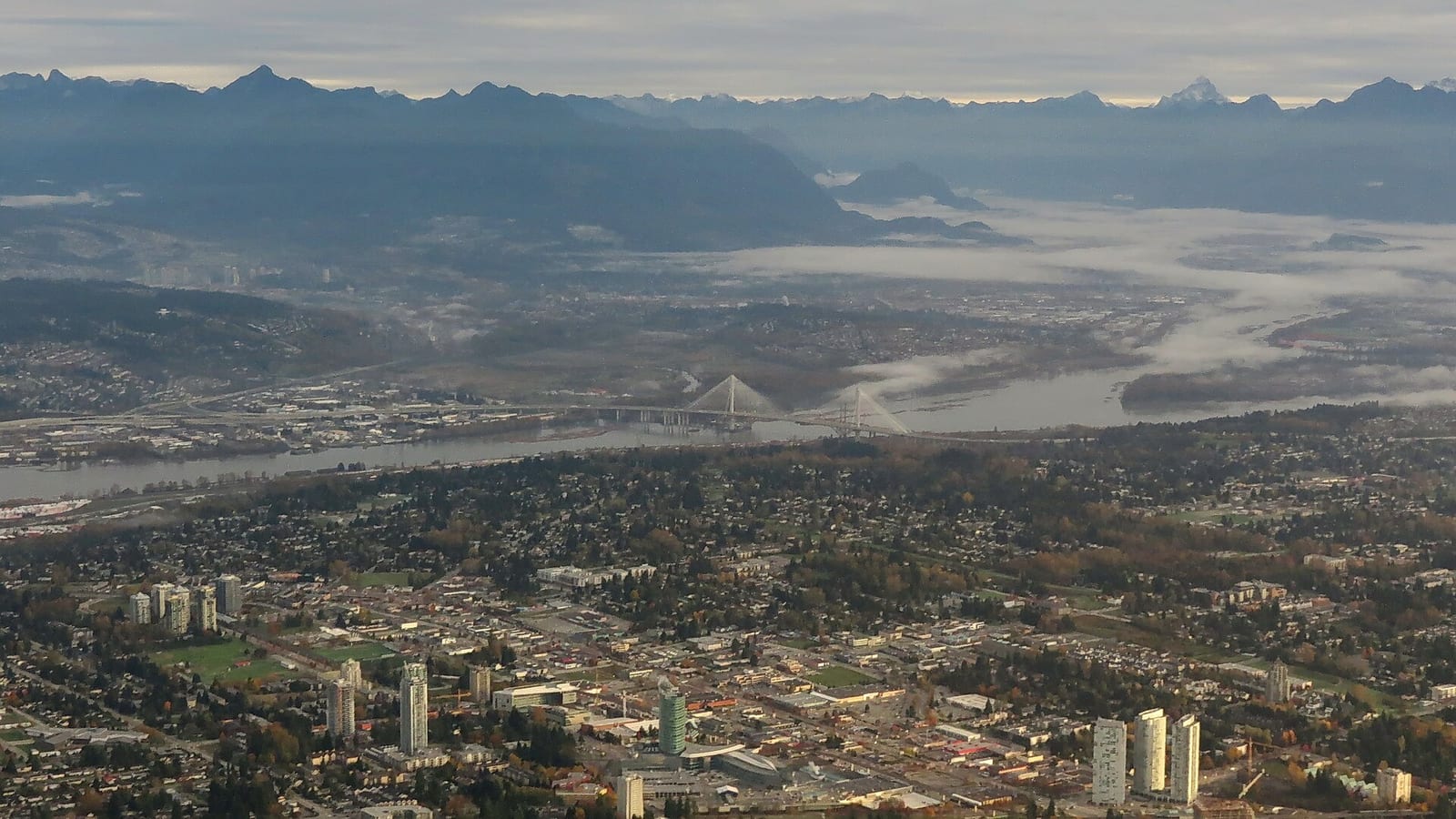
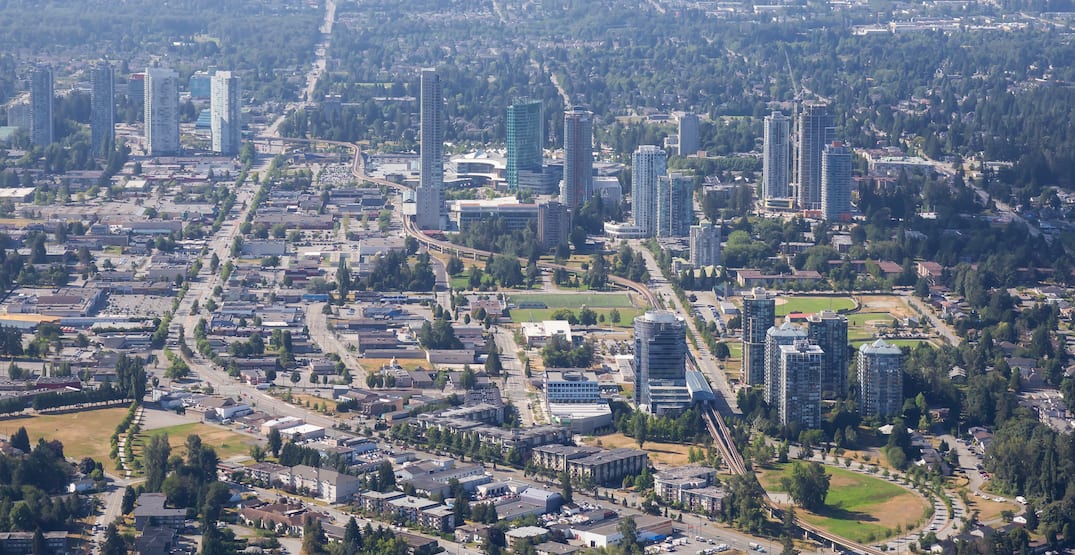
📊 The concentration of this inventory isn't random. It's clustered in specific pockets that saw the most aggressive pre-sale activity between 2020 and 2022: areas like Boquitlam, Brentwood, Willoughby, and most notably Surrey Central. In Surrey Central alone, there are hundreds of small studio and one-bedroom units that were pre-sold at peak price-per-square-foot levels during the pandemic era. Those same units are now completing in a resale market where comparable condos trade at significantly lower values. Appraisals are coming in below original contract prices. The math simply doesn't work for most investors anymore.
How We Got Here: The Pandemic-Era Conditions That Set This Up
To understand why Surrey Central is sitting on so much unsold inventory, you have to go back to 2020 through early 2022. Interest rates were at historic lows, financing was cheap, and capital was flowing freely. Developers borrowed aggressively. Investors bought aggressively. FOMO was everywhere. Many buyers genuinely believed that if they didn't commit to a pre-sale immediately, they'd be permanently priced out, and that psychology was reinforced by a decade of watching people make hundreds of thousands of dollars through appreciation, flips, and assignments.
At the same time, population growth assumptions were extremely optimistic. Immigration targets were high, international student numbers were surging, and rental demand was expected to keep climbing indefinitely. Developers launched projects continuously, pricing units based on future values and projected population growth rather than present-day fundamentals. Layout, storage, parking, and livability became secondary. What mattered was building small, efficient units that were inexpensive to construct and easy to pitch to investors banking on students, newcomers, and continuous rental absorption.
💡 The result was a massive supply of tiny units priced as though rental demand would never slow down. Meanwhile, resale condos with better layouts, larger footprints, and genuine livability never reached those same elevated price levels. That gap matters a lot right now.
When Investor Demand Didn't Soften , It Collapsed
When interest rates rose sharply through 2023 and 2024, the investor demand that had been propping up the pre-sale condo market didn't gradually fade. It dropped off a cliff. Carrying costs surged, monthly mortgage payments no longer made financial sense for rental investors, and rent growth failed to keep pace with the numbers developers had built their pricing models around. At the same time, the demand-side assumptions crumbled: immigration targets were adjusted, international student visa approvals were capped, and population growth slowed relative to what had been baked into those pre-sale projections.
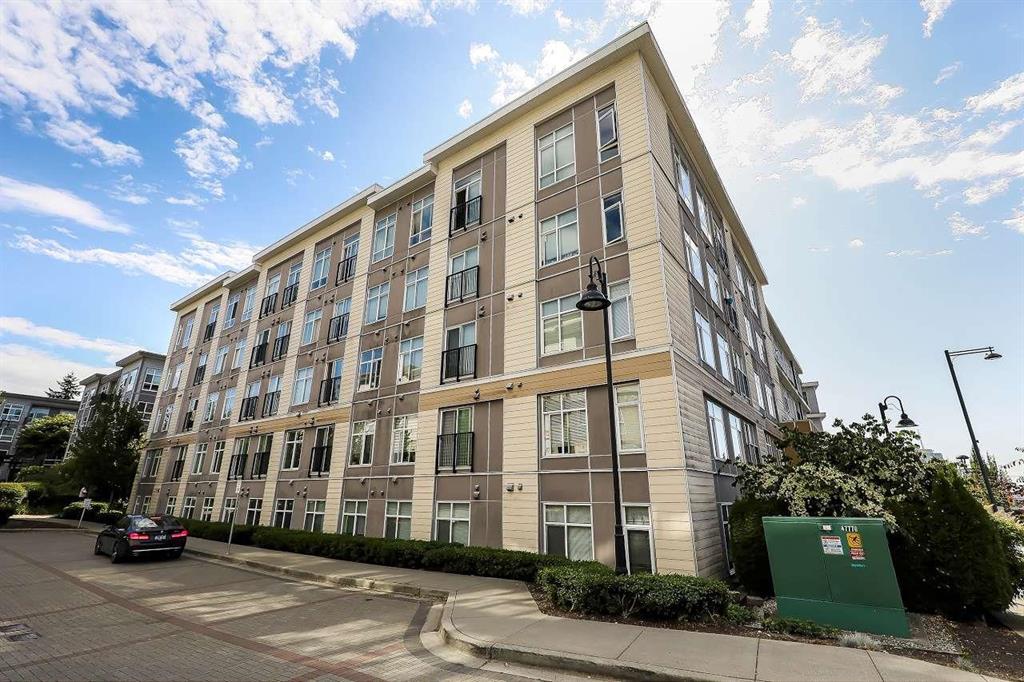
Purpose-built rental projects have held up reasonably well because of their scale, financing advantages, and government policy support. Individual investor-owned condos don't have those same advantages. That's left developers across Surrey Central holding finished inventory with fewer realistic exit options, particularly for product that was designed almost entirely around investor demand that simply isn't there anymore.
What Developers Are Doing Now
The response from developers has been telling. We're seeing more project cancellations and delays than in previous years. Deposits are being returned. Sales centres are shutting down. Sites are going on hold with no clear restart date. Many developers are pivoting toward purpose-built rentals where government programs, city support, and financing conditions are more favourable right now.
For developers already sitting on completed inventory, the strategy has shifted away from headline price cuts and toward incentives. Free parking, free storage, interest rate buydowns, decorating allowances, flexible deposit structures, and relaxed assignment policies are becoming standard. Some developers have quietly offered substantial discounts through other means. The reason they avoid outright price cuts isn't stubbornness, it's financing: big visible discounts can create problems with lenders and jeopardize a project's financing structure. But the incentives are there, and they're meaningful. When prices do adjust enough, buyers come back quickly, which tells you something important: buyers haven't disappeared, they're just very price sensitive.
The Toronto Playbook and What It Means for Surrey
This pattern isn't new. Toronto went through the same cycle earlier. Investor-driven pre-sale condos flooded the market. Appraisals came in low. Assignment deals fell apart. Developers switched to rental projects. Smaller builders exited or merged. The difference between what happened in Toronto and what's happening in Surrey Central right now is timing, not structure. Surrey is moving through the same phase, just slightly later. Understanding that context is useful because it tells us how this resolves: pricing adjusts to where buyers find value, demand returns, and the market resets around more realistic fundamentals.
📌 There's also a broader economic dimension worth acknowledging. When development slows, it's not just sales staff who lose work. It's project managers, engineers, designers, tradespeople, suppliers, and logistics companies. Fewer new projects means fewer jobs, which means less local spending. That's why this is on the radar of policymakers, not just real estate analysts.
What This Means If You're a Buyer Right Now
If you're a buyer, this is one of the strongest leverage environments Surrey Central has seen in more than a decade. The real opportunity is in completed inventory, specifically finished units where developers are carrying ongoing costs and need to move product. That's where negotiation power exists. New pre-sale launches that are still priced for the 2021 market aren't where you'll find the best value. Nearly completed or already-finished buildings where developers are motivated to close deals are a much better starting point.
🏡 And if you're open to the resale market, that's where pricing is often the most realistic. Resale condos in Surrey Central frequently offer better layouts, more usable square footage, parking, and storage at a lower cost per square foot than new investor-focused units. From a livability standpoint, the comparison isn't even close for most end users.
Looking ahead, industry signals suggest that by late 2026 or early 2027, the current slowdown in new housing starts will start to create real supply pressure. That's historically when pricing starts pushing upward again. The window where buyers have this level of leverage is likely the next six months or so, while completed inventory is still sitting and developers still need to sell.
Related Reading
- Surrey's Housing Market Just Hit a Breaking Point
- The Surrey Condo Market Trend No One's Talking About
- Something WEIRD is Happening in the Surrey Housing Market
The Surrey Central condo market is going through a real reset right now, and that process is messy but necessary. Transit-focused density still makes long-term sense for this area, but pricing, product design, and buyer expectations are all being recalibrated. If you're thinking about buying in Surrey and want to understand where the actual opportunities are in this market, I'm happy to walk through it with you.

Alex Dunbar Personal Real Estate Corporation
REAL Broker BC Ltd. | Living in the Lower Mainland
Buying, selling or investing in Surrey and the surrounding cities? Whether you're new to the area or a longtime local, I'll help you make the right move. Book a 30-minute no-pressure call with me and we'll go over your goals, timeline and budget.
Related Posts
Explore Surrey
Categories
Recent Posts





GET MORE INFORMATION