
The Real Costs of Owning a Home in BC, Explained
The Real Costs of Owning a Home in BC Beyond the Mortgage
Owning a home in BC means carrying costs well beyond the monthly mortgage payment. Property taxes, strata fees, home insurance, utilities, and internet all stack on top. Understanding each category before you buy is what separates a budget that works from one that quietly breaks.
Why It Matters
Most buyers focus on the mortgage payment when they run their numbers, and that makes sense because it is usually the biggest single line. But it is not the only line. A buyer who qualifies comfortably on the mortgage alone can still find monthly ownership stretched uncomfortably thin once every other obligation lands.
This matters most for first-time buyers moving from renting, where one monthly payment covered everything. Ownership disaggregates those costs. Some are fixed and predictable, some are variable, and a few arrive annually in a lump that catches people off guard if they have not planned for it.
The good news is that none of this is complicated once you see it laid out. A clear picture of every cost category lets you build a realistic monthly budget before you make an offer, not after you move in.
The Main Components
Beyond the mortgage, BC homeowners carry five recurring cost categories.
- Property Tax: Billed annually by the municipality. The amount depends on the assessed value of the property and where it sits. BC homeowners who occupy their home as a primary residence can apply for the BC Home Owner Grant to reduce the bill, subject to eligibility thresholds set each year.
- Strata Fees: Applicable to condos and townhomes. Paid monthly to the strata corporation to cover shared building maintenance, the strata corporation's insurance on the building, and contributions to the contingency reserve fund. The amount varies by building and unit size.
- Home Insurance: For strata units this covers contents and your unit's interior. For detached homes it covers the structure and contents together. Rates vary by building type, location, and coverage level.
- Utilities: Electricity through BC Hydro, gas if applicable, and water and sewer if billed separately by the municipality.
- Internet & Other Services: A fixed monthly cost that renters often carry but rarely isolate when projecting ownership budgets.
A Practical Example
Consider a typical strata condo in Langley. The monthly picture has several layers. The mortgage payment is the largest, and its size depends on how much you put down. A minimum down payment triggers mortgage default insurance (from CMHC or a private insurer), which is added to the loan balance and raises the payment. A 20% down payment avoids that premium. It can also change the amortization: as of 2026, CMHC caps an insured mortgage at 25 years, or 30 years if you are a first-time buyer or buying a newly built home.
On top of the mortgage, property tax after the Home Owner Grant lands as a monthly equivalent. Strata fees are fixed by the building and paid directly each month. Condo insurance for contents and the unit interior adds another line. Utilities and internet round out the picture.
The key takeaway from working through these scenarios is that the gap between minimum-down and 20%-down monthly costs is real, and it comes from two places: the insurance premium on the smaller down payment, and, unless you are a first-time buyer or buying new, the 25-year limit on an insured mortgage. Both compress the monthly budget in the same direction.
The Trade-off: a larger down payment lowers every monthly line except strata fees, but it also means more capital deployed upfront. Neither path is wrong. They just produce different monthly pictures.
How the Options Compare
| Cost Category | Strata Condo | Detached Home |
|---|---|---|
| Mortgage Payment | Depends on price & down payment | Depends on price & down payment |
| Property Tax | Annual, reduced by Home Owner Grant | Annual, reduced by Home Owner Grant |
| Strata Fee | Monthly, varies by building | None |
| Home Insurance | Contents & interior only | Full structure & contents |
| Maintenance Reserve | Funded through strata | Owner's responsibility |
What This Means Locally
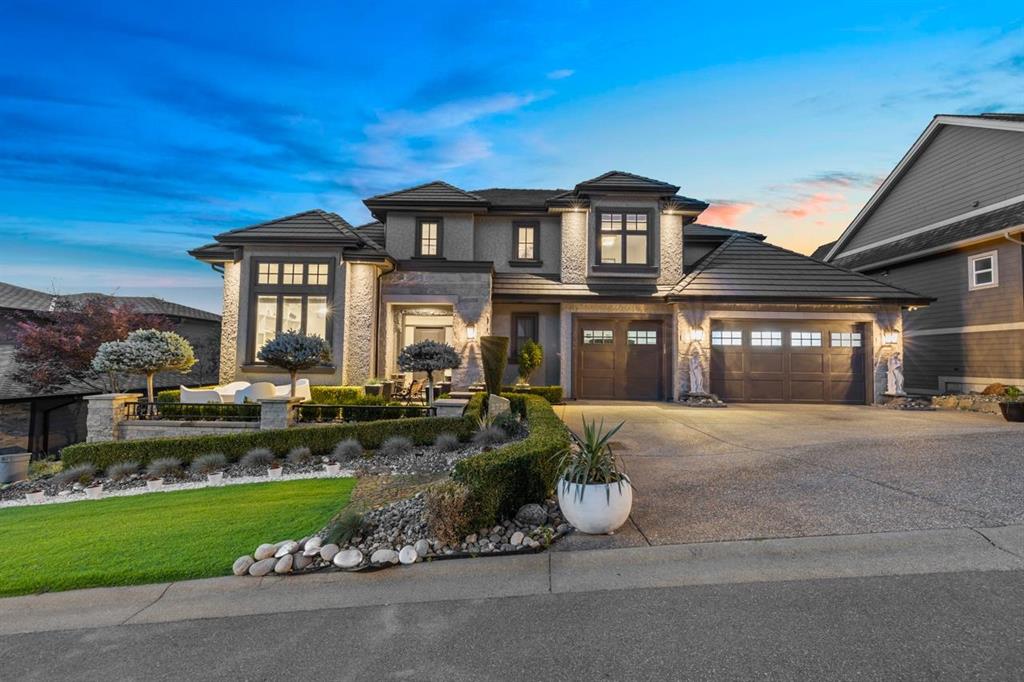
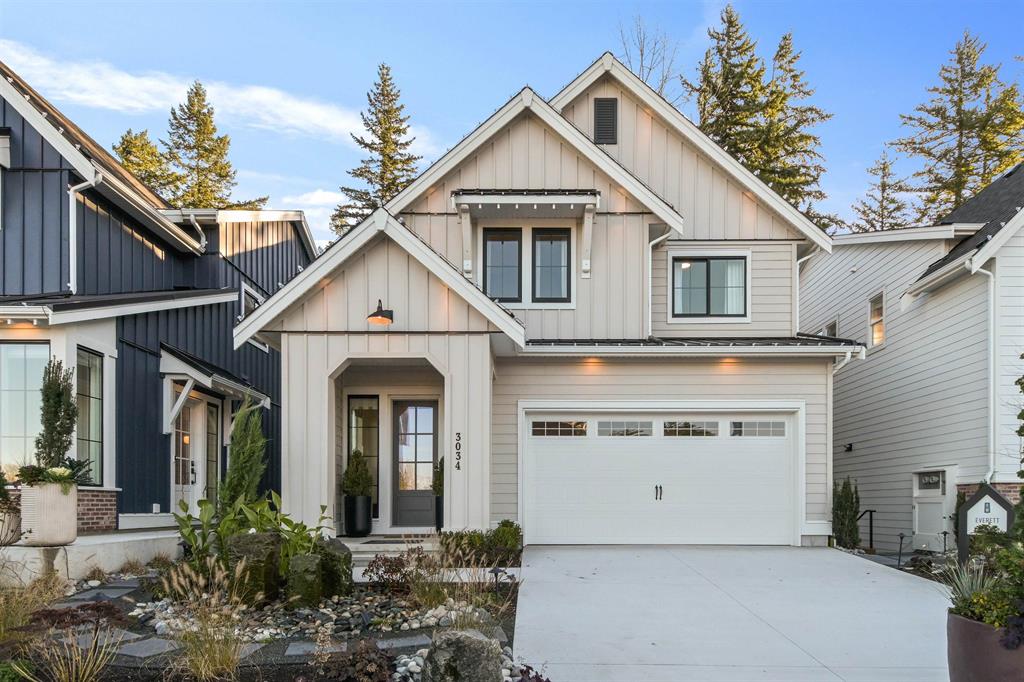
In Surrey, Langley, and Maple Ridge, the split between strata and detached ownership shapes how these cost categories land. Strata ownership adds the strata fee layer that detached ownership does not carry, but it also comes with building insurance handled at the strata level, which simplifies the home insurance picture for the unit owner.
Thinking About Buying or Selling?
The best first step is a quick conversation. Pick a time in the calendar that works for you and we'll talk it through.
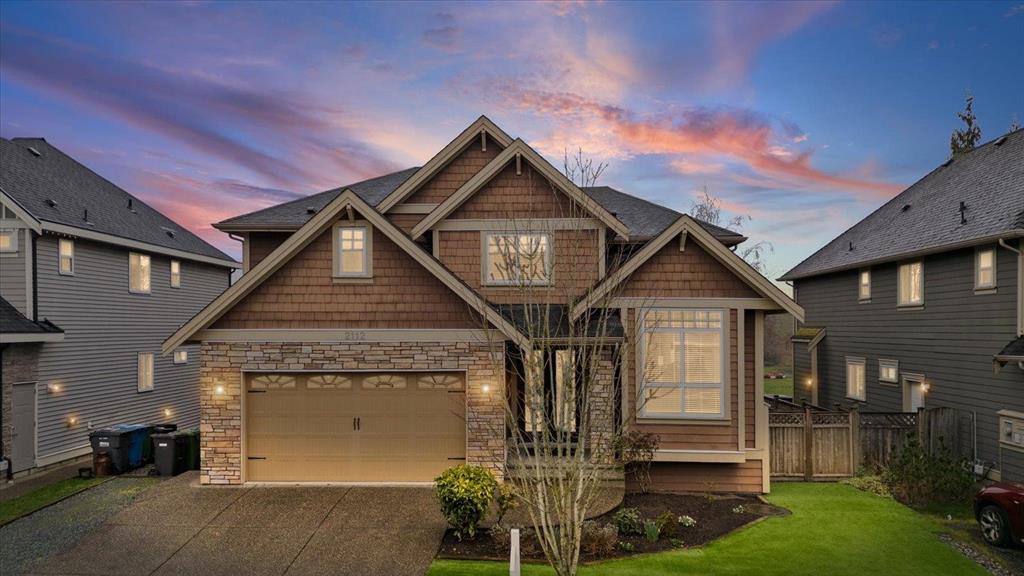
Detached homes in the Fraser Valley carry no strata fee, but all maintenance, insurance, and eventually capital repairs sit entirely with the owner. There is no contingency reserve fund backing a roof or a furnace replacement. Owners who do not self-fund a maintenance reserve can face large unexpected costs.
Property tax rates also vary by municipality, so the same assessed value produces a different annual bill depending on whether the home sits in Surrey, the Township of Langley, the City of Langley, or Maple Ridge. Running the actual tax estimate for a specific address, not a general average, before finalising your budget is worth the extra step.
It is also worth knowing that every number in this picture moves over time. Strata fees change with each annual budget. Property tax rates are set annually. Insurance premiums renew each year. The monthly total you project today will shift, and building a small buffer into the budget from the start makes that reality easier to manage.

Common Misunderstandings
Misunderstanding 1: The mortgage payment is the ownership cost. In practice it is the starting point. Property tax, strata fees, insurance, and utilities each add a meaningful amount on top. Budget for all of them together before deciding what you can afford.
Misunderstanding 2: A lower monthly mortgage payment always means lower total cost. A minimum down payment adds the insurance premium to the balance and, unless you are a first-time buyer or buying new, limits the amortization to 25 years. A 20% down payment can produce a lower monthly total even though more was paid at the outset.
Misunderstanding 3: Strata fees are just a condo tax. They fund real things: building maintenance, shared insurance, and the contingency reserve that pays for major repairs without a special levy. A building with very low strata fees may simply be underfunding its reserve.
Misunderstanding 4: The Home Owner Grant eliminates property tax. It reduces it, subject to eligibility and the assessed value of the property. Owners of higher-value homes may receive a reduced grant or no grant at all, depending on the threshold in effect for that tax year.
Misunderstanding 5: Utilities are the same everywhere. Electricity costs vary by unit size, building efficiency, and lifestyle. In a strata building, some utilities may be included in the strata fee and others billed separately. Always confirm what the strata fee covers before projecting your monthly total.
Frequently Asked Questions
What costs do I pay on top of my mortgage each month in BC?
Property tax (often paid as a monthly equivalent), home insurance, utilities, and internet are universal. Strata owners also pay monthly strata fees covering shared building costs. Budgeting all five categories together gives a realistic picture of actual monthly ownership.
What is the BC Home Owner Grant and how does it reduce my property tax?
The Home Owner Grant is a provincial program that reduces the annual property tax bill for eligible owners who use the home as their primary residence. Eligibility and grant amounts depend on the assessed value of the property and thresholds set each year by the province.
Does putting 20% down actually lower my monthly costs?
Usually. It eliminates the mortgage default insurance premium added to the loan. For a repeat buyer of a resale home it can also lengthen the amortization: as of 2026, CMHC caps insured mortgages at 25 years, with 30 years available to first-time buyers and buyers of newly built homes.
Do strata fees cover everything in a condo building?
Strata fees typically cover shared building maintenance, the strata corporation's building insurance, and contributions to the contingency reserve fund. Contents and the interior of your individual unit are your responsibility to insure separately. Always confirm exactly what a specific building's fees include.
Are ownership costs the same across Surrey, Langley, and Maple Ridge?
Not exactly. Property tax rates vary by municipality, so the same home value produces a different annual bill depending on location. Strata fees and insurance also vary by building. Run the numbers for a specific address rather than relying on a regional average.

Alex Dunbar Personal Real Estate Corporation
REAL Broker BC Ltd. | Living in the Lower Mainland
Buying, selling or investing in the Lower Mainland? Whether you're new to the area or a longtime local, I'll help you make the right move. Book a 30-minute no-pressure call with me and we'll go over your goals, timeline and budget.
Categories
Recent Posts





GET MORE INFORMATION