
Canada's Mortgage Renewal Crisis: What Every Homeowner Needs to Know Before 2026
Canada's Mortgage Renewal Crisis: What Every Homeowner Needs to Know Before 2026
If you locked in a 5-year fixed mortgage in 2021, your rate was probably somewhere around 1.7 to 1.9%. Those payments felt manageable, maybe even comfortable. But that comfort had an expiry date, and for more than 1.2 million Canadian homeowners, that date is arriving in 2026. Renewals are coming in fast, and the rate environment waiting on the other side looks nothing like the one people signed up for.
The shift from sub-2% to the mid-four or mid-five percent range isn't just a number change on a piece of paper. On a typical Lower Mainland mortgage, that kind of jump can translate to an extra $1,000 to $1,200 per month in after-tax money, just to stay in the same home you've been living in for five years. No renovation, no upgrade, no lifestyle change. Just a higher bill.
The good news is that homeowners who understand what's coming still have real options. The ones who wait until the renewal letter lands and sign it the same week are the ones who end up paying the most. Here's what you actually need to know.
Why 2026 Is Such a Significant Year for Canadian Mortgages
The reason 2026 stands out isn't complicated. In 2021, the Bank of Canada held rates at historic lows to support the economy through the pandemic. Fixed mortgage rates followed, and a huge wave of buyers and refinancers locked in 5-year terms at those low rates. Five years later, those terms are ending all at once, in a rate environment that looks dramatically different. According to the Bank of Canada, roughly 60% of all outstanding mortgages in Canada are set to renew by the end of 2026. That's not a small, quiet adjustment. It's a large, concentrated wave of households all facing the same cash flow pressure at the same time.
📊 That said, the headlines around this topic sometimes make it sound more catastrophic than the math actually supports. Homeowners who chose variable rates have already been absorbing rate increases gradually over the past few years, so renewal won't feel like a sudden shock for them. And most fixed-rate borrowers originally qualified under the stress test at rates well above what they're likely to renew at, which means higher payments don't automatically equal financial distress. The group facing genuine hardship is real, but it's more specific and concentrated than the broad alarm bells suggest. The key is knowing whether you're in that group, and what to do about it if you are.

What Most Homeowners Get Wrong When the Renewal Letter Arrives
Here's something your bank isn't going to tell you: the offer in your renewal letter is almost never their best one. Your lender knows exactly when your mortgage renews, what rate you're currently paying, and how much of a payment increase you're facing. They also know that most homeowners are busy, a little anxious, and very tempted to just sign and move on. That's by design. The renewal letter is built to feel easy. But signing it without shopping around can quietly cost you tens of thousands of dollars over the next five years.
💡 Banks typically offer returning clients rates that are 20 to 50 basis points worse than what they'd offer a brand new borrower walking in off the street. On a $700,000 mortgage, even a quarter-point difference compounds into a significant number over a 5-year term. The renewal letter isn't the finish line. It's the starting point for a negotiation most homeowners don't realize they're allowed to have.
Three Strategies That Can Genuinely Reduce Your Renewal Impact
Strategy 1: The Lump Sum Attack
Most Canadian mortgages allow you to prepay between 10 and 20% of the original principal each year without any penalty. If you have cash sitting in a savings account or a GIC earning less than your current mortgage rate, that money isn't working as hard as it could be. A mortgage renewing at 4.5 to 5% costs you more than that balance earns if you leave it sitting untouched while your savings earn 3%. Making a lump sum payment before you renew does two things at once: it lowers your total outstanding balance and permanently reduces your monthly payment for the entire next term. This isn't about guessing where rates go next. It's a saving you control rather than a market call. The timing matters, though. Waiting until after renewal to think about this means the higher payment is already locked in. Get ahead of it.
Strategy 2: Shop Your Rate 120 Days Out
Exactly 120 days before your renewal date, you should be talking to a mortgage broker and locking in a rate hold with a competing lender. That rate becomes leverage. Take it back to your current lender and give them the opportunity to match or beat it. In 2026, lenders are under real pressure to manage renewal risk carefully, and many of them are genuinely willing to negotiate to retain strong borrowers. The critical piece is that they only negotiate when they believe you're actually willing to walk. Doing nothing signals that you won't. Showing up with a competing offer signals that you will. That shift in dynamic is everything.
Strategy 3: Consider Extending Your Amortization
This is the strategy nobody likes to talk about, but for some households it's the most important one. If your new payment at renewal is so high that it's affecting groceries, child care, or basic quality of life, cash flow has to come before pride. Refinancing back to 25 or even 30 years can reduce monthly payments by $300 to $400 or more. Yes, it means paying more interest over the life of the loan, and it's not a decision to take lightly. But staying housed and maintaining financial stability is the foundation everything else builds on. For many families, that monthly breathing room is the difference between constant anxiety and a manageable situation they can actually work their way out of.
When Selling is Actually the Smartest Financial Move
I've worked with clients who did everything right. They made lump sum payments, shopped their rate, extended their amortization, and the numbers still didn't work for their lifestyle. They were technically keeping up with payments, but they were house poor, stressed, and not actually enjoying the home they were sacrificing everything to hold onto. That situation is more common than people admit, especially in high-cost markets like Greater Vancouver.
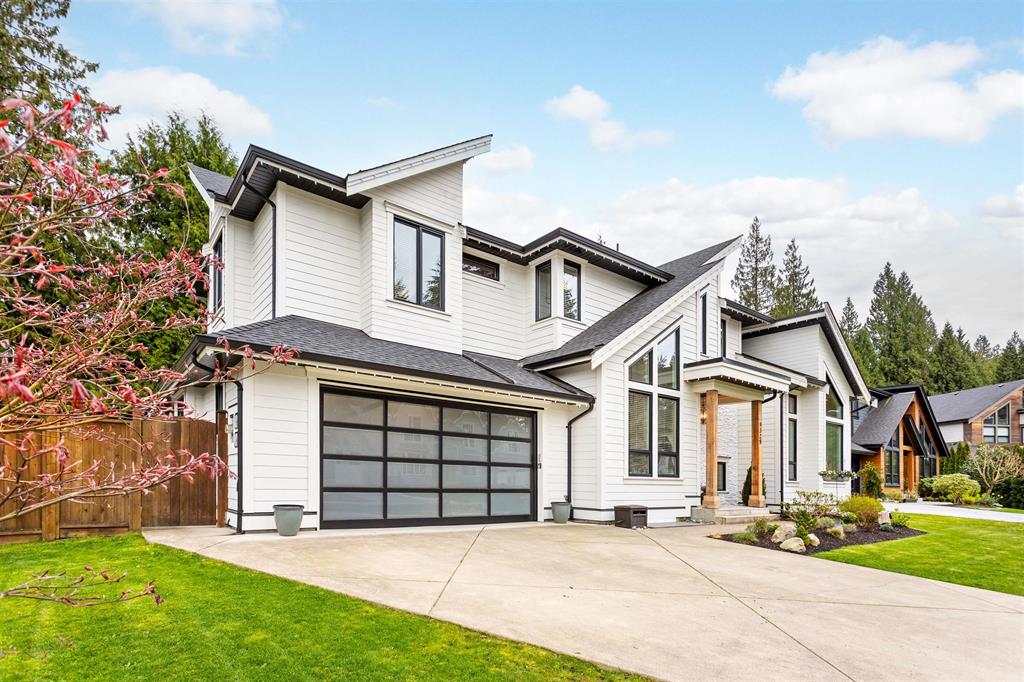
🏡 If that sounds familiar, selling deserves a serious look. It isn't failure. In many cases it's a reset. If you're sitting on a high-value property with a mortgage that dominates your financial life, you may be able to sell, unlock your tax-free equity, and move to a market where that equity goes significantly further. In certain Fraser Valley neighbourhoods, the same equity that's barely keeping you afloat in a Vancouver property could mean a larger home, lower monthly payments, and a completely different financial outlook. Instead of tracking every Bank of Canada announcement with dread, you regain control of your cash flow and your future. It's not the right move for everyone, but it's a conversation worth having before your renewal forces the decision for you.

Related Reading
- Pay Off Your Mortgage FASTER in Canada with This Strategy
- Surrey's Housing Market Just Hit a Breaking Point
- Something WEIRD is Happening in the Surrey Housing Market
The worst position to be in at renewal is reacting under pressure with no preparation and no leverage. Federal regulators and the Bank of Canada have both flagged mortgage renewal risk as one of the biggest financial pressure points facing Canadian households over the next few years. If your renewal is coming up and you want to run through the real numbers for your specific situation, or you want to understand what your equity position could do for you in the Fraser Valley, reach out and let's talk through it calmly and without pressure so you can make a decision based on facts, not fear.

Alex Dunbar Personal Real Estate Corporation
REAL Broker BC Ltd. | Living in the Lower Mainland
Buying, selling or investing in the Lower Mainland? Whether you're new to the area or a longtime local, I'll help you make the right move. Book a 30-minute no-pressure call with me and we'll figure out what works best for you.
Related Posts
Explore the Fraser Valley
Categories
Recent Posts





GET MORE INFORMATION