
Fraser Valley Foreclosures (2026): What the Data Actually Shows
By Alex Dunbar, REALTOR · REAL Broker BC Ltd. · Updated April 2026 · 8min read
Watch the data breakdown above, or read the 2026 written analysis below.
Headlines about a Fraser Valley "foreclosure surge" have been everywhere lately. Distressed sellers, mortgage renewal waves, banks dumping homes at fire-sale prices. The reality is far less dramatic. Real Fraser Valley Real Estate Board data tells a calmer + more useful story: pressure is real, but it's concentrated in specific pockets, the market is not collapsing, and the BC court-ordered sale process is meaningfully different from the US foreclosure model.
AT A GLANCE
Fraser Valley Foreclosures: The 2026 Reality
YTD LISTINGS
346 in 2025
Up from 212 in 2024 (full year). Real increase, but well below the 3-4% of inventory range where distress drags the broader market.
ACTIVE NOW
~1.88%
Of total active Fraser Valley inventory. December seasonality suggests true rate is even lower.
PRESSURE POCKET
Surrey
Highest concentration (~2.16% of Surrey inventory), particularly investor-driven condo product around Surrey Central.
Source: Fraser Valley Real Estate Board listing data (foreclosures that reached the open market, not all legal filings).
In This Guide
Fraser Valley Foreclosures: Data Over Headlines
What "Foreclosure" Actually Means in BC
In BC, what most buyers call a "foreclosure" is technically a court-ordered sale, overseen by the BC Supreme Court. This is meaningfully different from the US foreclosure system, where lenders can move quickly to seize and auction property.
Key BC differences:
- Slower: 6 to 12+ months from first missed payment to public listing.
- Highly Regulated: overseen by the BC Supreme Court at every stage.
- Value-Maximizing: court aims to protect the property's value, not liquidate quickly.
- Homeowner Protections: redemption period gives the homeowner multiple paths to keep + sell the property.
For simplicity, the rest of this article uses "foreclosure" and "court-ordered sale" interchangeably (which is how most buyers + sellers think about it). When this guide refers to numbers, it's specifically foreclosure listings that actually reached the open market, not just legal filings.
The BC Court-Ordered Sale Process
Most cases follow a predictable path. The full timeline from first missed payment to property sale commonly runs 9 to 18 months:
- Months 1-3 (Missed Payments): lender sends reminder + warning notices. Most lenders try to work with the homeowner here, legal action is expensive + time-consuming.
- Months 3-6 (Petition Filed): if unresolved, lender files a petition with the BC Supreme Court to begin formal proceedings.
- Months 4-9 (Order Nisi): court issues an Order Nisi, opening a redemption period (usually 6 months). Homeowner can refinance, sell themselves, or bring the mortgage current.
- Months 9-12+ (Conduct of Sale): if still unresolved, lender applies for Conduct of Sale. Property gets listed (often on MLS) as a court-ordered sale.
- Court-Approved Sale: any accepted offer must go back to court for approval. Other buyers can submit competing offers at the court date; the judge selects the strongest + most reliable offer.
The first time the public typically sees a property labeled as a foreclosure is at the Conduct of Sale listing stage, often 6 to 12 months from the first missed payment. By then, the homeowner has had multiple chances to resolve.
What the FVREB Data Actually Shows
Foreclosure listing data is rising, but the level remains contained:
- 2024 Full Year: 212 foreclosure listings region-wide, all property types.
- 2025 Year-to-Date: 346 listings, up from 2024.
- Active Now: 133 active foreclosure listings, ~1.88% of total active Fraser Valley inventory.
- Distress Threshold: 3 to 4% of inventory is where distressed sales start materially dragging the broader market. We're well below it.
Worth noting: this is December data, which is seasonally low for total inventory (lots of homeowners pull listings before the holidays). The percentage will likely look lower as inventory rebuilds in spring. The increase is real, but the framing matters: market under pressure, not market collapsing.
Headlines that say "foreclosures up 500%" sound dramatic, but a 500% increase from a low base can still be statistically modest in absolute terms. Always check the percentage of inventory, not just the year-over-year delta.
Where the Pressure Concentrates (Surrey vs Langley)
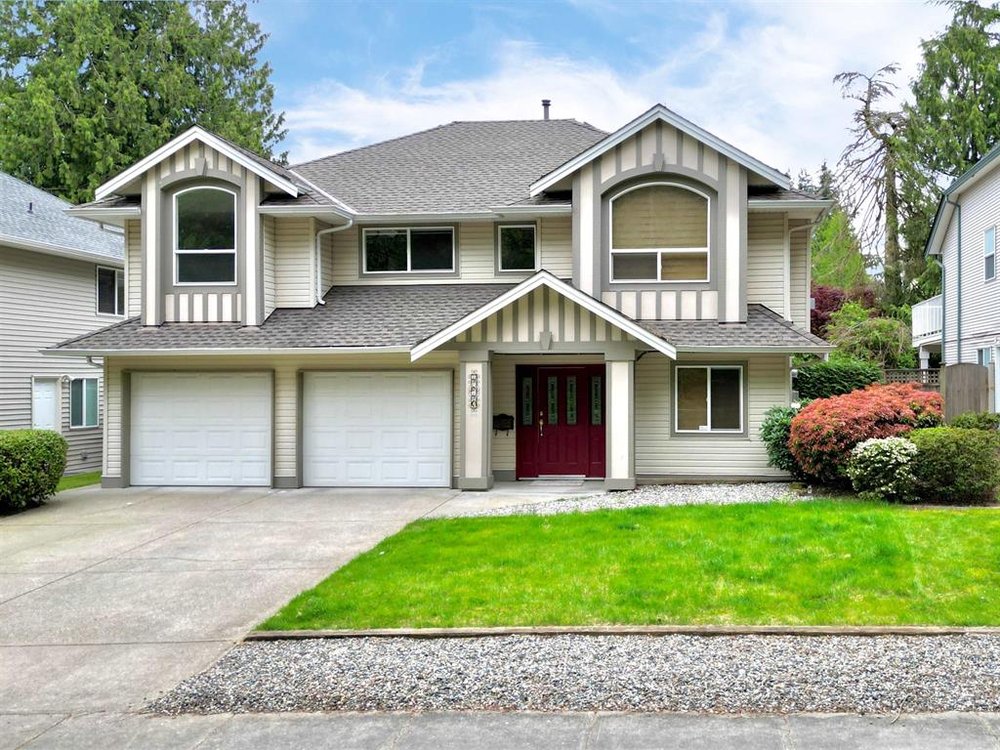
When you break the foreclosure data down by city, the pattern becomes clear: it's not a regional problem, it's a pocket-specific problem.
- Surrey: 121 foreclosure listings in 2024, 198 YTD 2025, 79 currently active. ~2.16% of Surrey's active inventory, the highest concentration in the region. Investor-heavy condo product around Surrey Central + speculative pre-sales drives most of it.
- Langley: 20 foreclosure listings in 2024, 40 YTD 2025, 21 currently active. ~1.59% of Langley's active inventory. A market adjusting to higher borrowing costs, not a market falling apart.
The split aligns with what we already knew: stress concentrates in investor-heavy + speculative-buyer pockets, not in end-user owner-occupier neighbourhoods. Surrey's broader detached + family-focused pockets (Cloverdale, Sunnyside, Morgan Creek, Fraser Heights) look very different from the City Centre condo data.
The Fire-Sale Bargain Myth
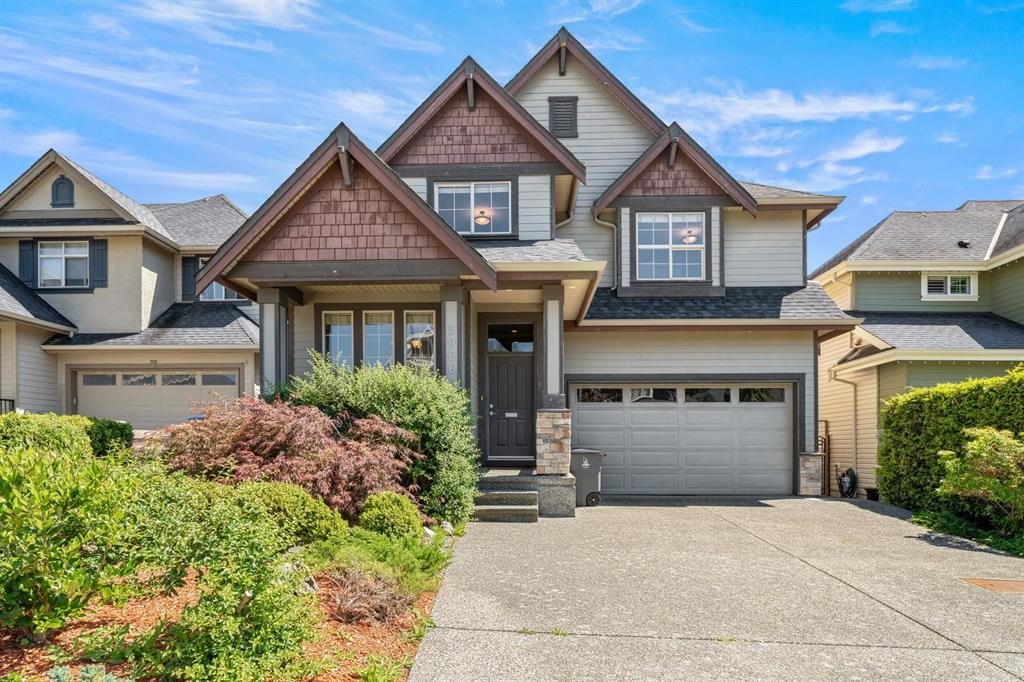
A common misunderstanding: foreclosures = automatic huge discounts. Buyers picture US-style auctions where banks dump properties at fire-sale prices. That's generally not how it works in BC.
- Courts maximize value: the goal is to protect the property's worth + recover what's owed, not liquidate fast.
- Open-market exposure: properties get listed publicly, not auctioned blindly.
- Court competition: buyers can submit competing offers at the court hearing, which often pushes prices up, not down.
- Equity preservation: many homes still have meaningful equity, lenders are motivated to recover as much as possible.
Discounts do happen, but they're usually modest. Walking in expecting US-style fire-sale prices almost always leads to disappointment. The opportunity is real, just not the way social media portrays it.
The Real Risks of Buying a Court-Ordered Sale
Court-ordered sales come with material trade-offs. Understand these before chasing the perceived discount:
- Sold "As Is, Where Is": no warranties, no representations. Limited access during showing. Uncertain condition.
- Deferred Maintenance: distressed homeowners often defer repairs. Utilities may be off. Mechanical systems may be in unknown condition.
- Tight Timelines: court scheduling can force you to make decisions without your normal due-diligence window.
- Financing Complexity: some lenders treat court-ordered sales differently. Check with your broker before writing.
- Court-Hearing Risk: you can prepare a full offer + lose it to a competing buyer at the court date, even after weeks of work.
- Pre-Completion Damage: in worst-case scenarios, distressed homeowners have damaged the property between accepted offer + completion (ripped-out appliances, wiring, even concrete poured into plumbing). Recourse is limited.
Court-ordered sales reward experienced + well-advised buyers. Inexperienced buyers chasing the "discount" headline often get burned on a combination of these risks.
What This Means for Buyers + Sellers
For homeowners: rising foreclosure activity does not automatically mean values are collapsing. Most Fraser Valley homeowners are not distressed. Most areas are still supported by end-user demand. The pressure is concentrated, especially in investor-driven condo pockets, not across the board.
For buyers: court-ordered sales can offer real opportunity in the right pocket (Surrey condos, specific investor-driven product) but carry due-diligence load most buyers underestimate. Walking in with US-foreclosure expectations sets you up for disappointment.
Looking ahead: more pre-sale completions are landing in late 2025 + into 2026. Some buyers won't be able to complete (income tightened, financing changed, market softer than expected). Expect continued selective pressure where speculation was strongest. This still looks more like a market cleanup than a full-scale collapse.
If you want a breakdown specific to your situation (whether you're shopping a court-ordered sale, worried about your own renewal, or just trying to understand the data), book a call. We'll put the numbers into real-world context without the fear-based spin.
Frequently Asked Questions
Are Fraser Valley foreclosures actually surging in 2026?
Foreclosure listings are up year-over-year (212 in 2024 vs 346 so far in 2025), but the level remains below the 3 to 4% of inventory range where distressed sales typically start dragging the broader market. At about 1.88% of active inventory currently, this is a market under pressure, not one that's collapsing. The increase is real; the framing matters.
What does "foreclosure" actually mean in BC?
In BC, what most buyers call a "foreclosure" is technically a court-ordered sale, overseen by the BC Supreme Court. The process is slower + more regulated than the US system. Lenders cannot just seize + auction property quickly. The court aims to protect property value while letting the lender recover what they're owed. Timelines from first missed payment to public listing are commonly 6 to 12 months.
How does the BC foreclosure process actually work?
1) Months 1 to 3 of missed payments: lender sends reminder + warning notices, tries to work with the homeowner. 2) Months 3 to 6: if unresolved, lender files a Supreme Court petition. 3) Months 4 to 9: court issues an Order Nisi, opening a redemption period (usually 6 months) where the homeowner can refinance, sell themselves, or bring the mortgage current. 4) If still unresolved: lender applies for Conduct of Sale; property gets listed (often on MLS) as a court-ordered sale.
Where is the foreclosure pressure most visible in 2026?
Surrey leads (198 listings YTD 2025, 79 active, ~2.16% of inventory), particularly in investor-heavy condo pockets around Surrey Central. Langley remains relatively stable (40 listings YTD, 21 active, ~1.59% of inventory). The pressure is concentrated, not regional. Most Fraser Valley homeowners are not distressed, and most areas are still supported by end-user demand.
Are court-ordered sales actually a great deal?
Often less than buyers expect. Courts aim to maximize value, not liquidate quickly. Properties get exposed to the open market, and competing offers at the court hearing can push prices higher (not lower). Many homes still have meaningful equity. Discounts happen but are usually modest. Expecting US-style fire-sale prices in BC almost always leads to disappointment.
What are the real risks of buying a court-ordered sale?
Properties are sold "as is, where is" with limited access, uncertain condition, and no warranties. Utilities may be off, maintenance may have been deferred, financing can be more complicated due to court timelines. You can prepare an offer + lose to a competing buyer at the court hearing. There are also stories of distressed homeowners damaging the property between accepted offer + completion (ripping out appliances, wiring, plumbing) with limited recourse. Real opportunity, real due-diligence load.
Who is actually defaulting in this cycle?
Most stress traces back to leverage + speculation during the ultra-low rate environment. Pre-sale commitments, investor-style condos, and units bought on the assumption that prices + assignment fees would always rise are now the most-strained category. End-user owner-occupier mortgages on detached homes with normal underwriting are largely fine. The pattern fits a focused cleanup, not a broad collapse.
What does this mean for buyers + sellers in 2026?
For buyers: court-ordered sales can offer opportunity in the right pocket (Surrey condos, specific investor-driven product) but require careful due diligence + experienced guidance. Going in with US-foreclosure expectations leads to disappointment. For sellers: rising foreclosure activity does not mean your home value is collapsing if you're an end-user homeowner in a stable pocket. The data + the headlines often disagree; trust the data.
Worried about the foreclosure data?
Let's put your situation in real-world context.
Book a call. We'll walk through what the data actually means for your buying, selling, or renewing situation, without the headline spin. Or run your renewal numbers through the Mortgage Calculator first.

Alex Dunbar Personal Real Estate Corporation
REAL Broker BC Ltd. | Living in the Lower Mainland
Buying, selling or investing in the Lower Mainland? Whether you're new to the area or a longtime local, I'll help you make the right move. Book a 30-minute no-pressure call with me and we'll figure out what works best for you.
Foreclosure data + market dynamics evolve. Numbers reflect FVREB listing data captured at time of writing (2025-12 to 2026-04). For current data, consult the FVREB monthly statistics package or work with your REALTOR. This is general analysis, not legal or financial advice.
Categories
Recent Posts


GET MORE INFORMATION