
Mortgage Fraud in Canada (2026): The Renewal Wave and What Buyers + Homeowners Need to Know
By Alex Dunbar, REALTOR · REAL Broker BC Ltd. · Updated April 2026 · 10min read
Watch the full video above, or read the 2026 written breakdown below.
Mortgage fraud is one of the quieter but bigger risks in Canadian real estate right now, and not just at the headline level. It's the collision of three things: a massive mortgage renewal wave, rising delinquencies, and a layer of boom-era lending decisions that didn't age well. Most of this isn't about obvious fake documents. It's about how aggressive deals from the boom show up at renewal, why outlier sales pollute pricing data, and how to position your file (or your offer) so you're not on the wrong side of it.
AT A GLANCE
The 2026 Mortgage Pressure Map
RENEWAL WAVE
2M+ Loans
Canadian mortgages renewing over the next 12 to 24 months. Most originated 2020 to 2021 at near-record-low rates.
PAYMENT SHOCK
$300 to $1K+
Typical monthly payment increase per household at renewal as rates reset 3 to 4 percentage points higher.
YOUR DEFENSE
Stress Test
Plug your current balance into a rate 3 points higher than today on the same amortization. The number tells you whether to act early.
This is not a prediction of a national crash. It IS a map of where pressure is concentrated, what risks stack on each other, and how clarity on YOUR position protects you regardless of headlines.
In This Guide
Mapping the Mortgage Pressure of 2026
1. The Renewal Wave (2 Million+ Mortgages)
Over the next two years, more than 2 million Canadian mortgages are coming up for renewal. Most were originated between 2020 and 2021, when rates were at historic lows and borrowing felt almost painless. Those homeowners are not renewing at similar rates: many are renewing 3 to 4 percentage points higher.
The math is the story:
- A $600,000 mortgage at 2.0% on a 25-year amortization carries about $2,540 per month.
- The same balance at 5.5% on the same amortization runs about $3,650 per month, $1,100 more per month, every month.
- On a $1.0M mortgage, the same rate jump is closer to $1,800 per month.
The loan balance hasn't materially changed. The carrying cost has, dramatically. That payment shock isn't evenly distributed across the country: it concentrates in households who bought at the peak with smaller down payments, and condos with weaker rental income offsets.
2. The Rate-Shock Math
A renewal wave isn't unusual. This happens every cycle. What's different this time is the position Canadians are entering renewals in: more debt, less savings, and higher living costs than they had five years ago.
The compounding factors:
- Household savings rates are back below pre-pandemic levels.
- Credit card balances + lines of credit are higher than they were heading into the boom.
- Cost-of-living inflation (groceries, gas, ICBC, utilities) has eaten into discretionary income.
There's less financial cushion. That means even technically-qualified borrowers can feel pressure quickly when payments reset. Run the numbers honestly. The optimistic version of your renewal is not the one you should be planning for.
3. Why Rising Delinquencies Matter
CMHC + major lender data shows mortgage delinquencies, while still low overall, are clearly rising from historic lows. That matters even when the absolute numbers are small. A sharp move from very low levels is often the first sign of stress spreading through the system.
Read it as a signal, not a verdict. The system isn't broken. The early warning indicator is on. Lenders see this data faster than the public does, and their behaviour (tighter underwriting, more conservative appraisals, faster repricing of stressed borrowers) tightens credit before the headlines catch up.
4. Where the Pressure Shows First
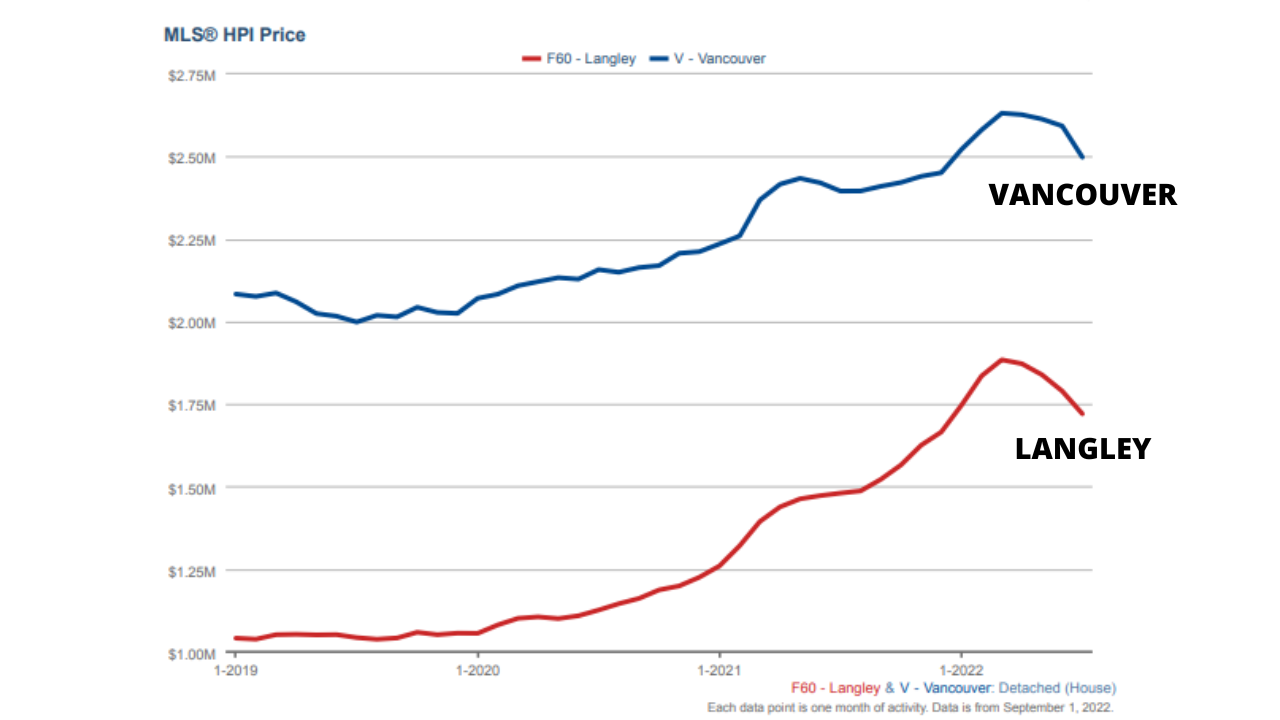
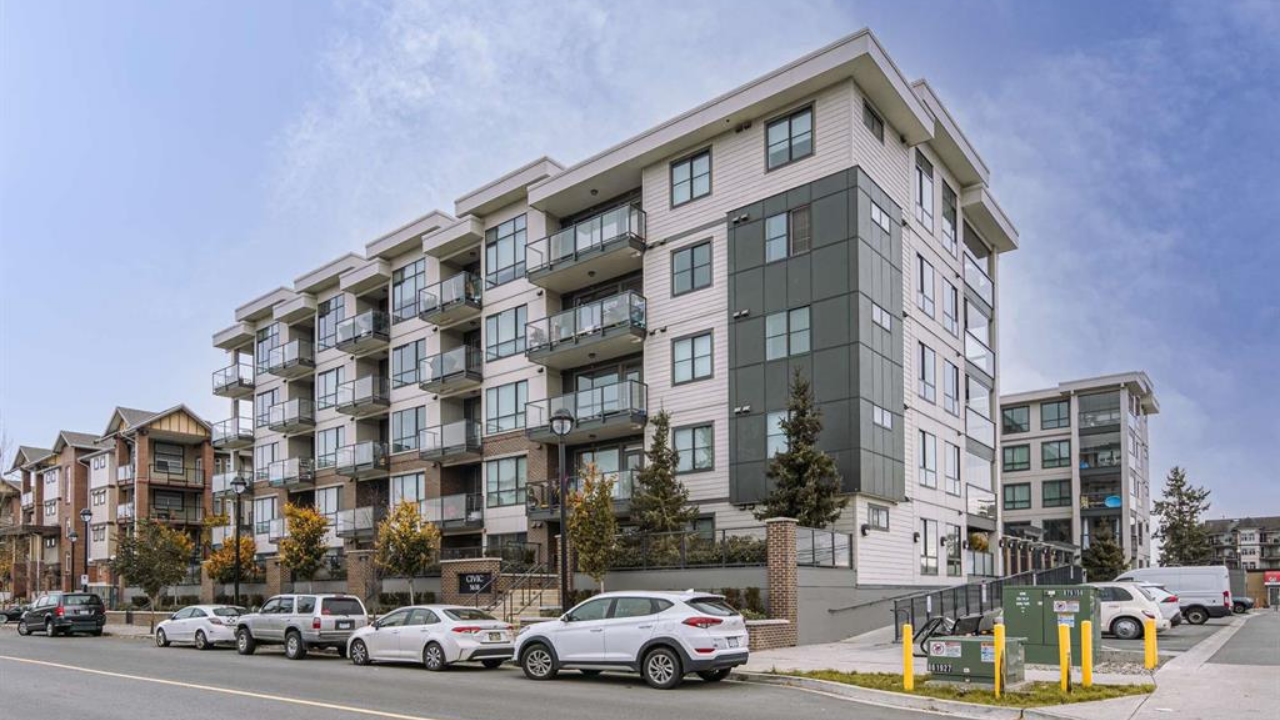
Pressure shows up first in the segments most exposed: condo-heavy markets, especially Toronto. Surrey, Langley, and surrounding Fraser Valley regions are starting to surface as well. Owners who bought during the pandemic years paid record-high prices, locked in low rates, and assumed rising rents and stable values would carry them through.
Many of those assumptions no longer hold true:
- Prices in many condo sub-markets haven't grown the way owners expected.
- Carrying costs are meaningfully higher (renewal + strata-fee + insurance increases all stacking).
- Renewal payments are arriving when household budgets are already stretched.
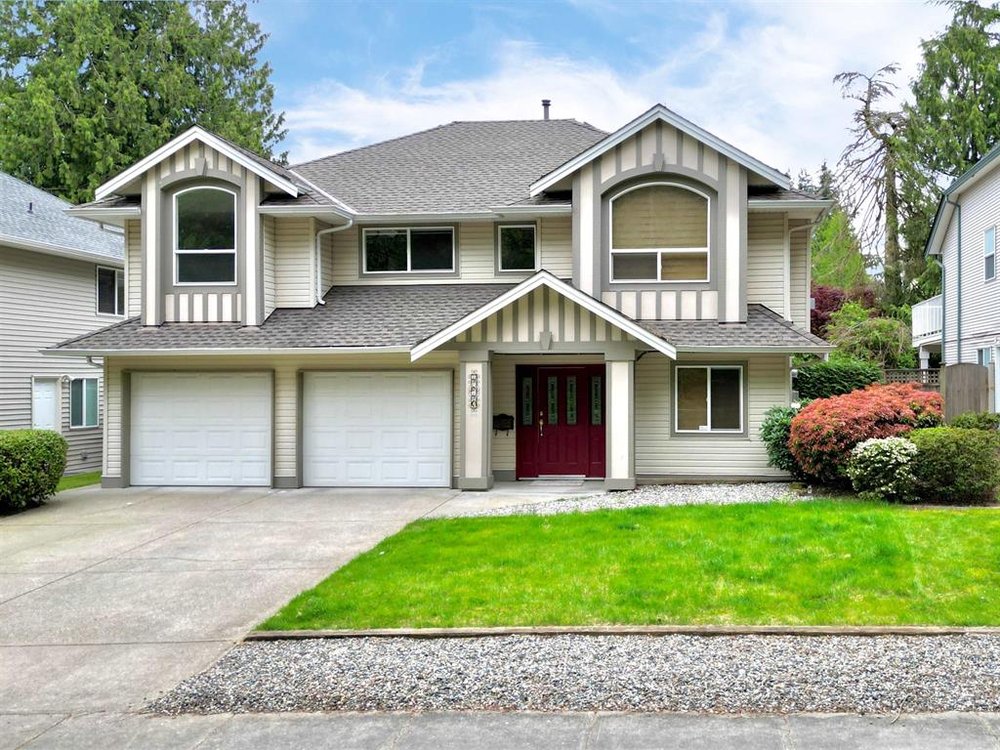
Detached + townhomes with realistic pricing and genuine end-user demand are holding up better. Investor-heavy condos, small units priced aggressively, and buildings with financial or construction question marks are under the most pressure.
5. Boom-Era Fraud Patterns Evolved
During the boom, lending decisions were made under extremely optimistic assumptions. Some were aggressive but legitimate. Others crossed the line. Regulators have now confirmed that fraudulent or improper mortgage practices didn't disappear: they evolved.
Instead of obvious fake-income documents, the patterns regulators are flagging are more subtle:
- Undisclosed cash backs: seller or builder incentives that effectively fund the buyer's down payment without showing on the contract or appraisal.
- Inflated appraisals: values that don't reflect comparable sales but support a higher loan amount.
- Off-the-books incentives: side deals (free upgrades, parking, lockers, deferred fees) that change the real economics of the deal but don't move the headline price.
These tactics let deals close at headline prices that don't reflect true market value. Many of these mortgages are still active today. On the surface everything looks fine, payments are being made and there's no immediate default. But a loan that works at 2% doesn't tell you whether it works at 5% or 6%. When renewal arrives, the real stress test begins.
6. Outlier Sales Pollute Pricing Data
Across many condo buildings, pricing is generally consistent: comparable units cluster within a relatively tight range. Then periodically you see clear outliers, single units selling far above the established range with no obvious explanation tied to size, layout, exposure, or condition.
Industry analysts and regulators have flagged these anomalies as warning signs because they often don't reflect true market demand. The problem: outlier sales don't get filtered out of the system. Once recorded:
- They become part of the official sales history.
- They're pulled into appraisal models and used as comps.
- They anchor expectations for future buyers and sellers.
Even when a transaction was supported by unusual incentives, aggressive financing structures, or non-transparent concessions, the headline price still influences how the market appears to be performing. Over time, that distorts pricing signals and makes a market look stronger or more stable than it actually is in economic terms.
7. Why Clean Files Still Feel It
You don't need to have done anything wrong to feel the impact. You could have a clean mortgage, steady income, and plenty of equity, and still see the value of your unit affected if prices in your building or neighbourhood were supported by weak data, aggressive lending, or questionable deals.
Real estate works as a system. Problems in one part don't stay isolated:
- Lenders losing confidence in appraisals or borrower quality become more cautious.
- That makes financing harder for legitimate buyers.
- Which puts downward pressure on prices, especially in segments already stretched.
This is the contagion mechanism + it's also why we're seeing such a clean split in performance: properties with solid fundamentals + realistic pricing hold up; investor-heavy condos and aggressively-priced units feel the renewal wave first.
8. Your Buyer + Homeowner Playbook
If you own and your mortgage renews in the next 12 to 24 months:
- Run the math honestly. Plug your current balance into a rate 3 percentage points higher on the same amortization. The number is your reality check.
- Review the original mortgage paperwork. If anything felt rushed, unclear, or aggressive at the time, don't assume it sorts itself out at renewal.
- Talk to a broker 6 to 12 months before renewal. Lenders are more flexible with borrowers who act early. Last-minute renewals deliver the worst options.
- Know your levers: extending amortization, switching lenders, accelerated payments now, or a strategic sale on your timeline rather than the lender's.
If you're buying right now:
- Insist on a fully underwritten pre-approval. Quick online estimates aren't enough.
- Compare appraised value against multiple recent comps. Treat any high outlier as a warning, not a benchmark.
- Read the strata documents. Form B, depreciation report, two years of minutes, insurance certificate, contingency reserve fund.
- Use the Mortgage Calculator to model your monthly + total cost across multiple rate scenarios before you write the offer.
The next phase of this market won't be driven by interest-rate cuts alone. It'll be shaped by affordability, confidence in the data, and how clearly buyers + homeowners understand their financial position. Clarity matters more than headlines.
Frequently Asked Questions
Why is mortgage fraud rising in Canada right now?
Two compounding pressures. First: roughly 2 million Canadian mortgages are renewing over the next two years, most originated in 2020 to 2021 at near-historic-low rates. Many are renewing at 3 to 4 percentage points higher, which is hundreds to over $1,000 per month of additional carrying cost. Second: lending decisions made during the boom (some legitimate-but-aggressive, others over the line) are now hitting reality. CMHC + lender data shows mortgage delinquencies rising from historic lows. The combination is what regulators are paying closer attention to.
What kinds of mortgage fraud are regulators flagging?
Less obvious than fake T4s. The current pattern is undisclosed cash backs (incentives that effectively fund the buyer's down payment without showing on the contract), inflated appraisals, and off-the-books incentives that allow deals to close at headline prices that don't reflect true market value. These are typically buried in side agreements + verbal representations and only surface during an audit, default, or appraisal challenge.
Why do outlier sales matter even if I never bought one?
Once a sale is recorded in MLS + at the Land Title Office, the headline price becomes part of the official sales history. It pulls into appraisal models and gets referenced by buyers + sellers anchoring expectations. If a transaction was supported by aggressive financing structures, undisclosed concessions, or fraud, the headline price still influences how the market appears to be performing. That distorts pricing signals and can make a market look stronger than it actually is.
Could a clean mortgage holder be affected by other people's fraud?
Yes. Real estate works as a system. If prices in your building or neighbourhood were partly supported by weak data, aggressive lending, or questionable deals, your unit's value is exposed when the market reprices. The properties holding up best right now have solid fundamentals, realistic pricing, and genuine end-user demand. The properties under the most pressure are investor-heavy condos, small units priced aggressively, and buildings with financial or construction question marks.
How big is the renewal wave actually going to be?
Bank of Canada + CMHC analysis points to over 2 million Canadian mortgages renewing in the next 12 to 24 months, with payment shock of typically $300 to $1,000+ per month per household once rates reset. The shock isn't evenly distributed: variable-rate borrowers who avoided trigger-rate adjustments and 5-year fixed borrowers from the 2020 to 2021 cohort are most exposed. Households with strong cash flow and prudent debt levels absorb it; over-leveraged households often can't.
How should I stress-test my own mortgage before renewal?
Take your current outstanding balance and plug in a rate 3 percentage points higher than what you're paying today, on the same remaining amortization. Compare the new payment to your current monthly budget. If it feels tight, that's useful information, not failure. Options: extend amortization at renewal (lowers payment, raises total interest), shop the renewal across lenders (use a broker), make accelerated payments now while rates are still low, or sell + downsize on your timeline rather than the lender's. Talk to a broker 6 to 12 months before renewal, not 30 days before.
Is this a national crash signal?
No. Canada is not facing a single national crash scenario. What we're seeing instead is concentrated pressure in specific segments (investor-heavy condos in Toronto and Vancouver, certain Surrey + Fraser Valley buildings, aggressively-priced small units), risks stacking on top of each other, and a market adjusting after an unusually aggressive cycle. Headlines can swing the perception, but the practical playbook is clarity on YOUR position, not panic at the macro level.
I'm thinking about buying right now. What's the smart play?
Three things. (1) Insist on a fully underwritten pre-approval, not a quick online estimate. (2) Compare appraised value against multiple recent comps and treat any high outlier as a warning sign, not a benchmark. (3) Get the strata documents + read them, especially the financial statements and contingency reserve fund, to make sure the building is healthy at a corporate level. The properties with solid fundamentals will hold up. The properties propped up by aggressive financing won't.
Renewing in the next 12 to 24 months?
Let's map your numbers BEFORE the renewal letter arrives.
Book a call. We'll walk through your renewal exposure, your options (extend, switch, sell, accelerate), and connect you to a BC mortgage broker on my short list if you want a fully underwritten review. Or run the rate-shock math yourself with the Mortgage Calculator.

Alex Dunbar Personal Real Estate Corporation
REAL Broker BC Ltd. | Living in the Lower Mainland
Buying, selling or investing in the Lower Mainland? Whether you're new to the area or a longtime local, I'll help you make the right move. Book a 30-minute no-pressure call with me and we'll go over your goals, timeline and budget.
Featured Guides
This article is educational and does not constitute financial, legal, or mortgage advice. Verify your specific renewal options, qualifying criteria, and lender choices with a licensed mortgage broker before acting. References to renewal volumes, delinquency trends, and outlier-sale dynamics paraphrase publicly-reported analysis from CMHC, the Bank of Canada, OSFI, and major Canadian lenders.
Categories
Recent Posts



GET MORE INFORMATION