
Mortgage Pre-Approval in BC (2026): The Complete Buyer Guide

By Alex Dunbar, REALTOR · REAL Broker BC Ltd. · Updated April 2026 · 10min read
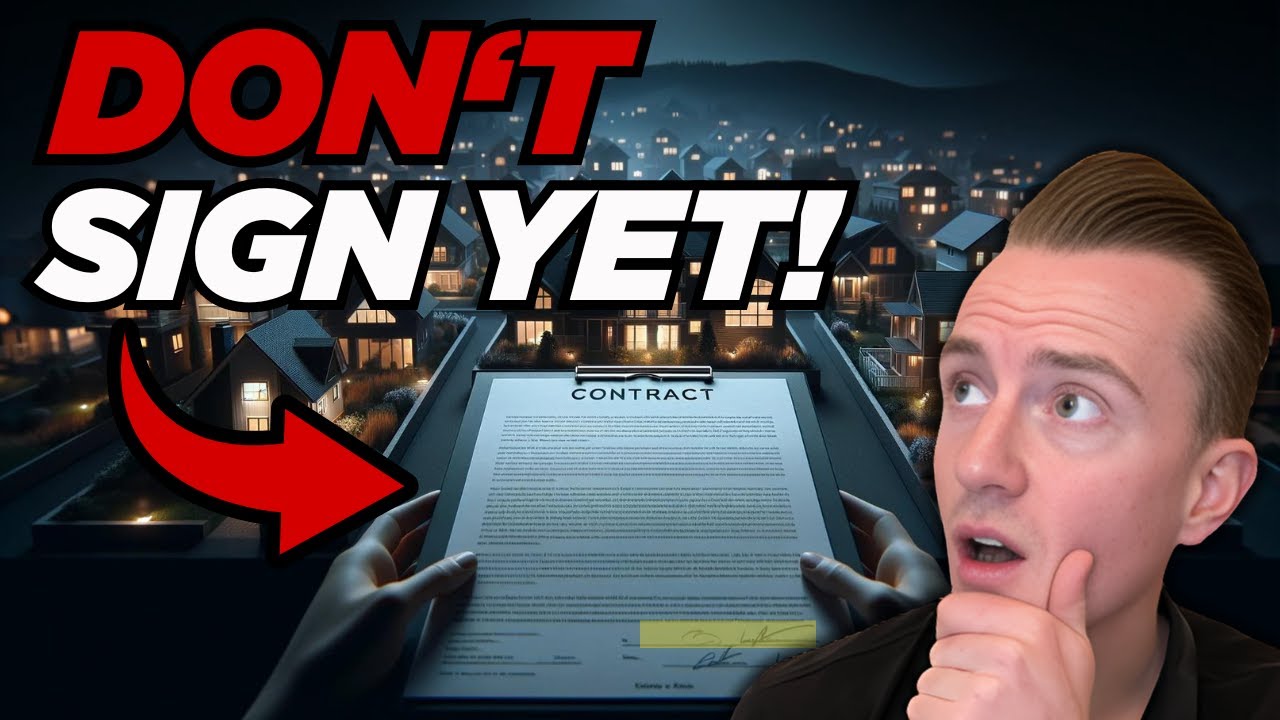
Watch the full video above, or read the 2026 BC-focused written version below.
What is a mortgage pre-approval and how do I get one in BC? Pre-approval is a written commitment from a Canadian lender at a specific dollar amount and rate, valid for 90 to 120 days. You provide ID, income docs, credit consent, and down-payment proof. The lender stress-tests your file (B-20 rule) and issues the commitment. In the Fraser Valley, no listing agent will treat your offer as serious without a written pre-approval letter attached. The 5-step process below is what separates buyers who close on offer day from buyers who get out-bid.
AT A GLANCE
BC Mortgage Pre-Approval Numbers That Matter
VALIDITY + RATE HOLD
90 to 120 Days
Your rate cannot move up during the hold period. If rates drop, most brokers float you down at funding.
STRESS TEST FLOOR
~5.25% or +2%
B-20: qualify at the GREATER of contract rate +2% OR the Bank of Canada qualifying rate. Pulls max-purchase-price down 15% to 25%.
TURNAROUND
1 to 3 Days
Through a broker on a clean file. Bank branch typically 5 to 10 days. Self-employed or rental income files run longer.
Stress-test floor reviewed periodically by OSFI. Confirm the current qualifying rate with your mortgage broker before applying.
In This Guide
5-Step Process + Stress Test + Validity
Pre-Approval vs Pre-Qualification
These two terms get used interchangeably and they should not be. The difference is the gap between a coffee-shop conversation and a written commitment from a lender.
Pre-qualification: a soft conversation. You tell a lender your income and debts. They run a mental calculator and tell you a rough max purchase price. Nothing is verified, no credit pull, no document package, no commitment. Useful for a back-of-envelope number, useless for an offer.
Pre-approval: the real product. Hard credit pull, full documentation (T4, NOAs, paystubs, ID, bank statements), written commitment letter at a specific dollar amount and rate, valid 90 to 120 days. This is what your REALTOR attaches to your offer in the Fraser Valley.
REAL-WORLD CONSEQUENCE
In a multiple-offer Fraser Valley situation, the pre-approved buyer at $850,000 with subjects beats a pre-qualified buyer at $870,000 with a "I think I can get financing" letter every time. Listing agents call lenders to verify. A pre-qualification will not survive that call. A written pre-approval will.
The 5-Step Pre-Approval Process
From "thinking about buying" to "written pre-approval letter in your inbox" usually takes 1 to 3 weeks if you are efficient and have a clean file. The 5 steps below are the same whether you are a first-time buyer in Surrey or a move-up buyer in Maple Ridge.
1. Pull Your Credit Reports First
The move: Pull your free Equifax and TransUnion reports before any lender pulls.
How it works: Both bureaus offer free consumer access. Review for errors, old collections that should be aged off, and any account you do not recognize. Disputes typically resolve within 30 to 60 days. Catching a $200 phone bill in collections from 5 years ago can be the difference between a 4.99% A-lender rate and a 6.99% B-lender rate, on the same purchase price.
What to watch for: Hard inquiries (a lender pulling your credit) ding your score 5 to 10 points. Soft inquiries (your own pull) do not. So always pull yourself first, fix what is fixable, then approach lenders.
2. Gather Your Document Package
The move: Assemble the full document set before you talk to any lender.
How it works: Standard A-lender package: government photo ID, last 2 years of T4 slips, last 2 years of Notices of Assessment from CRA, last 2 paystubs (or letter of employment), 90 days of bank statements showing the down-payment funds, signed gift letter if any down-payment money is gifted. Self-employed adds T1 Generals and business financial statements.
What to watch for: A complete file submitted to a broker on Monday morning typically returns a written pre-approval by Wednesday. An incomplete file with documents trickling in over the week can stretch to 10+ business days and waste your rate-hold runway.
3. Choose Broker, Bank, or Credit Union
The move: Decide your distribution channel before you apply.
How it works: A mortgage broker shops your file across 30 to 50+ lenders at no cost to you (the lender pays the broker on funding). A bank branch sees only its own products. A credit union is a hybrid. For most BC buyers, broker wins on rate and product mix. Bank wins when you have a long-standing relationship and qualify for an existing-customer discount.
What to watch for: Going to multiple lenders directly (one bank, then another, then a broker) creates multiple hard inquiries and tanks your score. Pick one channel. If you choose broker, your one application gets shopped without further inquiries.
4. Submit the Formal Application
The move: Complete the full application with broker or banker.
How it works: The application is detailed: full income, all debts (credit cards, lines of credit, car loans, student loans, child support), down-payment source and amount, target purchase price band, target completion timing. Be honest about every debt; lenders pull your credit and will catch undisclosed accounts. An undisclosed credit card kills the file.
What to watch for: Tell the broker your maximum target price AND your comfort target price. Lenders qualify you for the maximum number, but the comfort number is what you should actually offer at. Many BC buyers in 2024-2025 maxed out at qualification and then got squeezed by interest-rate-renewal shock.
5. Receive the Written Pre-Approval
The move: Get the commitment letter in writing.
How it works: A written pre-approval letter from a lender includes: maximum mortgage amount, contract rate, term (typically 5yr fixed or 5yr variable), amortization (25 or 30yr), validity dates (90 to 120 days from issue), and any conditions (appraisal subject to property, income re-verification at funding).
What to watch for: Save the letter as a PDF and forward it to your REALTOR. Without a written pre-approval, your offer goes to the bottom of the seller's pile in any multiple-offer situation. With one, your offer is taken seriously.
Documents You Need (BC A-Lender)
A complete file is the difference between a 1-day pre-approval and a 10-day one. Have all of this ready BEFORE the broker meeting:
- Government Photo ID: driver's license or passport, both sides if license. Lender verifies identity at funding.
- Last 2 Years of T4 Slips: from every employer. Self-employed substitute T1 General + Notice of Assessment.
- Last 2 Notices of Assessment (NOAs): from CRA, confirms income and shows any tax owing. Outstanding tax debt to CRA blocks pre-approval until resolved.
- Last 2 Paystubs (or Letter of Employment): letter must include start date, position, salary or hourly rate, and hours per week.
- 90 Days of Bank Statements: showing the full down-payment amount, no recent unexplained large deposits. Lenders flag transfers from unverified sources.
- Gift Letter (if applicable): if any portion of the down payment is gifted from a parent or family member, signed letter stating it is a true gift, not a loan, with no repayment expected.
- Schedule A (if rental income): rent rolls, T776 statements, lease agreements. Most A-lenders will count 50% to 80% of rental income toward qualification, depending on lender.
The Stress Test (B-20 Rule)
The single most important number that determines your pre-approval ceiling. OSFI's B-20 rule requires you to qualify at the GREATER of:
- Your contract rate plus 2%, OR
- The Bank of Canada qualifying rate (currently around 5.25%, verify with your broker)
CONCRETE EXAMPLE
A buyer earning $150,000/year, no debts, 20% down, applying for a 5yr fixed at 5%: the lender qualifies you at 7% (5% + 2%). Real payment on $700,000 mortgage = $4,050/month. Stress-test payment = $4,930/month. The qualifying ratio uses the $4,930, which means you might qualify for $700k instead of $810k at the real rate. The stress test pulls max purchase price DOWN 12% to 18% across most BC scenarios.
The stress test cannot be avoided on insured mortgages (less than 20% down). It applies to almost all conventional A-lender mortgages too. Some B-lenders and credit-union products are exempt, but you typically pay for the exemption with a higher rate.
Validity Period + Rate Hold
Most BC pre-approvals hold for 90 to 120 days from issue date. Some lenders extend to 130 days. The rate hold is the value driver:
Rates rise during the hold: your rate cannot move up. You are locked in at the rate quoted on issue date.
Rates drop during the hold: most brokers will float you down to the new lower rate at funding. Always ask before signing the commitment letter whether the broker offers float-down. If not, switch to one that does.
Hold expires before you find a home: re-document and re-submit. Income, credit, and debt are re-verified. New commitment issued at current market rate.
In a fast Fraser Valley market (most months), 90 days is enough to view, offer, and close. In a slower stretch or for a buyer being picky on neighbourhood, plan to re-up at day 90 to keep the rate hold alive.
Broker vs Bank vs Credit Union
For most Fraser Valley buyers, a mortgage broker wins on rate and product mix. Three reasons:
Lender access: a broker shops 30 to 50+ lenders at once. A bank branch sees only its own products. A credit union sees its own + a few partner brands. The wider the lender pool, the better your odds of an outlier rate or fit-for-file product.
Specialist routing: self-employed, rental income, recent credit event, non-traditional down payment, all benefit massively from a broker who routes to a specialist lender. Big banks reject these files at the door.
Cost to you: zero for A-lender deals. The lender pays the broker on funding. The price you see is the price you pay. B-lender deals carry a broker fee (typically 1% of mortgage), disclosed up front.
When the bank wins: existing-customer relationship discounts on a long-tenured account, a "rapid pre-approval" track if you already have a private banker, or specific rewards programs that offset rate. If your bank quotes you 0.10% to 0.15% better than a broker, take it. Beyond that, the broker route is almost always cheaper net.
What Changes (and What Does NOT) After Pre-Approval
A common buyer mistake: treating pre-approval as a guarantee. It is not. The pre-approval is conditional on:
Property meeting appraisal: the lender appraises the property before funding. Low appraisal = either a price renegotiation or a larger down payment from your pocket.
Your financial situation not changing: do NOT change jobs, take on a new car loan, max out a credit card, or co-sign anything between pre-approval and funding. The lender re-pulls your credit at funding. New debt or a credit-score drop kills the file.
No undisclosed property issues: former grow-op, asbestos remediation needed, illegal suite, structural deficiency. The lender's appraiser flags these. Your inspection should catch them before subject removal.
Bottom line: ALWAYS keep a financing subject in your offer until your broker confirms the file is clear-to-fund. Even a strong pre-approval can collapse on appraisal or undisclosed credit changes.
Common Mistakes to Avoid
- Confusing pre-qualification with pre-approval: a verbal "you should qualify for around $800k" is worth nothing in a multiple-offer situation. Get the written commitment letter.
- Maxing out at the qualification ceiling: just because you qualify for $1,000,000 does not mean you should buy at $1,000,000. Renewal-rate shock at year 5 is real. Build in a 10% to 20% buffer.
- Submitting incomplete documents: a missing T4 or NOA can stretch a 1-day pre-approval into a 10-day one. Have everything ready before the first meeting.
- Shopping multiple banks directly: each one pulls credit. 4 hard pulls in a week tank your score 20 to 40 points. Pick a broker; one application, no further inquiries.
- Taking on new debt during the rate hold: a new car loan or credit-card balance kills the file at funding. The lender re-pulls credit before releasing funds.
- Ignoring the float-down clause: if rates drop 0.5% during your 90-day hold, that is $20,000+ in interest savings on a typical Fraser Valley mortgage. Confirm the float-down policy in writing before signing the commitment.
- Waiving the financing subject in a multiple-offer: never do this without your broker confirming clear-to-fund in writing. A strong pre-approval is conditional, not guaranteed. The deposit you forfeit on a financing failure can be 5% to 10% of purchase price.
Frequently Asked Questions
How long does mortgage pre-approval take in BC?
A clean, complete file takes 1 to 3 business days through a mortgage broker, sometimes same-day if you submit before noon and your documents are ready. A bank branch path can take 5 to 10 business days because it routes through more internal queues. Expect longer if you are self-employed, hold rental income, or have credit blemishes that need underwriter review.
How long is a Canadian mortgage pre-approval valid?
Most pre-approvals hold for 90 to 120 days. Some lenders extend to 130 days. The rate hold means your rate cannot move up during that window even if market rates rise. If rates drop, most brokers will float you down to the new rate at funding. After expiry, you re-document income and credit and the lender re-issues.
Pre-approval vs pre-qualification, what is the difference?
Pre-qualification is a soft conversation: you tell a lender your income and debts, they tell you a rough max purchase price. Nothing is verified, no credit pull, no document review. Pre-approval is the real deal: hard credit pull, full document package (T4, NOAs, paystubs, ID, bank statements), and a written commitment from the lender at a specific dollar amount and rate. Sellers and listing agents in the Fraser Valley will not take your offer seriously without a written pre-approval.
Does pre-approval guarantee my mortgage will fund?
No. A pre-approval is conditional on the property meeting the lender's appraisal, on your financial situation not changing, and on the deal making it through underwriting at funding. Common reasons a pre-approved buyer is declined at funding: appraisal comes in below purchase price, buyer changed jobs or took on new debt during the subject-removal window, or the property has issues (former grow-op, asbestos, structural). Always keep subjects in your offer until financing is confirmed.
What is the stress test and how does it affect my pre-approval?
The B-20 stress test is OSFI's rule that you must qualify at the GREATER of your contract rate plus 2% OR the Bank of Canada qualifying rate (currently around 5.25%). On a $700,000 mortgage at 5%, your real payment is roughly $4,050/month, but you must qualify at the stress-test rate (around 7%) which produces a $4,930/month qualifying payment. The stress test is what most often pulls a buyer's max purchase price down from what they think they can afford.
Should I use a mortgage broker or my bank?
For most BC buyers, a broker wins on rate and product mix. Brokers shop your file across 30 to 50+ lenders (banks, credit unions, monoline lenders, B-lenders) at no cost to you (the lender pays the broker on funding). Banks see only their own products. The broker advantage is largest when you have any complexity (self-employed, rental income, recent credit event, non-traditional down payment). The bank can win on existing-customer relationship discounts if you have a long history with them.
What credit score do I need for pre-approval in BC?
A-lender (big bank, credit union, monoline) generally requires a 680+ score and clean recent history. 650 to 680 may pre-approve at slightly higher rates. Below 650 typically routes to B-lenders with rates 1% to 3% above prime + lender fees. Below 600 typically requires a private lender at 8% to 12% rates and is meant as a 1-year bridge while you rebuild credit. Pull your free Equifax and TransUnion reports before you apply so you know what the lender sees.
Can I get pre-approved with self-employment income?
Yes, but it is harder. Most A-lenders want 2 years of T1 General income tax returns + Notice of Assessment, with average annual income meeting the qualifying ratio. Some A-lenders offer "stated income" programs for established self-employed (3+ years) at slightly higher rates. B-lenders are more flexible on documentation but charge premium rates. Work with a broker who specializes in self-employed files; the wrong lender choice can cost you 0.5% to 1.5% on your rate.
Buying in Surrey, Langley, or Maple Ridge?
I'll connect you with the BC mortgage brokers I trust before you apply.
Quick call, no pressure. We map your file to the right A-lender or specialist, calibrate your real comfort price (not the qualification ceiling), and pencil out total cash needed at completion. Or download my free Buyer's Guide for the full prep checklist.

Alex Dunbar Personal Real Estate Corporation
REAL Broker BC Ltd. | Living in the Lower Mainland
Buying, selling or investing in the Lower Mainland? Whether you're new to the area or a longtime local, I'll help you make the right move. Book a 30-minute no-pressure call with me and we'll figure out what works best for you.
Featured Guides
Canadian mortgage rules, stress-test floors, and lender policies change. Verify current rates and qualifying floor with your mortgage broker before applying. This article is educational and does not constitute financial advice.
Categories
Recent Posts




GET MORE INFORMATION