
Surrey Homes to Avoid: 8 Types That Look Great on Paper
Surrey Homes That Look Great on Paper But Come With Real Risks
Some of the riskiest homes in Surrey are the ones that photograph best. Fresh paint and a new kitchen can mask unpermitted work, aging systems, or structural problems that turn into five-figure repair bills. Knowing what to look for before you make an offer is the difference between a smart buy and a costly mistake.
How These Were Picked
These aren't edge cases. They're the property types that come up repeatedly in Surrey buyer transactions and consistently catch people off guard. Some are obvious in hindsight, like a flipped home with no permit history. Others, like bare-land stratas or transit-oriented development zones, trip up experienced buyers because the risks aren't visible at a showing.
Surrey's housing stock is unusually varied: 1960s bungalows beside new infill, rural acreages with wells and septic alongside urban subdivisions, and industrial land uses one street over from single-family neighbourhoods. That variety means due diligence here looks different from a newer suburb where homes and systems are more uniform.
None of the categories below are automatic deal-breakers. Several are legitimate buying opportunities for the right buyer. The goal is to go in informed so you can tell the difference before conditions are removed, not after.
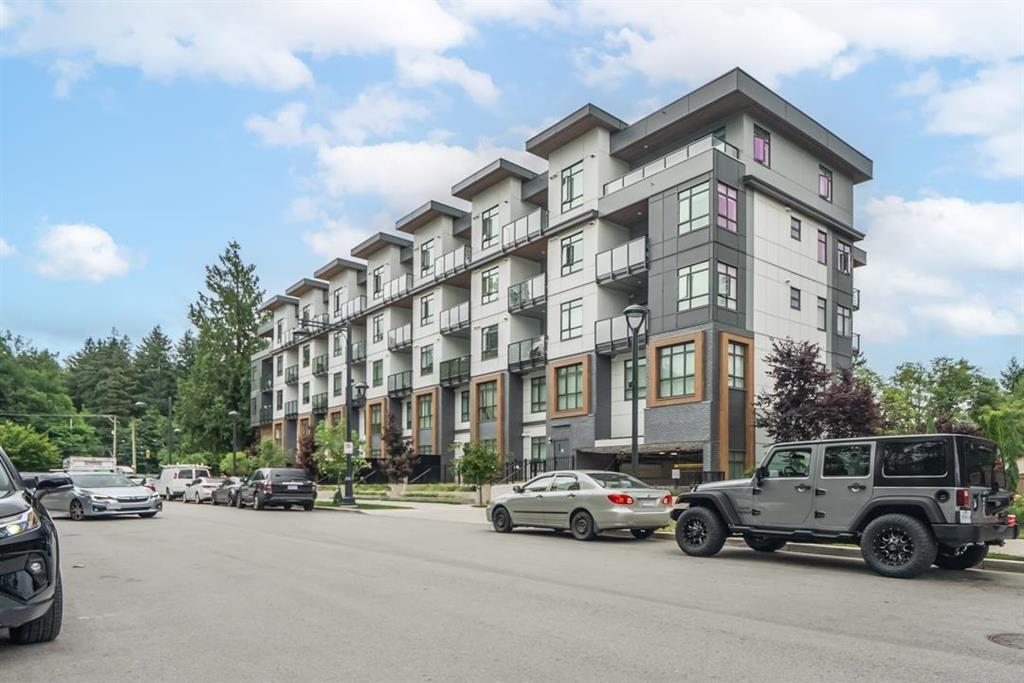
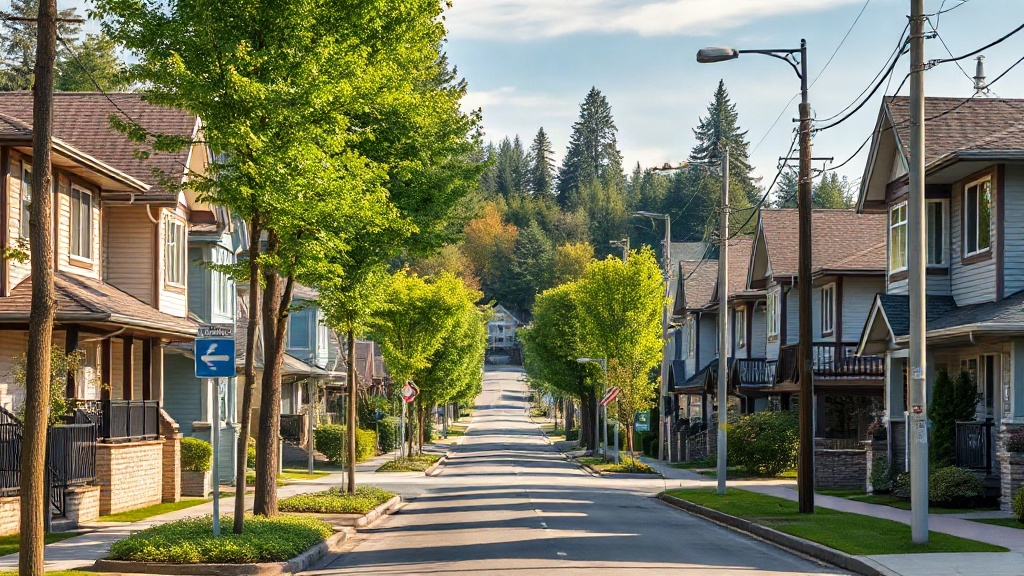
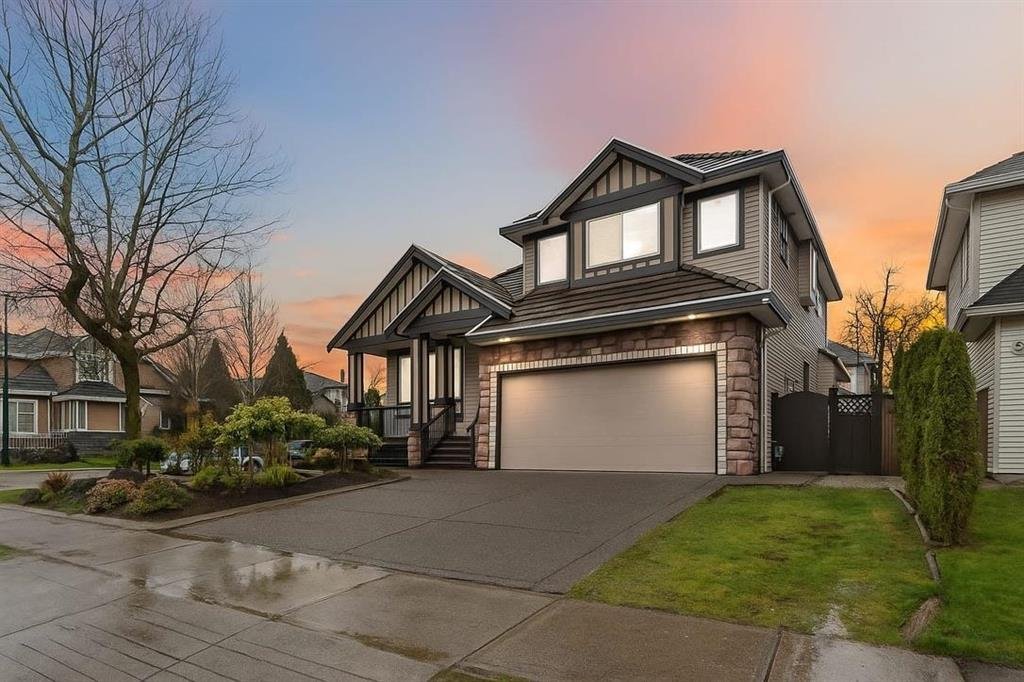
The Full List at a Glance
| Property Type | Main Risk | Potential Upside | Key Step |
|---|---|---|---|
| Flipped Home | Unpermitted work hidden by cosmetics | Move-in ready if documented | Permit history & inspector |
| Older Systems | Wiring/plumbing safety or insurer issues | Negotiating power, fixable | Licensed trades & insurance check |
| Unauthorized Suite | Fines, denied claims, lender limits | Lower price, income potential | Confirm status with city |
| Leasehold / Bare-Land Strata | Financing limits, shared costs | Below-market entry price | Lawyer reviews agreement |
| Transit Zone | Years of disruption, zoning shifts | Long-term value appreciation | Review city planning timeline |
The List in Detail
1. Flipped Homes With Surface-Only Updates
New floors and a shiny kitchen don't answer the questions that matter: Was the home damaged in a flood or fire? Was electrical or plumbing added without permits? Are bathrooms vented properly? Check the permit history, confirm all final inspections passed, and ask for written disclosure of past insurance claims. Hire an inspector who covers the crawl space, attic, panel, drains, and ventilation. Shoddy work in one area usually signals shortcuts elsewhere.
The Trade-off: A well-documented flip can be move-in ready and save months of renovation time. Missing paperwork and warning signs mean walk away.
2. Older Electrical & Plumbing Systems
Aluminum wiring, knob-and-tube, polybutylene (polyb) piping, and cast iron drains all need extra attention. Electricians can connect aluminum safely to copper through pigtailing. Plumbers can replace polyb for roughly $5,000 to $20,000 depending on home size and whether there's a crawl space. Get licensed trades in for quotes, then check with your insurer on coverage. Polyb isn't always the disaster it's made out to be: homes with quality brass or copper connections often perform well for decades, and many insurers will cover them if maintenance has been done. The stigma can actually give you negotiating power.
The Trade-off: Higher upfront costs and insurer conversations, but once addressed, these systems are no longer a problem.
3. Rural Properties With Septic & Wells
Homes in South Surrey and Port Kells on large lots often rely on private water and waste systems. Septic repairs can run $5,000 to over $20,000. Wells can have low flow, poor quality, or contamination, making water testing non-negotiable. Municipalities may eventually require connection to city services, and those connection costs can reach tens of thousands of dollars.
The Trade-off: Well-kept systems can last decades and the lifestyle can be worth it, but the ongoing responsibility and potential costs are real.
4. Unauthorized Suites
Illegal suites are widespread in Surrey, especially in Newton, Fleetwood, and Cloverdale. Risks include city fines, forced shut-downs, insurance claim denials, and lenders refusing to count rental income. Legalization typically costs $10,000 to $50,000 and can run higher. Enforcement is primarily complaint-based and many lenders will still consider these properties, but confirm status with the city, review permits, check safety features, and budget for legalization before factoring the income into your decision.
The Trade-off: A property with an unauthorized suite often sells for less, giving you negotiating room. Bring it to code and you unlock long-term income and better resale.
5. Bare-Land Stratas & Leasehold Properties
Bare-land stratas mean shared costs for private roads, water, sewer, and common space. Special levies for major repairs can be significant. Leasehold properties let you own the building but lease the land, and as the term shortens, financing gets harder. Many lenders won't finance a leasehold with fewer than 25 to 30 years remaining, which limits your resale pool and depresses value. Both types typically sell below comparable freehold, which can open doors in neighbourhoods otherwise out of reach.
The Trade-off: Lower entry price, higher homework requirement, and real constraints on financing and resale. Have your lawyer review any lease agreement before you commit.
6. Homes Near Industrial Areas
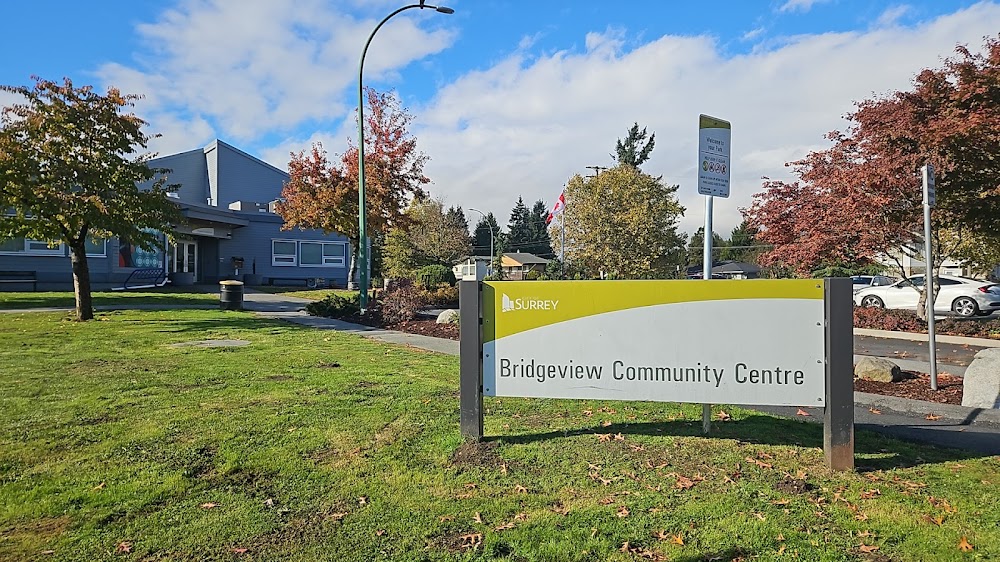
Campbell Heights, Port Kells, and Bridgeview sit close to industrial and warehouse uses. Expect truck noise, bright overnight lighting, dust, vibrations, and heavy traffic. Check zoning maps and city land-use plans to understand not just what's there now but what could be built nearby in the future.
The Trade-off: Real lifestyle costs in exchange for real affordability and quick access to major roads. Not the right fit if noise and air quality are priorities.
7. Heritage-Designated Homes
Once a property is officially designated as heritage, exterior changes typically need city approval, and interior renovations can trigger special requirements. Contractors need specialised skills, materials must often match the original design, and costs can run tens of thousands of dollars higher than a standard renovation. Insurance is usually more expensive too.
The Trade-off: Unique character and long-term investment potential, offset by meaningful restrictions, approval delays, and higher renovation costs.
8. Transit-Oriented Development Zones
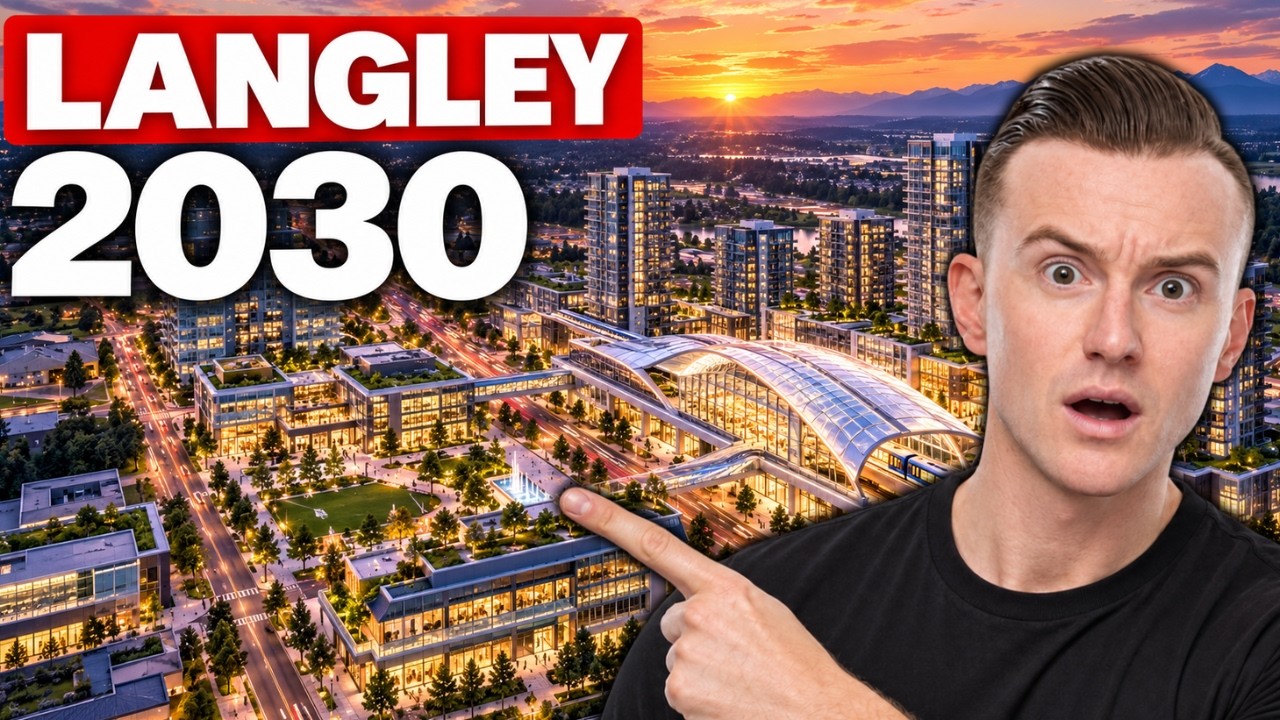
The Surrey-Langley SkyTrain extension is reshaping entire corridors. Short-term: construction noise, road disruption, and dust for years. Medium-term: zoning may shift toward higher density and parking rules may change. Long-term, proximity to SkyTrain stations has historically boosted property values, increased rental demand, and attracted redevelopment interest. Review Surrey's city planning documents for your specific address so you understand what's coming over the next 5 to 15 years, not just the general corridor.
The Trade-off: Disruption now, potential upside later. For buyers and investors with patience, buying early in these corridors has historically been rewarding. For those who want stability and quiet now, it's the wrong fit.
Thinking About Buying or Selling in Surrey?
The best first step is a quick conversation. Pick a time in the calendar that works for you and we'll talk it through.
How to Choose the Right One for You
None of these categories are automatically bad buys. Several are where genuine value lives in Surrey, precisely because other buyers avoid them. The question is whether the specific risk fits your budget, timeline, and tolerance.
Separate cosmetic concern from structural concern. A flipped home with complete permit history and passed inspections is a very different situation from one where the paperwork trail goes cold. The category tells you what to investigate. The documentation tells you what you're actually buying.
Get the right professionals involved before conditions come off. A thorough home inspector, a licensed electrician or plumber for older systems, and a lawyer who reads lease agreements in plain language are not optional. They're how you find out whether a property is an opportunity or a liability before it's your problem.
Finally, be honest about lifestyle fit. A home near industrial zoning may be priced well, but if truck noise at 5am will wear on you, the savings aren't worth it. If you'd like help working through any of this on a specific Surrey property, reach out and we can look at it together.
Frequently Asked Questions
Are all flipped homes in Surrey bad buys?
No. A flip with complete permit history and passed inspections can be a great move-in-ready purchase. The problem is the flip where paperwork is missing and upgrades are covering something up. Documentation is everything.
Will insurers cover homes with polyb piping or aluminum wiring in Surrey?
Many will, though premiums are often slightly higher. Insurers are more willing when fittings are quality brass or copper and maintenance has been done. Get quotes from multiple providers before removing subjects.
How much does it cost to legalize a basement suite in Surrey?
Legalization typically runs $10,000 to $50,000 and can go higher depending on what upgrades are required. The range is wide because it depends on fire separation, egress windows, electrical, and what the city inspector flags.
What's the real risk with leasehold properties?
The biggest issue is the remaining lease term. Many lenders won't finance a leasehold with fewer than 25 to 30 years left, which limits your resale pool and depresses value. Have a lawyer review the agreement before you commit.
Is it worth buying near the Surrey-Langley SkyTrain extension?
It depends on your timeline and tolerance for disruption. Short-term you're dealing with construction noise and road changes. Long-term, proximity to SkyTrain has historically boosted property values. Review the specific planning timeline for your address before deciding.

Alex Dunbar Personal Real Estate Corporation
REAL Broker BC Ltd. | Living in the Lower Mainland
Buying, selling or investing in Surrey and the surrounding cities? Whether you're new to the area or a longtime local, I'll help you make the right move. Book a 30-minute no-pressure call with me and we'll figure out what works best for you.
Categories
Recent Posts


GET MORE INFORMATION