
7 Budget Staging Tips to Sell Your Home Faster & for More Money
The National Association of Realtors says staged homes sell three to 30 times faster than non-staged homes, and most BC sellers can capture that advantage for under $500. The 7 tips below focus on the highest-impact moves first: depersonalize, declutter, and refresh soft goods, then layer in scale and greenery. Skip the rest until those are done.
What Staging Is Actually Trying to Do
Staging is not decorating. It is depersonalizing. The whole point is to create a space that feels neutral, clean, and welcoming so as many buyers as possible can picture themselves living there. You don't want people walking through your home and picturing your family. You want them picturing their own. Once you understand that, every tip below makes a lot more sense.
Professional staging in the Fraser Valley typically runs $2,000 to $5,000 for a partial stage and well over that for a full stage. The good news: with a weekend, a willingness to declutter, and a small budget, you can get most of the photographic and showing benefit on your own.
How These 7 Tips Were Picked
I ranked these based on three things I see week after week as a Surrey, Langley, and Maple Ridge listing agent: how much each move actually changes what buyers feel walking through the door, how much it costs to do, and how long it takes. The first 2 tips cost nothing and matter most. The middle ones cost a little and add polish. The last few are finishing touches that lift photos.
All 7 Staging Tips at a Glance
| # | Tip | Cost | Effort | Photo Impact |
|---|---|---|---|---|
| 1 | Depersonalize First | $0 | Weekend | High |
| 2 | Declutter Ruthlessly | $0 to $250 | Weekend | High |
| 3 | Swap In White Towels & Bedding | $100 to $300 | 1 hour | High |
| 4 | Use Throw Pillows Strategically | $50 to $150 | 1 hour | Medium |
| 5 | Go Bigger With Decor Pieces | $0 to $200 | 1 hour | Medium |
| 6 | Mirrors & Artwork | $0 to $200 | 1 hour | Medium |
| 7 | Add Some Greenery | $20 to $150 | 30 min | Medium |
1. Depersonalize First

Why It Works
This is where you start, before you spend a dollar. Walk through every room and remove anything distinctly "you": family photos, kids' artwork, personal collections, religious items, quirky decor, even personalized book covers on a shelf. Buyers find it genuinely hard to imagine themselves in a space when they're surrounded by reminders of someone else's life.
- •Pack As You Go: Use moving boxes. You'll be moving anyway, so you get a head start while staging.
- •Don't Forget Exterior & Garage: Personal touches outside the front door and in the garage count too.
- •Think Neutral, Not Bare: The goal is depersonalized, not empty. A few generic accessories are fine.
2. Declutter Ruthlessly
Why It Works
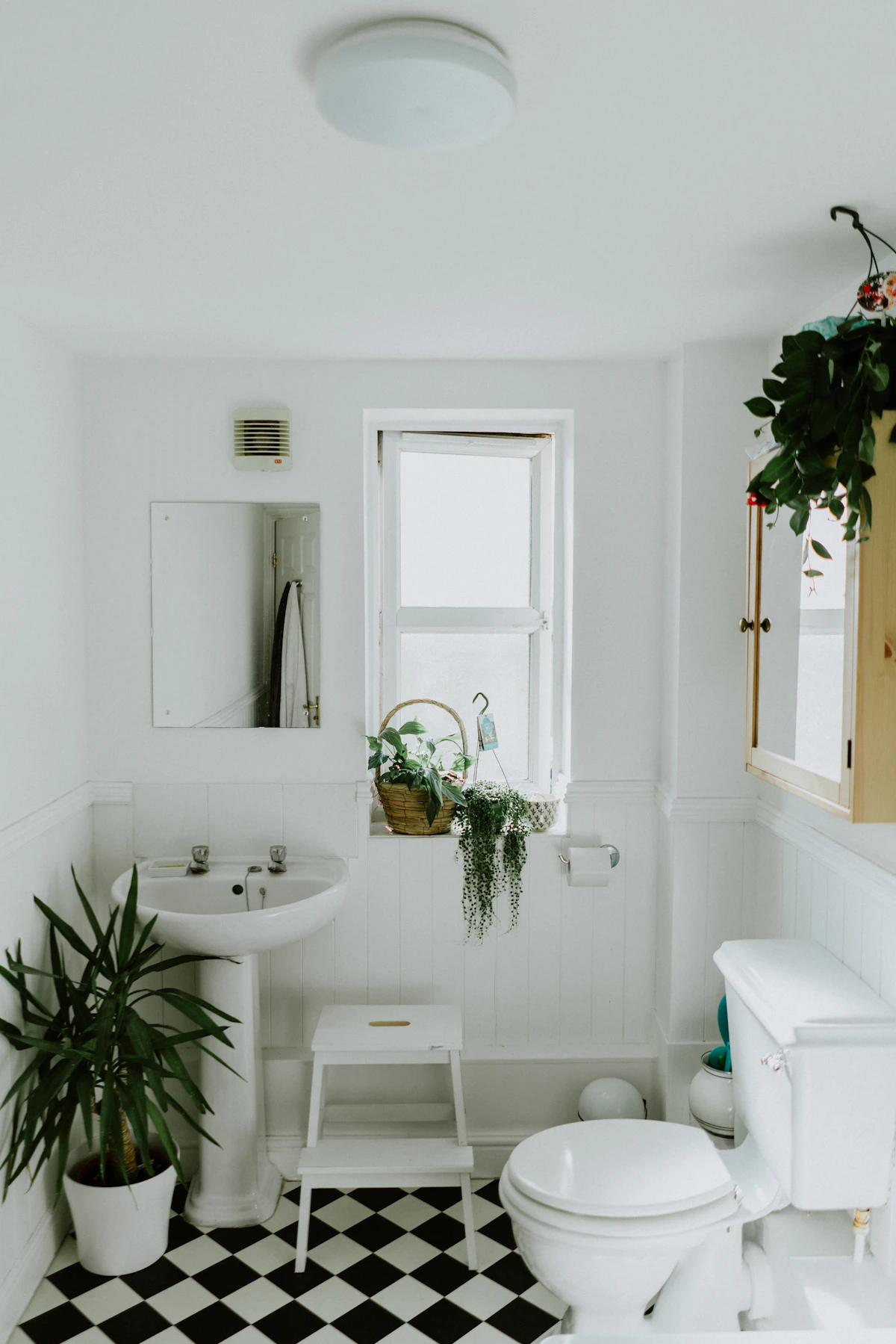
The simplest staging principle is this: less is more. Every room should have a single, clear purpose. If your home office doubles as a craft room and a workout space, pick 1 function and stage around that. Buyers need to see how each space works, and clutter gets in the way of that.
- •One Purpose Per Room: Pick the highest-value use case (home office over workout room, dining over storage) and stage to it.
- •Counters & Surfaces: Aim for 70% empty surface area on kitchen counters, dressers, and bathroom vanities.
- •Closets Count: Buyers open closets. Half-full reads as "lots of space"; stuffed reads as "not enough storage".
3. Swap In White Towels & Bedding

Why It Works
This 1 is simple, affordable, and makes a surprisingly big difference in photos and showings. White towels and bedding look fresh, clean, and hotel-like. You don't need to spend a lot here. Walmart, Amazon, and HomeSense all carry options that photograph well.
- •Start With Photo Rooms: The primary bedroom and the main bathroom are where it matters most.
- •Iron or Steam: Wrinkled bedding is the single fastest way to make a styled room look amateur in photos.
- •If Not White, Coordinate: If a particular room isn't right for white, at minimum make sure linens are colour-coordinated and not mismatched.
4. Use Throw Pillows Strategically

Why It Works
Throw pillows are 1 of the easiest ways to make a room feel warm and inviting. If you already have some, toss them in the wash or pick up inexpensive slipcovers to refresh them. The approach depends on your room: if it's already colourful, use neutral pillows to calm things down. If it's a neutral room, add a few with colour or texture to bring it to life.
- •Sofa Rule: 2 large pillows on each end of a 3-seat sofa, or 3 pillows in odd numbers across.
- •Bed Rule: 2 sleeping pillows in shams + 2 decorative euros + 1 lumbar in front. Stop there.
- •Buy Slipcovers: Replacing covers on existing pillows is cheaper than buying new ones.
5. Go Bigger With Decor Pieces
Why It Works
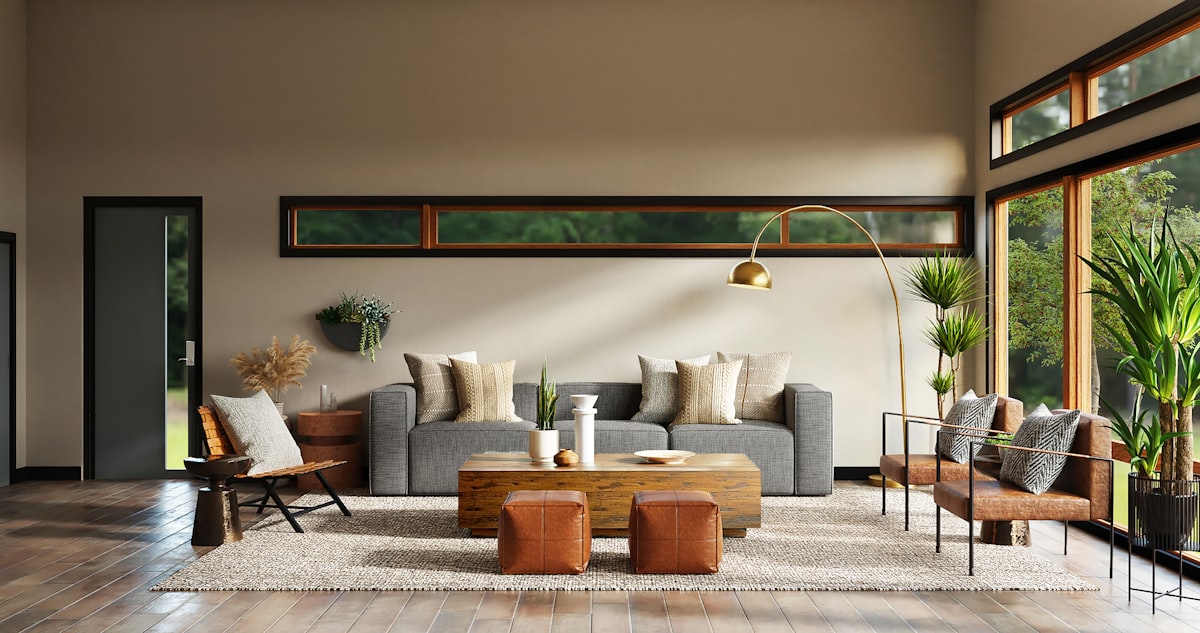
Here's a counterintuitive 1: 1 large vase or 1 big piece of art will almost always look better than several small items scattered around a room. Oversized decor creates a sense of intention and makes a space feel more open and considered. Lots of little objects tend to read as clutter, even when everything is clean and tidy.
- •Coffee Tables: One stack of 3 books with 1 object on top beats 8 small trinkets every time.
- •Mantels & Shelves: Use Rule of 3: 1 tall, 1 medium, 1 short, grouped together w/ breathing room.
- •When in Doubt: Go bigger and use fewer pieces.
6. Use Mirrors & Artwork to Open Up the Space

Why It Works
Mirrors reflect light, make rooms feel larger, and add a visual anchor to spaces that need one. Large artwork does something similar, creating focal points that draw the eye. Before you go shopping, check your own home first. You might have something stored in a closet or tucked in a spare room that would work perfectly in a more visible spot. Borrowing from a friend or family member is also worth considering.
- •Hanging Height: Hang the centre of the piece at roughly 60" from the floor. Eye-level for the average viewer.
- •Mirror Placement: Opposite a window doubles natural light. Behind a dining table fakes a 2nd room.
- •Common Mistake: Artwork hung too high reads as "floating" and disconnected from the room.
7. Add Some Greenery
Why It Works
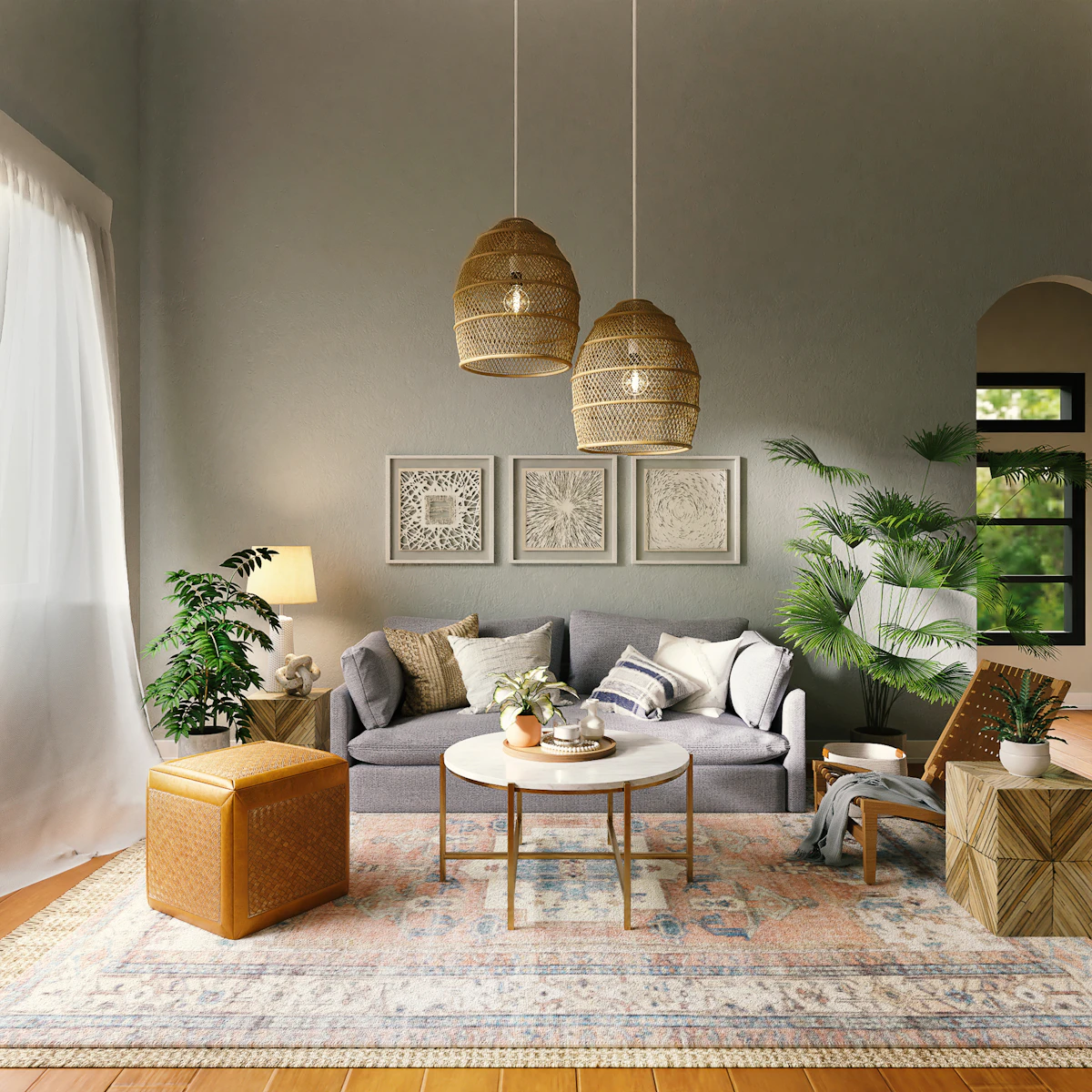
A plant or a simple vase of fresh flowers does a lot to make a space feel alive and welcoming. You don't need a green thumb for this. High-quality faux plants work just as well, especially in rooms with low light. The goal is warmth, and greenery delivers that without much effort or cost.
- •Kitchen: A small herb pot on the counter or a bowl of citrus reads "lived in" without clutter.
- •Living Room: One large faux fiddle-leaf or olive tree fills an empty corner cleanly.
- •Bathroom: A single eucalyptus stem in a clear vase on the vanity is a 5-minute upgrade that photographs well.
How to Stage on a Tight Timeline
Most BC sellers I work with have 2 to 3 weeks between deciding to list and going live. Here's how I'd order the 7 tips inside that window:
Tips 1 & 2: depersonalize and declutter. Free, takes a weekend, unlocks everything else.
Tip 3 (white linens) and Tip 4 (throw pillows). Order online early so they arrive before photo day.
Tips 5, 6, & 7: decor scale, mirrors and artwork, greenery. The finishing pass that lifts photos from "okay" to "scroll-stopping".
Frequently Asked Questions
How much should I spend on staging a home in BC?
Most sellers can capture 80% of the staging benefit for under $500 by using the 7 tips above. A professional partial stage in the Fraser Valley typically runs $2,000 to $5,000, and a full stage runs higher. Spend the DIY budget first; only consider professional staging on higher-end listings or vacant homes that lack any furniture.
Do staged homes really sell faster in the Fraser Valley?
Yes. The National Association of Realtors reports staged homes sell three to 30 times faster than non-staged homes. Locally in Surrey, Langley, and Maple Ridge, staged listings consistently photograph better online, which drives more showings, which compresses days on market.
What should I do first when staging on a budget?
Start with Tip 1 (depersonalize) and Tip 2 (declutter). Both cost nothing, take a weekend, and have the highest impact of anything on the list. Do not buy new pillows, art, or plants until those 2 are done.
Should I stage a vacant home or leave it empty?
Vacant homes consistently feel smaller in photos and showings than staged homes, even when they are physically larger. For vacant Fraser Valley listings, even a partial stage of the living room, primary bedroom, and dining room is usually worth it. Empty rooms make buyers focus on flaws.
Can I stage a home myself or do I need a professional?
For most owner-occupied listings under $1,500,000 in the Fraser Valley, the 7 DIY tips above are enough. Hire a professional stager when the home is vacant, when it's a higher-end listing, or when the existing furniture is genuinely working against the listing photos.
What's the biggest staging mistake sellers make?
Skipping the depersonalize and declutter steps and jumping straight to buying new decor. New throw pillows on top of a cluttered, personalized room don't help. They just add more visual noise. The order in this guide is intentional.

Alex Dunbar Personal Real Estate Corporation
REAL Broker BC Ltd. | Living in the Lower Mainland
Buying, selling or investing in the Lower Mainland? Whether you're new to the area or a longtime local, I'll help you make the right move. Book a 30-minute no-pressure call with me and we'll figure out what works best for you.
Categories
Recent Posts






GET MORE INFORMATION