
The Worst Part About Living in Surrey BC (Reality Check)
The Worst Parts About Living in Surrey BC: A Reality Check
Surrey is genuinely one of the most livable cities in BC, but three issues stand out once you're actually here: a healthcare system stretched well beyond capacity, infrastructure that can't keep pace with growth, and traffic that gets worse before it gets better. Knowing this upfront changes the decision entirely.
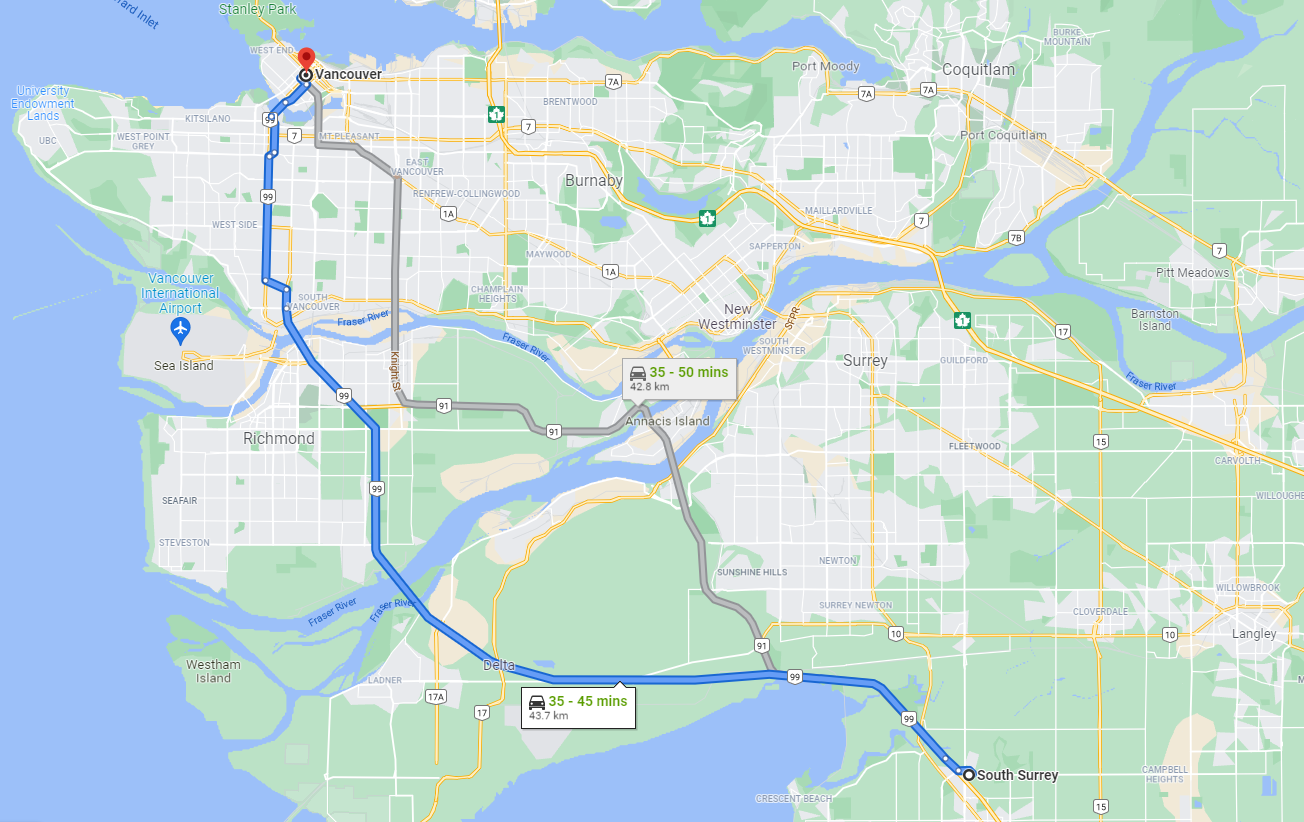
What It's Like to Live in Surrey
I've lived in Surrey for over 30 years, raised my family here, and had a short stint in Langley before moving back. The honest summary: Surrey can be a genuinely great place to live. The diversity, the food scene, the access to nature, and the relative affordability compared to Vancouver are all real. We enjoy it here.
But there are parts of daily life in Surrey that rarely show up in the highlight reel, and those are the things that catch newcomers off guard. Relocating is a major decision, and the worst outcome is choosing a city based on its best moments, then feeling trapped once reality sets in.
Surrey is one of the largest and fastest-growing cities in Canada, with a current population just over 610,000. Provincial projections suggest it could surpass Vancouver in population sometime in the early 2030s, with long-term forecasts pointing toward 1 million residents by the mid-2040s. That scale of growth affects everything from healthcare to school capacity to your morning commute, and it's worth understanding before you commit.

Surrey Gets These Things Right
Before getting into the hard parts, it's worth naming what actually works. Surrey's diversity is one of its genuine strengths. The food scene reflects that, and finding exceptional cuisine from dozens of cultures is easy and affordable compared to most Canadian cities.
Access to nature is real too. Mountains, trails, rivers, and parks are all within reasonable reach, and the lifestyle here does feel more balanced than living in a dense downtown core. That draw is legitimate, not just marketing.
Affordability relative to Vancouver remains a meaningful advantage. For families priced out of the City of Vancouver, Surrey opens up detached homes, larger lots, and newer builds that simply aren't accessible closer in. Long-term growth potential also favours the city: the investment in infrastructure and housing stock, even when it lags, is real and ongoing.
Surrey isn't broken. It is stretched. Those are different things, and it matters to hold both of them at once before deciding whether this city fits your life.

The Trade-Offs to Know About
None of the issues below are dealbreakers for every household. But depending on your lifestyle, your family situation, and what matters to you day-to-day, they can be a much bigger factor than you expect.
- Healthcare: Strained well beyond population size, with a structural gap that a new hospital will only partly close.
- Infrastructure: Schools, parks, community centres, and transit are all playing catch-up with a city growing faster than the province's own targets anticipated.
- Traffic: Major corridors are already congested outside traditional rush hours, and the SkyTrain extension, while welcome, is actively making things worse until 2029.
- Crime Perception: Surrey's reputation often feels worse than the data supports, but perception affects daily life and shapes where newcomers feel comfortable, especially before they understand the city's geography.
These issues are significant and they aren't going away quickly. The key is understanding how much each one matters to you personally before making a move.
Cost of Living in Surrey
Surrey's relative affordability compared to Vancouver is one of the most cited reasons people move here, and that advantage is genuine. For households priced out of the City of Vancouver, Surrey offers options that simply don't exist closer in: detached homes, newer builds, and larger lots at price points that remain more accessible.
That said, affordability is relative. Surrey is still part of the Lower Mainland, and prices reflect that. Neighbourhood choice matters a lot here. City Centre, Fleetwood, Clayton, and South Surrey each carry different price points and lifestyle trade-offs, so buyers should evaluate specific areas rather than treating Surrey as one uniform market.
Strata fees apply in the many townhome and condo developments that have come online during the city's rapid growth phase. For detached homes in newer subdivisions, restrictive covenants may govern exterior finishes and landscaping. Neither is unusual for the region, but both are worth factoring into your total cost of ownership when comparing options across the city.
Thinking About Buying or Selling in Surrey?
The best first step is a quick conversation. Pick a time in the calendar that works for you and we'll talk it through.
Neighbourhoods at a Glance
Surrey spans two and a half times the geographic size of Vancouver. Treating it as a single neighbourhood is one of the most common mistakes newcomers make. The experience of living here can feel very different depending on where you land.
City Centre is dense and actively developing, with construction constant and density rising quickly. Fleetwood and Clayton are growing fast, popular with families, and among the areas where school capacity is under the most pressure. South Surrey tends to feel more settled, though it carries a different price point. Whalley and parts of Newton have a rougher reputation, and those are the areas I'd tend to avoid, particularly if you're new to the city and haven't yet mapped out which pockets feel more stable.
Crime varies significantly by neighbourhood across the whole city. People who have only visited one or two of the harder areas and then generalised about all of Surrey are not giving the city a fair read. Neighbourhood research before committing to a specific address matters more here than in a smaller, more uniform city.
Schools and Family Life
Surrey School District, District 36, is the largest and fastest-growing school district in BC. That distinction comes with real pressure. Many schools are operating at or over capacity, and in some cases, in-catchment students have been redirected because there simply isn't enough space.
Several high schools have restructured or extended the school day to manage enrolment, which prompted significant backlash from parents. Local media have repeatedly noted that school construction has not kept pace with the province's own housing and population targets.
For families, this means school catchment research is not optional. Where you buy determines which school your child attends, and not all catchments are equally resourced or equally under pressure. Checking current enrolment status and any active boundary reviews before making an offer is worth doing before you fall in love with a specific street.
Surrey also has one of the youngest populations in BC, which speaks to why family infrastructure matters so much here and why the gap between growth and services is felt so acutely by the households who live it every day.
Commute and Transportation
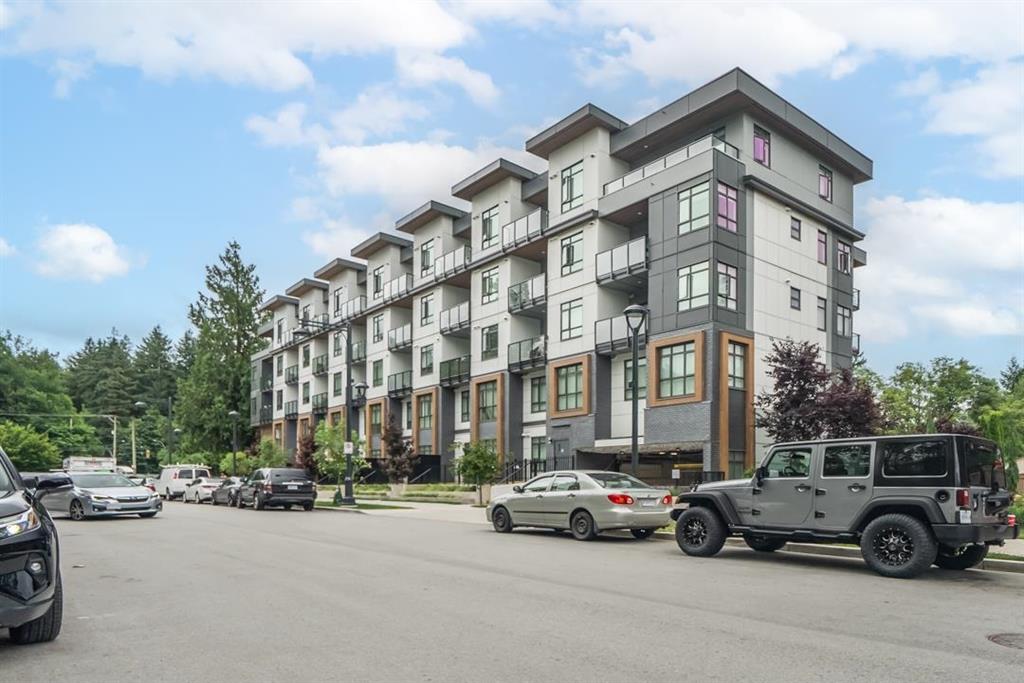
Traffic is the issue people notice fastest after moving here. Surrey is big, spread out, and heavily car-dependent, and the transportation network has not kept up with how quickly the city has grown.
Major corridors including Highway 1, Highway 10, King George Boulevard, Fraser Highway, and 152nd Street are already strained during peak hours. Congestion is no longer limited to traditional rush times. What used to be a 20 to 25 minute drive can easily stretch to 45 minutes or more with one accident, lane closure, or rainstorm.
The Surrey-Langley SkyTrain extension is coming, and it will improve things. But the construction itself is causing major delays and headaches until 2029, so in the meantime things are actively getting worse on affected corridors. Bus service can also be inconsistent depending on the area, and east-to-west travel across the city is particularly frustrating as density builds in Fleetwood, Clayton, and City Centre.
To be fair, heavy traffic is a Lower Mainland-wide reality, not a Surrey-only problem. But if you're moving from a transit-connected city, the adjustment here can be jarring.
Is Surrey Right for You?
Surrey isn't a bad choice. It's just not a simple one. For many households, the positives genuinely do outweigh the negatives: the diversity, the food scene, access to nature, relative affordability, and long-term growth potential are all real.
But the healthcare gap is structural, not cosmetic. The new Surrey-Cloverdale Hospital and BC Cancer Centre, projected to open around 2030, adds roughly 168 inpatient beds and a new emergency department. The current plan does not include a full maternity ward or comprehensive pediatric specialty services, and two emergency physicians from Surrey Memorial publicly raised concerns that even the new hospital won't meet existing demand, let alone future growth.
If reliable healthcare access is a top priority, that fact needs to weigh heavily in your decision. If predictable commute times matter, plan your actual route on a Friday at 4:30pm before committing to a specific neighbourhood. And wherever you land, know your school catchment before you make an offer.
Surrey is changing quickly. The city you move into today will look and feel different within a decade. If you can work with that kind of dynamic environment, it has a lot to offer. If stability and settled infrastructure are what you need right now, those are honest reasons to look elsewhere or to choose your pocket within the city very carefully.
Frequently Asked Questions
Is Surrey BC safe to live in?
Safety varies significantly by neighbourhood. According to Statistics Canada, Surrey's crime severity index sits slightly above Vancouver's but below the provincial average, and several smaller BC cities rank higher. The city spans two and a half times the geographic size of Vancouver, so neighbourhood research matters more than city-level statistics.
How bad is the healthcare situation in Surrey BC?
Surrey has long relied on one full-service hospital, Surrey Memorial, for a population now exceeding 600,000. A new hospital is under construction with an expected opening around 2030, but the current plan does not include a full maternity ward or comprehensive pediatric specialty services. Access to family doctors is also a significant challenge.
When will the Surrey-Langley SkyTrain extension open?
The SkyTrain extension is currently under construction and expected to be completed in 2029. In the meantime, construction is causing added delays and congestion on affected corridors, so most residents still depend heavily on driving for daily trips.
Are Surrey schools overcrowded?
Surrey School District, District 36, is the largest and fastest-growing district in BC. Many schools are at or over capacity, and some in-catchment students have been redirected due to lack of space. Several high schools have also restructured their school day to manage enrolment, which drew strong pushback from parents.
How does Surrey compare to Vancouver for affordability?
Surrey is more affordable than the City of Vancouver, which is one of the primary reasons families and first-time buyers move here. That said, prices still reflect Lower Mainland market conditions. Neighbourhood choice matters: South Surrey, Fleetwood, Clayton, and City Centre each carry different price points.
Related Reading
- The REAL Pros & Cons of Living in Surrey
- The Surrey Condo Market Trend No One's Talking About
- The Surrey Detached Home Market Shift No One's Talking About
- Something WEIRD is Happening in the Surrey Housing Market
- Surrey Pre-Sale Condos COLLAPSED | From Printing Money to Losing Millions
Subscribe on YouTube: Living in the Lower Mainland

Alex Dunbar Personal Real Estate Corporation
REAL Broker BC Ltd. | Living in the Lower Mainland
I help Fraser Valley buyers and sellers compare neighbourhoods on commute, budget, and character before showings start. Book a 15 minute call and we'll narrow your shortlist.
Categories
Recent Posts







GET MORE INFORMATION