
If I Were Moving to Langley in 2026, I’d Move Here!
If I Were Moving to Langley, I'd Start Here
Langley is not one consistent experience. It is a collection of very different daily rhythms, and choosing the wrong neighbourhood matters more than choosing the wrong house. If I had to pick one starting point right now, I would begin with Willoughby, and work outward from there based on density tolerance, commute, and lifestyle.
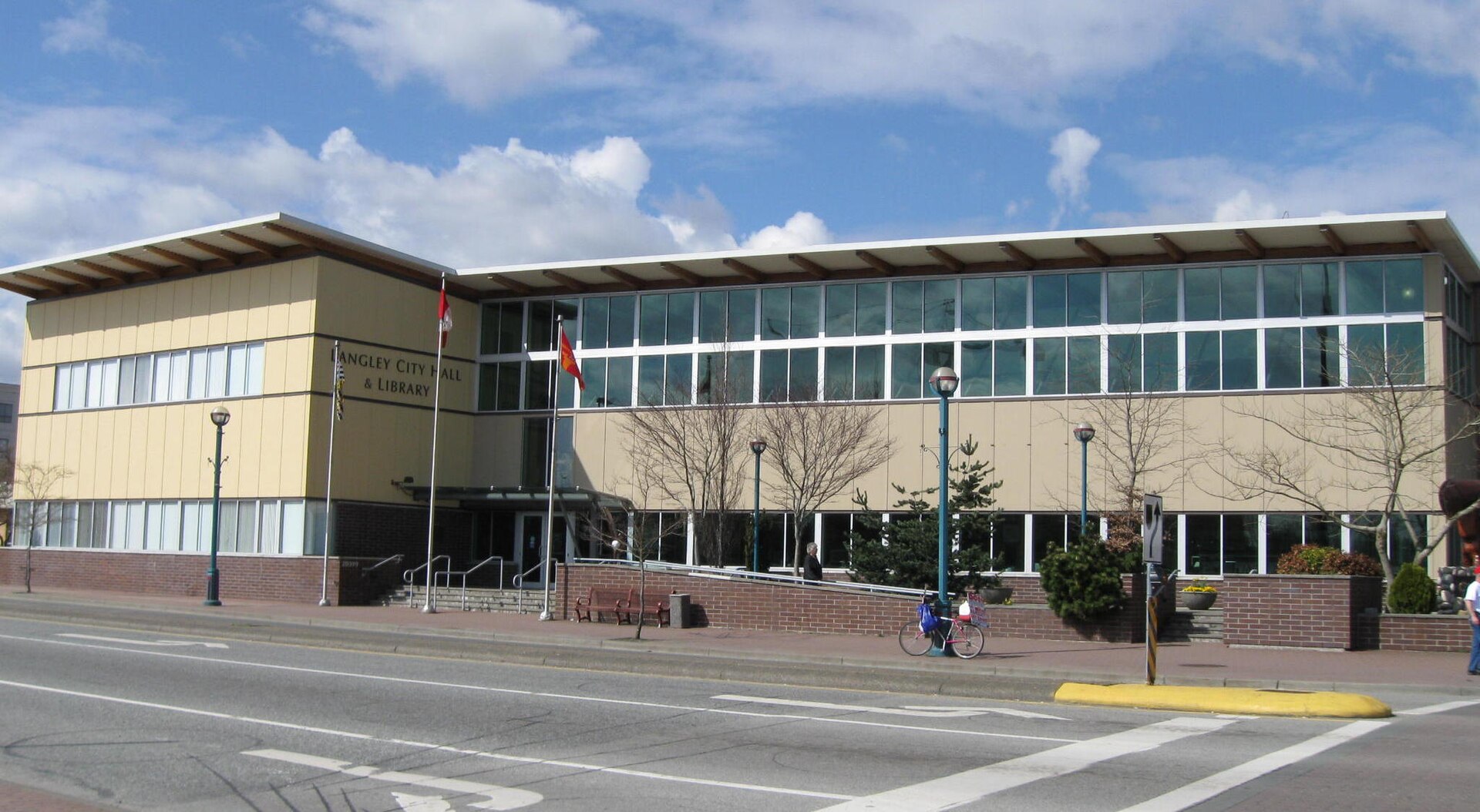
Why People Move to Langley
Langley stopped being a quiet farmland suburb a long time ago, even though a lot of people still picture it that way. It has grown into one of the most active parts of the Fraser Valley, with real differences in how each neighbourhood feels depending on where you land.
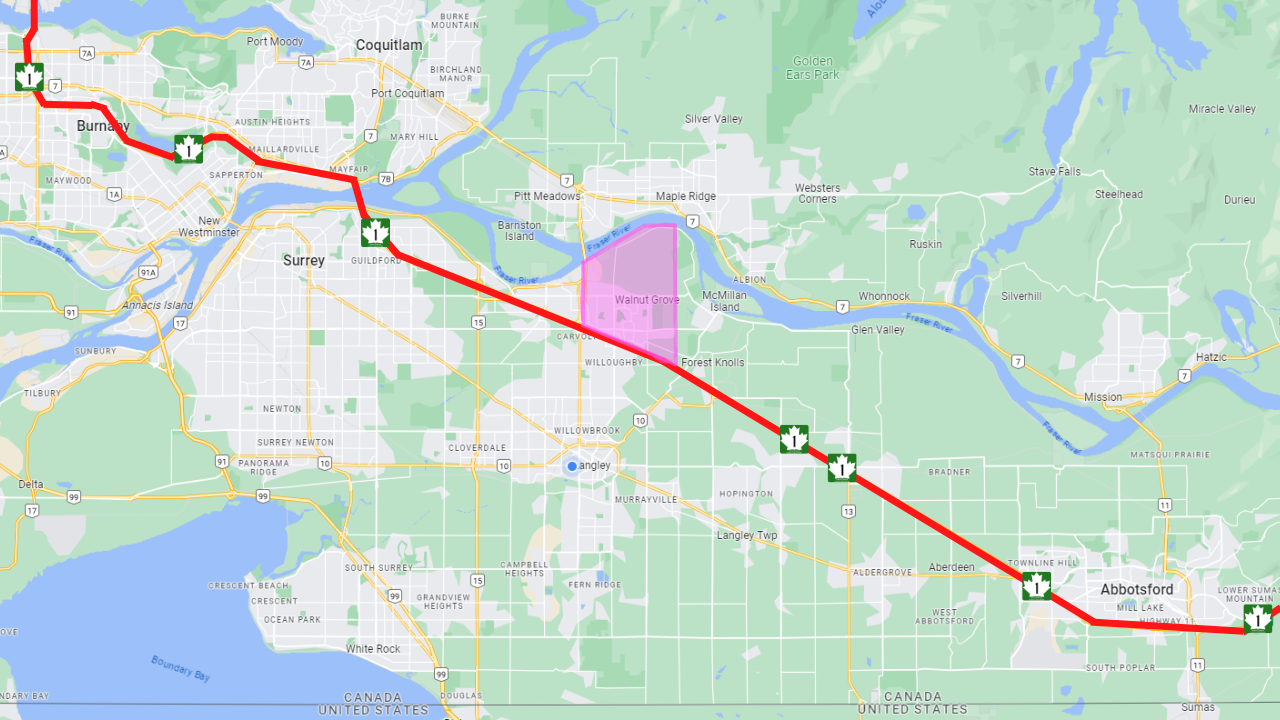
Being north of Highway 1 feels very different from being south of it. Being close to 200 Street feels different from being tucked into a quieter pocket. Some neighbourhoods are built around convenience and quick freeway access. Others are built around larger lots, mature trees, and a slower pace of life. A few are built almost entirely around community atmosphere and charm.
The mistake most buyers make is falling in love with finishes and staging instead of asking how that location will feel at 8am on a Tuesday, during school pick-up at 3pm, or on a rainy Saturday when you just need to run errands quickly. The right neighbourhood is the one that still makes sense when your job shifts, your kids grow, or your priorities change.
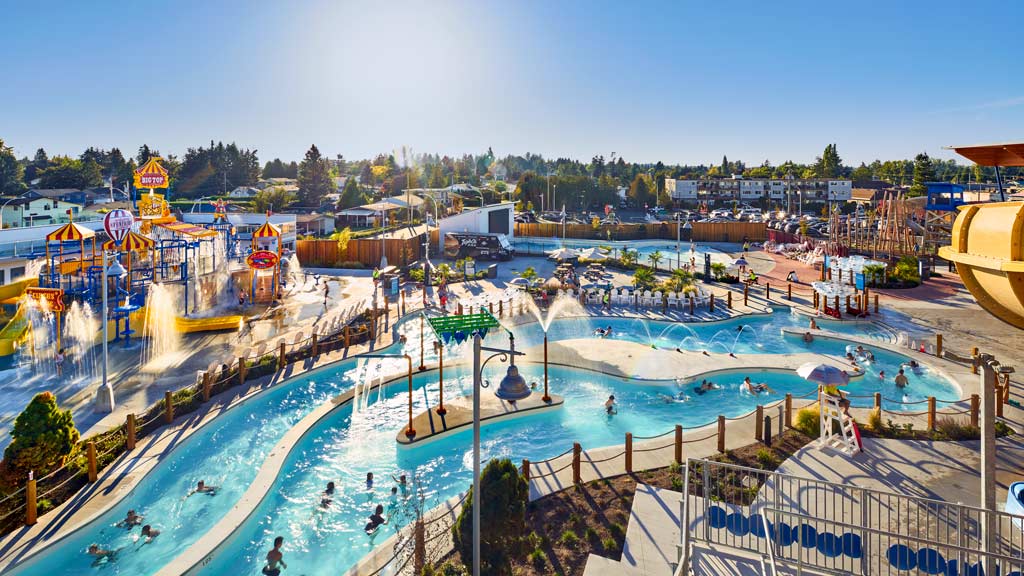
Where to Live: Neighbourhoods at a Glance
Before touring a single home, filter everything through flexibility. Strong Highway 1 access matters if you work in Surrey, Burnaby, or Vancouver. Schools, parks, daycare, and groceries within a short drive keeps daily routines manageable. Housing variety within the same neighbourhood matters for resale, because life rarely stays the same for 5 to 10 years.
Four neighbourhoods cover most of what buyers are looking for in Langley:
- Willoughby: Best for convenience, newer housing stock, and access to condos and townhomes.
- Walnut Grove: Best for established families who want a detached home with mature trees and steady resale.
- Fort Langley: Best for buyers who rank charm, walkability, and community identity above freeway proximity.
- Brookswood: Best for larger lots, privacy, and a quieter pace, with some trade-offs on commute.
Each of these neighbourhoods has a distinct daily rhythm. Picking the right one comes down to which trade-offs you can live with.
Real Estate and Housing
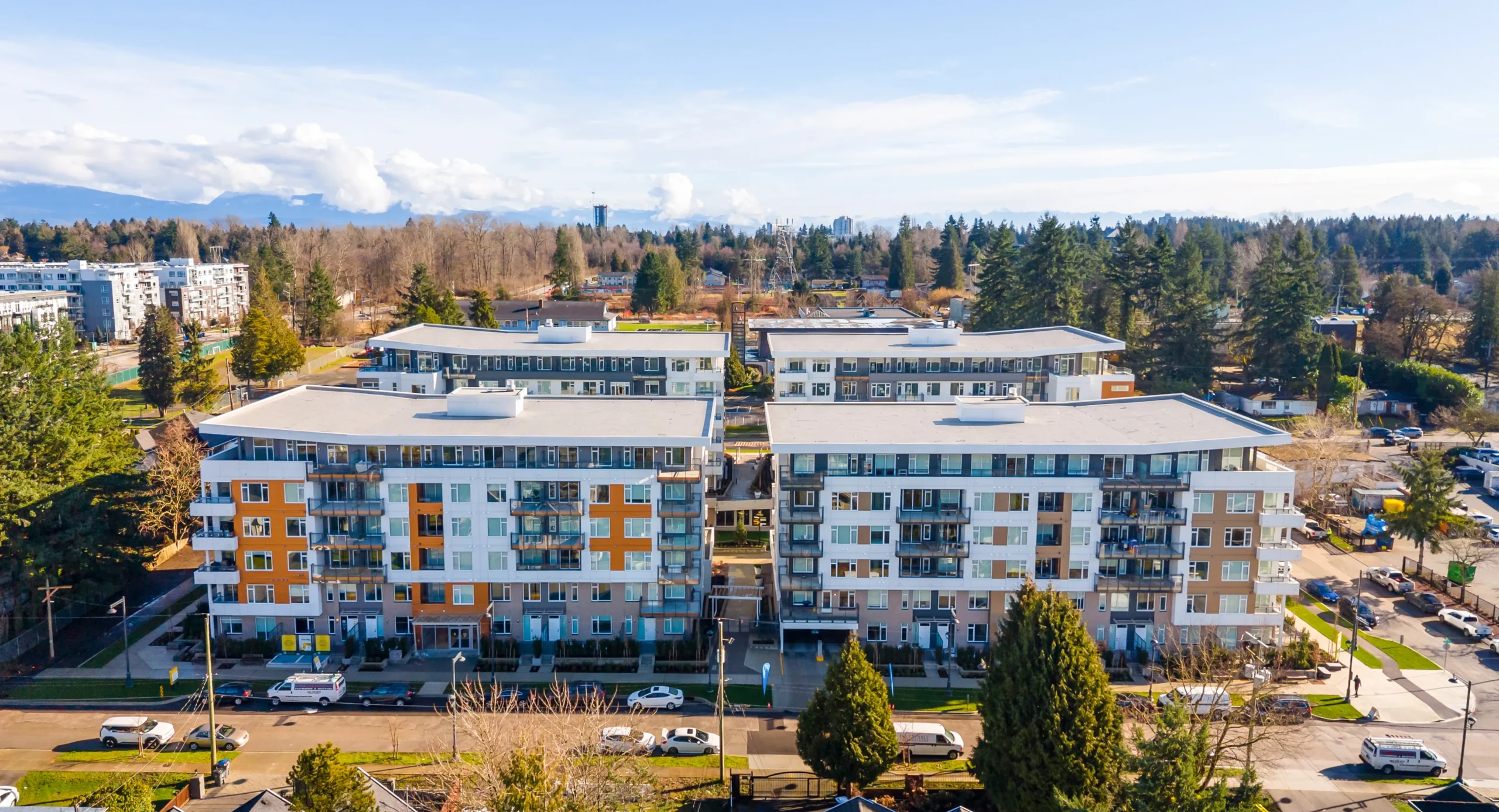
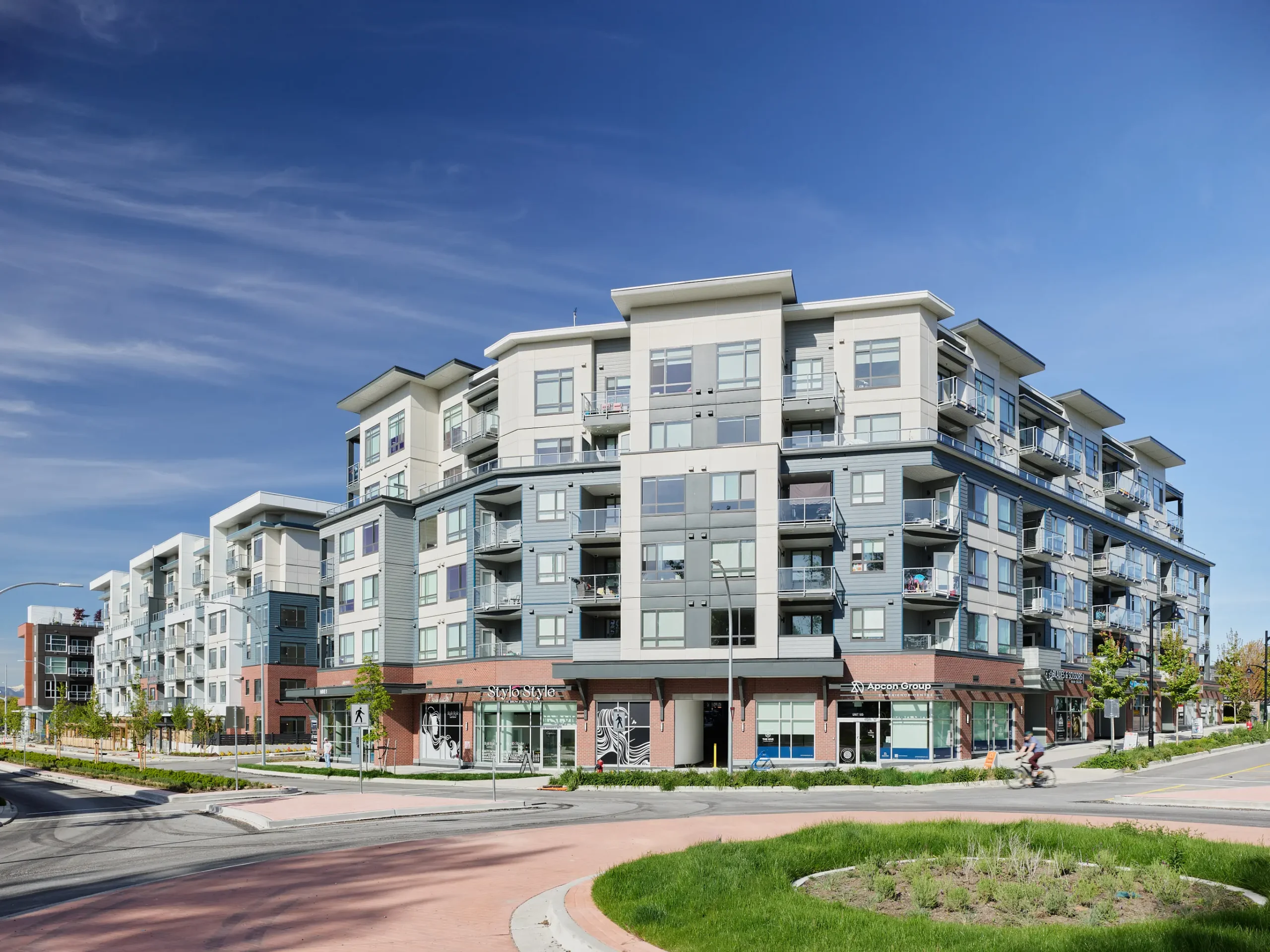
Willoughby has the most housing variety in Langley. You will find detached homes on smaller modern lots, townhomes, row homes, Langley's first two high-rise towers, and a steady condo pipeline near Willoughby Town Centre and along 200 Street. Detached lots there typically run in the 3,000 to 4,500sqft range.
Walnut Grove is a different price and product story. Most homes were built from the late 1980s through the early 2000s, so you are typically looking at solid layouts with cosmetic renovation upside. Lot sizes are generally in the 4,000 to 6,000sqft range, and the trees are mature enough to create real privacy.
Fort Langley lot sizes closer to the village core often range from 4,000 to 8,000sqft, with larger estate-style properties as you move outward. There are very few condos and limited townhome options, which naturally raises the entry price.
Brookswood offers the most space. Lot sizes often run from 8,000 to 12,000sqft, and some are larger depending on the exact pocket. New luxury homes are appearing in the area too, though they sit at the higher end of the price range.
Cost of Living
Langley covers a wide range of price points, and the neighbourhood you choose will set your budget ceiling more than any other single factor. Willoughby gives you the most entry points because of its condo and townhome supply, which is why it tends to attract first-time buyers and younger households getting into the market.
Walnut Grove's detached prices reflect its stability and demand from established families. The trade-off is that the entry price for a detached home there is a limiting factor for buyers who are earlier in their financial journey.
Fort Langley commands a premium because inventory is intentionally constrained. Development is tightly controlled, which protects the village character but also keeps supply low and prices firm across different market cycles.
Brookswood has historically offered more space per dollar than northern Langley neighbourhoods. That said, buyers need to account for septic systems and well water in many pockets, depending on the exact location. There is nothing wrong with these systems, but they require more maintenance than city services, and that is worth building into your thinking before you make an offer.
Schools and Education
Schools are woven into the fabric of Willoughby rather than scattered around it. Daycare, elementary, and secondary options sit within the community alongside groceries and services, which keeps the daily school-run manageable for most families.
Walnut Grove has well-integrated schools throughout the neighbourhood, and the Walnut Grove Community Centre adds real value with a pool, gym, and sports programs that supplement what the schools offer. For families with kids moving through the school system, this combination is a genuine draw.
Fort Langley is a smaller community, so school catchments there may require some driving depending on grade level and programme. The village lifestyle is the priority purchase here, and families who choose it typically do so knowing that some amenities require a short trip to Walnut Grove or Willoughby.
Brookswood has schools serving the area, but the overall pace of development means that amenities are more spread out than in northern Langley. Families considering Brookswood should map the specific school catchments for their children's ages before committing to a street or pocket.

Thinking About Buying or Selling in Langley?
The best first step is a quick conversation. Pick a time in the calendar that works for you and we'll talk it through.
Commute and Transportation
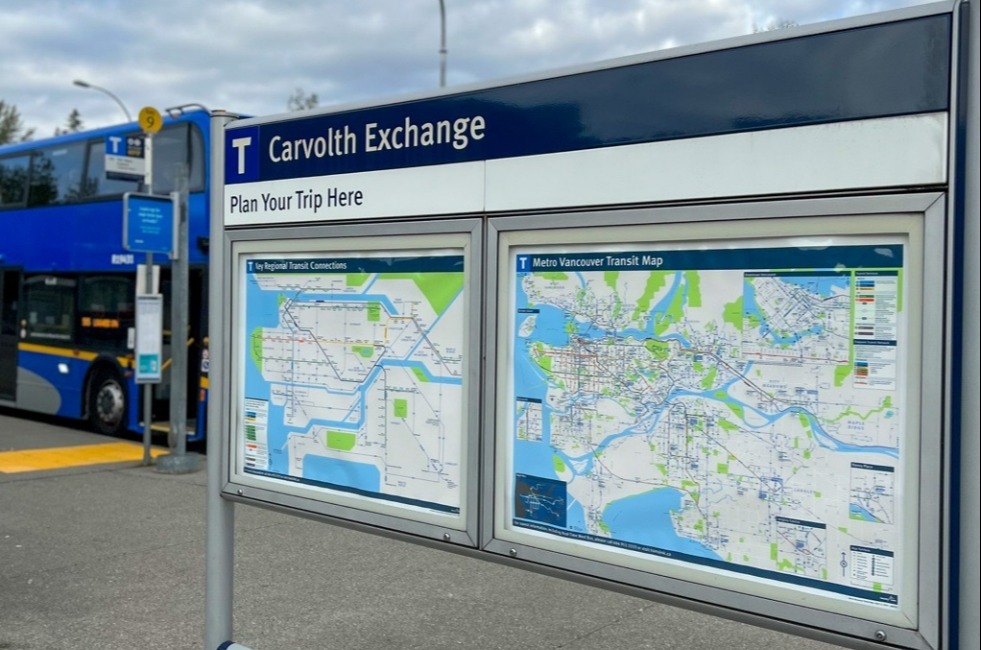
Willoughby's biggest practical advantage is its highway access. You can reach Highway 1 quickly via 200th or 216th Street, and the Carvolth Exchange gives you a reliable park-and-ride option into Burnaby or downtown Vancouver during peak hours. Being 5km closer to the highway can meaningfully change your weekly schedule, and Willoughby delivers that.
Walnut Grove shares similar highway access through 216th and 200th Street, which makes commuting west more manageable than many southern Langley neighbourhoods. It is one of the reasons the area appeals to families who still need a regular commute but want a quieter home base.
Fort Langley trades some freeway proximity for walkability and community character. If your commute runs west toward Vancouver, that trade-off is real and worth mapping before you fall in love with a specific street.
Brookswood is the most commute-sensitive of the four. Highway 1 access is not as direct as northern Langley neighbourhoods, and most daily errands require driving. If your commute is already long, adding distance to the on-ramp compounds the friction every single day.
The Trade-off: Rush-hour traffic on 200th and 208th Streets in Willoughby is heavy. Test your actual commute on a weekday before committing to a specific pocket.
Lifestyle, Culture, and Community
Willoughby is structured for convenience. Schools, gyms, coffee shops, restaurants, and grocery stores are layered into the community. The Langley Events Centre anchors sports, tournaments, and community activity, which keeps the area active year-round. The trade-off is density. If your ideal day includes open space and minimal congestion, Willoughby may feel busy.
Walnut Grove has a noticeable difference in feel as soon as you drive through it. The mature trees, established layouts, and the proximity to Fort Langley for weekend variety give it a steadiness that newer corridors rarely replicate. It is not a fast-growth energy, it is a settled-community energy.
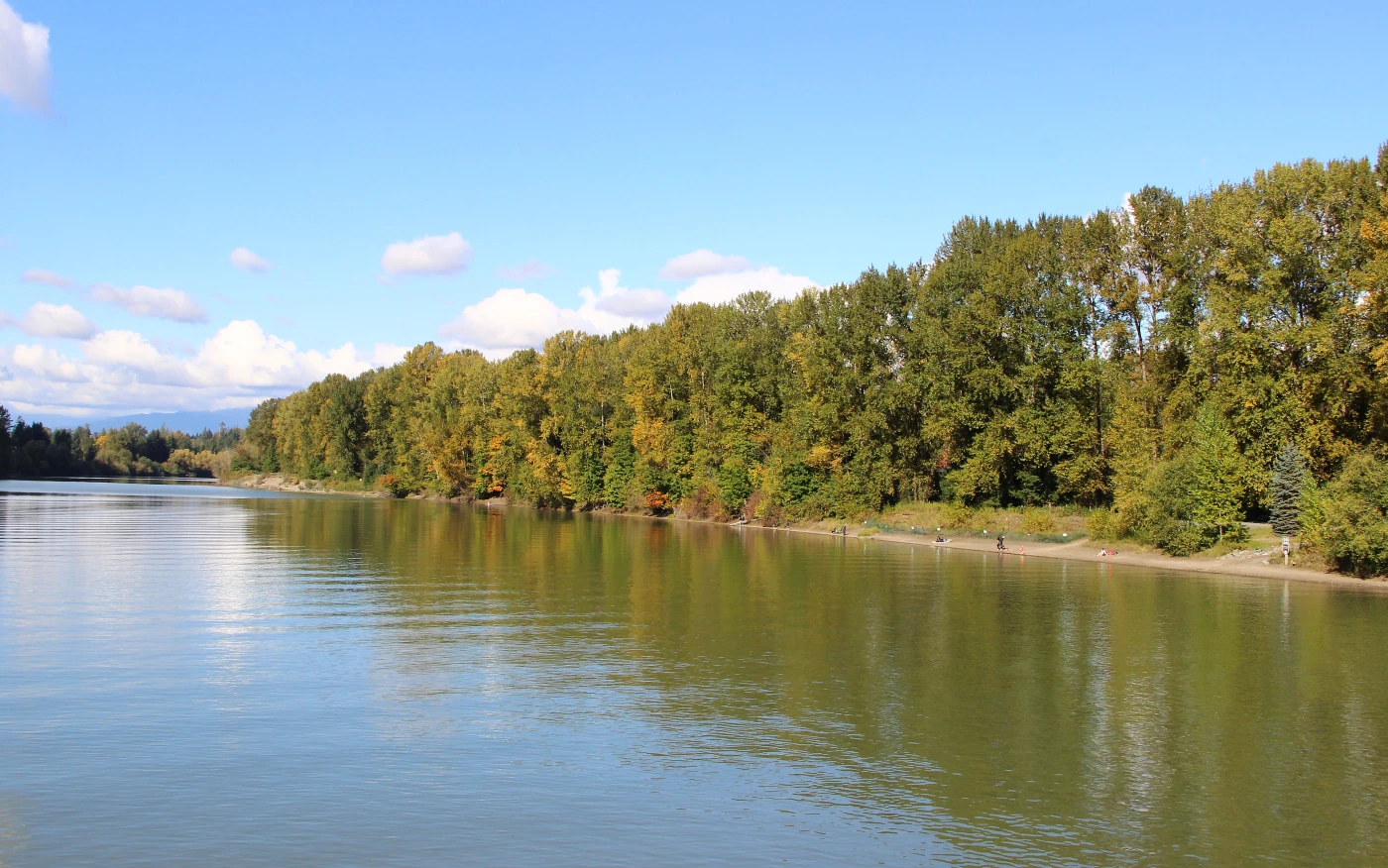
Fort Langley is in its own category. The walkable village centre along Glover Road, the riverfront trails along the Fraser River, boutique shops, and year-round events create a strong sense of place. It feels almost like its own small town. During peak summer weekends, tourist traffic is part of the equation, and that is worth knowing in advance.
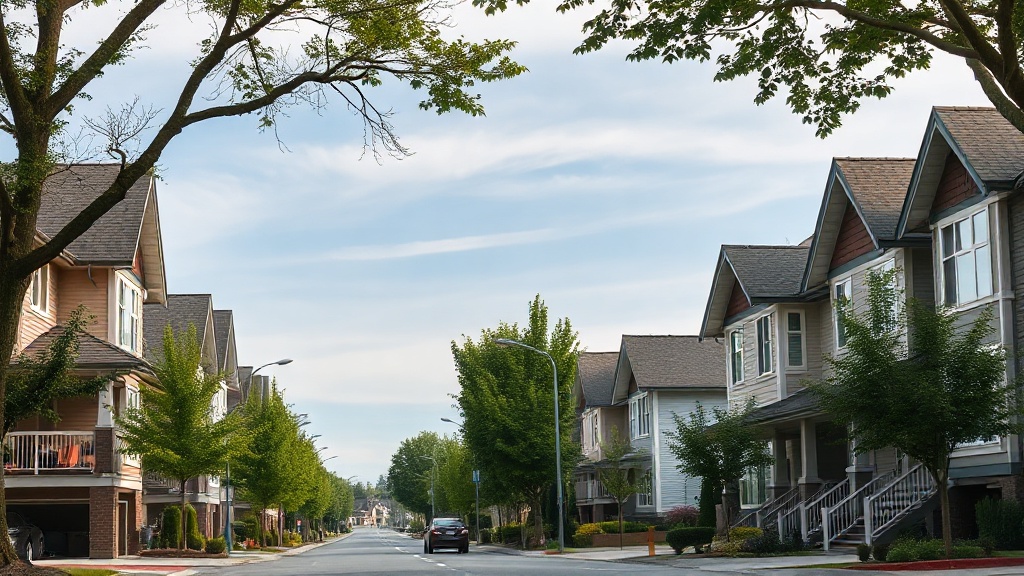
Brookswood offers something different again. Bigger lots, mature trees, and quieter streets change how evenings and weekends feel, especially for families with kids or buyers who simply want more privacy. It is a slower pace, and for the right lifestyle, that trade-off makes complete sense.
What to Know Before You Move
What Works
- Willoughby offers the widest housing variety and the strongest Highway 1 access in Langley.
- Walnut Grove delivers mature trees, larger lots, and steady demand from established families.
- Fort Langley's controlled development protects its village character and long-term appeal.
- Brookswood lot sizes of 8,000 to 12,000sqft give families space that newer subdivisions cannot match.
Trade-Offs
- Willoughby's 200th and 208th Street corridors see heavy traffic during peak hours and weekends.
- Fort Langley's limited inventory and constrained supply push entry prices higher than most of Langley.
- Brookswood's Highway 1 access is less direct, and many pockets still rely on well and septic systems.
- Walnut Grove's detached entry price is a real barrier for buyers earlier in their financial journey.
Your Moving Checklist
Before you start touring homes, narrow down which neighbourhood fits your actual life. Finishes and staging are easy to fall for. Commute time and school pick-up friction are much harder to fix after you have moved in.
- Map Your Commute: Drive your route on a weekday morning, not a Sunday afternoon. Five minutes closer to the highway has a real weekly impact.
- Define Your Must-Haves: Prioritise between access, space, charm, and affordability. You are unlikely to maximise all four in one neighbourhood.
- Match Housing Type to Neighbourhood: Willoughby is stronger for condos and townhomes. Walnut Grove is stronger for detached single-family homes.
- Check Utility Infrastructure: If you are looking in Brookswood, confirm whether a specific property runs on city water and sewer or well and septic before going further.
- Think 5 to 10 Years Out: Jobs change, kids grow, remote work shifts to hybrid. The right neighbourhood is the one that still works when your routine changes, not just the one that fits today.
Once you feel clear on the neighbourhood, the next step is understanding which types of homes within that area to avoid, because even in the right neighbourhood, certain properties can quietly hurt your resale.
Frequently Asked Questions
Is Langley a good place to raise a family?
It depends on the neighbourhood. Walnut Grove and Willoughby both have well-integrated schools, parks, and family amenities built into the community. Willoughby suits younger families getting into the market, while Walnut Grove tends to work better for established families with kids moving through the school system.
What is the best neighbourhood in Langley for first-time buyers?
Willoughby gives first-time buyers the most entry points because of its condo and townhome supply near Willoughby Town Centre and along 200 Street. The broad mix of housing types also keeps the buyer pool wide, which supports resale flexibility down the road.
How far is Langley from Vancouver for commuting?
The transcript does not state a specific commute time, but Willoughby and Walnut Grove both offer quick Highway 1 access via 200th and 216th Street. The Carvolth Exchange in Willoughby also provides a park-and-ride option into Burnaby and downtown Vancouver during peak hours.
What is Fort Langley like to live in?
Fort Langley feels like its own small town. The walkable village centre on Glover Road, riverfront trails along the Fraser River, and year-round community events give it a distinct identity. Development is tightly controlled, inventory is limited, and big-box shopping requires a drive toward Walnut Grove or Willoughby.
Are there any downsides to buying in Brookswood?
The main trade-offs are commute convenience and utility infrastructure. Highway 1 access is less direct than northern Langley neighbourhoods, and many pockets still rely on well water and septic systems. These are manageable, but buyers need to understand the maintenance requirements clearly before purchasing.
Related Reading
- The REAL Pros and Cons of Living in Langley in 2026!
- NEVER Buy These Types of Houses in Langley BC! (HERE'S WHY)
- Top 5 Parks in Langley BC Canada You Need to Visit!
- Top 5 High Schools in Langley BC Canada Revealed!
- Living in Langley BC - The REAL Reason People Love Living Here
Subscribe on YouTube: Living in the Lower Mainland

Alex Dunbar Personal Real Estate Corporation
REAL Broker BC Ltd. | Living in the Lower Mainland
Buying, selling or investing in Langley and the surrounding cities? Whether you're new to the area or a longtime local, I'll help you make the right move. Book a 30-minute no-pressure call with me and we'll figure out what works best for you.
Categories
Recent Posts




GET MORE INFORMATION