
The REAL Pros and Cons of Living in Langley in 2026
The Real Pros and Cons of Living in Langley in 2026
If you're thinking about moving to Langley, don't make that decision based on a sunny Saturday drive and a couple of open houses. That's how people fall in love with a home and then slowly realize the location doesn't fit their life. Langley can be a genuinely excellent place to live, but your experience is going to vary a lot depending on where you land, how you commute, and what your Monday to Friday routine actually looks like.
Two pockets that are 10 to 15 minutes apart can feel like completely different lifestyles. So instead of going on vibes, it's smarter to break Langley down into the real advantages and the real tradeoffs, and then decide whether the overall equation matches what you want for the next 5 to 10 years.
Short answer: Langley delivers space, family infrastructure, and housing variety that Vancouver cannot match at the same price. The trade-off is commute reality and corridor-specific congestion, and your experience hinges on which pocket you pick. Pre-Sale momentum, the 2029 SkyTrain extension, and ongoing growth shape the long-term upside.
The one decision this post helps you make: are you choosing Langley for the home, or for the daily routine? The right answer is both, and most failed Langley moves come from getting only the first one right.
The Pros: Why So Many Families Choose Langley
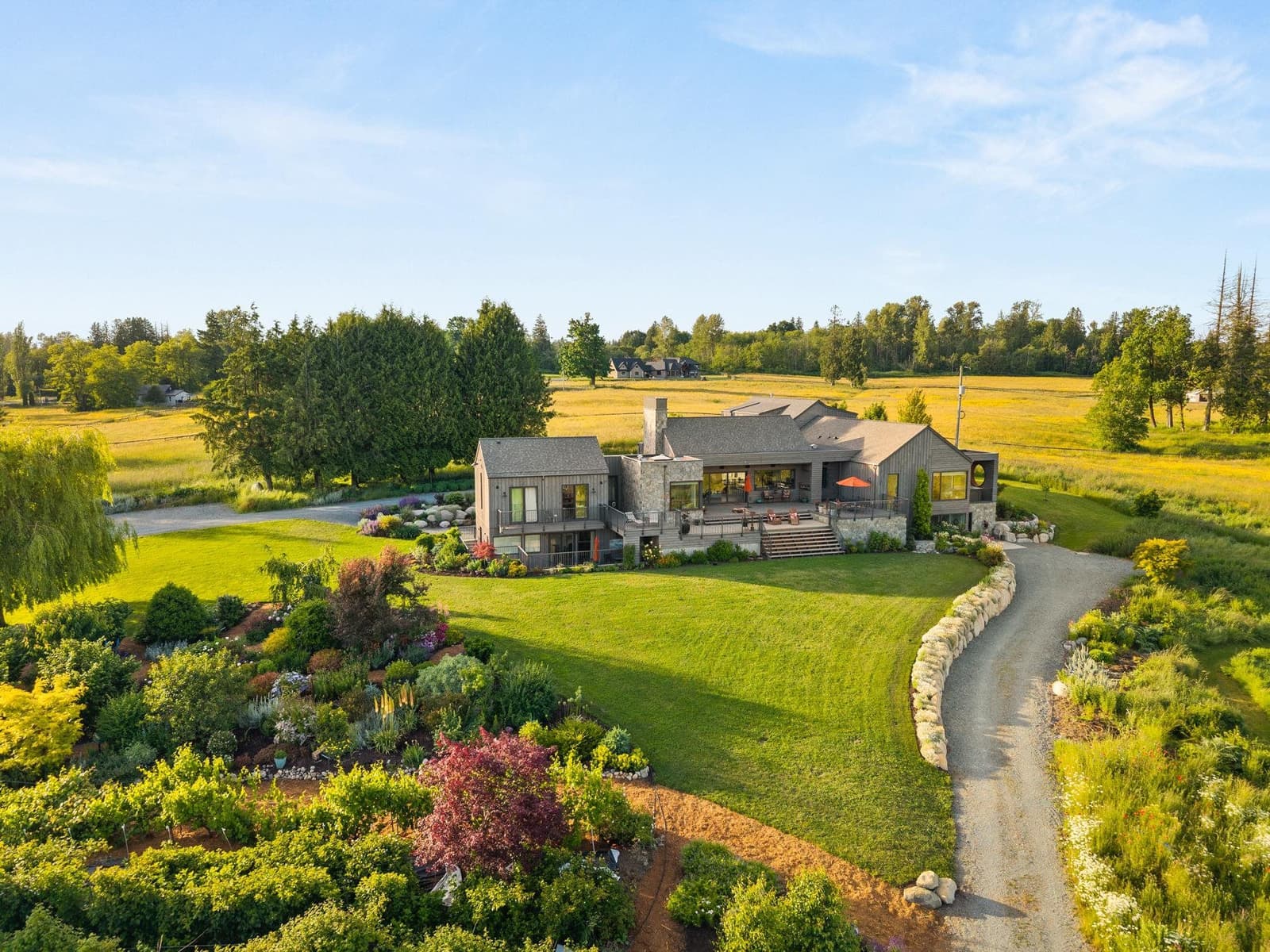
One of the biggest draws to Langley is what your money actually gets you. Compared to Vancouver, prices are roughly 25 to 35% lower depending on the property type and the specific area. That gap doesn't make Langley cheap, but it does mean that at similar budgets, you can often land a larger home, a more functional layout, and a setup that actually fits your life instead of forcing your life to fit the home.
🏡 That extra space tends to show up in practical ways: a real home office instead of a corner desk, a proper mudroom for strollers and sports gear, a yard the kids can actually use, and a floor plan that doesn't require constant compromise. Those aren't luxury upgrades. For families with kids, they're quality of life basics. It's a big part of why Langley keeps attracting move-up buyers and relocation families.
Another real advantage is family-oriented infrastructure. Langley is built around repeatable weeks, not just weekend entertainment. Schools, recreation centres, sports facilities, parks, and daily shopping are woven into many neighbourhoods in a way that supports normal routines. You're not constantly driving across the region just to manage logistics. That structure matters when life gets busy, because it's easier to keep things consistent when the city is designed for drop-offs, practices, and errands that don't require military-level planning.
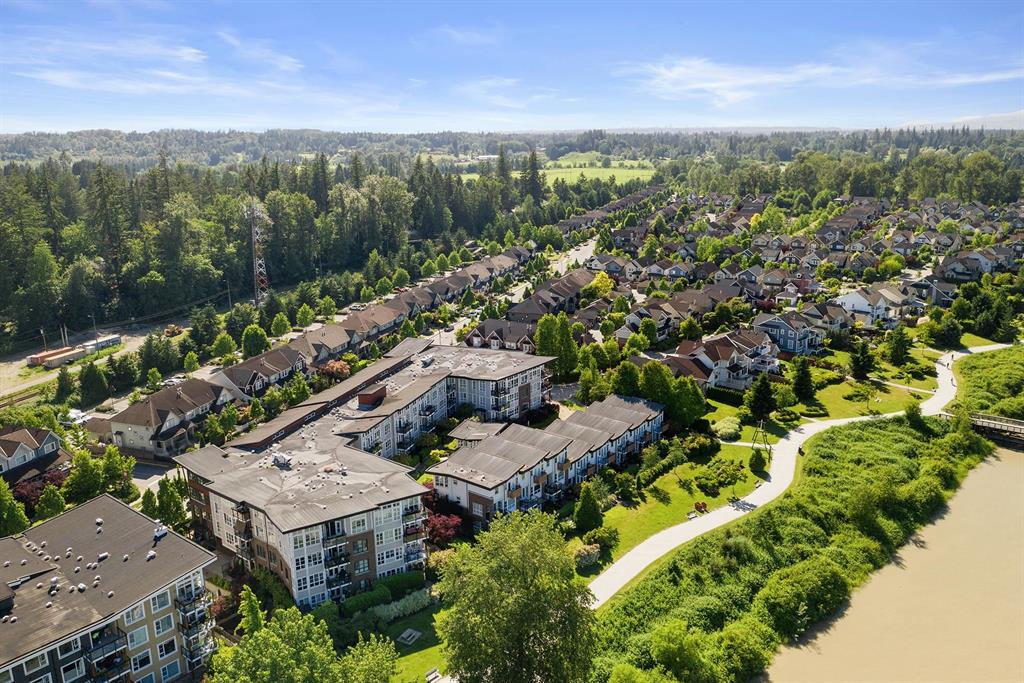
📊 One factor that often gets overlooked is housing variety, and it matters more than people expect when it comes to resale. Langley isn't just one product type. You'll find detached homes, townhomes, condos, acreages, and everything in between. That mix creates layered demand across different buyer profiles: first-time buyers, move-up families, downsizers, investors, and equestrian buyers. When an area can attract that range of buyers, you're not relying on one narrow pool to keep your home marketable. It doesn't mean prices only go up, but it does mean you're often better protected when market conditions shift.
Langley also benefits from solid regional access when you're positioned correctly. Proximity to Highway 1 and the right north-south corridors can make commutes, school runs, airport trips, and weekend travel noticeably more manageable. A 10 to 15-minute difference in where you buy can compound into a real quality-of-life difference over the course of a year. Buyers who choose their pocket intentionally tend to feel like Langley is far more convenient than its reputation suggests.
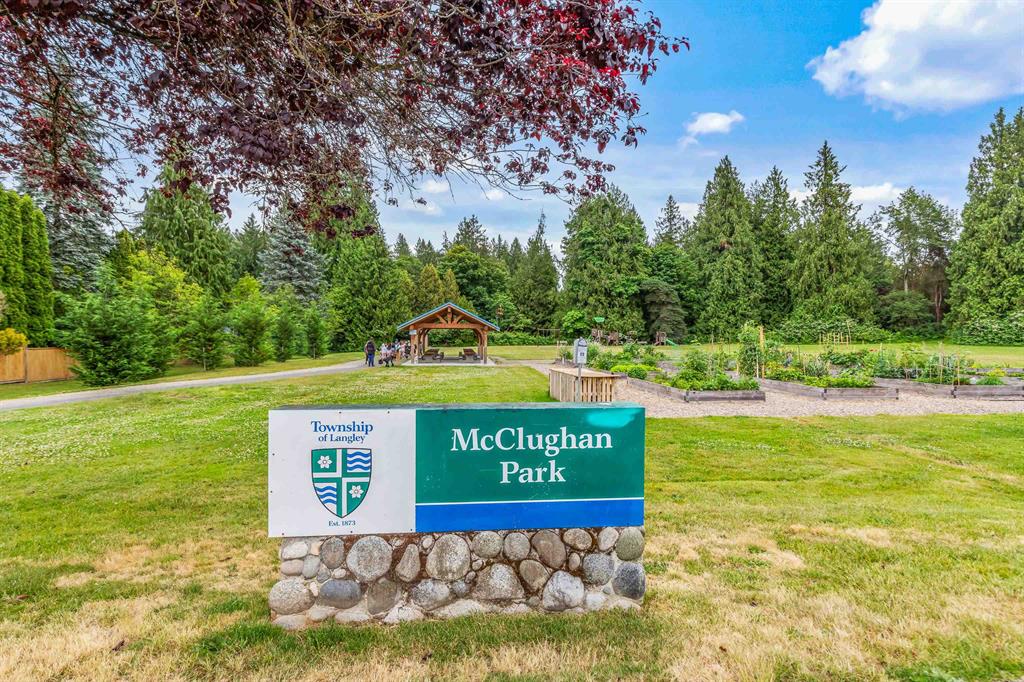
🌲 Langley also puts outdoor space and post-secondary options close to home. Campbell Valley Regional Park, Derby Reach Regional Park and the Fort to Fort Trail are all in the Township, and Trinity Western University and a Kwantlen Polytechnic University campus are local. For families, that means weekend trails and a path to post-secondary without leaving the community.
The Cons: What Catches People Off Guard
The biggest tradeoff, and the one that causes the most regret when it's ignored, is commute compromise. More space usually means more distance, especially if your work or lifestyle pulls you toward Vancouver, Burnaby, or other job centres. Even a few extra commutes per week add up fast. And it's not just about work, it's appointments, kids' activities, visiting friends, and all the other things that make up a real week. People often think they're only choosing a commute, but they're actually choosing a daily rhythm. Some families adapt and feel the space is worth it. Others realize that more time in the car quietly drains their energy and turns the upgrade into friction.
❌ Congestion is real, and it's corridor-specific. Langley isn't uniformly gridlocked, but if your routine pushes you through the same pinch points during peak hours, your week can feel compressed. Growth brings long-term demand, but it also loads the same routes unless infrastructure keeps pace. Two buyers can have a completely different experience of Langley traffic depending on which routes they rely on and how often they need to leave their immediate area.
There are also housing stock tradeoffs that vary by pocket. In more established areas, you'll often find larger lots and mature streets, but the homes tend to need cosmetic work, and buyers routinely underestimate renovation costs, timelines, and the disruption that comes with them. In newer neighbourhoods, you get modern layouts and finishes, but you may be trading lot size, privacy, and sometimes parking convenience for that. Neither option is wrong, but if you don't decide which compromise you're actually willing to live with, you'll keep bouncing between listings that look good online and don't deliver in person.
💡 A common frustration for people relocating to Langley is an expectation mismatch around convenience. A lot of buyers expect downtown-level access with suburban pricing, and that combination doesn't really exist anywhere. Langley can offer excellent convenience in the right neighbourhoods, but it's not the same experience as living in a central urban core. The most successful moves happen when people understand what Langley actually is: a family-oriented region with space, growth, and real pocket differences. When you choose based on long-term lifestyle alignment rather than short-term excitement about a specific home, the transition tends to go a lot smoother.
📌 It's also worth keeping growth in a realistic frame. Langley's expansion supports long-term upside, but it brings growing pains too. Congestion pressure, construction activity, and more competition for school space and road capacity can change how a neighbourhood feels faster than some buyers expect. A pocket that feels calm today might have active development nearby within a few years. That doesn't make it a bad choice, but it does mean buying with a realistic 3 to 5-year lens rather than assuming the environment stays frozen.
🌧️ The weather is a real adjustment for some buyers. Langley's fall and winter are wet and grey, especially from October through March, and that is a deal-breaker for some people. The trade-off is milder winters and far less snow than much of the rest of Canada, with comfortable summers.
🌙 Nightlife is quieter than in Vancouver. Langley has good restaurants, breweries and a growing craft-beverage scene, but the energy is laid-back rather than late-night. If you want concerts and clubs every weekend, plan on driving into Vancouver.
Putting It All Together: Does Langley Make Sense for You?
The honest summary is this: Langley's strengths are real. More practical space, strong family infrastructure, housing variety that supports resale demand, and long-term growth potential. But the tradeoffs are real too. Commute compromise, corridor-based congestion, evolving neighbourhood character, and pocket-specific housing compromises all come with the territory.
If you're planning to live in your next home for 5 to 10 years, that decision needs to survive job changes, kids getting older, shifting schedules, and the reality that most people's tolerance for driving decreases over time. The smartest move is choosing a pocket that supports your actual routine, not just a house that looks like a deal today.
If you're thinking about moving to Langley and want to figure out which areas are actually going to fit your lifestyle, I'd love to help you work through that. Feel free to reach out and we can map out your commute reality, your budget, and the lifestyle you're genuinely trying to build.
Frequently Asked Questions
Is Langley worth it in 2026?
Yes for families and move-up buyers who can match a pocket to their routine. No if your weekday life depends on Vancouver-side transit and you cannot absorb 50 to 75 minute commutes either way. The most successful Langley moves are intentional about pocket selection, not just price.
What is the cheapest area to live in Langley?
Aldergrove and parts of Brookswood typically lead on price, with townhomes from the high $700,000s and detached homes starting around $1.05M. Walnut Grove and Willoughby run higher because they are closer to Highway 1 and the future SkyTrain corridor.
How is Langley's housing market in 2026?
Three different markets in one city. Townhomes in Willoughby and Walnut Grove are tight (seller's market). Detached over $1.7M is balanced to slow (buyers have room). Older condos are sitting longer. Newer condos are balanced. The headline "Langley market" answer is misleading because the segment matters more than the city.
Will the SkyTrain extension change Langley?
The Surrey Langley SkyTrain Extension is expected to open in late 2029, later than the 2028 some early reports suggested. Eight new stations across the corridor will pull demand toward 200 Street, Willowbrook, and Langley City. If you are buying near a future station for resale, build in 3 to 4 years of carrying cost before the impact lands.
Are Langley schools good?
Generally yes, with strong elementary and secondary options across most pockets. Walnut Grove, Willoughby, and South Langley consistently rank well on Fraser Institute scores. Verify catchments at the SD35 boundary tool before you commit, they shift as new schools open.
Is Langley safer than Surrey?
Crime rates per capita run lower than Surrey overall, but the comparison is messy because Surrey is much larger and more varied. Cloverdale-adjacent Langley pockets feel similar to South Surrey. Aldergrove feels different from Willoughby. Compare specific neighbourhoods, not city-level averages.
How long is the commute from Langley to downtown Vancouver?
Off-peak: 50 to 60 minutes by car. Peak (7 to 9am or 4 to 6pm): 70 to 90 minutes. Public transit via the 555 bus plus Expo Line: 75 to 95 minutes. Until SkyTrain opens in 2029, Vancouver-bound commuting is the single largest cost of living in Langley.
Want a heads-up on every new Fraser Valley pre-sale before they go public?
Get the WatchlistRelated reading
- Cost of Living in Langley BC 2026Real monthly numbers across 6 pockets.
- Langley Real Estate Market 2026Buyer + seller guide with segment-by-segment numbers.
- Surrey vs LangleySide-by-side comparison if you are choosing between cities.
- Moving to Langley BCThe relocation playbook if you have already decided.

Alex Dunbar Personal Real Estate Corporation
REAL Broker BC Ltd. | Living in the Lower Mainland
Buying, selling or investing in Langley and the surrounding cities? Whether you're new to the area or a longtime local, I'll help you make the right move. Book a 30-minute no-pressure call with me and we'll go over your goals, timeline and budget.
Featured Guides
Categories
Recent Posts




GET MORE INFORMATION