
Ranking EVERY Langley Neighbourhood From WORST to BEST
Ranking Every Langley Neighbourhood From Worst to Best
Langley isn't one market. It's a collection of distinct communities with different price points, commute patterns, and housing stock. This ranking covers every major neighbourhood using commute access, schools, amenities, housing mix, lot size, and long-term value stability as the deciding criteria.
How These Were Picked
Most buyers approach Langley by driving around on a Sunday or collecting scattered opinions. That works for a gut check, but it's a weak foundation for a six or seven-figure decision.
This ranking uses six consistent criteria across every neighbourhood: commute access, school catchments, amenities, housing mix, lot size, and long-term value stability.
Worst doesn't mean bad. It means less flexible for the average relocation buyer who needs balance between commute, lifestyle, and resale value. The top-ranked neighbourhood isn't universally best either. If acreage is your priority, South Langley or Salmon River may move to the top. If walkability matters most, Langley City or Willoughby may lead. The rankings are a decision framework, not a fixed verdict.
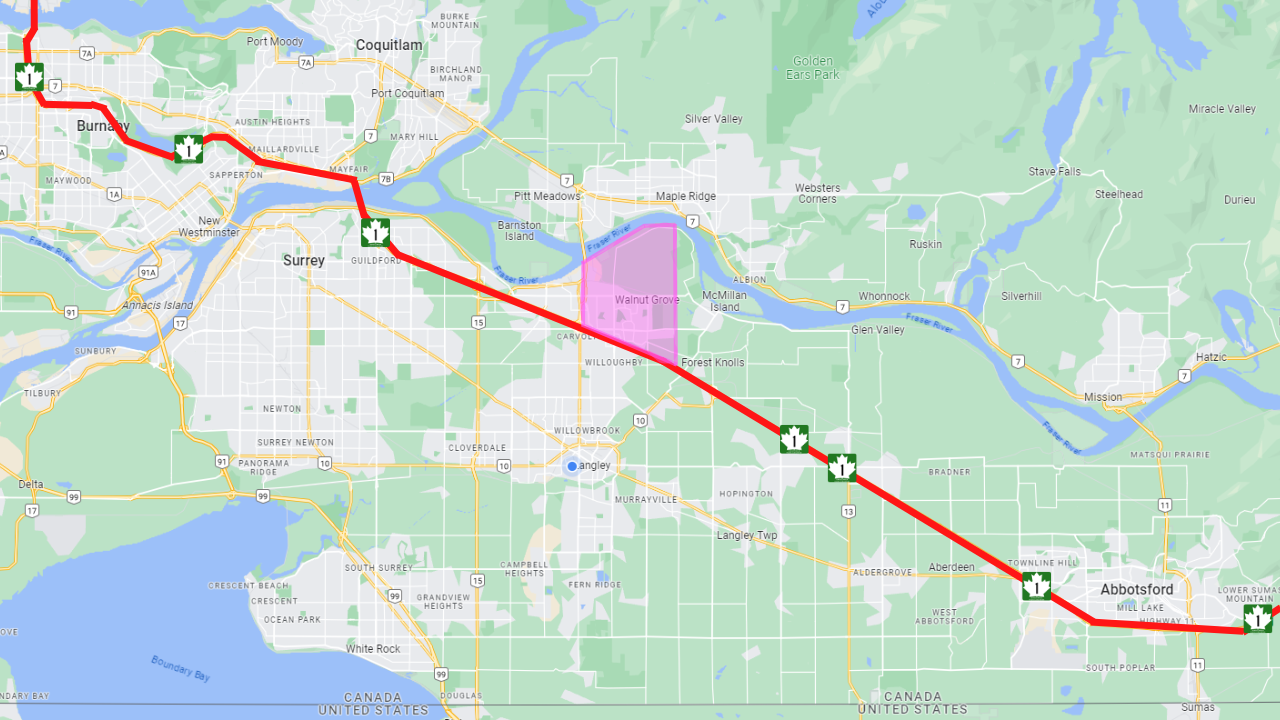
The Full List at a Glance
| Neighbourhood | Housing Type | Best For | Main Trade-off |
|---|---|---|---|
| Willoughby | Detached, townhome, condo | Widest buyer range | Density & traffic |
| Walnut Grove | Detached, townhome, some condo | Families, commuters | Cosmetically dated stock |
| Brookswood | Detached, some townhome | Lot size & privacy | Septic, well water, slower HWY 1 access |
| Fort Langley | Detached, limited townhome | Lifestyle & price resilience | High entry price, limited inventory |
| Murrayville | Detached, limited condo & townhome | Stability & healthcare proximity | Narrow housing variety |
The List in Detail
9. North Langley (Countyline & Glen Valley)
Almost entirely ALR land. Properties sit on 2.5 acres or more, with custom-built homes, older farmhouses, barns, and secondary structures designed for land use, not suburban living. No condos or townhomes, and property value is often tied more to the land than the house. Even a quick errand takes a 10 to 15-minute drive.
The Trade-off: Highway 1 access exists via 264th or 232nd Street, but internal roads are single-lane with limited lighting. Resale flexibility and buyer pool shrink noticeably over time.
8. Salmon River
Acreage-oriented like North Langley, but more centrally located. Lot sizes commonly run from half an acre up to several acres. No condos or townhomes, so entry-level options are scarce. Access to Fraser Highway, 232nd, and 216th Street gives better connectivity toward Langley City and Highway 1.
The Trade-off: Still fully vehicle-dependent. No walkability or housing variety for first-time buyers or downsizers wanting something maintenance-friendly.
7. Aldergrove
One of the more affordable detached entry points in the Township, with lots typically in the 5,000 to 8,000sqft range plus a growing number of townhomes and newer condos. The Aldergrove Credit Union Community Centre anchors day-to-day lifestyle with pools, ice rinks, and fitness facilities.
The Trade-off: Commuting west toward Surrey, Burnaby, or Vancouver runs noticeably longer when Fraser Highway and 264th Street back up at peak hours. Resale can be more price-sensitive in softer markets than higher-demand neighbourhoods with quicker freeway access.
6. South Langley (Campbell Valley & Otter District)
Lot sizes commonly range between 1 and 5 acres, with equestrian properties, gated estates, and luxury enclaves like Highpoint Estates. No condos or townhomes. Everyday retail is limited to smaller pockets along 200th or 248th Street. If you don't have a bare minimum of $2 million, Highpoint Estates isn't worth investigating.
The Trade-off: Fully vehicle-dependent. Routine errands require driving into Brookswood or Murrayville at minimum. Lack of housing diversity lowers flexibility for the average relocation buyer.
5. Langley City
A separate municipality from the Township and the downtown core of Langley. Heavily weighted toward condos, townhomes, and older detached homes on smaller lots. Entry-level pricing is generally lower than most Township areas. Close to Fraser Highway, major bus routes, and the upcoming SkyTrain extension along Fraser Highway.
The Trade-off: Street-by-street differences matter more here than anywhere else in Langley. Some sections see higher transient activity, petty crime, and homelessness. The outer edges bordering Murrayville, Brookswood, or Willoughby offer better insulation while keeping the pricing and transit benefits.
4. Murrayville
Centred around Langley Memorial Hospital and WC Blair Recreation Centre. Detached homes built from the late 1980s through early 2000s dominate, typically on 5,000 to 7,000sqft lots, plus a cluster of 55-plus age-restricted condos and a handful of townhome complexes. Proximity to healthcare and civic services creates steady demand from hospital staff, retirees, and downsizers.
The Trade-off: Inventory is limited and housing variety is narrow. First-time buyers looking for newer condos or modern townhomes will find slim pickings. The upside is pricing consistency when markets soften.
3. Fort Langley
You're buying lifestyle first and square footage second. The walkable village along Glover Road, access to the Fraser River trail system, and preserved historic character command premium pricing. Development is tightly controlled and land is limited, which supports price resilience during market shifts.
The Trade-off: Entry-level pricing is high and inventory is limited. Larger shopping trips require driving and it's slightly removed from major commuter corridors like 200th Street. The premium essentially buys protection from future high-density development next door.
2. Brookswood
Lot sizes typically run 8,000 to 12,000sqft, with detached homes built largely between the 1970s and 1990s. Teardown and rebuild activity has increased noticeably. Townhomes are gradually entering under the Brookswood Fernridge Community Plan, but no condos yet. Mature trees and lower density create a quieter feel that's hard to find in newer subdivisions.
The Trade-off: Many homes rely on septic systems and well water depending on location. Buyers unfamiliar with either need to educate themselves before committing. Highway 1 access is less efficient than areas near 200th Street, so westbound commuters sacrifice some convenience.
1. Willoughby
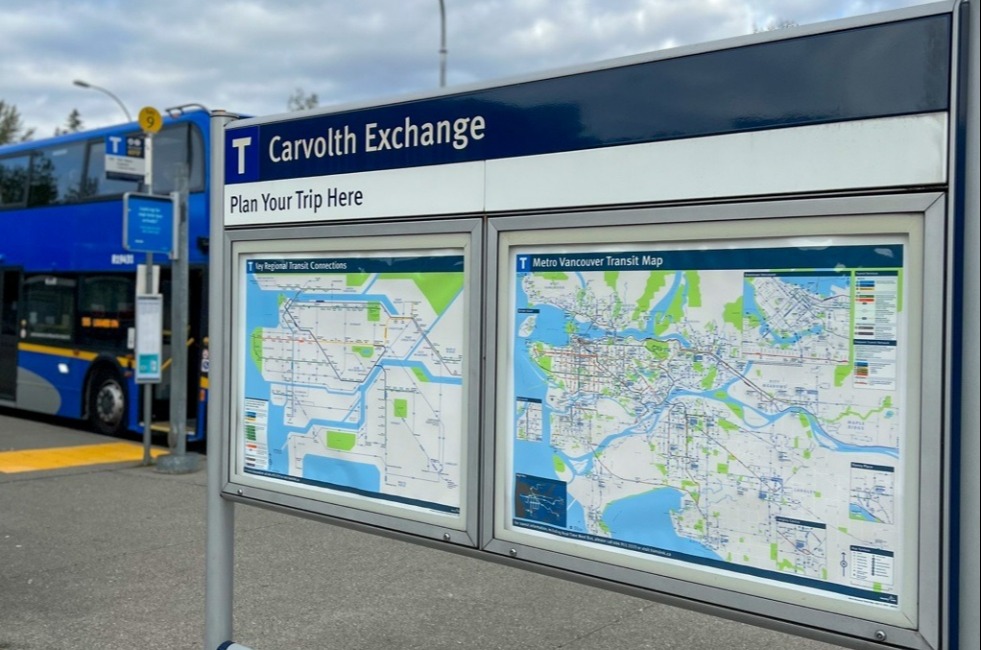
Langley's primary high-density growth area. Detached lots typically run 3,000 to 4,500sqft. Full mix of detached homes, townhomes, and condos, most built within the past 10 to 15 years. Carvolth Exchange provides regional transit, and retail, daycare, schools, and sports facilities are built into the area.
The Trade-off: It's not the quietest and not the most charming. Density and traffic along 200th and 208th Street during peak hours are real. Lots are smaller and privacy is reduced compared to Brookswood or Murrayville. Construction remains ongoing in certain pockets. But the widest buyer pool and most consistent transaction activity make it the most flexible resale choice across changing markets.

Thinking About Buying or Selling in Langley?
The best first step is a quick conversation. Pick a time in the calendar that works for you and we'll talk it through.
How to Choose the Right One for You
Price differences across Langley almost always come down to four variables: commute access, housing mix, lot size, and stage of growth. Once you know where you land on those four, the list narrows fast.
- Commute Matters Most: Walnut Grove and Willoughby both offer strong Highway 1 access via 200th and 216th Street. If you're heading west daily, those two neighbourhoods protect your mornings.
- Family with Detached Budget: Walnut Grove offers structurally solid homes with renovation upside, strong school anchors including Walnut Grove Secondary, and suburban stability without ongoing construction disruption.
- Land & Privacy: Brookswood gives larger lots and a quieter feel without stepping into full acreage territory. Salmon River or South Langley if you want the full rural experience.
- Entry-Level Flexibility: Willoughby or Langley City, with the outer edges of the City worth a closer look for buyers who want affordability without the busiest corridors.
If you want help narrowing this down to two or three areas based on your commute, income, family plans, and long-term goals, book a discovery call. We'll eliminate what doesn't fit before you spend time touring the wrong properties.
Frequently Asked Questions
What is the most affordable neighbourhood in Langley?
Aldergrove offers one of the lowest detached entry points in the Township, and Langley City has lower pricing overall, especially for condos and townhomes. The outer edges of Langley City bordering Murrayville or Willoughby tend to offer the best value without the busiest corridors.
Is Willoughby a good place to buy in Langley?
Willoughby ranks first for overall buyer flexibility. It has the widest housing mix, strong Highway 1 access via Carvolth Exchange, and the most consistent resale activity. The trade-off is smaller lots, ongoing construction in some pockets, and heavy traffic on 200th and 208th Street at peak hours.
What is the difference between Langley City and Langley Township?
They are two separate municipalities. Langley City functions as the downtown core with more condos, townhomes, and older detached homes. Every other neighbourhood covered here, including Willoughby, Walnut Grove, and Brookswood, falls within Langley Township.
Is Fort Langley worth the premium?
Fort Langley commands premium pricing because development is tightly controlled and land is limited, which supports price resilience during market shifts. The trade-off is limited inventory, higher entry costs, and the need to drive for larger shopping. You're buying lifestyle and stability, not square footage.
Which Langley neighbourhood is best for families?
Walnut Grove is a strong fit for families who can get into the detached market. It offers Highway 1 access via 200th and 216th Street, established schools including Walnut Grove Secondary, and a community centre. Homes are mostly from the 1990s and early 2000s, solid but often cosmetically dated, which creates renovation upside.
Related Reading
- The REAL Pros and Cons of Living in Langley in 2026!
- NEVER Buy These Types of Houses in Langley BC! (HERE'S WHY)
- Top 5 Parks in Langley BC Canada You Need to Visit!
- Top 5 High Schools in Langley BC Canada Revealed!
- Living in Langley BC - The REAL Reason People Love Living Here
Subscribe on YouTube: Living in the Lower Mainland

Alex Dunbar Personal Real Estate Corporation
REAL Broker BC Ltd. | Living in the Lower Mainland
Buying, selling or investing in Langley and the surrounding cities? Whether you're new to the area or a longtime local, I'll help you make the right move. Book a 30-minute no-pressure call with me and we'll figure out what works best for you.
Categories
Recent Posts


GET MORE INFORMATION