
Half Duplex or Rowhome: The Step Between Townhouse and Detached
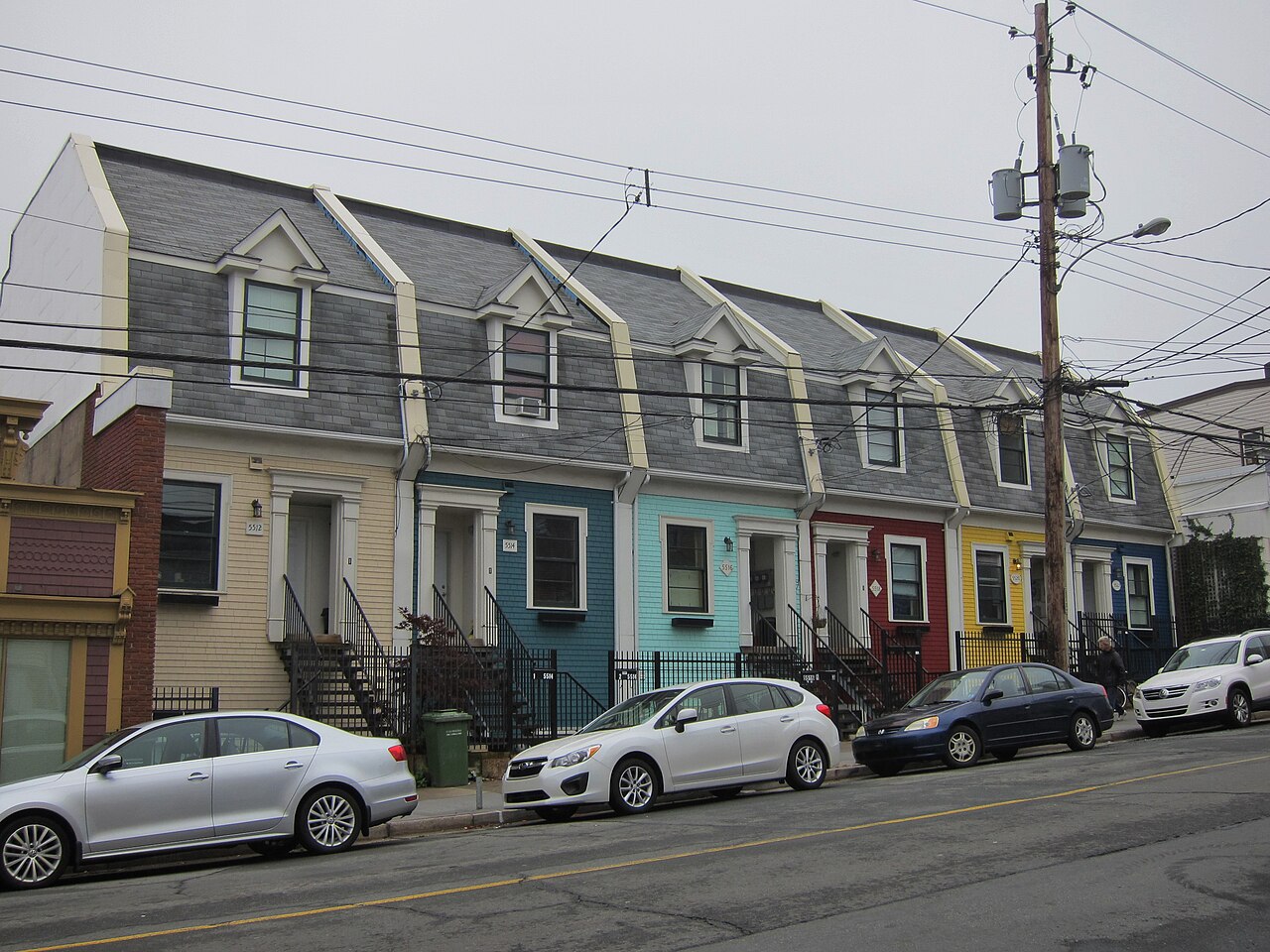
You've outgrown the townhouse, or you're about to, but a detached house in Surrey or Langley still feels like a stretch. That's usually when a half duplex or a rowhome shows up in your search, and it looks like the perfect middle ground: your own front door, maybe your own yard, often no big strata fee.
Sometimes it really is the perfect middle ground. Other times it's a townhouse with fewer neighbours to split the bills with, and you don't find that out until something goes wrong with the roof. The difference almost always comes down to one thing you can't see from the street: how the property is titled.
The Short Version
A half duplex or rowhome can be strata titled, where a strata corporation owns and insures the building, or freehold, where you own your side and the land under it outright and share a wall with your neighbour. Strata versions follow the Strata Property Act and carry strata insurance and bylaws, even with only 2 units. Freehold versions give you more control and more responsibility. Check the title and the documents before you compare prices, because 2 homes that look identical can be very different purchases.
What You're Actually Buying
A half duplex is one side of a building that holds 2 homes, sharing a wall down the middle. You'll also see it called a side-by-side or semi-detached. A rowhome usually means a home in a row of attached homes, often 3 or more, each with its own front door at street level. The words get used loosely in listings, so don't rely on the label.
What matters is the title. There are three common setups.
Strata Titled (Including a 2-Unit Strata)
Plenty of duplexes in BC are strata titled, even when there are only 2 owners. The province's strata pages list duplexes and townhouses among the kinds of strata housing, and say owners and residents in all strata properties must follow the Strata Property Act and its regulations. That means a strata corporation, bylaws, a budget, meetings and an insurance policy, even if the "council" is just you and your neighbour.
Bare Land Strata
In a bare land strata, the strata lot lines are drawn on the land rather than around the walls of the building. The province explains that a bare land strata plan doesn't usually show the outline of the homes, and that common roadways and in-ground services are often common property. If the homes are shown on the plan, the house exteriors may be common property the strata is responsible for, which changes who pays for the roof and siding.
Freehold With a Shared Wall
In a freehold half duplex, you own your side and the land under it, with no strata corporation. The shared wall is the tricky part. These are often governed by a registered agreement or easement on title that sets out who maintains and repairs what. Your lawyer should read that document before you remove subjects, because if there's nothing on title, you and your neighbour are working it out on a handshake.
Insurance: Who Insures What
This is where buyers get caught most often, so it's worth slowing down.
In any strata, including a strata-titled duplex or a bare land strata, the province says the strata corporation must carry property and liability insurance, and the property insurance must be for full replacement value. The strata policy doesn't cover your personal belongings. You still need your own owner policy for your contents, personal liability, extra living costs if you have to move out after a loss, upgrades to your unit and the strata's deductible if you're found responsible for the damage.
That deductible is the number to ask about. The province notes that strata deductibles can range from $100,000 to $750,000 and higher, depending on the number of units and the strata's claims history. In a 2-unit strata, ask what the deductible is and make sure your own policy can cover it.
In a bare land strata, the province says the strata policy usually doesn't include the individual homes unless the strata has taken responsibility for them. So you may be insuring your whole house yourself, plus contributing to the strata's policy for common areas.
In a freehold half duplex, there's no strata policy. You insure your own side. Ask your insurance broker how they handle the shared wall and what happens if a fire starts on your neighbour's side.
Bylaws and Shared Decisions
In a big townhouse complex, bylaws are set by a large group, and one owner rarely changes much. In a 2-unit strata, every decision is between you and one other owner. That's great when you get along. It's hard when you don't, because a 50/50 split leaves no tiebreaker.
If a dispute does come up in a strata, BC's Civil Resolution Tribunal handles strata claims about bylaws, councils, governance and nuisance, plus maintenance and damage. It's worth knowing that exists, but you'd rather not need it. Read the bylaws before you buy, especially on rentals, pets and exterior changes.
Tools & Resources
Run your numbers, find the areas that fit how you live and compare them side by side.
Suites in a Half Duplex
If you're hoping a suite helps carry the mortgage, the rules depend on the city. Surrey allows only 1 secondary suite per semi-detached or duplex dwelling unit. The Township of Langley says suites are now permitted in duplexes and semi-detached homes, but they need a building permit, parking confirmation and strata permission where applicable. In a strata-titled half duplex, that last part means your neighbour gets a say.
How It Compares With a Townhouse and a Detached House
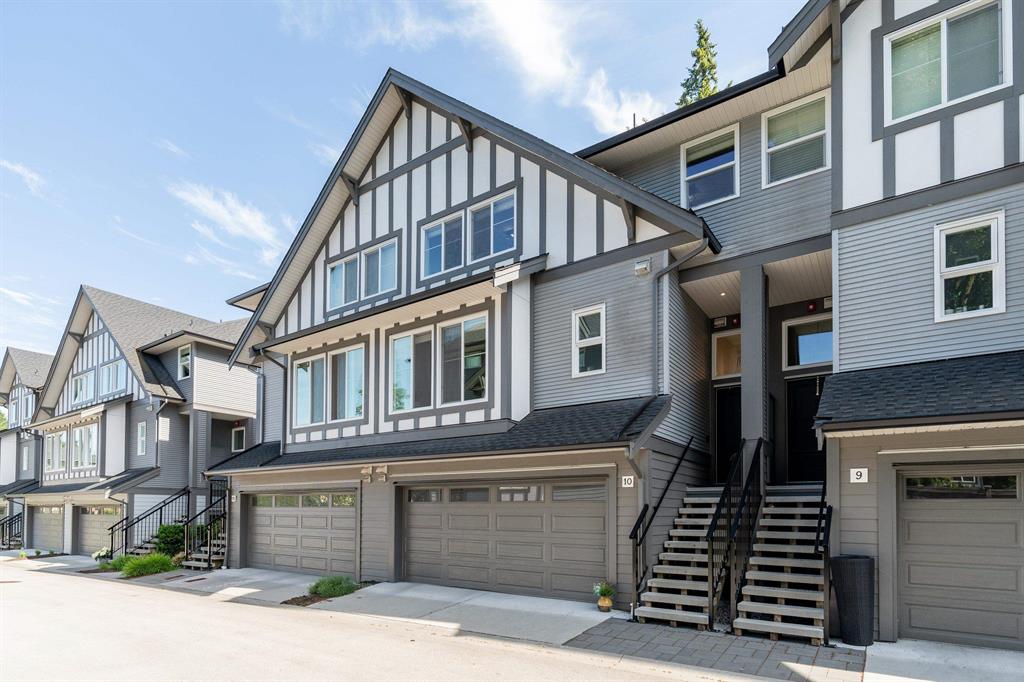
A townhouse in a larger complex spreads the cost of roofs, siding and insurance across many owners, and there's usually a property manager and a contingency reserve fund. The trade-off is less control, more bylaws and a monthly strata fee.
A detached house gives you full control and no shared walls, and you carry every repair yourself. It's also usually the most expensive of the three in the same neighbourhood. Run the price gap through my mortgage calculator to see what it means each month.
A half duplex or rowhome sits between them. You usually get more space and more privacy than a townhouse, and a lower price than a detached home. But with only 2 owners, or a handful, there's often no big reserve fund and no manager, so a roof replacement can land on you and one neighbour. If you're coming from a condo, my post on upsizing from a condo to a townhouse or house runs through when the numbers work.
My honest lean: if you want the feel of a house and you're comfortable handling repairs, a freehold half duplex with a clear shared-wall agreement on title is the strongest of these options. If you want predictable costs and someone else managing the building, a well-run townhouse complex is the better fit.
On resale, the same title question comes back. A buyer comparing your half duplex with a detached home down the street will ask the same things you're asking now, so a clean title, clear documents and no surprises on insurance make your home easier to sell later.
What to Check Before You Write an Offer
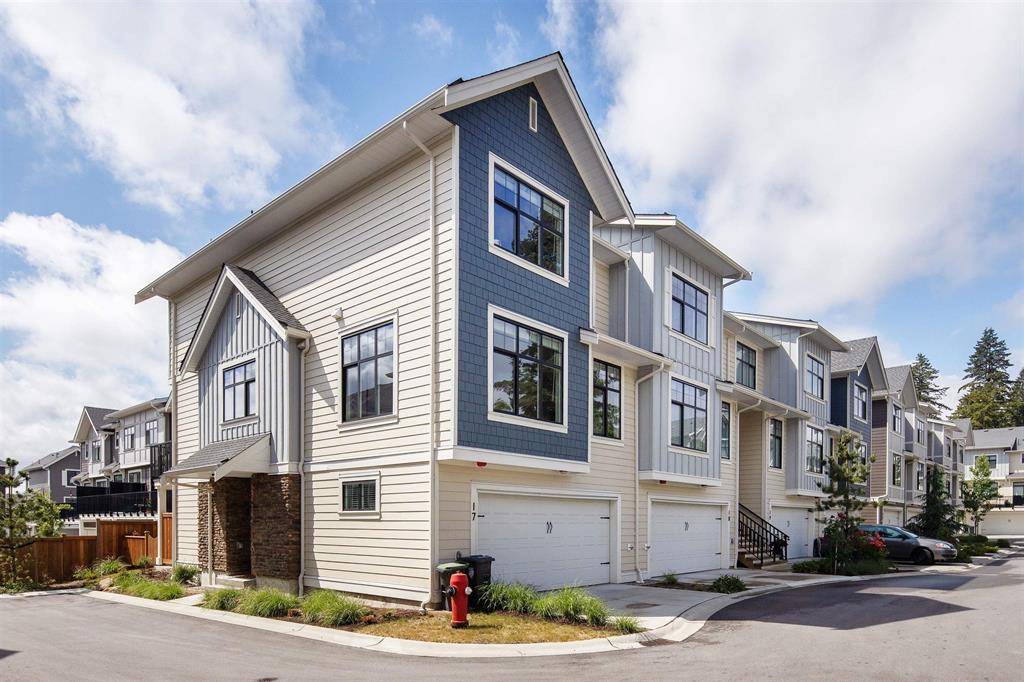
Start with the title search and the strata plan, if there is one. You want to know whether it's strata, bare land strata or freehold, and what's registered on title. Then, for a strata, get the bylaws, the most recent minutes, the budget and the insurance summary, and look hard at the deductible. My guide on how to read strata documents in BC walks through what to look for.
For a freehold half duplex, book a home inspection that pays attention to the shared wall and the roof where the 2 sides meet, and have your lawyer review any agreement or easement on title. Call your insurance broker before subject removal, not after.
Who This Is Not For
If you don't want to share a single decision with a neighbour, a half duplex isn't for you, especially a 2-unit strata. Look at a detached home on a smaller lot instead, even if it means moving a bit further out, like parts of Cloverdale or Maple Ridge where detached prices can be easier to reach.
If you want someone else to handle the roof, the insurance and the reserve fund planning, skip the small 2-unit setups and look at a larger, well-run townhouse complex in Willoughby or Clayton, where the costs are shared across many more owners. My neighbourhood compare tool can help you weigh areas side by side.
And if you need a big contingency fund behind you because your budget has no room for a surprise repair, a 2-unit strata with no meaningful reserve is a risky fit. Ask what's in the fund before you go further.
FAQ
Is a duplex a strata in BC?
It can be. Many duplexes are strata titled and follow the Strata Property Act, even with only 2 units. Others are freehold, with each side on its own lot. The title search tells you which.
Who insures a strata-titled duplex?
The strata corporation must carry property insurance for full replacement value plus liability insurance. You still need your own owner policy for contents, liability and the deductible.
Is a half duplex better than a townhouse?
It depends on what you value. A half duplex usually gives you more space and privacy, while a townhouse complex shares costs across more owners. If predictable costs matter most, I'd lean toward the townhouse.
Can I add a suite to a half duplex?
In Surrey, 1 suite is allowed per duplex or semi-detached dwelling unit. In Langley Township, suites in duplexes need a building permit, parking confirmation and strata permission where applicable.
What is a bare land strata?
It's a strata where the strata lot lines are drawn on the land rather than around the walls of the building. Common roadways and in-ground services are often common property, and the strata policy usually doesn't include the individual homes unless the strata has taken responsibility for them.
How high can a strata insurance deductible be?
The province notes strata deductibles can range from $100,000 to $750,000 and higher, depending on the number of units and the claims history. Make sure your own policy can cover it.
Related Reading

Alex Dunbar Personal Real Estate Corporation
REAL Broker BC Ltd. | Living in the Lower Mainland
Buying, selling or investing in Langley and the surrounding cities? Whether you're new to the area or a longtime local, I'll help you make the right move. Book a 30-minute no-pressure call with me and we'll go over your goals, timeline and budget.
Categories
Recent Posts


GET MORE INFORMATION