
Downsizing in Langley or South Surrey: 55+ Strata vs Rancher Townhome vs Condo
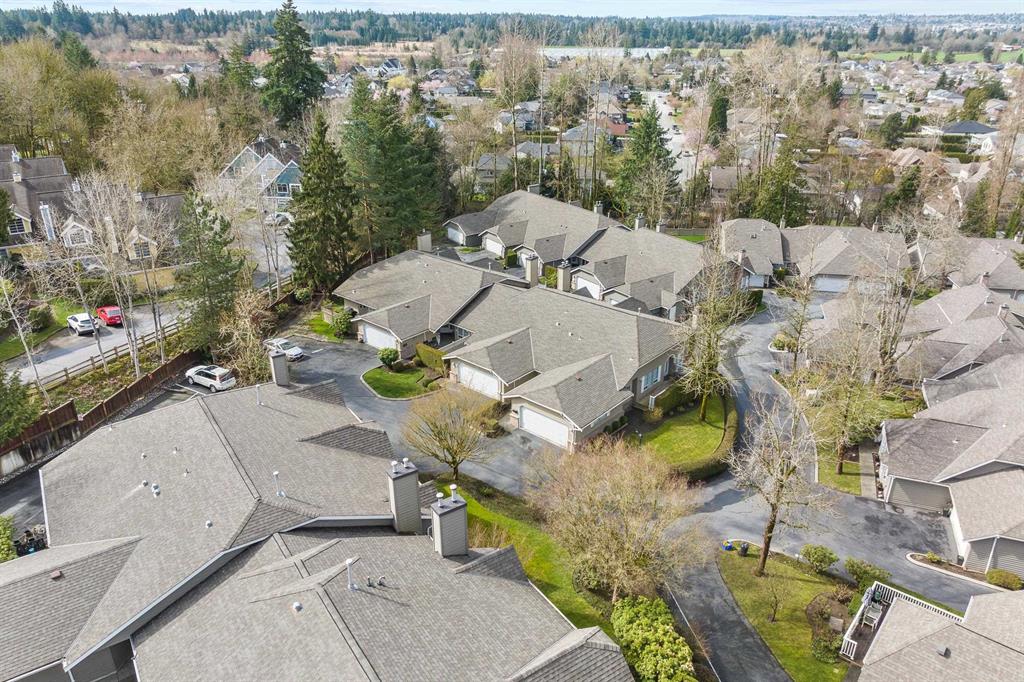
You've probably been thinking about this for a while. The house feels bigger every year, the yard takes your whole Saturday and the stairs you never noticed at 45 are the first thing you notice now. Downsizing sounds simple until you start looking, and then you're choosing between three very different kinds of homes, each with rules that aren't printed on the listing.
I'd rather walk you through the downsides now than have you find them after you move in. Here are the three options most of you compare in Langley and South Surrey, the age bylaw rules that changed in 2022 and the BC tax programs that change the math.
The Short Version
If you want a house feel without the house work, a rancher townhome is usually my pick, as long as you can live with paying for it and waiting for the right one. If you want to lock the door and travel, a condo with a solid elevator and a well-run strata is the easier life. A 55+ building can be a great fit, but only after you understand who's allowed to live there, because the bylaw controls residents, not owners.
What Downsizing Actually Frees Up
Before you compare homes, get clear on why you're moving. For most of you it comes down to three things: less upkeep, fewer stairs and some equity you can put to work instead of leaving it locked in a house that's bigger than you need. If you're carrying a smaller mortgage into the next place, my mortgage calculator shows the monthly side.
That last one matters more than you might expect. Selling a family home you've lived in for years is often a very large, mostly tax-free gain in Canada because of the principal residence exemption. The CRA does require you to report the sale and designate the home as your principal residence on your tax return, even when the whole gain is exempt. You do that on Schedule 3 and Form T2091(IND), and if you skip it, the CRA can accept a late designation but a penalty may apply. Your accountant handles the details, but you should know the step exists.
You might have heard the capital gains inclusion rate was going up to two-thirds. That proposal was cancelled, and the rate is still one-half. It matters more if you also own a rental or a cabin.
Option 1: The Rancher Townhome
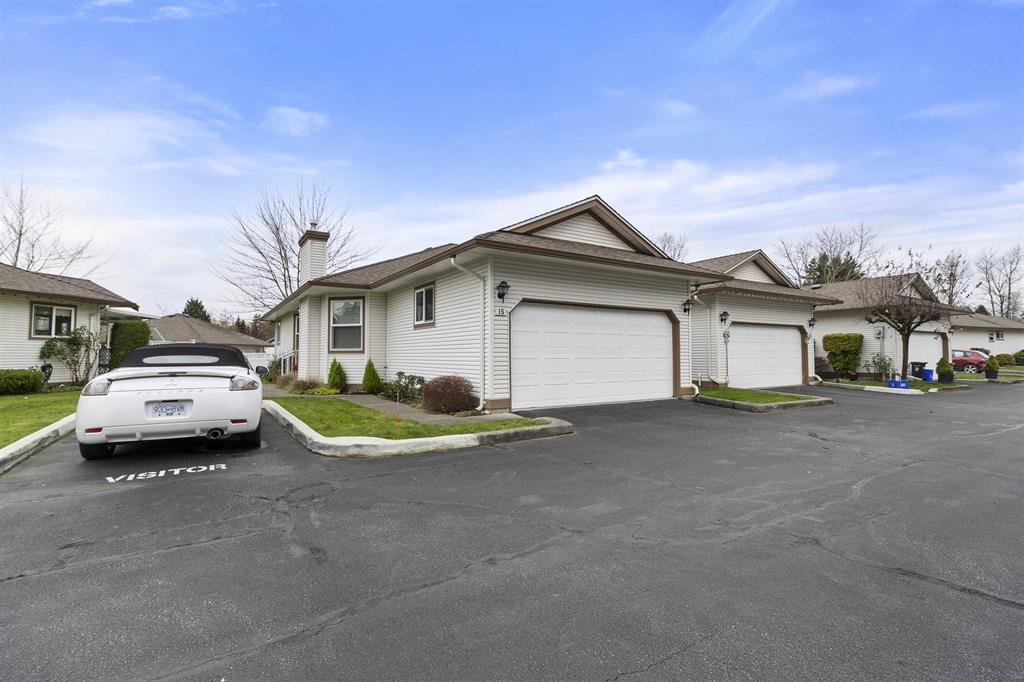
A rancher townhome puts your main bedroom, kitchen and living room on one floor. Some have a second bedroom or a loft upstairs for visitors, but you don't need to climb anything to live day to day.
You still get your own front door, often a small patio, a garage and neighbours who are close but not on top of you. It's the closest thing to the house you're leaving without the roof, the gutters or the lawn.
The downside is that rancher townhomes are harder to find than standard 3-storey townhomes, so the good ones tend to move quickly and you may compete with other downsizers for them. You'll also still have a strata, which means a monthly strata fee, bylaws and the chance of a special levy when big repairs come due.
My take: if you still want to garden, host family and feel like you live in a house, this is where I'd start.
Option 2: The Condo
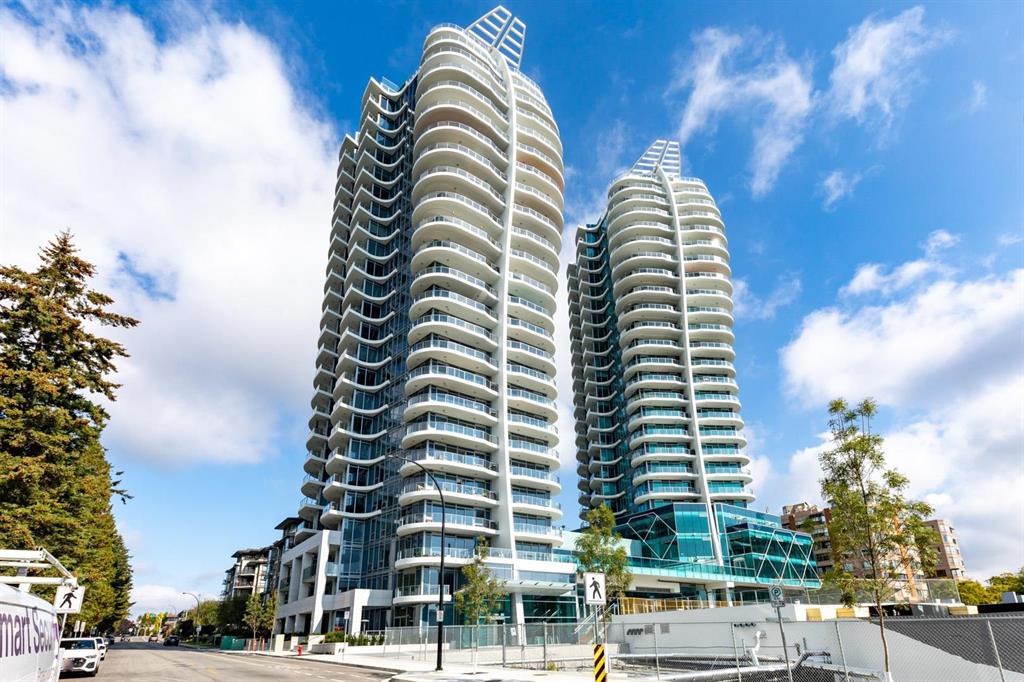
A condo removes stairs completely, as long as the building has an elevator, and it removes almost all of the outdoor work. That's why condos are the default for a lot of downsizers who want to travel or simply stop maintaining things.
The trade-off is the strata fee. Condo fees are usually higher than townhome fees because they cover more of the building: the elevators, the roof, common hallways and in some buildings your hot water or heat. When you compare two buildings, compare what the fee includes, not just the number. A cheaper fee that doesn't cover hot water isn't always cheaper.
Space is the other trade-off. Even a large 2-bedroom condo feels tight after a 4-bedroom house.
My take: if your priority is low maintenance and freedom to leave for a few months, a condo is the easier life. If you still want to garden or host big family dinners, it'll probably feel small. My list of things to know before buying a condo in BC is worth a read first.
Tools & Resources
Run your numbers, find the areas that fit how you live and compare them side by side.
Option 3: The 55+ Strata Building
This is the option with the most rules, and the rules changed in 2022. On November 24, 2022, BC changed the Strata Property Act in two big ways. Strata rental restriction bylaws were made invalid, so most stratas can no longer ban owners from renting out their units long term. And age restriction bylaws were limited to 55 and older. A strata can't set an age limit of 19+, 25+ or 40+ anymore. It's 55+ or nothing.
I covered this in my video Strata Rental & Age Restrictions Removed in British Columbia, which walks through the background on these changes.
Who Can Live in a 55+ Building
Here's what catches families off guard. A 55+ bylaw restricts who lives in the unit, not who owns it. An adult child under 55 can buy a unit in a 55+ building and still not be allowed to live in it.
Provincial law also builds in exemptions. Anyone living there lawfully when the bylaw passed keeps living there, which is called a legacy exemption. A live-in caregiver can live with a resident who needs care because of illness, disability or frailty. Since May 2023, the regulation also covers a younger spouse or partner, a child under 19 you're caring for and an adult child you cared for before they turned 19, so your kid can move back home. A strata can add its own exemptions on top of these.
Why the Rental Change Matters for You
If you want a quiet building of owners your own age, note that a building that couldn't rent before November 2022 may have renters now. That isn't a problem by itself, but the mix of residents can shift over time.
What to Ask Before You Write an Offer
Ask whether the strata has a 55+ bylaw, when it was passed and how many legacy residents are still in the building. Then read the bylaws and the last two years of minutes. If the minutes show a fight over the bylaw, a long list of deferred repairs or a council that declined to get a professional opinion on a building issue, treat that as a red flag. That's the point to talk with your lawyer and your insurance broker before you remove subjects. My guide on how to read strata documents in BC shows you where to look.
Langley vs South Surrey for Downsizers
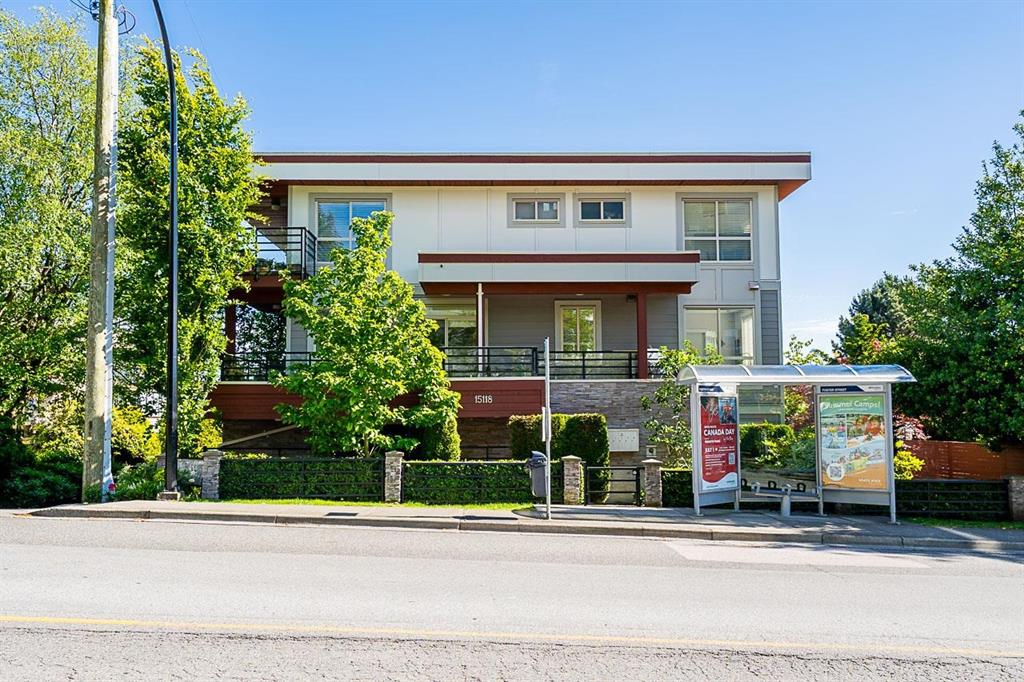
Both areas sit inside Metro Vancouver, which matters for the grant amounts below. South Surrey tends to suit you if you want to be near White Rock and the beach at a quieter pace. Langley tends to suit you if you want newer townhome communities and easy access to Highway 1. I've lived in the Surrey and Langley area for more than 30 years, and my advice is simple: pick the area your daily life actually happens in. I've lived in both Cloverdale and Langley, so I know the Surrey and Langley sides of that line well. My neighbourhood compare tool lines up areas side by side if you're still deciding.
The BC Tax Programs That Change the Math
Property Tax Deferment
If you're 55 or older, BC lets you defer your annual property taxes on your principal residence, as long as you keep at least 25% equity based on your BC Assessment value. The province pays the taxes and puts a lien on the home, and the deferred taxes plus interest are paid when you sell or transfer it.
The terms changed for 2026. Taxes you defer for the 2026 tax year and later are charged prime plus 2%, compounded monthly. For October 1 to December 31, 2026, that's 6.45% a year. Taxes you deferred for 2025 and earlier stay on the old simple-interest terms, currently 2.45%. It can still make sense if you plan to stay, but it's a loan against your equity, and it isn't free.
The Seniors Home Owner Grant
Once you're 65, you may qualify for the additional home owner grant. For 2026 in Metro Vancouver, that's up to $845 in total, and the full grant applies to homes assessed at $2,075,000 or less. Above that it phases out at $5 for every $1,000 of assessed value. From January 1, 2027, the seniors total is $845 everywhere in BC. You need to pay at least $100 in property taxes before the grant applies, and it only applies to your principal residence. A smaller home with a lower assessment can keep you comfortably inside that threshold.
Who This Is Not For
If you're under 55 and want to buy a home to live in yourself, skip 55+ buildings entirely and look at standard condos or rancher townhomes, because the age bylaw applies to residents. If you're not ready to live with a strata council, bylaws and the chance of a special levy, downsizing into any strata may frustrate you. A smaller detached home or a home with a legal suite on a smaller lot in Langley or Surrey may suit you better. And if your plan is to keep the family home in the family, staying put and using property tax deferment might be the better call than selling.
FAQ
Can I Buy a Unit in a 55+ Building if I'm Under 55?
Yes. BC age bylaws restrict who can live in a unit, not who can own it. You could own it and rent it to someone who qualifies, or hold it for a parent, but you may not be able to live there yourself unless an exemption applies.
Can a 55+ Strata Stop Me From Renting My Unit?
In most cases, no. Since November 24, 2022, strata rental restriction bylaws in BC are invalid. Stratas can still have bylaws on short-term rentals, so check those.
Should I Defer My Property Taxes or Sell?
If you plan to stay for years and have strong equity, deferment can help your cash flow. If you're already thinking about moving, compare 6.45% compounding interest against what a smaller home and a lower tax bill would do for you each month.
What Is a Rancher Townhome?
A townhome with your main bedroom, kitchen and living room on one floor, so you don't need to climb stairs day to day. Some have a second bedroom or a loft upstairs for visitors.
Do I Have to Report the Sale of My Home to the CRA?
Yes. Even when the whole gain is exempt under the principal residence exemption, you report the sale and designate the home as your principal residence on Schedule 3 and Form T2091(IND).
Related Reading

Alex Dunbar Personal Real Estate Corporation
REAL Broker BC Ltd. | Living in the Lower Mainland
Buying, selling or investing in Langley and the surrounding cities? Whether you're new to the area or a longtime local, I'll help you make the right move. Book a 30-minute no-pressure call with me and we'll go over your goals, timeline and budget.
Categories
Recent Posts


GET MORE INFORMATION