
10 Things You NEED to Know Before Buying a Condo in BC
10 Things You NEED to Know Before Buying a Condo in BC
Most people buying a condo spend a lot of time thinking about the layout, the finishes, and the view. What they don't spend nearly enough time on is everything else, and that's exactly where things can go sideways. Condo ownership is fundamentally different from owning a detached home. You're sharing a building, contributing to a collective reserve fund, and living under a set of rules you had no hand in writing.
I've helped a lot of buyers navigate this process, and I've seen firsthand what happens when people skip the due diligence steps. Some of it is annoying. Some of it is expensive. A few cases have been genuinely painful. So whether you're a first-time buyer, downsizing, or picking up an investment property, here are the ten things you absolutely need to know before you sign anything.
Freehold vs. Leasehold: Know What You're Actually Buying
Not all condos are the same when it comes to ownership, and this distinction matters more than most buyers realize. A freehold condo means you own your unit outright along with a proportional share of the common areas. It's the most common type and generally the most straightforward from a financing and resale perspective.
A leasehold condo is a different situation entirely. You're purchasing the right to occupy a unit on land that belongs to someone else, often a government body, a First Nations land authority, or a private entity. Leases are typically set for 99 years, but when that term winds down, you may need to renegotiate, and there's no guarantee the terms will be favourable. Leasehold properties are usually cheaper upfront, but they can be harder to finance and harder to sell. If you're planning to hold for the long term or want straightforward resale options, freehold is generally the safer bet.
Strata Rules, Bylaws, and the Things That Might Surprise You
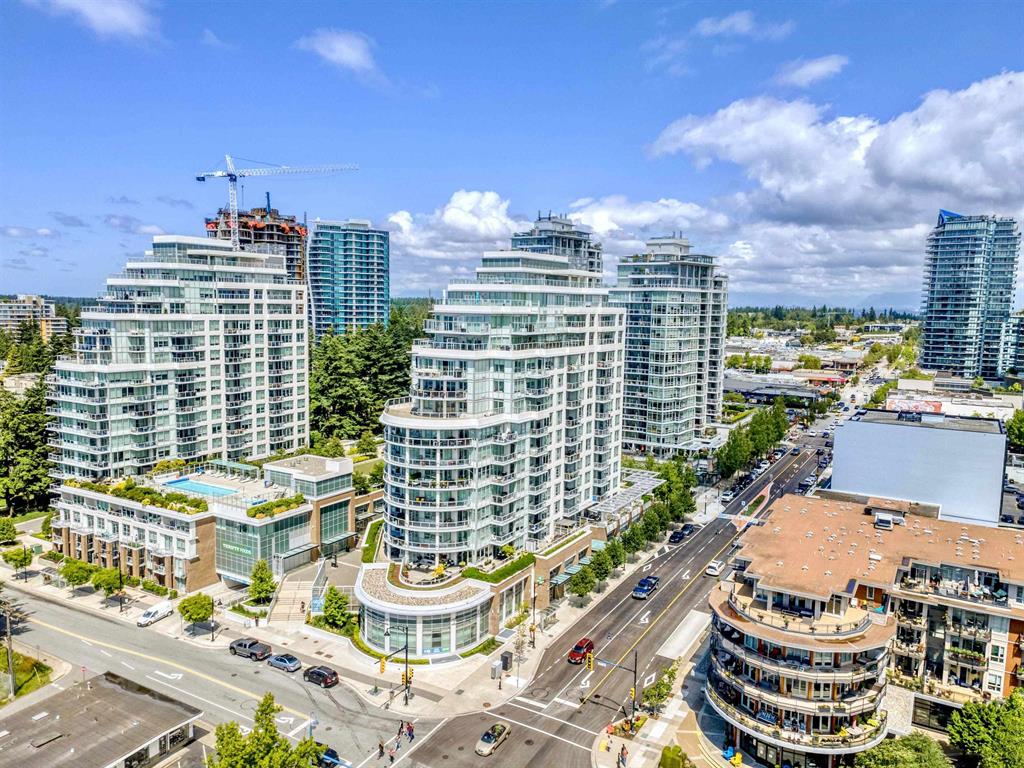
Every condo in BC is governed by a strata corporation, and that strata has bylaws covering everything from pet policies to renovation windows to whether you're allowed a barbecue on your balcony. These aren't suggestions. They're rules that every owner and tenant must follow, and some of them are more restrictive than people expect.
Common examples include weight limits for pets, noise restrictions that only allow construction work between 9 a.m. and 5 p.m. on weekdays, and limitations on what you can do with your outdoor space. It's worth noting that BC removed rental restriction bylaws a few years ago, so buildings can no longer prohibit rentals outright. But plenty of other restrictions still apply. Read the bylaws carefully before you make an offer. If something feels too limiting for your lifestyle, it's much better to find out now.
Strata Fees, Reserve Funds, and the Financial Health of the Building
These two topics are closely connected, and I'd encourage you to look at them together. Strata fees (sometimes called maintenance fees) are mandatory monthly contributions that cover building insurance, common area maintenance, amenities upkeep, and sometimes utilities like water or gas. Fees vary a lot depending on the building, and a luxury high-rise with a concierge, pool, and rooftop lounge will obviously cost more to maintain than a straightforward low-rise with minimal extras.
📊 Two things to watch for: fees that have been climbing steadily year over year (which can signal rising costs or poor financial management), and fees that seem unusually low. That second one is actually a red flag. If the strata isn't collecting enough each month, it likely isn't building up adequate reserves for future repairs, and that leads directly to the next issue.
The contingency reserve fund is the pool of money set aside for major repairs like roof replacements, elevator overhauls, or plumbing upgrades. A well-funded reserve means the building can handle those costs without hitting owners with a surprise bill. A poorly funded one means you could move in and six months later receive a notice that you owe $15,000 for an emergency roof repair. That's a special assessment, and they're more common than people expect, especially in older buildings. Always request the financial statements and the most recent reserve fund study before you commit.
Amenities, Parking, and Storage: The Details That Actually Affect Daily Life
🏡 Amenities are one of the most marketed features of condo living, and they're worth thinking about critically. A gym, pool, sauna, guest suites, EV charging, rooftop lounge: all of these sound great in a listing, but every one of them adds to your monthly fees whether you use them or not. A pool or hot tub requires constant maintenance, staffing, and eventual capital repairs. If you're not a swimmer, you're still paying for it. Before getting excited about an amenity package, ask yourself honestly which ones you'd actually use, and then find out how well-maintained they are and whether there's a history of special assessments tied to them.
Parking and storage are easy to overlook, especially for first-time buyers, but they have a real impact on convenience and resale value. Most condos include at least one assigned parking stall with the purchase, but it's worth confirming whether that stall is owned or leased, since that distinction affects what you can do with it later. In newer developments, I'm seeing fewer and fewer two-bedroom units come with two parking spots. An additional stall in a new building can cost anywhere from $15,000 to $30,000, so if the unit you're looking at includes one, that's a genuine asset when it comes time to sell. Storage lockers are worth checking too, particularly if you have bikes, seasonal gear, or anything that won't fit in the unit itself.
Strata Minutes, Building Age, and Developer Track Record
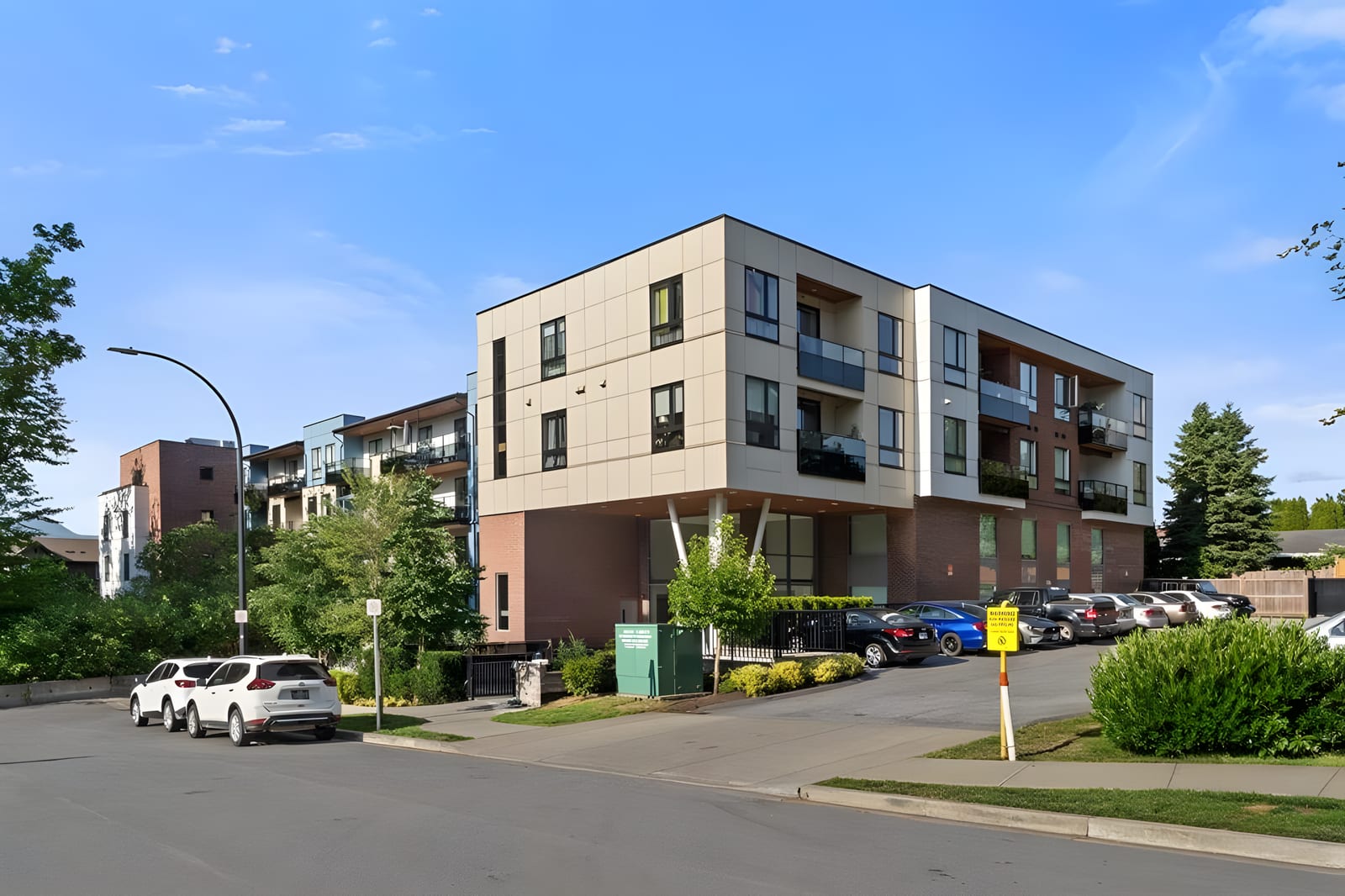
💡 One of the most overlooked steps in buying a condo is reviewing the strata council meeting minutes. You'll typically receive the last two years' worth, and they're genuinely revealing. Recurring mentions of plumbing issues, elevator breakdowns, heating failures, rodent complaints, or disputes with the developer are all worth taking seriously. The minutes also give you a sense of how responsive management is and how the building handles problems when they come up. If the same issues keep appearing month after month with no resolution, that's a pattern worth flagging.
The age and condition of the building connects directly to this. Older buildings sometimes offer larger units and more established communities, but they're also more likely to face costly repairs as systems age. Newer buildings come with modern finishes and energy-efficient features, but they're not without risks either. Leaky windows, HVAC issues, and poor soundproofing are all things that can show up in the first few years after a building is occupied. For newer buildings, it's worth researching the developer's track record. Some developers have a strong reputation for quality construction; others have a history of defects and owner disputes. Checking reviews on past projects can save you a lot of headaches down the road. For buildings that are already 15 or 20 years old, the track record of the building itself tells you most of what you need to know.
The Neighbourhood and What's Coming Next Door
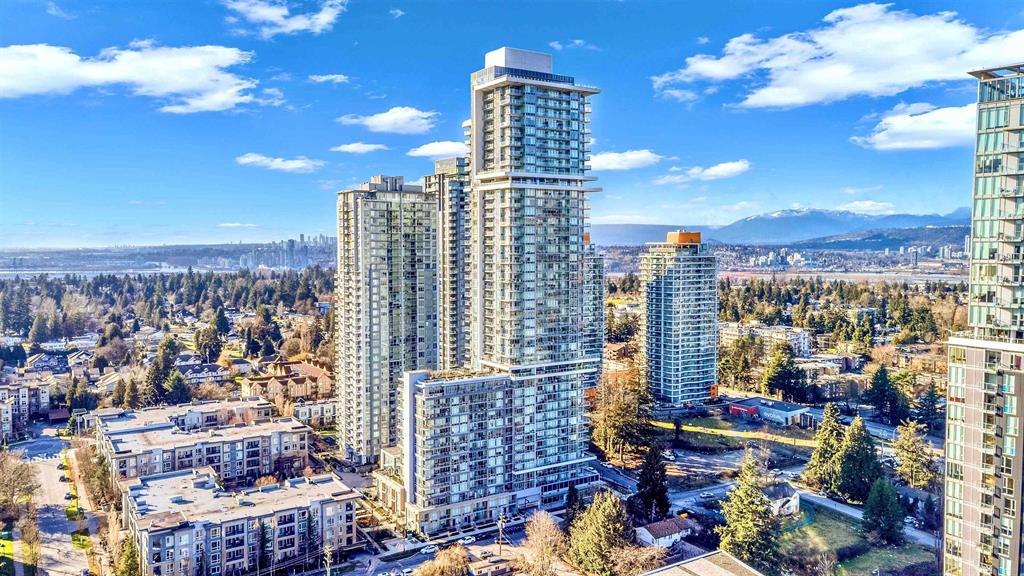
The unit is only part of the equation. The neighbourhood surrounding it, and what that neighbourhood is going to look like in five or ten years, matters just as much. A planned high-rise next door could block your view, bring years of construction noise, and increase traffic congestion. On the other hand, new transit infrastructure, commercial development, or park improvements nearby can meaningfully increase your property value over time. Before you buy, it's worth checking local municipality planning documents and development permit applications. Most of this information is publicly available, and a good realtor should be able to help you interpret what's in the pipeline for the area.
Related Reading
- NEVER Buy These Types of Houses in Surrey BC! (HERE'S WHY)
- The Surrey Condo Market Trend No One's Talking About
- Pay Off Your Mortgage FASTER in Canada with This Strategy
Buying a condo is a significant decision, and the process rewards people who ask the right questions early. If you're thinking about buying a condo in the Lower Mainland or Fraser Valley and want someone in your corner who's been through this process personally, I'm happy to help you work through it.

Alex Dunbar Personal Real Estate Corporation
REAL Broker BC Ltd. | Living in the Lower Mainland
Buying, selling or investing in the Lower Mainland? Whether you're new to the area or a longtime local, I'll help you make the right move. Book a 30-minute no-pressure call with me and we'll figure out what works best for you.
Free Mortgage Tools to Run Your Numbers 👇
🔴 Mortgage Qualification Calculator
Categories
Recent Posts




GET MORE INFORMATION