
Buying an Acreage in Langley or Maple Ridge: ALR, Wells & Septic
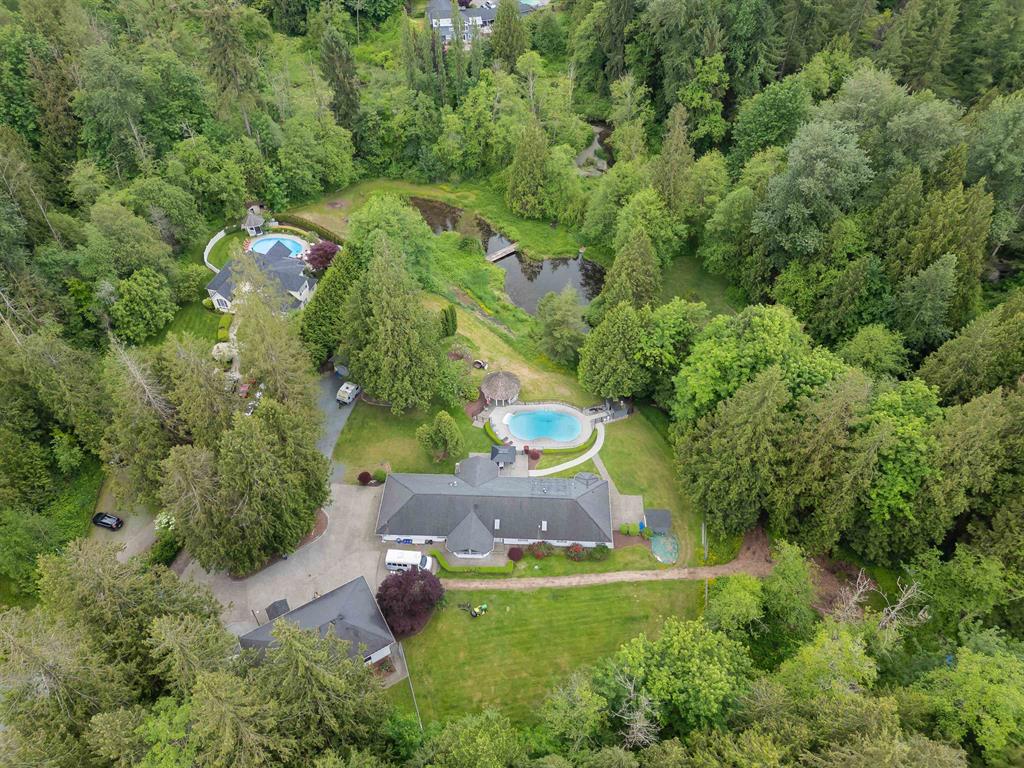
An acreage listing usually sells you the view: the barn, the trees, the long gravel driveway with nobody else in sight. What it rarely tells you is whether you can build the house you're picturing, whether the water is safe to drink and whether the septic field under the lawn is about to cost you a small fortune.
I'd rather you hear about those three things now than after you've removed subjects. This guide walks through what to check before you write an offer on rural land in Langley or Maple Ridge, in the order I'd check it. If you're still deciding between rural and suburban living, my Neighbourhood Matchmaker quiz can help you sort it out.
The Short Version
If the property is in the Agricultural Land Reserve, your house size, your second home and even how much fill you can bring in are capped by provincial rules, and your city can make them stricter. A private well is your responsibility, so get the driller's log, a yield test and a lab potability test before subject removal. And a septic system can only be inspected or repaired by an authorized person in BC, so make your offer subject to a septic inspection and ask for the system's records.
Step 1: Find Out if the Land Is in the ALR
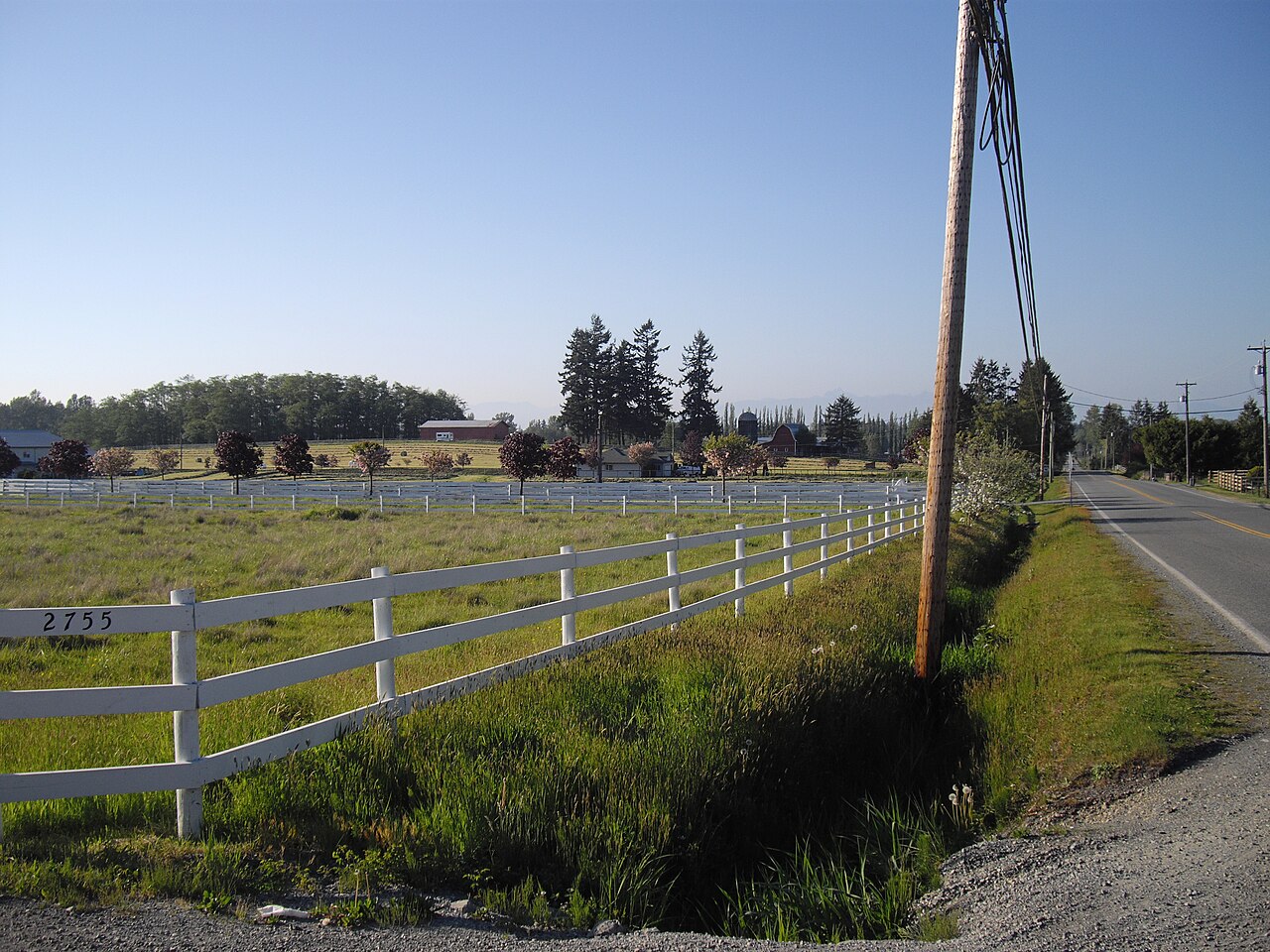
The Agricultural Land Reserve, or ALR, is BC's provincial zone that protects farmland for the future. In the Township of Langley it's most of the map: the Township says 75% of its land is in the ALR. Maple Ridge is the opposite, with 3,782 hectares in the ALR, or about 15% of the city's total area. The ALC is the provincial agency that runs the ALR and decides applications to use ALR land in ways the rules don't allow outright.
Being in the ALR isn't bad news. It protects the farmland and the rural feel around you. But it changes what you can do with the property, so confirm the status before you fall in love. The listing should say, and your city's mapping will too. If you're drawn to rural Langley, my County Line-Glen Valley neighbourhood guide shows what that part of the Township is like.
How Big a House You Can Build on ALR Land
This is the rule that surprises most of you. On ALR land, the principal residence must have a total floor area of 500m² or less. That's roughly 5,380 square feet. Anything bigger needs a Non-Adhering Residential Use application, and your local government reviews that first and decides whether to forward it to the ALC.
If you're planning a large custom build, that cap can change your whole budget and timeline. If you're buying an existing home that's already over 500m², ask how it was approved, because a renovation or rebuild could be treated differently.
Second Homes, Suites and Fill
You can add a second detached residence without ALC approval if one home already exists, but the size depends on the lot. On 40 hectares or less, it's up to 90m², as long as the main home is 500m² or less. On more than 40 hectares, it's up to 186m². It doesn't have to house farm help, which makes it useful for family.
Secondary suites are only allowed inside the principal residence, not in a separate building. And fill is tightly limited. For a principal residence that meets the size rule, you can place fill on up to 1,000m² (including the driveway and yard) without ALC approval. Fill for an additional residence always needs a Notice of Intent.
The part that matters most locally: your city can be stricter than the ALR rules on the number of homes, their size and their siting, but it can't be looser. So the ALR is the ceiling, and the zoning bylaw may set a lower one.
Step 2: Check the Local Zoning
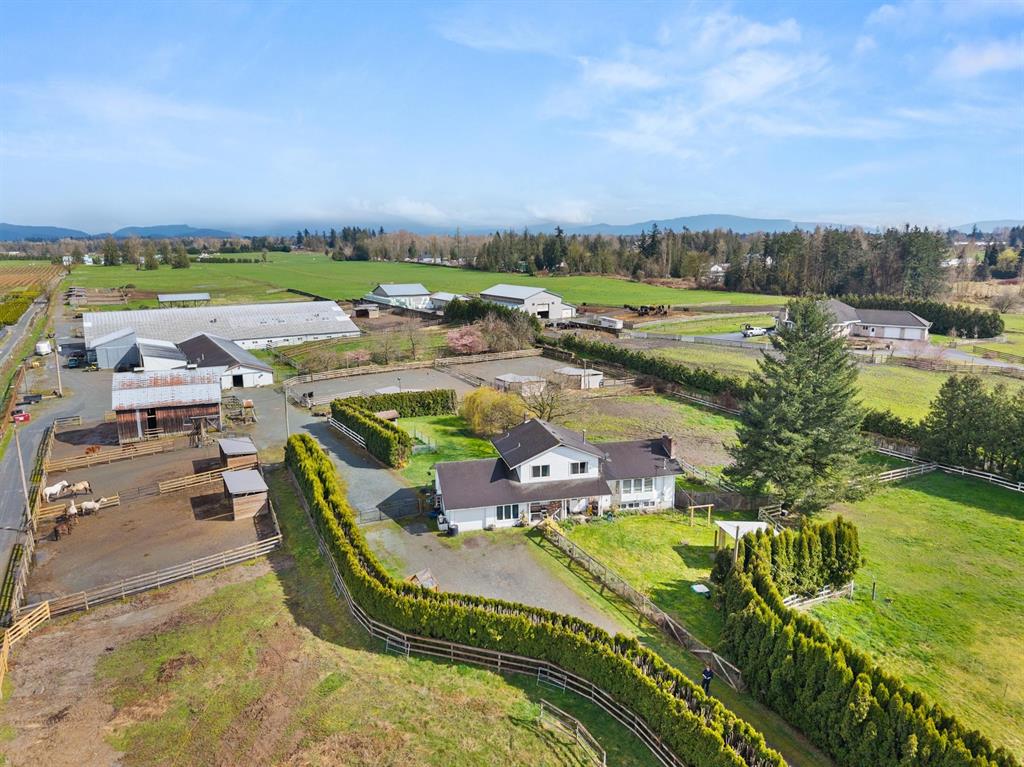
Every rural property in Langley or Maple Ridge also has municipal zoning, and that zoning sets lot sizes, setbacks and how big a second dwelling can be. The Township of Langley and the City of Maple Ridge both publish their zoning bylaws online, and Maple Ridge says it's in the process of updating its bylaw, so read the current version, not a copy from an old listing package.
Lot size is the number that trips up people who hope to split a property later. In the Township, the minimum size for a new lot created by subdivision is 1.7ha in the RU-1 zone and 8.0ha in RU-2 and RU-3. In Maple Ridge, it's 2.0ha in A-1, 4.0ha in A-2, 0.4ha in RS-2 and 0.8ha or 2.0ha in RS-3 depending on servicing. If the lot you're looking at isn't at least double the minimum for its zone, assume it can't be split.
My advice is to look up the zone on the property, read that one section and call the planning department with your specific question before you remove subjects. It's a free call and it can save you from buying land you can't use the way you planned.
Tools & Resources
Run your numbers, find the areas that fit how you live and compare them side by side.
Step 3: The Well
On an acreage, there's a good chance you won't be on city water. A private well means you are responsible for your water's safety, and provincial rules for private household wells are light.
Records to Ask For
Start with the well driller's log. It shows the depth, the soil conditions, how much water the well produced when it was built, and what it's built from. The seller may have a copy. You can also search the province's GWELLS database, but older wells may not be listed. Wells built or altered after February 29, 2016 must be registered, while registration before that was voluntary.
A household well doesn't need a provincial licence, and registering one is free. If the well isn't in GWELLS, registering it after you buy helps make sure your water use is considered during times of water scarcity. If you plan to irrigate or run a business, that's non-domestic use, which needs a water licence.
What to Inspect and Test
Fraser Health's advice for buyers is clear. Have a qualified professional inspect the well. The casing should stick up 12 to 24 inches above the ground with no cracks, the cap should be watertight and the ground should slope away from it. Septic fields and livestock pens should be at least 30m (100 feet) from the well, on your land and the neighbour's.
Ask for a well yield test so you know the well can keep up with your household. Talk to the neighbours about their water. Shallow wells, under 50 feet, are more exposed to seasonal changes. Then get a potability test from a certified lab before you remove subjects.
After you move in, Fraser Health recommends testing for total coliform and E. coli bacteria at least once or twice a year, and for chemical parameters every 3 to 5 years.
Step 4: The Septic System
Homes that aren't connected to a community sewer use an onsite system that must comply with BC's Sewerage System Regulation. Only an authorized person can design, install, repair, maintain or inspect one. In BC that means a Registered Onsite Wastewater Practitioner (ROWP) or a professional engineer.
That's why I'd always write the offer subject to a septic inspection by a ROWP. Fraser Health also recommends it, because replacing a system can be very expensive.
The Paperwork That Tells You the Most
When a system is built, the authorized person files a letter of certification with the health authority and gives the owner the as-built plans and a maintenance plan. Under the regulation, the owner has to maintain the system according to that plan and keep records of the maintenance. It's an offence to operate a system with no letter of certification on file.
So ask the seller for the letter of certification, the as-built plan, the maintenance plan and the pump-out and service records. A seller who has all four usually took care of the system. A seller with none is a reason to dig deeper with your inspector.
Step 5: Insurance and Lending
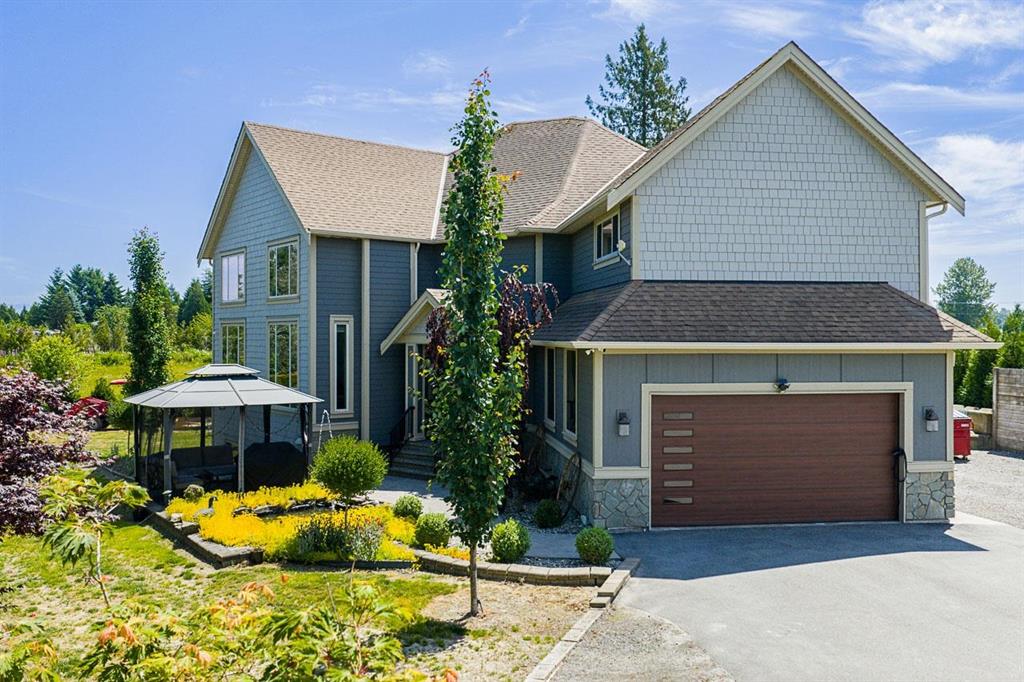
Rural properties raise questions that a city lot doesn't: older wells, septic fields, outbuildings, wood stoves and distance from a fire hall. Talk to an insurance broker before you remove subjects, not after, and ask your lender early whether the property type affects your financing. Rural homes can carry different costs, so test your numbers in my mortgage calculator early.
Who This Is Not For
If you want a large custom home over 500m² and don't want to go through an application, an ALR acreage isn't for you. Look at rural land outside the ALR or a large detached lot in an established neighbourhood instead. If the idea of testing your own water and managing a septic system sounds like a chore, a home on city water and sewer in Langley's or Maple Ridge's suburban neighbourhoods will suit you better. And if you're mainly buying land as a short-term investment to subdivide, the ALR and rural zoning rules may make that harder than the listing suggests. My Whonnock guide covers Maple Ridge's rural east side if you want to compare.
FAQ
Can I Build a Second House on ALR Land in BC?
Often yes, without ALC approval, if one home already exists. On 40 hectares or less it can be up to 90m², and on more than 40 hectares up to 186m². Your city may set stricter limits.
How Big Can a House Be on ALR Land?
The principal residence can have up to 500m² of total floor area. Anything larger needs a Non-Adhering Residential Use application.
Do I Need to Register My Well in BC?
Wells built or altered after February 29, 2016 must be registered. Older household wells don't have to be, but registration is free and encouraged.
Who Can Inspect a Septic System in BC?
Only an authorized person: a Registered Onsite Wastewater Practitioner or a professional engineer.
How Much of Langley Is in the ALR?
The Township of Langley says 75% of its land is in the ALR. Maple Ridge has 3,782 hectares in the ALR, about 15% of the city's total area.
What Is the Minimum Lot Size to Subdivide Rural Land in Langley?
In the Township, the minimum size for a new lot created by subdivision is 1.7ha in the RU-1 zone and 8.0ha in RU-2 and RU-3.
Related Reading

Alex Dunbar Personal Real Estate Corporation
REAL Broker BC Ltd. | Living in the Lower Mainland
Buying, selling or investing in Langley and the surrounding cities? Whether you're new to the area or a longtime local, I'll help you make the right move. Book a 30-minute no-pressure call with me and we'll go over your goals, timeline and budget.
Categories
Recent Posts

GET MORE INFORMATION