
BC Property Disclosure Statement: What Buyers and Sellers Need to Know
BC Property Disclosure Statement: What Buyers and Sellers Need to Know
Most resale listings in BC come with a Property Disclosure Statement. This seller-completed form describes known issues before a deal closes, and it can change whether a buyer proceeds entirely. Skipping or misreading it is one of the most common mistakes in a Fraser Valley transaction.
What the PDS Actually Is
The Property Disclosure Statement (PDS) is a voluntary form, completed by the seller, that describes the condition of a BC resale property. There is no prescribed disclosure form in BC, but most sellers provide one, and a buyer can make receiving it a condition of the offer. It is designed to protect both parties: sellers document what they know, and buyers receive that information upfront rather than discovering problems after closing.
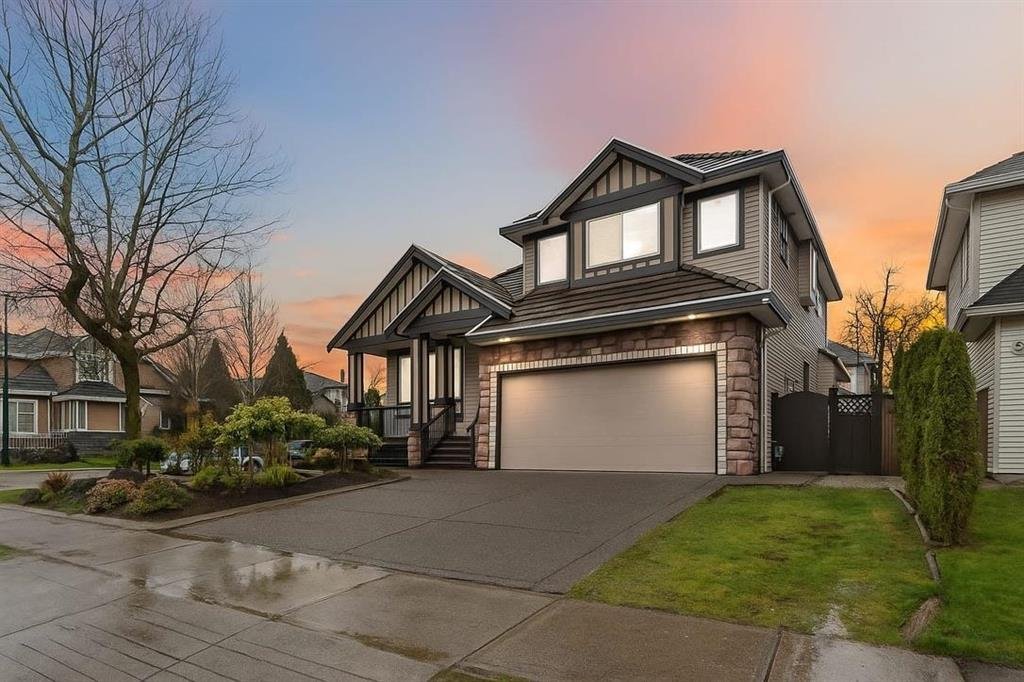
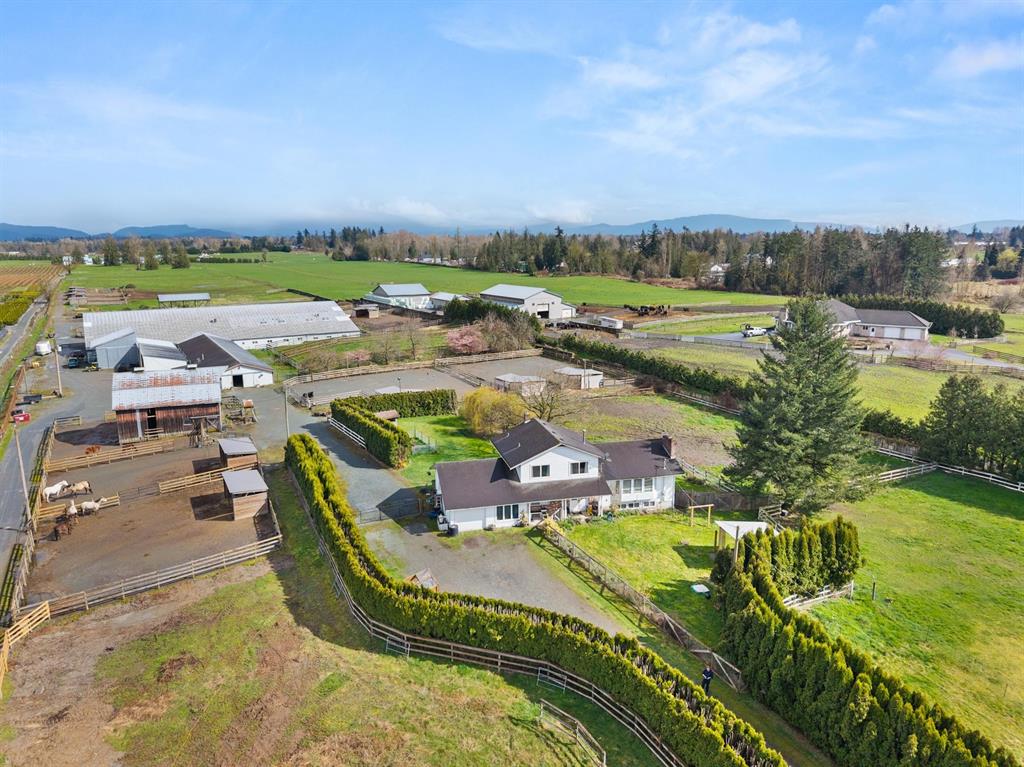
The form comes in several versions depending on property type. There is one for single-family detached homes, one for strata properties (condos and townhomes), one for rural properties, and one for bare land strata. Each covers the questions most relevant to that property type, so the version you review should match what you are buying.
These forms are updated regularly to reflect current legal standards. Always confirm you are working with the most recent version, because using an outdated form creates problems for both sides. The PDS is typically stored in the document section of the MLS platform, where your REALTOR can pull it and share it with you before you write an offer.
Who Fills It Out and When
The seller completes the PDS, ideally before the listing goes live. Each answer must be initialled by every person on title, not simply checked off. If there are two sellers, both must initial every response. The form asks sellers to answer yes, no, I don't know, or does not apply, though not every question allows all four options.
Sellers are technically supposed to complete the form independently, without coaching from their REALTOR. In practice, a good agent will walk through the questions to help the seller understand what is being asked, without supplying the answers.
The date on the buyer's acknowledgment line matters. That date must reflect when the buyer actually received the document, not when the seller filled it out. Mismatching those dates is a common error that creates liability for everyone involved. If a seller refuses to provide the PDS until after an accepted offer, that does happen occasionally, but seeing it prior to making an offer is always preferable.
The Trade-off: in some transactions, sellers delay releasing the PDS until there is an accepted offer. This is not standard practice and limits your ability to assess known issues before committing.
What Gets Disclosed
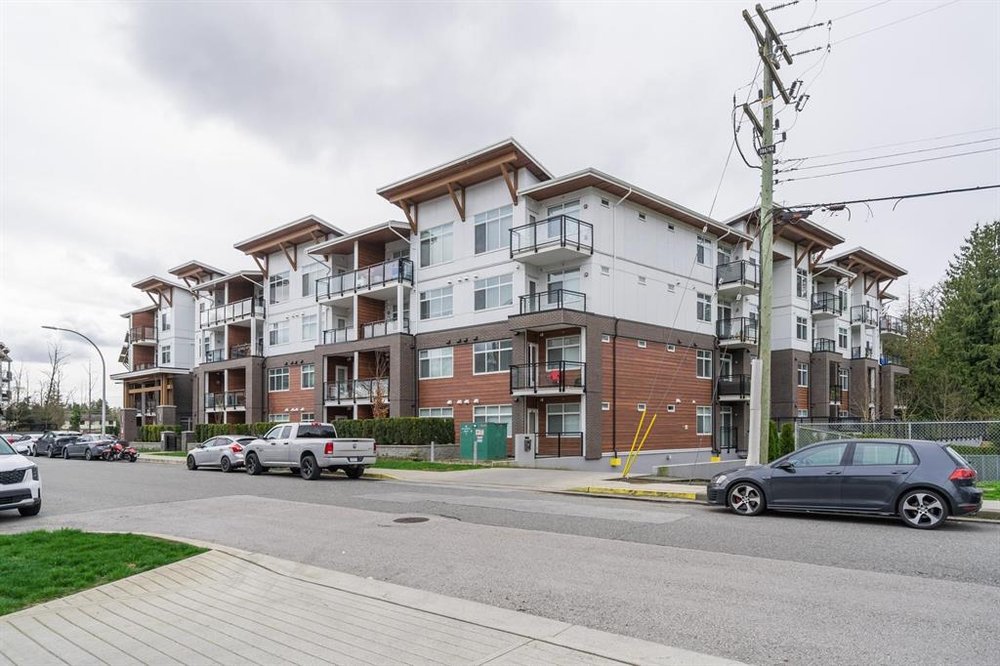
The PDS covers a wide range of property conditions. For strata properties, key questions include whether there are any pending legal claims or litigation affecting the development, any special levies voted on or proposed, and special levies already paid. Litigation questions deserve particular attention. A slip-and-fall claim carries different weight than a strata suing a builder over deficient construction work.
The form also asks about radon, an odourless radioactive gas that can seep into homes through foundation cracks. Most buyers see this question and feel uncertain; in most cases there is no issue, but due diligence is available if you want it.
Material latent defects require disclosure. A latent defect is one that cannot be discovered through a reasonable inspection and that makes the property dangerous or unfit for habitation. Examples include mold hidden inside walls and prior use of the property as a cannabis grow operation or drug lab. Un-remediated damage from illegal use is a material latent defect, and even a remediated former grow op can make financing and insurance harder.
Under the Real Estate Services Rules, a lack of required municipal building and other permits, which can include an unpermitted suite, also counts as a material latent defect that a REALTOR must disclose. Learn more about disclosure obligations at BCREA or review the BC Government's real estate resources.
Thinking About Buying or Selling?
The best first step is a quick conversation. Pick a time in the calendar that works for you and we'll talk it through.
The Crossed-Out PDS and Other Red Flags
Some sellers provide no PDS at all, or a Property No Disclosure Statement instead. That is common when the property is tenanted, is an estate sale, or involves a power of attorney, because the person signing has no firsthand knowledge of the property's condition. BCFSA advises buyers to treat a no-disclosure form as a signal to do more due diligence, so confirm the reason before proceeding.
If an owner-occupant declines to complete a PDS, treat that as a warning. A seller who lives in the property and will not make any disclosure is, in effect, declining to tell you what they know.
Other things worth watching: parking stalls are not the same as driveways or garages. A townhome driveway is not a specifically assigned parking stall, and a garage typically is not either. The PDS asks for stall numbers and designations (limited common property, common property, rented), and the answers should be confirmed against the Form B. Storage lockers follow the same logic.
The Trade-off: the PDS captures what the seller knows and chooses to disclose. It is not a home inspection and does not replace one. Defects the seller is genuinely unaware of will not appear, which is why subjects and professional inspections still matter.
Before and After
| Property Type | PDS Version Required | Key Disclosure Areas |
|---|---|---|
| Strata (condo/townhome) | Strata Title PDS | Special levies, litigation, strata fees, parking |
| Single-family detached | Residential PDS | Permits, defects, unauthorized suites |
| Rural property | Rural PDS | Water systems, septic, oil tanks |
| Bare land strata | Bare Land Strata PDS | Development charges, shared infrastructure |
| Tenanted / estate sale | No PDS or a no-disclosure form | No disclosure made; confirm reason |
Protecting Yourself on Both Sides
For sellers, the guiding principle is straightforward: disclose everything you know, even if you are unsure whether it matters. Misrepresentation or deliberate non-disclosure can lead to legal action and significant financial consequences. If a defect is known and hidden, the fact that it was not visible to a buyer does not provide protection.
When disclosing a special assessment, for example, describe it fully in the additional comments section: the amount, what it covers, and the timing. Vague disclosure creates almost as many problems as no disclosure at all.
For buyers, read every page carefully and ask your REALTOR to flag any answers that warrant follow-up. A yes answer on litigation, a latent defect disclosure, or a grow-op disclosure each triggers a different response. Some issues are manageable; others affect financing, insurability, or resale value in ways that may change your decision entirely.
The PDS is one layer of protection, not the whole picture. Strata documents, a professional home inspection, and legal advice where appropriate all remain part of a thorough purchase process. The PDS tells you what the seller knows. Your due diligence tells you the rest.
Frequently Asked Questions
Does the seller have to fill out a PDS for every property?
No. The PDS is voluntary in BC, though most sellers provide one. Sellers with no personal knowledge of the property, such as an estate, a tenanted property, or a power of attorney, often provide no PDS or a Property No Disclosure Statement instead. Either way, a seller must still disclose known material latent defects.
What happens if the seller lies on the PDS?
Misrepresentation or failure to disclose a known defect can lead to legal action and an expensive lawsuit. Sellers are required to answer to the best of their knowledge and to initial each response, which creates a record of accountability.
Is a grow op always a deal-breaker?
Not always, but it creates real financing challenges. A remediated grow op typically limits the number of lenders willing to provide a mortgage, and many require a larger down payment. Resale can also be more difficult, so it is worth understanding the full picture before proceeding.
When should I receive the PDS as a buyer?
Ideally before you make an offer, since it can affect whether you want to proceed. The date on your acknowledgment line must match the date you actually received it, not the date the seller completed it.
What is a material latent defect?
It is a defect that cannot be found through a reasonable inspection and that makes the property dangerous or unfit to live in. Examples include hidden mould, un-remediated damage from a drug lab, and work done without the required permits. Sellers are legally required to disclose these even if the buyer could not discover them independently.

Alex Dunbar Personal Real Estate Corporation
REAL Broker BC Ltd. | Living in the Lower Mainland
Buying, selling or investing in the Lower Mainland? Whether you're new to the area or a longtime local, I'll help you make the right move. Book a 30-minute no-pressure call with me and we'll go over your goals, timeline and budget.
Categories
Recent Posts




GET MORE INFORMATION