
How to Sell a Home in Surrey BC: A Step-by-Step Guide
Selling a home in Surrey is not a single process. It is ten different processes depending on which district you are in. A detached home in South Surrey competes against a completely different buyer pool, priced against different comparables, and sold to a buyer with a different profile than a condo in Whalley or a townhome in Clayton. Understanding which market you are actually in is the first and most important step before anything else happens. This guide covers both the BC seller process step by step and the Surrey-specific decisions that affect your outcome.
Surrey's real estate market has distinct sub-markets that affect how you should price and position your home. Our Surrey BC real estate overview explains the community-by-community differences that buyers use to filter their search.
I'm Alex Dunbar, a REALTOR at REAL Broker serving Surrey, Langley, and Maple Ridge through discoverhomesfirst.com.
Step 1: Establish Your Surrey Market Position
Surrey is not one market. It is a collection of distinct communities, each with its own pricing level, buyer profile, and competitive inventory.
Before any listing decision is made, you need a Comparative Market Analysis that uses genuinely comparable properties in your specific district, not Surrey-wide averages. Surrey-wide data will mislead you in either direction.
Key pricing contexts by district:
- South Surrey / White Rock: Premium detached pricing, ocean-adjacent demand, buyers often coming from outside the Fraser Valley.
- Cloverdale: Established detached family market, strong community identity, buyers who specifically want this area.
- City Centre / Whalley: Active condo and presale market concentrated along the SkyTrain corridor. Buyers here are often comparing your resale unit against developer presale projects.
- Fleetwood / Clayton: Townhome and detached growth corridor. The 2029 SkyTrain extension is an active factor in buyer conversations in this area.
- Newton / Fraser Heights / Guildford: Mid-market detached and townhome, broad buyer demographic, price-sensitive in the entry range.
The relevant price reference for Surrey MLS properties is FVREB benchmark data, not Metro Vancouver figures. Make sure any CMA you receive is drawing from FVREB comparables.
Step 2: Choose a Listing Agent
The listing agent represents you throughout the transaction. Their responsibilities include pricing strategy, listing preparation advice, MLS exposure, offer management, and closing coordination. This is not a commodity role.
Questions to ask any listing agent before signing a listing agreement:
- How many properties have you sold in this specific district in the past 12 months?
- What is your average days on market for listings in this price range?
- What is your list-to-sale price ratio?
One topic that comes up occasionally in Surrey: dual agency, where the same agent represents both the buyer and the seller in a single transaction. This is legal in BC but requires a Limited Dual Agency Agreement signed by both parties. Before signing one, understand what representation you are agreeing to receive. You are entitled to full representation from an agent who owes you undivided loyalty. Dual agency changes that structure.
Step 3: Prepare the Property
Preparation requirements differ by property type.
Detached homes: Address deferred maintenance before listing. A pre-list inspection ($500-700) can surface issues before they become subject-removal negotiations. Issues that appear during a buyer's inspection are leverage points; issues you already know about and have addressed are not.
Condos and townhomes: Gather your strata documents before listing, not after an offer comes in. Buyers will request the Form B, depreciation report, recent council minutes, and financial statements. Having these ready shortens the subject period and signals an organized seller.
For all property types:
- Professional photography is not optional. It is a baseline expectation in every Surrey sub-market.
- Staging: full staging for detached homes in the mid-to-upper price range. Declutter and depersonalise at minimum for any listing.
Step 4: Determine Your List Price
List price is a strategic decision. It is not simply a reflection of what you need from the sale or what you paid.
Overpricing causes days-on-market accumulation. Properties that sit develop a stigma; buyers and their agents assume something is wrong. That accumulated time typically leads to lower offers than correct pricing would have generated from day one.
In competitive price ranges in Fleetwood, Clayton, and Cloverdale, correct pricing can generate multiple offers in the first week. In quieter sub-markets like Newton or Fraser Heights, pricing requires careful comparable analysis and a realistic read on current absorption rates.
Your listing agent should walk you through current months of inventory and the list-to-sale ratio for your specific district. Those two numbers tell you more about your pricing position than gut instinct.
Step 5: List on MLS

Once listed, your property appears on the Multiple Listing Service and feeds to publicly accessible real estate sites.
Your listing agent handles: MLS data entry, photo upload, feature sheet, showing instructions, and lockbox setup.
One document falls to you as the seller: the Property Disclosure Statement (PDS). The PDS covers known latent defects in the property. It is not a warranty. It is a disclosure of what you know about the property's condition. Accuracy is required. If you are unsure whether something qualifies as a latent defect, ask your agent before leaving it off the form.
Note: the BC PDS covers latent defects, not patent (visible) conditions like noise or street traffic. You disclose what you know; you are not required to speculate about conditions a buyer can observe themselves.
Step 6: Manage Showings
Leave the property for showings. Buyers cannot speak freely with their agent when the seller is present, which makes for shorter, less engaged visits. Seller presence is consistently one of the factors that suppresses offer interest.
Feedback from showings arrives agent-to-agent and is often filtered. Do not make pricing adjustments based on showing feedback alone. Review the actual market data: if similar properties are selling and yours is not, that is a pricing or preparation signal, not just bad luck.
For strata properties: review your strata bylaws before listing regarding short-notice showings and rental restrictions. Rental restrictions affect your buyer pool and need to be disclosed upfront.
Step 7: Review and Negotiate Offers
Offers arrive as Contracts of Purchase and Sale (CPS). The key terms to review:
- Price: The offer amount and how it compares to your list price and current comparables.
- Deposit: Amount and timeline. A larger deposit signals buyer seriousness. Deposits are held in trust and are not released until completion.
- Subjects (conditions): Most commonly financing, inspection, and strata document review. Each subject has a removal deadline.
- Completion date: The date title transfers. Affects your timeline for moving, mortgage discharge, and coordinating your next purchase if applicable.
- Possession date: Usually one to two days after completion. The date you vacate.
In Surrey's mid-market, most offers include subjects. In competitive price ranges or following a multiple-offer situation, you may receive subject-free or limited-subject offers. A subject-free offer provides speed and certainty but means the buyer has not completed full diligence. Understand the implications before accepting one on price alone.
When multiple offers are received, price is not always the determining factor. Deposit size, subject timeline, and completion date all affect your net outcome. Your listing agent advises you on the full picture of each offer.
Step 8: The Seller's Subject Period
During the buyer's subject period, the deal is conditional. You cannot accept other offers or enter into another binding agreement on the same property.
Your obligations during this period:
- Provide documents requested by the buyer (strata documents, renovation permits, utility records).
- Allow the home inspection at a mutually agreed time.
- Cooperate with the lender's appraisal if the buyer's financing requires one.
- Maintain the property in its current condition.
At the end of the subject period, the buyer removes subjects (deal becomes firm) or withdraws. If the buyer withdraws, the deposit is returned and you relist.
Step 9: Subject Removal and Firm Sale

Once subjects are removed in writing, the deal is firm. The deposit is paid to trust within the timeline specified in the contract.
One BC-specific point sellers sometimes miss: buyers have a 3-business-day rescission period after acceptance of the offer. This period runs from acceptance, not from the date subjects are removed. The rescission penalty is 0.25% of the purchase price, payable to the seller. Your listing agent will explain how this interacts with your specific contract timing.
After the deal is firm: your lawyer or notary begins preparing completion documents. You continue maintaining the property in the condition it was in at acceptance.
Step 10: Completion and Possession
Completion: Your lawyer or notary handles the title transfer at the Land Title Office. Funds arrive in trust, your mortgage (if any) is discharged, and net proceeds are released to you.
Possession: You vacate the property by the possession time specified in the contract. The property should be in the condition agreed to at acceptance: same appliances, same fixtures, no new damage.
Budget $1,200-$2,500 for lawyer or notary fees on a standard Surrey sale. If you are purchasing a replacement property, your buyer-side PTT and financing costs are separate.
Surrey-Specific Selling Considerations
SkyTrain corridor impact: If your property is in Fleetwood or Clayton, the 2029 extension is a factually relevant selling point. Know exactly how far your property is from the planned station and be accurate about it. Overclaiming erodes buyer trust.
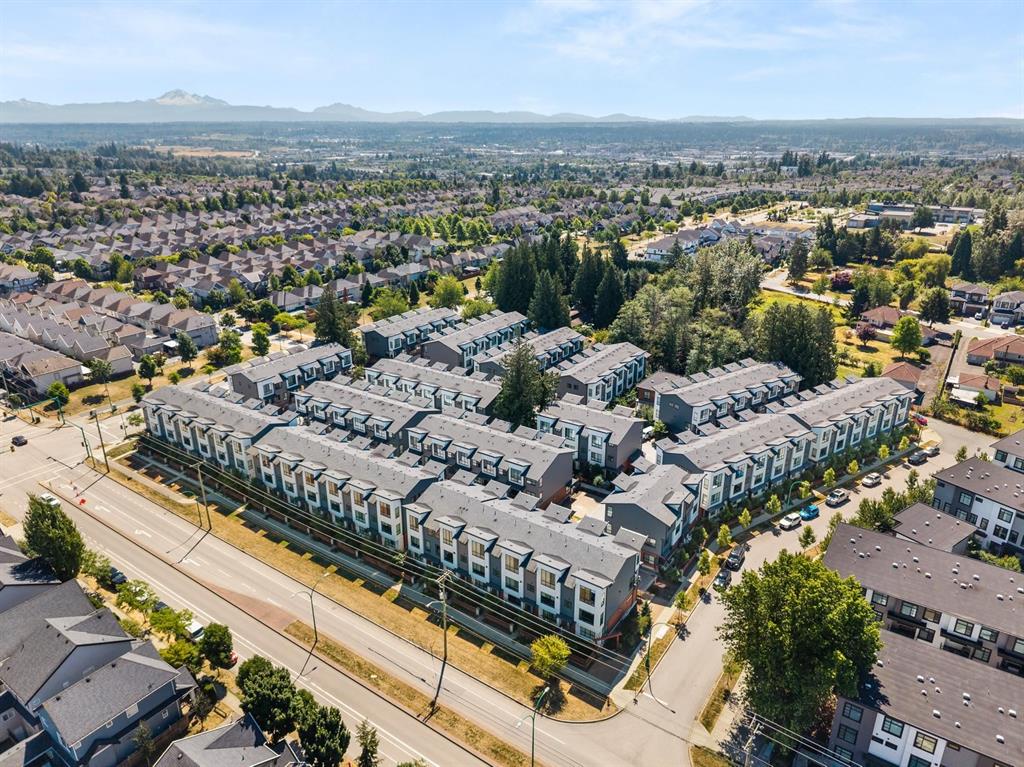
City Centre presale competition: If you are selling a condo in Surrey City Centre or Whalley, your listing competes not only with other resale units but with active developer projects offering new-build incentives. Your pricing and preparation need to account for that. A buyer comparing your resale condo to a presale unit in the same corridor will weigh depreciation, strata financials, and move-in timeline.
Property Transfer Tax and buyer positioning: PTT is paid by the buyer, not the seller. However, awareness of the buyer's cost basis, especially for first-time buyers near exemption thresholds, can inform your pricing strategy in competitive entry-level price ranges. Your listing agent can factor this into offer negotiation guidance.
Flood disclosure: For properties near the Fraser River or in identified flood zones, accurate PDS disclosure about any historical flooding or known risk is required. If your property is in a designated flood zone, your listing agent can advise on how to handle this accurately and what supporting documentation buyers will likely request.
Frequently Asked Questions
How long does it take to sell a home in Surrey BC? Timeline varies by district and price range. In active sub-markets like Cloverdale detached or Fleetwood townhomes, correctly priced listings can sell in one to two weeks. In slower price ranges or quieter sub-markets, 30-90 days is a realistic range. Days on market is a function of pricing accuracy and preparation quality more than any fixed timeline.
What does it cost to sell a home in Surrey? Costs include listing agent compensation, your lawyer or notary fees ($1,200-$2,500), any pre-list repairs or staging, and moving costs. If you are purchasing a replacement property, budget separately for PTT, legal fees, and financing costs on the buy side. Your listing agent can walk you through a net proceeds estimate before you list.
Do I need a pre-list inspection in Surrey? It is not legally required, but it is recommended for older detached homes. A pre-list inspection lets you address issues before they become buyer-side negotiation leverage during the subject period. For newer homes or strata properties in good condition, the case for pre-list inspection is less clear-cut. Discuss with your listing agent based on your specific property.
What paperwork does a Surrey condo seller need to provide? For strata properties, buyers will request the Form B Information Certificate, the current depreciation report, audited financial statements, recent AGM and council minutes, and the current bylaws and rules. Having these documents assembled before listing prevents delays during the subject period. Your strata management company can provide most of these; allow a week or more for the Form B.
Should I accept a subject-free offer? Subject-free offers provide certainty: once accepted, the deal is firm without a conditional period. The trade-off is that the buyer has not completed their inspection or financing confirmation before going firm. For sellers, subject-free offers are attractive for that certainty. Review the buyer's deposit amount and completion timeline alongside the offer price. Your listing agent can help you weigh the full picture of a subject-free offer against one with conditions.
How does the SkyTrain extension affect my Surrey property value if I'm in Fleetwood or Clayton? The 2029 extension is a real factor in buyer conversations in those corridors. Properties within walking distance of planned stations have benefited from anticipation pricing. The degree of impact depends on your exact location relative to the station, your property type, and when you are selling relative to the extension timeline. Be factual about distance and do not overclaim proximity. Buyers will verify.
Next Step
Book a listing consultation at discoverhomesfirst.com to discuss your Surrey property: what comparable properties have sold for in your district, what preparation will actually move the needle for your specific home, and what to expect at each step from list to close.

Alex Dunbar Personal Real Estate Corporation
REAL Broker BC Ltd. | Living in the Lower Mainland
Buying, selling or investing in Surrey and the surrounding cities? Whether you're new to the area or a longtime local, I'll help you make the right move. Book a 30-minute no-pressure call with me and we'll figure out what works best for you.
Categories
Recent Posts




GET MORE INFORMATION