
How to Buy a Home in Surrey BC: A Step-by-Step Guide
Buying a home in Surrey BC follows the same foundational steps as buying anywhere in BC, but with city-specific decisions layered on top: which of Surrey's 10 distinct communities fits your commute and budget, whether you are buying attached or detached, and whether the SkyTrain corridor matters for your purchase.
This guide covers both the BC purchase process and the Surrey-specific decisions within it.
I'm Alex Dunbar, a REALTOR at REAL Broker serving Surrey, Langley, and Maple Ridge through discoverhomesfirst.com.
Step 1: Get Pre-Approved Before You Start Looking
In BC, serious buyers enter the market with a mortgage pre-approval in hand. A pre-approval does three things:
- Tells you your maximum purchase price so you search in the right range
- Shows sellers and their agents that you are a credible buyer when you write an offer
- Locks in an interest rate for a period (typically 90-120 days) while you search
A pre-approval is different from pre-qualification. Pre-qualification is an estimate. Pre-approval involves a lender reviewing your income documents, employment verification, and credit. Get pre-approved, not just pre-qualified.
Step 2: Choose Your Surrey Community
This is the decision that deserves the most time before you start looking at listings. Surrey is not one neighbourhood. Your choice of sub-area affects your commute, your schools, your property type options, and your long-term equity.

Key questions for your Surrey community decision:
- Is SkyTrain access a hard requirement? If yes: City Centre, Fleetwood, or Clayton (future SkyTrain via 2029 extension).
- What is your property type? Condos are concentrated in City Centre. Townhomes dominate Fleetwood and Clayton. Detached homes are strongest in Cloverdale, South Surrey, Fraser Heights, and Newton.
- What is your budget? South Surrey and Cloverdale carry premium detached prices. City Centre has the most affordable condos.
- Do schools drive the decision? Cloverdale, South Surrey, and Fleetwood have well-regarded catchments.
For a full community-by-community breakdown, see Is Surrey BC a Good Place to Live?
Step 3: Engage a Buyer's Agent
In BC, the seller's agent represents the seller, not you. Engaging your own buyer's agent means you have representation whose obligation is to advise you, not facilitate the seller's transaction.
Step 4: Begin Your Search
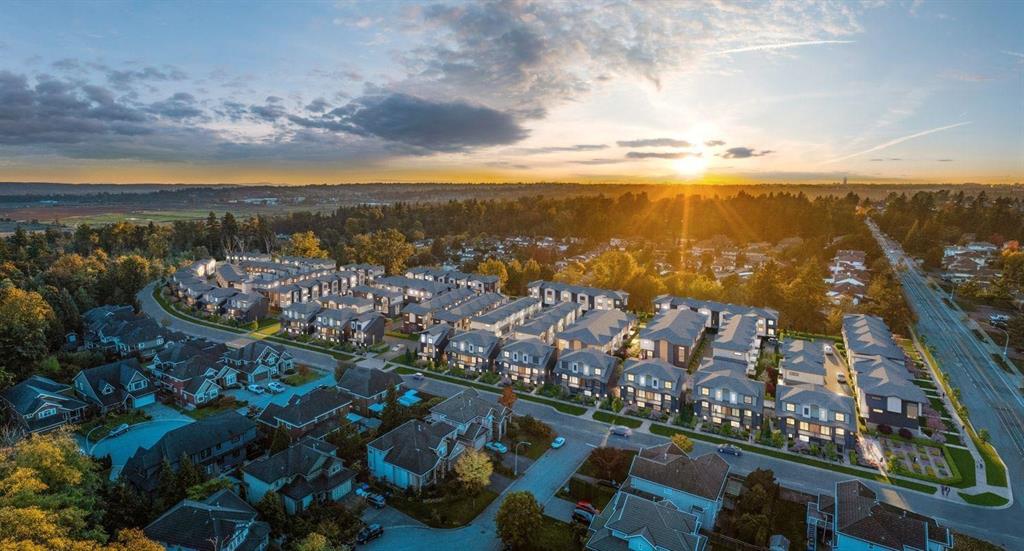
With pre-approval and a target community, you begin reviewing listings. In BC, residential listings are primarily accessed through the MLS system. Your buyer's agent sets up listing alerts matching your criteria.
Useful early filters for Surrey:
- Property type (condo, townhome, detached)
- Sub-area (Surrey City Centre, Cloverdale, South Surrey, etc.)
- School catchment (if relevant)
- SkyTrain proximity (walking distance to station, if required)
Presale considerations: Surrey City Centre and Fleetwood have active presale pipelines. If you are considering a presale purchase, the process is different from resale: you purchase from a developer's plan rather than an existing property, pay a staged deposit over 18-36 months, and take possession when construction completes. GST applies to presale purchases. This is covered in detail through a buyer consultation at discoverhomesfirst.com.
Step 5: Write an Offer
When you find a property, your buyer's agent helps you write a Contract of Purchase and Sale (CPS). The CPS is a legally binding document that specifies:
- The purchase price
- The deposit amount and timeline
- The subjects (conditions that must be satisfied before the deal is firm)
- The completion date (the day money transfers and ownership changes)
- The possession date (typically the same or shortly after completion)
Common subjects in a Surrey purchase:
- Subject to financing: you have until the subject removal date to obtain formal mortgage approval
- Subject to inspection: a registered home inspector assesses the property during the subject period
- Subject to strata document review: for condos and townhomes, you review the strata package (Form B, depreciation report, financials, minutes)
Step 6: The Subject Period
After your offer is accepted, the subject period begins. This is typically 7-10 business days, though timelines vary by negotiation.
During the subject period, you:
Confirm financing: Your mortgage broker or lender reviews the specific property and confirms approval. This is not the same as your pre-approval, which is based on your financial profile alone.
Complete the inspection: A qualified home inspector assesses the condition of the property. For detached homes, this covers structure, roof, foundation, mechanical, plumbing, and electrical. I review the inspection report with every buyer and explain what is a concern versus what is normal for a home's age.
Review strata documents (if applicable): For condos and townhomes in Surrey, you receive the strata package and have a specific number of days to review it. Key documents: Form B (current financials and levies), depreciation report (upcoming capital costs), council meeting minutes (decisions and disputes in recent years), bylaws (rules governing the property). I walk buyers through every strata document package.
Complete FINTRAC verification: Your agent is required to collect government-issued ID and information about the source of your purchase funds under federal anti-money-laundering requirements. This applies to all BC real estate transactions.
Step 7: Remove Subjects or Withdraw
At the end of the subject period, you decide:
- Remove subjects: All conditions are satisfied. The deal becomes firm. Your deposit is due (typically within 24 hours of subject removal).
- Withdraw: A condition was not satisfied. The deal collapses. Your initial deposit is returned. No penalty for withdrawing within the subject period.
Rescission rights: In BC, buyers have a 3-business-day right to rescind on most residential purchase agreements after acceptance, even without a subject condition. This comes with a financial penalty (currently 0.25% of the purchase price). It is not a substitute for proper due diligence during the subject period.
Step 8: Completion and Possession
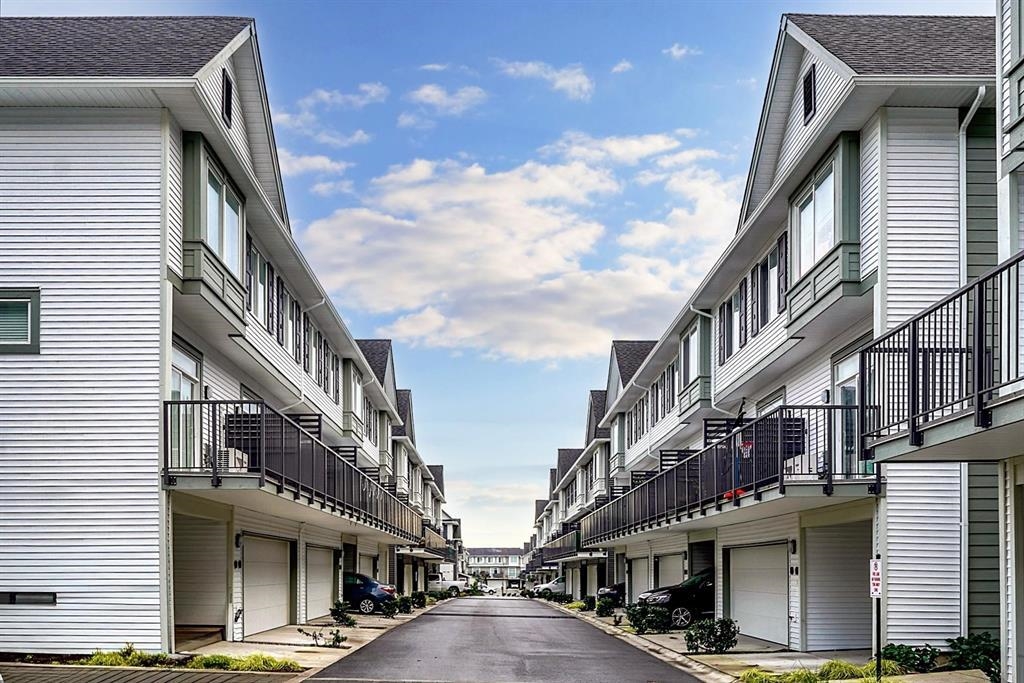
Completion day is when funds transfer through lawyers and ownership changes hands at the Land Title Office. You do not need to be present. Your lawyer or notary handles the transaction.
Possession day is when you get the keys. This is typically the same day as completion in BC, or occasionally the following day.
Before completion, your lawyer reviews the title, confirms there are no liens or encumbrances, and prepares the transfer documents. Buyers engage their own lawyer or notary for the purchase.
Surrey-Specific Buying Considerations
SkyTrain corridor positioning: If you are buying in Fleetwood or Clayton ahead of the 2029 extension, you are making a confirmed-infrastructure bet. The extension is funded and planned. Station locations are set. Know exactly how far your target property sits from the planned station before writing an offer.
Presale risk in City Centre: Surrey City Centre's presale market is active. Buyers need to understand assignment clauses, completion risk, and the developer's track record before signing a presale contract. These contracts are not the same as resale purchase agreements.
Flood risk: Some Surrey areas have flood exposure. The Surrey flood plain and areas near the Fraser River have risk profiles that affect insurance and should be understood before purchasing. Review Surrey's flood maps for any property close to watercourses.
Not every risk is on a map. Some of the most expensive surprises hide in homes that photograph well: Surrey Homes to Avoid: 8 Types That Look Great on Paper.
Frequently Asked Questions
How long does it take to buy a home in Surrey BC?
From starting a serious search to completion, most Surrey buyers take 1-4 months. The timeline depends on market conditions, how competitive your target sub-market is, and how quickly you can satisfy subjects. First-time buyers in competitive price ranges sometimes take longer as they build familiarity with the process.
Do I need a lawyer to buy a home in BC?
Yes. In BC, real estate transactions require a lawyer or notary public for title transfer and fund handling. Buyers engage their own lawyer or notary. Expect legal fees of $1,200-$2,500 for a straightforward purchase.
What are the closing costs when buying in Surrey BC?
Common closing costs include: Property Transfer Tax (PTT), legal/notary fees, home inspection, title insurance, and moving costs. PTT is the largest variable: 1% on the first $200,000, 2% on amounts from $200,000-$2,000,000, and 3% above $2,000,000. First-time buyers may qualify for a PTT exemption on qualifying properties under the threshold.
Is buying a condo or townhome in Surrey different from buying detached?
Yes. Condo and townhome purchases include strata document review as part of the subject period, and you become part of a strata corporation with monthly fees and shared governance. The strata's financial health, contingency reserves, and upcoming capital costs are material to the purchase decision.
What is the deposit in a BC real estate transaction?
The deposit is paid upon subject removal and held in trust. Typical deposits range from 3-10% of the purchase price. The deposit forms part of your down payment at completion. If you remove subjects and then fail to complete the purchase, the deposit is typically forfeited to the seller.
Start Your Surrey Purchase
Book a buyer consultation at discoverhomesfirst.com to discuss your Surrey purchase: which community fits your commute and budget, how the process works, and what to expect at each step.

Alex Dunbar Personal Real Estate Corporation
REAL Broker BC Ltd. | Living in the Lower Mainland
Buying, selling or investing in Surrey and the surrounding cities? Whether you're new to the area or a longtime local, I'll help you make the right move. Book a 30-minute no-pressure call with me and we'll go over your goals, timeline and budget.
Categories
Recent Posts




GET MORE INFORMATION