
Comparing Living in Surrey BC vs. Langley BC: Pros and Cons
Short answer: Pick Surrey if you need SkyTrain today, you value scale and amenity depth, and you are comfortable choosing the right micro-neighbourhood inside a huge district. Pick Langley if you want newer housing stock per dollar, you can tolerate 3 more years of construction for a 2029 SkyTrain payoff, and you are willing to learn the City vs Township split before writing an offer.
The one question that sharpens this fastest: Do you need rail transit before 2029? If yes, Surrey has the stronger case today. That is a useful lens, not the whole answer: living in Langley and working in Surrey, or the other way around, is not a far trip in between, and if you have the ability to work from home part-time or full-time, that makes the decision easier again. If rail is not your deciding factor, the decision opens right up, and this page is designed to walk you through it in 10 minutes.
_Already deciding between these two? I can help you narrow it down quickly. Book a quick call._
Most buyers do not actually choose between Surrey and Langley. They default into one based on price, then justify it after. That is how the wrong-city mistake happens, and it is almost always avoidable with 30 minutes of honest filtering upfront.
I show homes across both cities every week. I have watched buyers pick the wrong one and lose 18 months plus the cost of a second move. This page is built to prevent that.
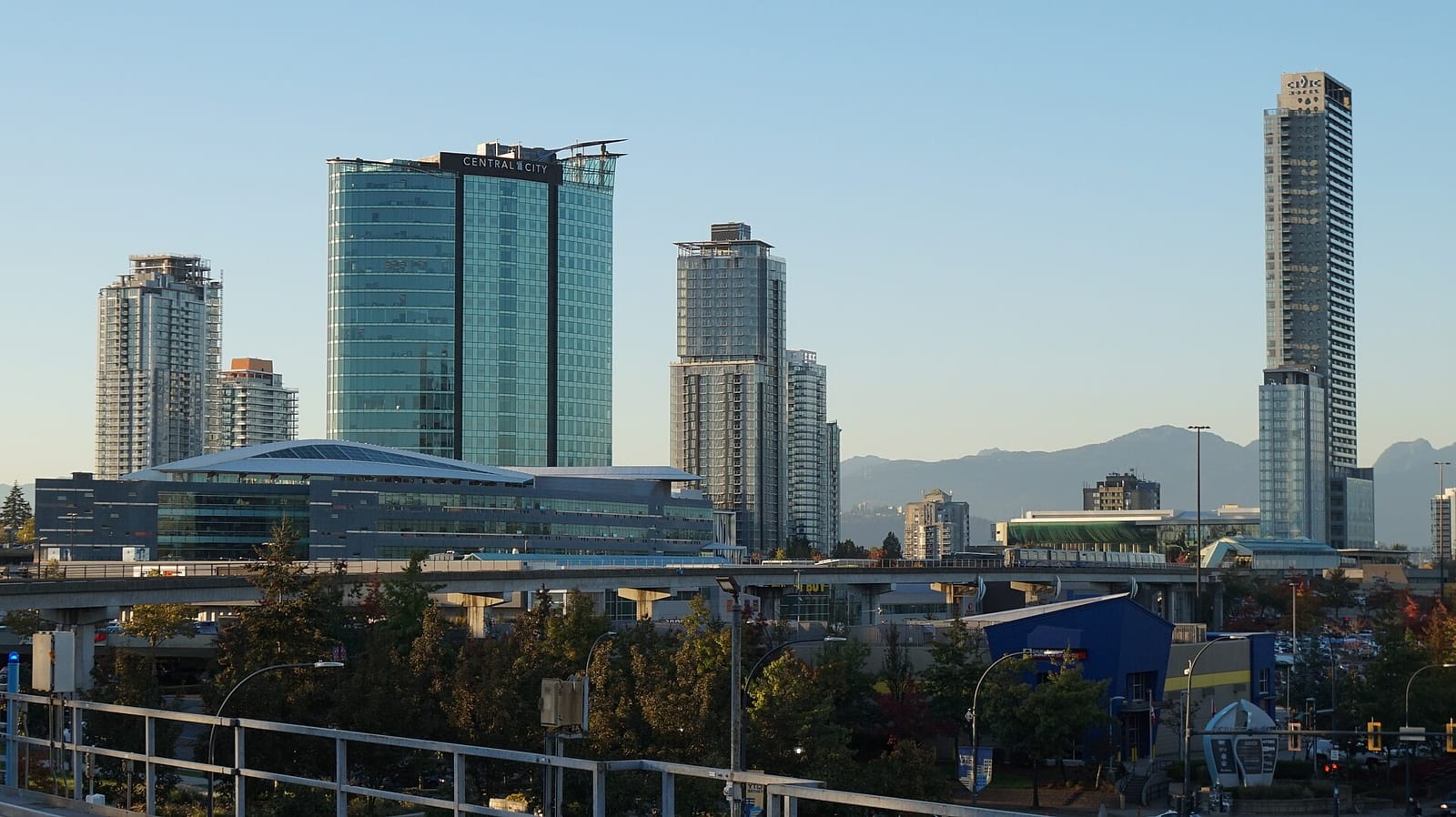
At a Glance: Surrey vs Langley In 2026
| Surrey | Langley (City + Township) | |
|---|---|---|
| Population | 703,531 | 199,329 |
| Size | 316sqkm | 317sqkm combined (City 10 + Township 307) |
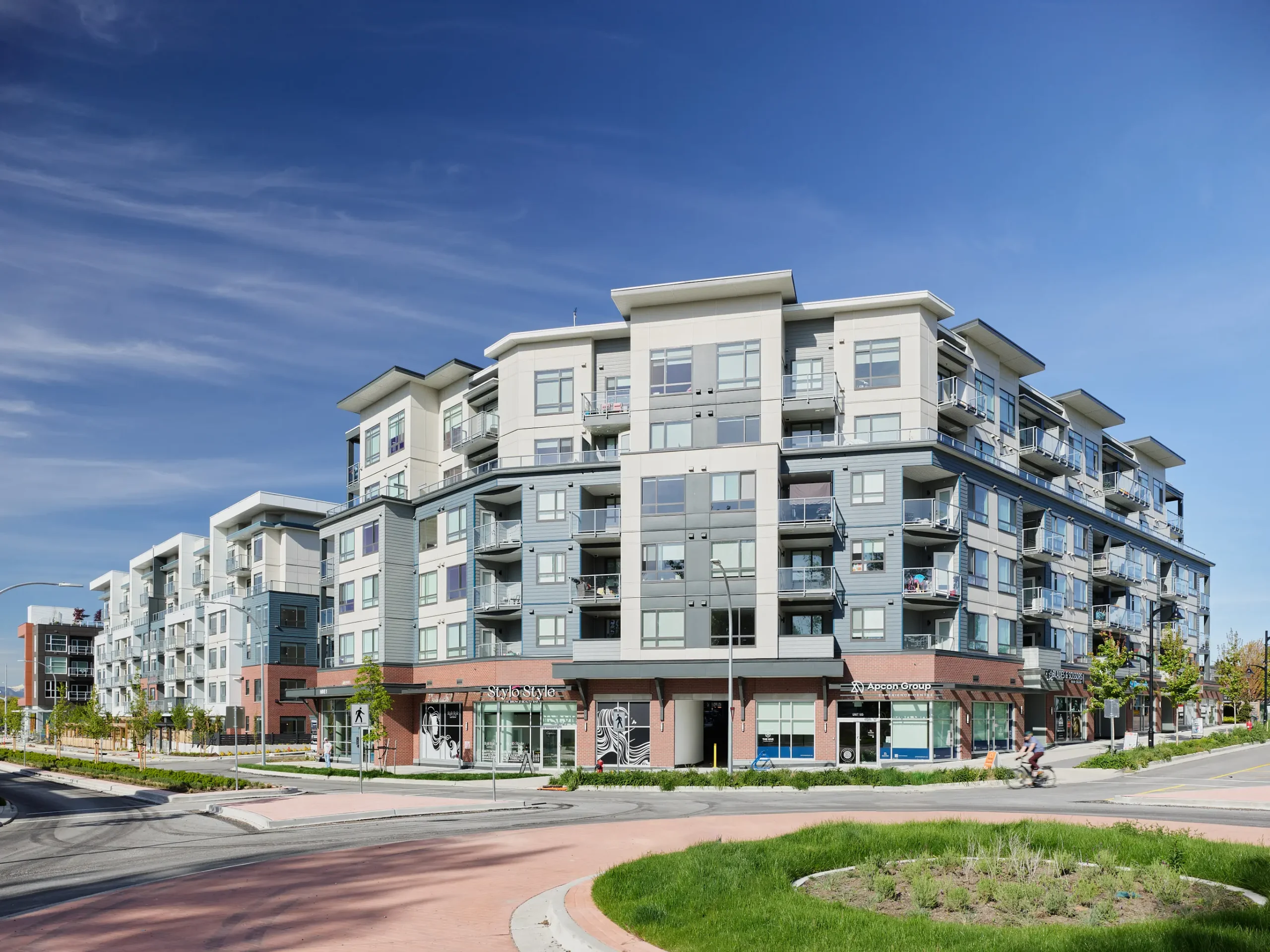
| SkyTrain stations operational today | 4 (Expo Line) | 0 |
| SkyTrain stations by 2029 | 12 (4 existing + 8 SLSE) | 2 new (Willowbrook + Langley City Centre) |
| Benchmark detached | $1,500,000 to $1,850,000 | $1,500,000 to $1,700,000 |
| Benchmark townhome | $850,000 to $970,000 | $830,000 to $920,000 |
| Benchmark condo | $550,000 to $680,000 | $575,000 to $650,000 |
| School district | SD36 (largest in BC) | SD35 (middle-school model) |
| Car commute to Downtown Vancouver, rush hour | 45 to 85 min | 55 to 95 min |
Populations are the BC Stats estimate for 1 July 2025 (Surrey 703,531; Langley Township 163,885 plus Langley City 35,444). Land areas are from the 2021 Census. Sources: BC Stats sub-provincial population estimates and Statistics Canada Table 98-10-0002-01.
The two cities look similar on headline price. They are not similar on everything else.
Demographics & Growth
Surrey is growing at a much more rapid rate, about 1,100 people every single month over the year to July 2025, while Vancouver shrank over the same year, so Surrey is on track to become the largest city in BC. That staggering rate of growth will have a number of future impacts, both positive and negative, so it is something to keep in mind before you commit to a 10-year address.
Both cities are diverse. In Surrey, visible minority groups make up the majority of the population: South Asian at 36.9%, Chinese at 19.6%, Filipino at 7.8%, with approximately 50% of residents foreign born. In Langley, visible minority groups make up a significant portion: South Asian at 26.3%, Chinese at 15.3%, Filipino at 7.5%, with approximately 39.2% of residents foreign born.
The most common first language in both cities is English, followed by Punjabi and Chinese. Surrey has a higher share of residents with a non-official language as their mother tongue, 53.9% against Langley's 35.2%.
The Trade-off: both cities are quite diverse, culturally and linguistically, but that diversity is not spread evenly inside Surrey. The further west you go in Surrey, the less diverse the population gets. If you are looking for a good mix of all nationalities and cultures, stick to the south, central, and east parts of the city.
Weather: Mild, Wet, & Less Predictable Lately
Both Surrey and Langley have a mild coastal climate: warm dry summers, cool wet winters. Temperatures generally range from around 5 to 10 degrees in the winter months to 20 to 25 degrees in the summer months. Both take a significant amount of rainfall through the year, an average of around 1,300 to 1,400 millimetres. November to March are the wettest months at 15 to 20 rainy days each, June to August the driest at 5 to 10.
The two are not identical, though. Langley tends to be slightly cooler and wetter than Surrey because of its inland location, averaging around negative 2 degrees in winter against Surrey's 5 degrees, with both landing near 23 degrees in summer. Surrey is also more prone to fog and low clouds during the winter months, which can affect visibility and outdoor activities. Colder winters in Langley may be a consideration for some people, since it can be more challenging to stay warm and comfortable through those months.
The Trade-off: overall the weather in both Surrey and Langley is generally pleasant and suitable for outdoor activities, with mild winters and warm summers. It is still important to be prepared for changes in weather, because the region can experience a range of conditions throughout the year. That has been especially apparent the last few years, with hotter summers and colder winters carrying more snow than I have ever experienced in my lifetime.
The Price Question: Who Is Actually Cheaper?
"Langley is cheaper than Surrey" is one of the most repeated assumptions in Fraser Valley real estate. It was broadly true in 2018. It is not universally true in 2026.
Here is the 2026 reality on comparable stock:
| Property type | Surrey | Langley | Winner on price |
|---|---|---|---|
| Newer (post-2015) townhome, 1,400sqft, 3 bed | $860,000 to $980,000 | $830,000 to $920,000 | Langley, by ~$40,000 |
| Older (1990 to 2005) detached, 2,200sqft suited | $1,350,000 to $1,550,000 | $1,400,000 to $1,620,000 | Surrey, by ~$50,000 |
| New-build detached, 3,000sqft | $1,750,000 to $2,050,000 | $1,650,000 to $1,900,000 | Langley, by ~$100,000 |
| Walkable 2 bed condo in urban core | $625,000 to $725,000 (Surrey Central) | $560,000 to $660,000 (Langley City) | Langley, by ~$65,000 |
| Acreage, 1/4 to 1 acre, suited | $2,100,000+ (Panorama, Elgin fringe) | $1,900,000+ (Brookswood, Campbell Valley) | Langley, by ~$200,000 |
Read that table carefully. Langley is cheaper on most categories but Surrey is cheaper on older detached stock and often on larger townhomes inside Clayton Heights. $/sqft on newer Willoughby townhome stock typically runs $580 to $640, while comparable Clayton Heights stock runs $620 to $680. That 8 to 12% delta is the clearest single price signal between the two cities.
The Caveat: there are many factors that play a role in these numbers, and they vary from community to community within each city. Take them with a grain of salt. This is a general overview, not a read on your specific street.
Commute: SkyTrain Today vs SLSE 2029
This section alone will decide it for a third of readers.
Today (2026)
| Origin | To Waterfront by transit | Best SkyTrain station |
|---|---|---|
| Surrey Central | 45 min | Surrey Central (Expo Line, operational) |
| South Surrey / White Rock | 85 to 100 min | King George via bus, then Expo Line |
| Cloverdale | 75 to 95 min | Bus to King George, then Expo Line |
| Willoughby (Langley) | 95 to 115 min | Bus to King George, then Expo Line |
| Walnut Grove (Langley) | 100 to 120 min | Carvolth + 555 + Lougheed + Millennium |
| Fort Langley | 110 to 130 min | Same as Walnut Grove, worse bus coverage |
Surrey Central to Waterfront is a 45-minute one-seat ride on operational infrastructure. Nothing in Langley touches that in 2026.
The Trade-off: that rail advantage does not provide a benefit to everybody. Some of the more southern communities in Surrey are actually further away from the SkyTrain than many spots in Langley, so a Surrey address on its own does not buy you rail access.
2029 And After (SLSE Phase 1 Open)
The Surrey-Langley SkyTrain adds 8 new stations east of King George: Green Timbers, 152nd, 160th, 166th, Fleetwood, Clayton, Willowbrook, Langley Centre.
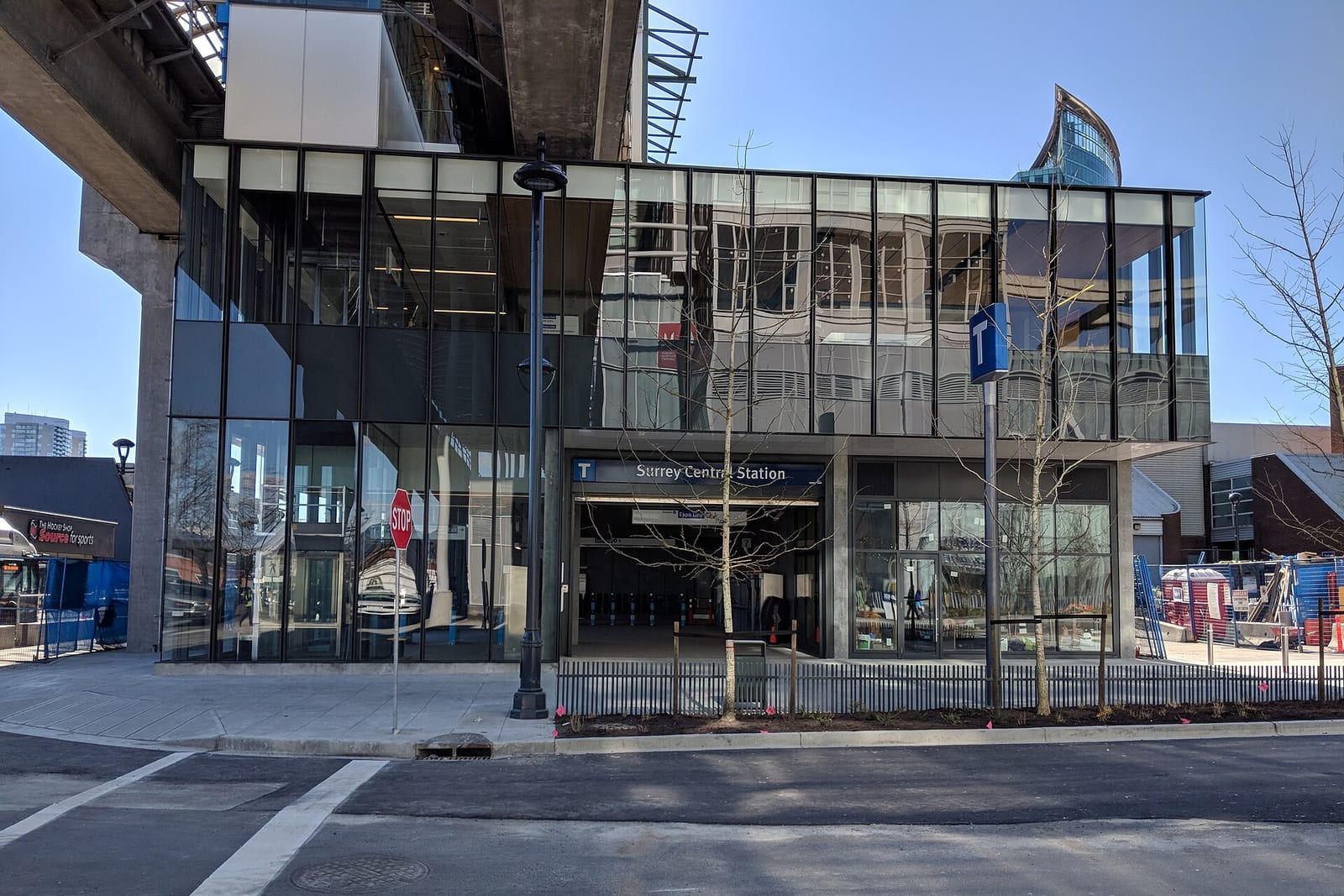
| Origin | Post-SLSE to Waterfront | Shift vs today |
|---|---|---|
| Willoughby (800m of Willowbrook) | ~75 min | 20 to 40 min faster |
| Langley City Centre | ~85 min | 10 to 35 min faster |
| Walnut Grove | ~95 min (still a bus leg) | 5 to 25 min faster |
| Fort Langley | ~110 min | barely changed |
| Clayton Heights (800m of Clayton) | ~60 min | major shift, new direct option |
| Fleetwood (800m of Fleetwood) | ~50 min | huge shift |
Decision lens: if you buy in Surrey today, your transit story is known. If you buy in Langley today, you are underwriting a 2029 opening. Paying a transit premium in Willoughby near Willowbrook in 2026 means paying 2029 prices 3 years early. Either bet that rewards patience, or stick with Surrey's operational rail.
The Trade-off On Buses & Cars: public transportation in both cities is reliable and efficient, but the frequency of services can vary depending on the specific route and location. A car could be more necessary in Langley, because the areas are generally more spread out and not as densely populated as Surrey, which could lead to higher transportation costs in Langley. Having a car in either city is probably your best option anyway, purely for convenience.
Worth saying plainly, because the 2029 framing above can make this feel more final than it is: even if you live in Langley and have to work in Surrey, or the other way around, it is not a far trip in between. If you have the ability to work from home part-time or full-time, that makes your decision easier again.
Schools: SD36 vs SD35
SD36 is the largest school district in BC. SD35 is mid-size. They operate differently and reward different buyer types.
| SD36 Surrey | SD35 Langley | |
|---|---|---|
| Students | ~82,000 | ~23,000 |
| High schools over 2,000 students | 7 | 2 |
| Model | Elementary K-7, Secondary 8-12 | Elementary K-5, Middle 6-8, Secondary 9-12 |
| Catchment variance | Very high (top to low varies sharply) | Moderate |
| Private school density | High (South Surrey corridor) | Low to moderate |
What it means for buyers:
- SD36 rewards micro-catchment picking. Two Surrey homes 500m apart can have very different school experiences. Homes inside Rosemary Heights, Morgan Elementary, or Ocean Cliff Elementary trade at a measurable school premium. Homes outside the premium catchments, at similar price, do not.
- SD35 is more forgiving on catchment but the middle-school transition catches some families by surprise if they expect the K-7 model.
- Private school market is stronger in South Surrey (Southridge, White Rock Christian Academy) than anywhere in Langley.
- French Immersion is strong in both; Gordon Greenwood Elementary (Langley) and Laronde Elementary (Surrey) are two of the most sought-after entry points. Waitlists are real in both.
Families prioritizing elite public schools: South Surrey edges Langley on the top end. Families prioritizing above-average public schools with less variance: Walnut Grove, Willoughby, and Murrayville in Langley deliver that with less anxiety.
Post-Secondary: Surrey has more options here. It is home to Simon Fraser University and Kwantlen Polytechnic University, and it has a future UBC campus coming. Langley has Trinity Western University. If a nearby campus matters to your household, that gap is real and it runs Surrey's way.
Employment & Local Economy
Surrey: retail and construction have grown rapidly in recent years, and the city is home to a number of large retailers and new housing developments. Manufacturing is an important part of the local economy, covering electronics, machinery, and food products. Healthcare is significant too, with several major hospitals and healthcare facilities. Major employers include the Surrey School District, Fraser Health, and the City of Surrey. The unemployment rate is lower than the national average, and the city has seen strong job growth.
Langley: the economy leans rural, with a strong agricultural industry and fertile land producing berries, vegetables, and dairy products. The city is also home to a number of wineries, breweries, and distilleries. Construction has been growing alongside new residential and commercial development, and retail matters here too, with several large shopping centres. Major employers include the Langley School District, Fraser Health, and the Township of Langley. The unemployment rate is slightly higher than Surrey's, and the city has seen steady job growth.
Both cities have also seen growth in technology-based industries, and both have been working to attract and retain technology companies to the area.
The Trade-off: if we are getting picky in terms of overall job opportunities, Surrey has slightly more available, due to its larger population and size. Langley still offers various employment opportunities within the city limits, so this is a margin, not a gap. And if you end up living in one city and working in the other, it is not a far trip in between.
Parks & Recreation
Surrey: the city is home to over 200 parks, numerous sports fields, and several community centres, which is why it used to be known as the City of Parks. Recreational facilities include swimming pools, ice rinks, and community centres running programmes for all ages. The Surrey Nature Centre has nature trails and wildlife exhibits, the Cloverdale Rodeo runs annually, and Bear Creek Park carries a track, a football field, a giant playground, and gardens. Cultural draws include the Surrey Art Gallery, the Surrey Arts Centre, and the Cloverdale Millennium Amphitheatre. Northview and Morgan Creek, 2 of the top golf courses in the Lower Mainland, are here as well.
Langley: being a smaller city gives it a more suburban feel and a more laid-back atmosphere, with several parks, hiking and biking trails, and equestrian facilities. Langley's agricultural heritage shows up as working farms and rural landscapes, which makes it a popular spot with outdoor enthusiasts, and the close-knit community atmosphere is a real part of the appeal. Aldergrove Regional Park is a popular destination for hiking, camping, and bird watching, and the city has multiple golf courses including Redwood, Newlands, and Belmont. Both cities also have a number of off-leash dog parks, so pet owners have one nearby almost anywhere they are.
The Trade-off: both Surrey and Langley have a wide range of parks and recreational opportunities for their residents and visitors to enjoy. Surrey has the more extensive park options. Langley provides more focused recreational activities. Neither one is short of somewhere to be outside, they just get there differently.
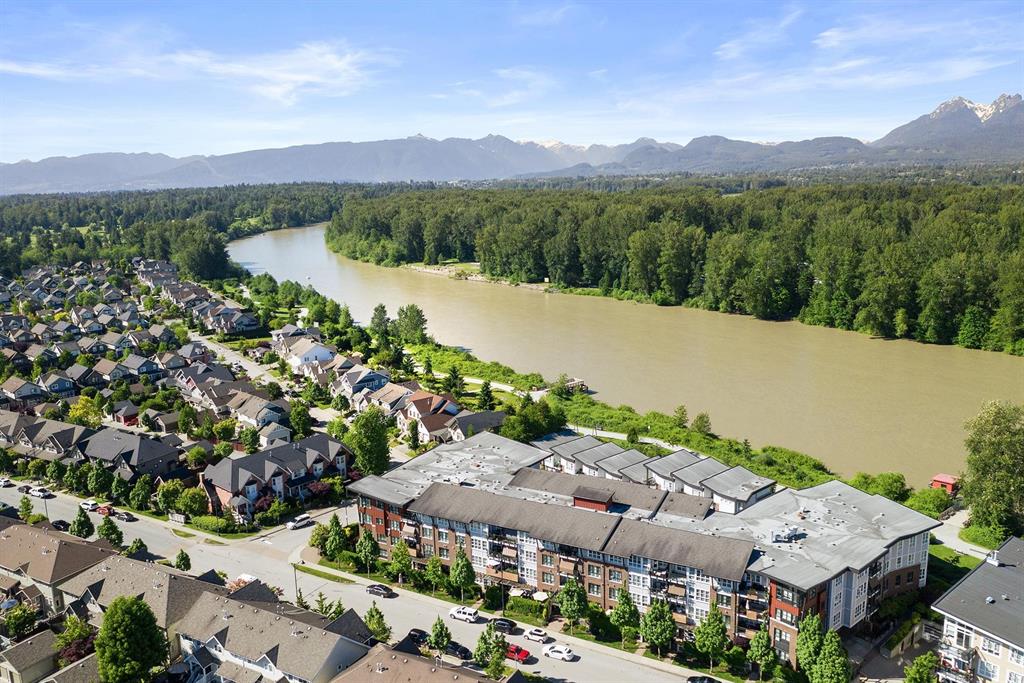
5 Neighbourhood Head-to-heads
This is where most comparisons go generic. The neighbourhoods that matter are not the cities, they are the specific matchups. Here are the five that capture 80% of buyer decisions.
Matchup 1: South Surrey vs Fort Langley (Heritage / Lifestyle)
| South Surrey | Fort Langley | |
|---|---|---|
| Housing stock | 1990s to 2010s detached, newer townhome pockets | Heritage main street + newer infill |
| Vibe | Semi-coastal, Pacific Douglas, White Rock-adjacent | Riverside heritage village |
| Walkability | Low to moderate (Morgan Crossing, Semiahmoo) | High inside village core |
| Typical detached | $1,800,000 to $2,500,000 | $1,500,000 to $2,200,000 |
Winner by profile: South Surrey wins if ocean proximity and school prestige drive the decision. Fort Langley wins on lifestyle character and community density per dollar.
Matchup 2: Clayton Heights vs Willoughby (New-build Townhome)
| Clayton Heights (Surrey) | Willoughby (Langley) | |
|---|---|---|
| Benchmark townhome | $870,000 to $970,000 | $830,000 to $920,000 |
| Benchmark age of stock | 8 to 15 years | 4 to 12 years |
| Future SkyTrain access | Clayton station (SLSE, 2029) | Willowbrook station (SLSE, 2029) |
| Schools | Katzie Elementary, Clayton Heights Secondary | Yorkson Creek, R.E. Mountain Secondary |
Winner by profile: Willoughby wins on newer average stock and direct 800m proximity to Willowbrook. Clayton Heights wins on slightly deeper inventory and marginally higher Secondary school ranking.
Matchup 3: Cloverdale vs Walnut Grove (Established Family Detached)
| Cloverdale | Walnut Grove | |
|---|---|---|
| Typical detached | $1,400,000 to $1,750,000 | $1,450,000 to $1,800,000 |
| Benchmark house age | 1985 to 2005 | 1988 to 2002 |
| Identity | Heritage fair / rodeo / small-town Surrey | Suburban family, Carvolth commuter base |
| Transit 2029 | Clayton station (15 min drive) | Carvolth express + 20 min to Willowbrook |
Winner by profile: Walnut Grove wins for commuters who drive to Highway 1 daily (Carvolth interchange is fast). Cloverdale wins for buyers who want Surrey Central access and SLSE proximity via Clayton.
Matchup 4: Fleetwood vs Langley City (Urban Core, Future SkyTrain)
Both are next-SkyTrain-stop urban cores with SLSE opening in late 2029.
| Fleetwood | Langley City | |
|---|---|---|
| Condo inventory | Deep, new towers pre-selling | Moderate, older + new mix |
| Benchmark 2 bed condo | $650,000 to $750,000 | $560,000 to $660,000 |
| Walkability | Suburban corridor | Small urban core, walkable |
| Future station | Fleetwood (SLSE) | Langley Centre (SLSE terminus) |
Winner by profile: Langley City wins on price per sqft and walkability to main-street coffee and groceries. Fleetwood wins on condo newness and faster trip to Surrey Central post-SLSE.
Matchup 5: Panorama Ridge vs Murrayville (Quiet Family Detached)
| Panorama Ridge (Surrey) | Murrayville (Langley) | |
|---|---|---|
| Typical detached | $1,650,000 to $1,950,000 | $1,550,000 to $1,850,000 |
| School catchments | Kennedy Trail, Goldstone Park, Frank Hurt | Langley Meadows, Alex Hope, D.W. Poppy |
| Vibe | Quiet, hilly, mature | Quiet, heritage church district |
Winner by profile: Murrayville wins on slightly better benchmark price for comparable stock and SD35 consistency. Panorama Ridge wins on eventual SLSE Phase 2+ proximity, which is a later bet, not a 2029 one.
Investment Outlook: 3-Year vs 5-Year Framing
I will not pretend this is a guarantee. Here is how I frame it for clients writing offers in 2026.
Surrey is the known-quantity play. Expo Line operational since 1990. Population scale. Diversified economy. Downside: slower appreciation in already-dense submarkets like Guildford, Whalley, and parts of North Surrey. Upside: SLSE doubles Surrey's rail network from 4 to 12 stations by 2029. Fleetwood and Clayton Heights are the two best 5-year positions in this city.
Langley is the growth-bet play. late 2029 SkyTrain arrival is one of the defining regional infrastructure events of this cycle. Downside: execution risk (SLSE delays possible), construction fatigue, 3 more years of "underwriting the future" pricing. Upside: buying within 800m of Willowbrook or Langley Centre in 2026 is one of the stronger medium-term positions in the Fraser Valley.
In one line: Surrey is the safer bet for a 3-year hold. Langley is the stronger bet for a 5-year hold if you pick the right address.
Buyer Profiles: Clear Winners
No "it depends" here. Here is who wins, and why.
1. New-build Buyer Under $1,000,000, Townhome Intent
Winner: Langley (Willoughby). Newer average stock, 800m proximity to Willowbrook, 5-year upside. Clayton Heights is a close second but comes in $20,000 to $40,000 higher on comparable sqft.
2. Daily Downtown Commuter, 5 Days In-office, Transit-only
Winner: Surrey (Surrey Central, Guildford near King George). Operational Expo Line. Langley is a 2029 bet and does not work for a 2026 transit-only commute.
3. Family of 4, Detached $1,600,000 to $1,900,000, Schools Priority
Winner: depends on public vs private lean. Public + elite-school priority: South Surrey (Rosemary Heights / Morgan / Ocean Cliff catchments). Public + consistent-school priority: Walnut Grove or Willoughby (Yorkson Creek, R.E. Mountain). Private-capable: South Surrey (Southridge).
4. Acreage Buyer, 1/4 to 1 Acre, Rural-feel Inside Metro Vancouver
Winner: Langley (Brookswood, Campbell Valley, parts of Fernridge). More inventory, lower $/acre than comparable Surrey pockets.
5. First-time Buyer, Budget $650,000 to $750,000, Condo Intent
Winner: Langley (Langley City). Better price-per-sqft than Surrey Central or Fleetwood. Walkability to Downtown Langley core. SLSE terminus arrives in late 2029.
6. 5 To 10-Year Hold, Appreciation-first, Growth-bet Buyer
Winner: Langley (Willoughby near Willowbrook). One of the stronger medium-term positions in the Fraser Valley for a buyer with patience and 5+ year horizon.
7. Retiree / Semi-retired, Walkable Core, Low-maintenance
Winner: tie. South Surrey (Semiahmoo, Morgan Crossing) vs Langley City (Downtown). South Surrey leans coastal and medical. Langley City leans smaller, denser, 5 to 10% cheaper.
The Decision Matrix
If you want a scorecard, here it is. I use this on discovery calls.
| Factor | Surrey | Langley | Tie-breaker logic |
|---|---|---|---|
| Rail transit available in 2026 | 9 | 2 | Expo Line is operational, SLSE is not |
| Rail transit available by 2029+ | 8 | 8 | Both gain SLSE stations |
| New-build housing stock | 7 | 9 | Willoughby is newer on average |
| Price per sqft on newer townhome | 7 | 8 | Langley 8 to 12% cheaper on comparable stock |
| Elite public school inventory | 8 | 7 | South Surrey has deeper top-tier pool |
| Consistent public school inventory | 7 | 8 | SD35 has lower catchment variance |
| Amenity depth (retail, food, events) | 9 | 7 | Surrey scale wins on breadth |
| Heritage / small-town character | 5 | 9 | Fort Langley has no Surrey equivalent |
| Acreage / rural-feel inventory | 6 | 8 | Brookswood & Campbell Valley dominate |
| 3-year appreciation (low risk) | 8 | 7 | Surrey is the safer near-term hold |
| 5-year appreciation (higher upside) | 7 | 9 | SLSE 2029 rewards Langley patience |
| Total | 81 | 82 |
The total is almost a tie. The total is not the point. The point is the per-row mismatch with your actual life.
- If your top 3 priorities are "rail today + amenity depth + elite public schools," Surrey wins by 6 to 8 points.
- If your top 3 priorities are "newer stock + lower price per sqft + 5-year hold," Langley wins by 5 to 7 points.
Pick your 3 rows that matter most. The winner is the column that scores higher across those 3 rows, not the total.
Then go stand in both. It may be helpful to visit both cities and spend some time in each one, to get a feel for the local community and culture before deciding which one is the best fit for you. A scorecard narrows the field. A Saturday in each city settles it.
Got your 3 rows? Let's pressure-test them against a real address on a quick call. Book a call.
What No Generic Comparison Will Tell You
Three patterns I see constantly that do not show up in a side-by-side:
- Langley's City vs Township split costs buyers real money in the first 90 days if they did not understand it before offering. A "Downtown Langley" address is not close to SkyTrain if the actual station in question is 15 minutes away in Willowbrook. The Langley canonical has the full explainer.
- Surrey's catchment variance inside SD36 swings a home's school value by $80,000 to $200,000. A home with Rosemary Heights Elementary inside the catchment vs 300m outside can be 10 to 15% different on resale 5 years later. The Surrey canonical goes deeper on this.
- The SLSE 800m threshold is a hard line, not a soft one. Two Willoughby townhomes 900m apart can have 4 to 8% different appreciation over the 2026 to 2029 window. Which SLSE-adjacent addresses are worth the bet.
Final Verdict
Pick Surrey if you are at least 2 of these:
- You need rail transit in 2026, not 2029
- You want amenity depth (retail, food, events, sports) at scale
- You want elite public school inventory (South Surrey corridor)
- You are choosing a 3-year hold, low risk over upside
Pick Langley if you are at least 2 of these:
- You want newer housing stock at lower
$/sqft - You can tolerate 3 more years of construction for a 2029 SkyTrain payoff
- You want acreage or small-town character inside Metro Vancouver
- You are choosing a 5-year hold, upside over safety
Pick neither if you are any of these:
- Budget cannot support $580/sqft minimum on newer townhome stock
- You work in Burnaby, not downtown (Coquitlam wins on that commute)
- You need urban-village walkability at New Westminster density (neither city delivers that)
If neither Surrey nor Langley feels right after reading this, you are probably looking for more space and fewer trade-offs on price. That is where Maple Ridge usually enters the conversation.
Ready to Decide?
I work with buyers in both cities every week. I will not push you to either one. I will push you to the one that fits your life. A quick call by phone.
Book a call: which city actually fits your life?
Still reading? Go deeper in the canonicals:
Prefer to read before you talk? Download the 2026 Fraser Valley Buyer's Guide.

Alex Dunbar Personal Real Estate Corporation
REAL Broker BC Ltd. | Living in the Lower Mainland
Buying, selling or investing in Surrey and the surrounding cities? Whether you're new to the area or a longtime local, I'll help you make the right move. Book a 30-minute no-pressure call with me and we'll go over your goals, timeline and budget.
Featured Guides
Last updated 2026-04-22 · Alex Dunbar, REALTOR at Real Broker Client First Collective · Book a call
Categories
Recent Posts


GET MORE INFORMATION