
Buying a Home as a Newcomer With No Canadian Credit History
You've landed, you've got a job and you're tired of paying rent in Surrey or Langley while you figure out the system. Then you pull your credit report and it's basically blank. You might have had great credit back home, but here's the part that stings: it doesn't follow you. Canada's 2 main credit bureaus, Equifax and TransUnion, only collect information about your credit activity in Canada.
That doesn't mean you can't buy. It means you need to know what a lender will look at instead, what rules apply to your status and how to build a Canadian credit file fast. Let's go through it.
The Short Version
A thin Canadian credit file is a hurdle, not a wall. CMHC's newcomer program can insure a mortgage for permanent residents and for people legally authorized to work in Canada, with no minimum period of residency, and it may consider other ways to show you're creditworthy if your Canadian history is limited. Your status matters for 2 other rules: the federal ban on non-Canadians buying homes, and BC's 20% additional property transfer tax for foreign nationals. Start building credit the week you arrive, and talk to a lender early.
First, Check Which Rules Apply to Your Status
Before credit even comes up, your immigration status decides which rules you're playing by. This is about thin credit, not the foreign buyer ban, but you need to know where you stand on both.
If You're a Permanent Resident
CMHC states that permanent residents aren't "non-Canadians" under the federal Prohibition on the Purchase of Residential Property by Non-Canadians Act, so the ban doesn't apply to you. BC's government glossary defines a foreign national as a person who isn't a Canadian citizen or permanent resident, so as a permanent resident you also aren't charged BC's additional property transfer tax for foreign entities.
For you, the real hurdle is credit. Everything below is your playbook.
If You're Here on a Work Permit
The federal ban does cover non-Canadians, but CMHC lists an exception for temporary residents who are working. You need to hold a valid work permit or be otherwise authorized to work in Canada, have at least 183 days of validity left at the time you buy, and not have bought residential property in Canada while the ban has been in effect.
According to CMHC, the ban was extended to January 1, 2027.
The bigger cost for work permit holders in this area is provincial. BC charges a 20% additional property transfer tax on a foreign national's share of a residential property's fair market value in specified areas. Surrey, Langley City, the Township of Langley, Maple Ridge and Pitt Meadows are all inside the Metro Vancouver Regional District on the province's list, and the Fraser Valley Regional District (Abbotsford, Mission, Chilliwack and others) is a specified area too. On a $900,000 home bought alone, that's $180,000 on top of the regular property transfer tax. BC does offer an exemption for confirmed BC Provincial Nominees buying a principal residence, with conditions, so if you're in that program, ask your lawyer or notary about it early.
How Lenders Look at You When Your Credit Is Thin
A lender is trying to answer one question: will you pay this back? A long Canadian credit history is the easy way to answer it. When you don't have one, the lender and the insurer look for other proof.
CMHC's newcomer program says at least one borrower or guarantor needs a minimum credit score of 600, and that CMHC may consider alternative methods to establish creditworthiness if your Canadian credit history is limited. CMHC's newcomer fact sheet gives examples like proof of rent payments plus one other regular bill or documented savings over the past 12 months, or a reference letter from your bank in your home country. Treat those as examples, since the current program page is the authority and your lender will tell you exactly what it wants.
What this means for you in practice: start keeping records now. Your rent receipts, your phone and utility bills, your savings deposits. A year of clean, documented payments is the kind of story a lender can work with.
The Paperwork to Start Gathering
You'll make your lender's job a lot easier if you show up with 3 things ready:
- Proof of status, such as your PR card or work permit, plus a job letter showing your role, pay and start date.
- 12 months of rent and bill payment history, plus bank statements showing your down payment saved up.
- Any foreign credit report or a reference letter from your bank back home.
This isn't the full list your lender will ask for, but it's what tends to slow newcomers down when it isn't ready.
Tools & Resources
Run your numbers and start narrowing down where you would like to live.
How Much Down Payment You'll Need
The federal minimum down payment rules, per FCAC, are the same starting point for everyone: 5% on a home of $500,000 or less; 5% of the first $500,000 plus 10% of the portion above that for homes up to $1,500,000; and 20% at $1,500,000 or more. If you put down less than 20%, you'll typically need mortgage loan insurance. My down payment guide for BC buyers goes through it in more detail.
CMHC's newcomer page says permanent residents have access to all CMHC homeowner mortgage loan insurance products, with a minimum down payment starting at 5%, and the maximum purchase price for homeowner loans must be below $1,500,000. Non-permanent residents need to be legally authorized to work in Canada. Down payment rules for non-permanent residents can be different, so ask your lender which product they're putting you in before you budget.
Here's a local reality check. A 5% down payment on a Surrey or Langley townhouse is very different from 5% on a condo, and the 10% tier kicks in on the portion above $500,000, which covers most family homes here. Run your numbers on the actual home type you want, not a national average. Try a few prices in my mortgage calculator to see how the 5% and 10% tiers play out.
How to Build Canadian Credit Fast
FCAC's credit guidance is clear on what moves your score, and it's not complicated. It just takes time, which is why you start now.
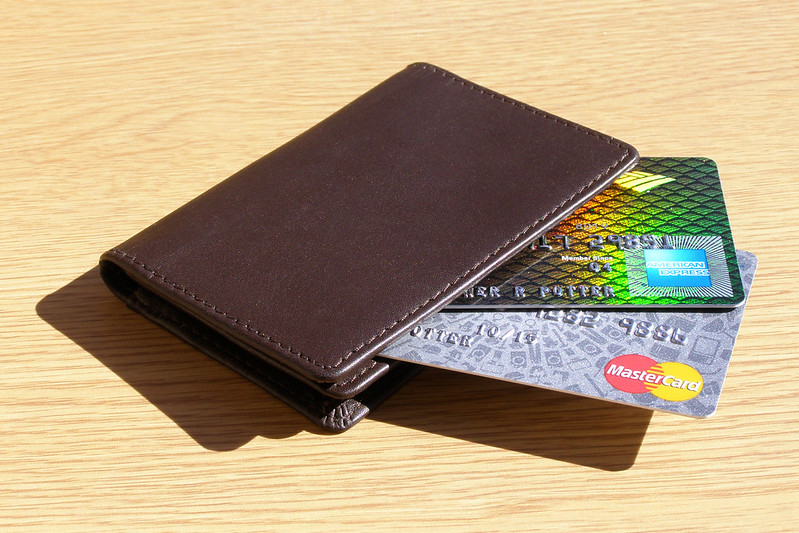
Get a secured credit card. FCAC lists a secured card as an option if you're a newcomer to Canada with no credit history. You put down a deposit, and the limit is usually equal to or higher than that deposit. FCAC also warns you to be careful of secured card offers from issuers outside Canada.
Pay on time, every time. FCAC calls payment history the most important part of your credit score. Set up automatic payments so a busy month never costs you.
Use a small slice of your limit. FCAC suggests trying to use less than 30% of your total credit limit, and it notes that lenders may see heavy use as higher risk even if you pay it off every month.
A few more habits help. Don't apply for a pile of credit at once, since FCAC advises against sending multiple applications at once or too close together, though mortgage quotes from different lenders within 2 weeks count as one inquiry. Keep your first accounts open, because a longer history helps. And check your own report with both bureaus; FCAC confirms that checking your own report or score doesn't affect your score.
One trap to know about: FCAC notes that if you're just an additional cardholder on someone else's card, those purchases won't help you build your own credit history. You want accounts in your own name. While you build your file, my Neighbourhood Matchmaker quiz is a good way to start narrowing down where you'd like to land.
My Honest Lean
If you're a permanent resident with a steady job and a year of documented rent and bills, I'd start talking to a lender or mortgage broker now, even if you're still 6 months out. Thin credit is often solvable, and you'd rather learn what your lender wants with time to fix it. My take on using a bank vs a mortgage broker can help you pick where to start.
If you're on a work permit, slow down and do the math on the 20% additional tax first. For a lot of people that number changes the decision, and renting until you get permanent residency can be the smarter long-term move. BC does offer a refund of that tax if you become a permanent resident or Canadian citizen within 1 year of the transfer being registered, as long as you moved in within 92 days and lived there as your principal residence for at least a full year. You apply after the first anniversary of moving in and before 18 months from registration. Go over it with your lawyer or notary before you count on it.
Who This Is Not For
If you're a non-Canadian who doesn't hold a work permit and isn't covered by another exception, this post won't get you there; the federal ban is the issue, and CMHC's page on the Act is the place to start. If you're an international student, the exception rules are different, so read that CMHC page closely and confirm your status with a lawyer before anything else. And if you're a Canadian returning after years abroad, your situation may look more like a standard purchase, so a conversation with your own bank is a better first step than this guide.
FAQ
Can I get a mortgage in Canada with no credit history?
Often, yes. CMHC's newcomer program may consider alternative methods to establish creditworthiness if your Canadian history is limited, and at least one borrower or guarantor needs a minimum score of 600.
Does my credit history from another country count in Canada?
Not on your Canadian report. Equifax and TransUnion only collect your credit activity in Canada, though a lender or insurer may look at a foreign credit report or a reference letter from your home bank.
Can I buy a house in BC on a work permit?
You may qualify for the federal work permit exception if you have at least 183 days left on your permit and haven't already bought under the ban. BC's 20% additional property transfer tax still applies to foreign nationals in Surrey, Langley and Maple Ridge.
How long does it take to build credit in Canada?
There's no set timeline, but FCAC says lenders want a long and stable history, and documented alternatives like rent and bills are often looked at over the past 12 months. Start the week you arrive.
Does the foreign buyer ban apply to permanent residents?
No. CMHC states that permanent residents aren't non-Canadians under the federal Act, so the ban doesn't apply to you.
What credit score do I need for a CMHC newcomer mortgage?
At least one borrower or guarantor needs a minimum credit score of 600, and CMHC may consider other ways to show creditworthiness if your Canadian history is limited.

Alex Dunbar Personal Real Estate Corporation
REAL Broker BC Ltd. | Living in the Lower Mainland
Buying, selling or investing in Surrey and the surrounding cities? Whether you're new to the area or a longtime local, I'll help you make the right move. Book a 30-minute no-pressure call with me and we'll go over your goals, timeline and budget.
Categories
Recent Posts





GET MORE INFORMATION