
Relocation REALTOR for the Lower Mainland: What to Look For
Relocating to the Lower Mainland from another province is a meaningfully different experience from buying a home in a city you already know. The purchase process works differently. The terminology is different. The neighbourhoods are not what the internet suggests. And the decisions you make early in the search, about which city, which community, which commute trade-off you are willing to accept, are harder to reverse once you have made an offer.
This is the context in which buyer representation for relocation actually matters. Not just as transaction management, but as navigation.
What Relocating to BC Actually Looks Like
Most out-of-province buyers who contact me have done significant research before reaching out. They have looked at listings. They have read neighbourhood articles. They may have visited once and driven through a few communities. They have a general sense of the region.
What they typically don't have:
- A clear understanding of which community actually fits their commute, schools, and lifestyle once they map it against the specifics of their life
- Practical knowledge of BC's purchase process: subjects and subject removal, the Property Disclosure Statement, the FINTRAC identity verification requirement, the deposit structure and timeline, and what rescission rights apply after an accepted offer
- Context for how prices vary across sub-areas within a city, rather than across cities as a whole
- A realistic picture of commute times that accounts for where they will actually be starting and ending, not just the city-to-city estimate
The role of a buyer's agent in a relocation context is to close these gaps before they become expensive.
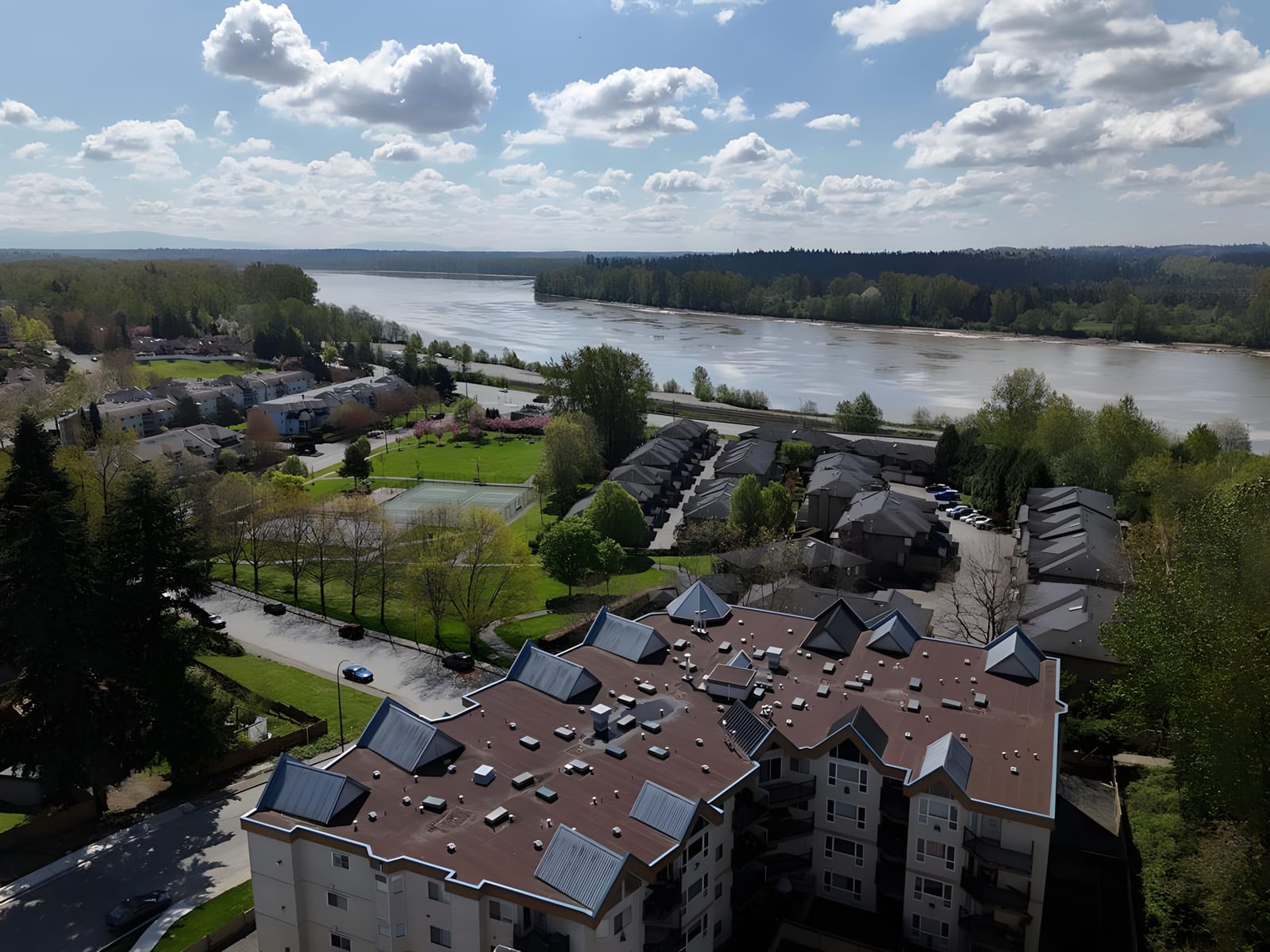
What Makes Lower Mainland Relocation Different
BC Purchase Process vs Other Provinces
Buyers from Ontario, Alberta, or other provinces often have assumptions about how real estate purchases work that don't match BC practice. Some key differences:
Subjects: In BC, a standard offer includes subject clauses, conditions that must be satisfied before the purchase is firm. Common subjects include financing, inspection, and strata document review. The subject removal date is a formal deadline. If subjects are not removed or waived by that date, the contract collapses. This is different from conditional offers in some provinces.
Rescission rights: BC buyers have a 3-business-day rescission period on accepted offers in most residential transactions. Understanding when this applies and what it costs to use it is practical knowledge, not fine print.
FINTRAC: FINTRAC identity verification is required for all BC real estate transactions. It is a federal anti-money-laundering requirement. Your agent will collect identity documentation and information about the source of purchase funds. This is standard and required, not optional.
Strata documents: For condos and townhomes, the subject period includes review of the strata documents: Form B, depreciation report, strata financials, council meeting minutes, and bylaws. This review is important and time-sensitive. Knowing what to look for, and what is a concern versus what is normal strata governance, requires familiarity with BC strata law.
Neighbourhood Knowledge You Cannot Get From Listings
Listing data tells you what a property costs and what it has. It does not tell you what the neighbourhood feels like to live in, what the commute from that specific address to your workplace actually takes, what the school catchment boundary is, or whether the development happening three blocks away is a park or a condo tower.
This neighbourhood-level knowledge is the most valuable thing a locally rooted buyer's agent brings to a relocation purchase.
What I Bring to Relocation Clients
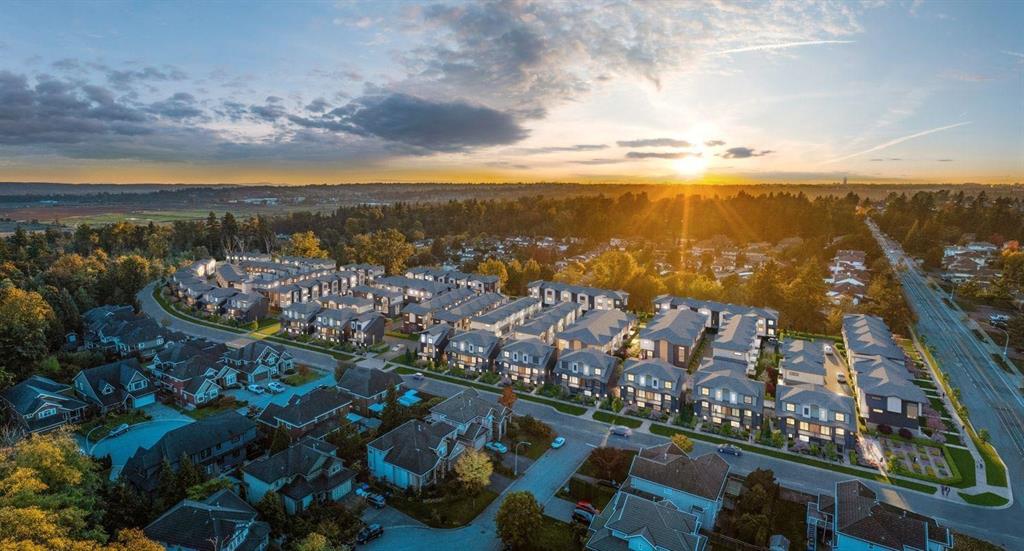
Neighbourhood Depth Across Three Markets
I have published neighbourhood guides covering dozens of communities across Surrey, Langley, and Maple Ridge. These guides are not marketing copy. They are the same content I use in conversations with relocation buyers: what each community is actually like, who it suits, what the trade-offs are, and how it compares to adjacent options.
The YouTube channel Living in the Lower Mainland covers community tours, city comparisons, lifestyle guides, and market context across the same three markets. Many relocation buyers have watched 10-20 videos before our first conversation. The content is designed to give genuine context, not generate leads.
Process Education From the Start
I explain BC's purchase process before it is relevant. By the time you are writing an offer, you already know what subjects mean, what the inspection covers, how the deposit timeline works, and what strata document review involves. This removes the time pressure that leads to poorly informed decisions during a live transaction.
Market Coverage Across Surrey, Langley, and Maple Ridge
Most relocation buyers don't arrive knowing which city they want to be in. They arrive knowing their budget, their workplace location, their household size, and their lifestyle priorities. From there, the city and community choice follows from an honest analysis of those inputs.
Because I work in all three markets, I can give you that analysis without an interest in steering you toward any particular city.
Honest Commute Guidance
Commute is typically the highest-stakes trade-off in a relocation decision. I know the SkyTrain travel times from Surrey. I know what the West Coast Express schedule means in practice for Maple Ridge buyers. I know what driving Lougheed Highway during peak hours actually feels like. I go through your specific commute scenario with you before we start looking at properties.
Remote Process Support
Many relocation buyers make their purchase decision before or during a single trip to the Lower Mainland. I work comfortably with buyers who are purchasing remotely or semi-remotely: video tours, document sharing, remote offer signing, and detailed written guides for each step. If you cannot be here for every part of the process, the process still works.
The Relocation Buyer's Timeline
A typical relocation buyer timeline from first contact to possession:
Month 1-2: Initial consultation, city and community narrowing, BC process education, begin monitoring relevant listings.
Month 2-4: Active search, property viewings (in person or by video), offer and subject period, removal or collapse.
Month 2-6: Completion and possession (depending on contract terms negotiated, often 30-90 days from subject removal).
Many relocation buyers are working against an employment start date or a lease end date. I factor your timeline into the strategy from the beginning rather than discovering it at offer time.
Who This Is a Good Fit For
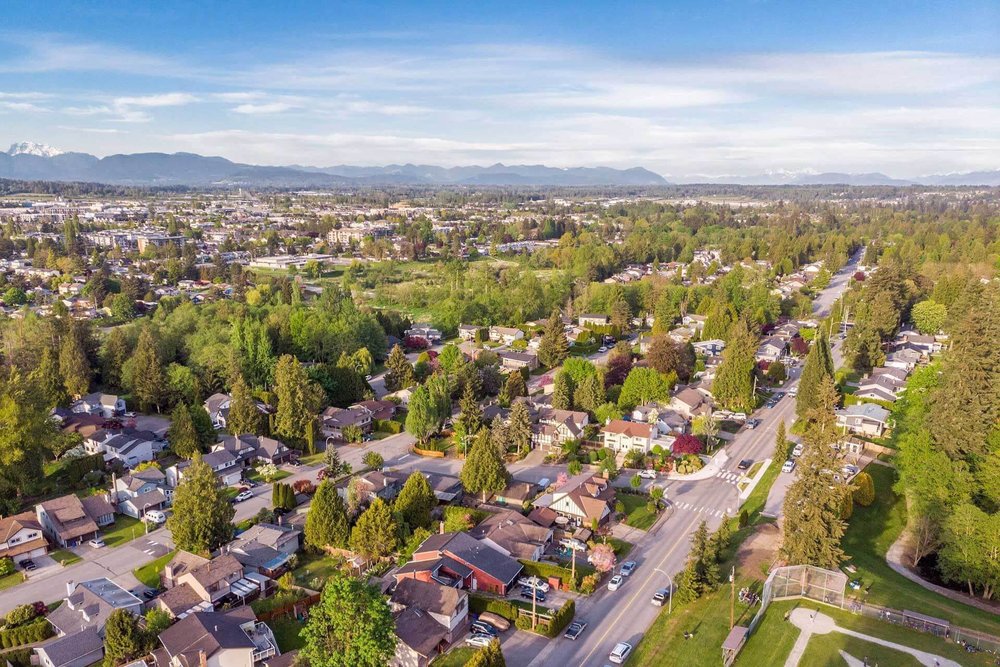
Relocation buyer representation with Alex Dunbar is a strong fit for buyers who:
- Are moving to the Lower Mainland from Ontario, Alberta, or another province and need genuine neighbourhood guidance
- Are purchasing a home they have not physically visited, or have visited only once, and need a thorough remote process
- Are evaluating multiple cities (Surrey, Langley, Maple Ridge) and want an honest, market-grounded answer to which one fits their life
- Want an educational process rather than a fast transaction
- Are buying a condo or townhome and need help understanding strata documents as part of the subject period
Frequently Asked Questions
Do I need a buyer's agent to relocate to the Lower Mainland?
You are not legally required to use a buyer's agent in BC. However, the seller's agent represents the seller's interests, not yours. Using independent buyer's representation means you have an agent whose obligation is to you: advising on offer strategy, explaining every document, flagging concerns in inspection reports and strata documents, and managing the process on your behalf.
How do you work with buyers who are purchasing from out of province?
I work with out-of-province buyers regularly. I use video tours, detailed written guides for each step of the BC process, remote document signing, and regular check-in communication by whatever channel suits you. The process does not require you to be in BC for every step.
Can you help me choose between Surrey, Langley, and Maple Ridge?
Yes. This is one of the most common relocation conversations I have. I cover all three markets and can give you a specific recommendation based on your commute, your budget, your household, and your lifestyle priorities rather than a generic answer about which city is "better."
What does the BC purchase process look like compared to Ontario or Alberta?
The most meaningful differences are: subject clauses and the formal subject removal deadline, the 3-business-day rescission period on accepted offers, FINTRAC identity verification requirements, and strata document review as a specific subject for condo and townhome purchases. I walk every relocation buyer through these before the first offer.
How do I start?
Book a relocation consultation at discoverhomesfirst.com. The first conversation is about your situation: where you are moving from, when, why the Lower Mainland, and what your household needs. From there we build a plan specific to your search.
Relevant Resources
- Moving to the Lower Mainland BC: Where Should You Live?: Full city comparison guide
- Is Surrey BC a Good Place to Live?
- Is Langley BC a Good Place to Live?
- Is Maple Ridge BC a Good Place to Live?

Alex Dunbar Personal Real Estate Corporation
REAL Broker BC Ltd. | Living in the Lower Mainland
Buying, selling or investing in the Lower Mainland? Whether you're new to the area or a longtime local, I'll help you make the right move. Book a 30-minute no-pressure call with me and we'll go over your goals, timeline and budget.
Categories
Recent Posts





GET MORE INFORMATION