
Vancouver's Housing Market Is Freezing Up: Here's What's Really Going On
Vancouver's Housing Market Is Freezing Up: Here's What's Really Going On
Homes that used to sell in days are sitting on the market for weeks. Prices that felt bulletproof are now flat or sliding. If you're a buyer, seller, or investor in Metro Vancouver right now, you've probably felt that something has shifted, and you're not imagining it. This market feels different from previous slowdowns, and it's worth unpacking exactly why.
The short version: a combination of interest rate swings, economic anxiety, government policy changes, and a surge in supply have all collided at the same time. The result is a market in a genuine holding pattern, and depending on your situation, that either creates a real problem or a real opportunity. Let's break it down.
Why the Vancouver Market Has Slowed Down
The Bank of Canada's interest rate decisions over the past five years have taken buyers on a wild ride. Rates dropped to historic lows in 2020, then climbed sharply through 2022 and 2023, and they've been coming back down since. For anyone who renewed a mortgage during the peak, or who's about to, the payment shock has been real. That financial pressure has pushed more homeowners to sell, which has contributed to a significant jump in supply. Active listings across Metro Vancouver are sitting at 15 to 20 year highs. More homes on the market means more choices for buyers and less competition overall.
On top of that, there's genuine economic uncertainty in the air. Inflation, rising cost-of-living pressures, federal election noise, tariff concerns, and recession fears have made a lot of people hesitant to take on major financial commitments. When buyers pause, the market slows. It's that simple. Add in a series of government policy changes, including speculation taxes, a foreign buyer ban, Airbnb restrictions, and tighter mortgage qualification rules, and you've got a market that's been deliberately cooled from multiple directions at once.
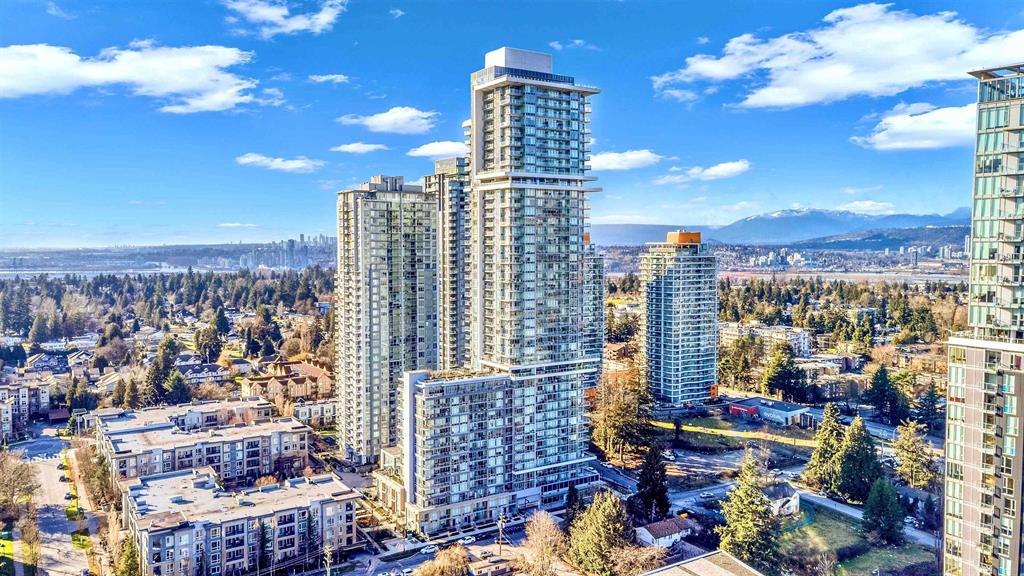
What This Means If You're Selling
If your home has been sitting without much interest, the most important thing I can tell you is: don't panic, but do adjust. The days of pricing at or above the most recent neighbourhood sale and expecting multiple offers in a week are gone for now. Buyers have options and negotiating power. In many areas, only one in ten homes is selling in a given month. You can't afford to be sitting in the middle of the pack.
📌 Right now, you either need a home that's in immaculate, turnkey condition and genuinely outshines the competition, or you need to be the best-priced option available. There's no in between. This means tackling those minor repairs before you list, staging the home properly, keeping it in showing condition every day, and making sure your marketing is at a professional level, with high-quality photos, video, floor plans, and strong online presence. Every detail matters when buyers are comparing multiple listings carefully.
Pricing strategy is everything right now. Working with an agent who has current data on both active listings and recent sales in your specific area isn't optional, it's essential. A well-priced, well-presented home can still sell well. An overpriced one will sit, and the longer it sits, the more negotiating power shifts to the buyer.
What This Means If You're Buying
Honestly? If you're a buyer, this is one of the more interesting moments we've seen in years. Interest rates are coming down, which improves your purchasing power. Prices have softened in many areas. Supply is at multi-year highs, which means you've got real choices. And sellers, especially those who need to move, are more willing to negotiate on price, conditions, and dates. You can include inspection clauses and financing conditions again without immediately losing to a competing offer. That wasn't the reality two or three years ago.
💡 The key as a buyer is to be prepared before the right property appears. Get your pre-approval done. Understand your numbers. Educate yourself on the available incentives, including the First Home Savings Account (FHSA), the increased property transfer tax exemption thresholds, and the GST exemption on new homes and pre-sales under $1.5 million. These can make a meaningful difference to your bottom line. When a property you like hits the market, get out to view it within the first couple of days. You don't have to rush recklessly, but waiting until the weekend when everyone else is free isn't a strategy either. Good deals are showing up regularly right now, but they won't wait around indefinitely.
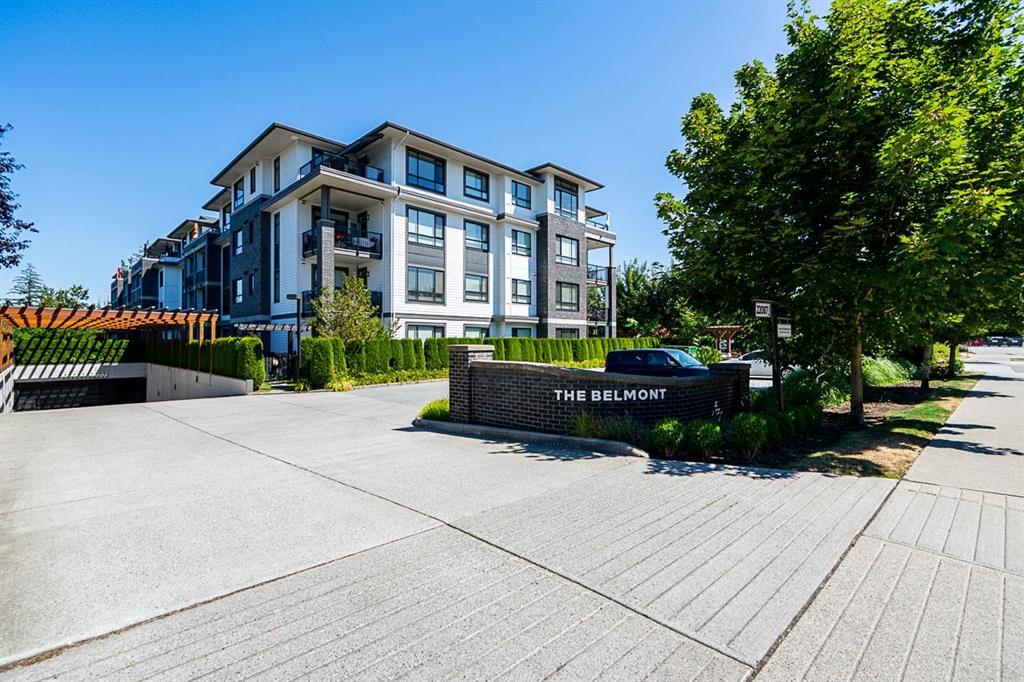
What This Means If You're an Investor
The current market creates a mixed picture for investors. Short-term flipping has become significantly riskier. In a flat or declining market, you can't count on appreciation to bail out a project, and the new federal and provincial flipping taxes add another layer of expense that eats into margins. That model is harder to make work right now.
📊 Long-term buy-and-hold strategies are more interesting, though they're not without challenges either. Rental demand has softened somewhat alongside the reduction in immigration that's been announced federally. Rent prices have seen some downward pressure in certain segments. That said, a slower market typically means more motivated sellers and more room to negotiate a favourable entry point. Investors with a long-term perspective and the patience to be selective can find genuine value right now, particularly in properties with strong fundamentals: good locations, proximity to transit and amenities, and the kind of community appeal that holds up through market cycles. Not every neighbourhood is equally affected, and knowing where to look matters enormously.
Looking Outside Vancouver: Surrey, Langley, and Maple Ridge
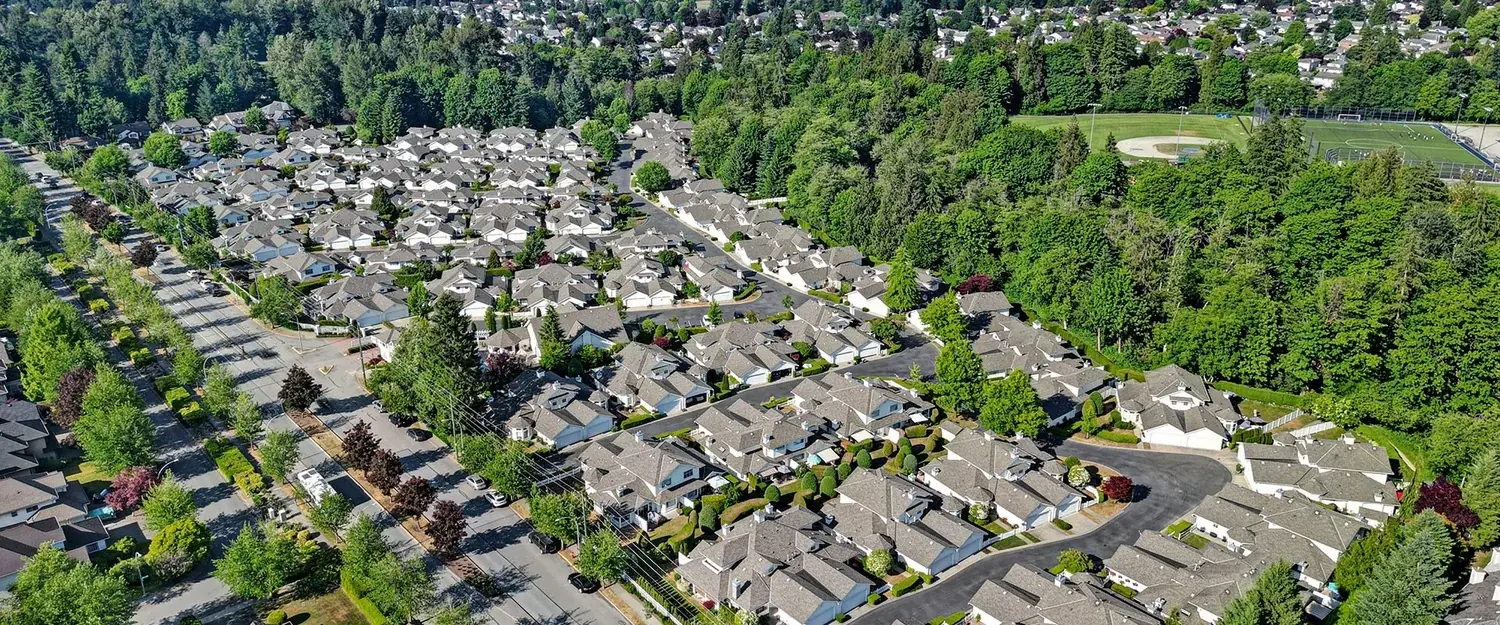
One of the more noticeable trends right now is the number of Vancouver homeowners and investors turning their attention to communities in the Fraser Valley. Surrey, Langley, and Maple Ridge are all offering more value per dollar, and each has its own compelling case.
🏡 Surrey is one of the fastest-growing cities in Canada, with major development projects, accessible transit, strong schools, and established family-friendly neighbourhoods in communities like Clayton, Cloverdale, Fleetwood, and South Surrey. Entry price points are significantly lower than Vancouver, and long-term growth prospects are strong. I've lived in Surrey for over 30 years, and I'd encourage anyone who's written it off based on a limited experience of one or two neighbourhoods to look more carefully. Surrey is a massive city, more than twice the land area of Vancouver, and it rewards the people who take the time to explore it properly.
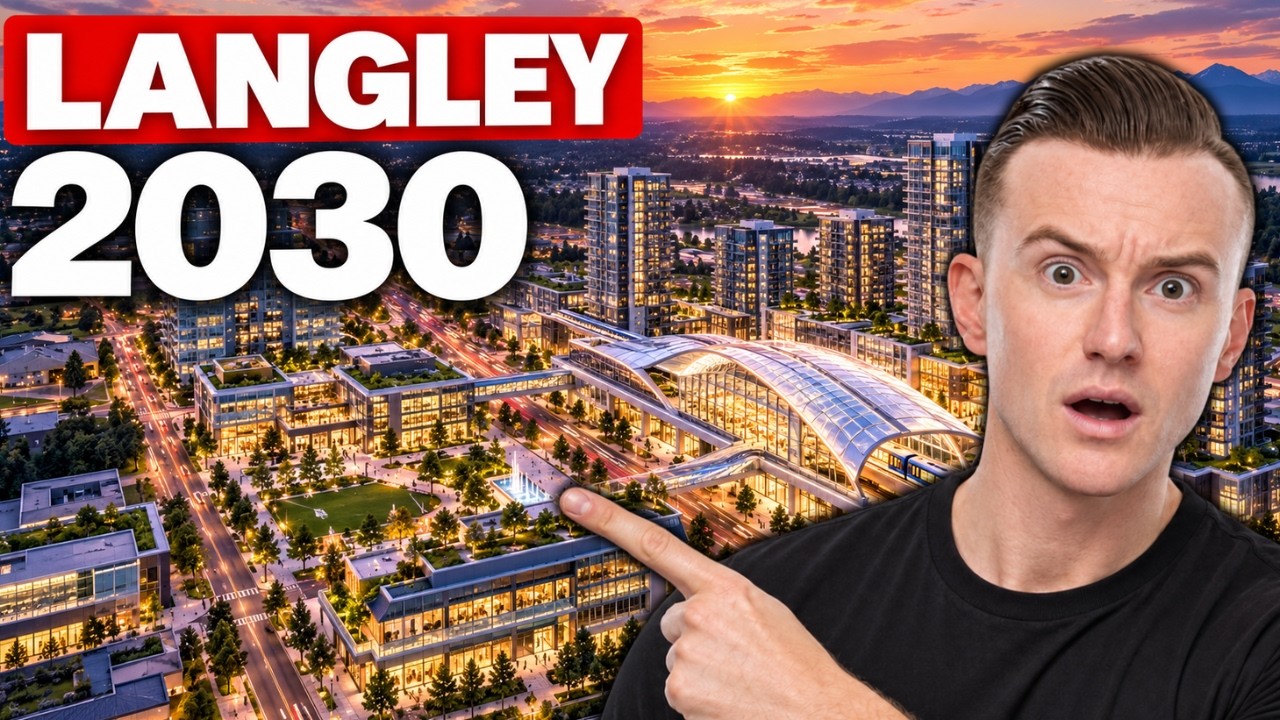
Langley has emerged as a top destination for families, young professionals, and investors alike. It combines a vibrant town centre with excellent schools, newer developments, established residential neighbourhoods, and a genuine sense of community. The planned SkyTrain extension adds a compelling long-term growth story, and for buyers who want more space without sacrificing amenities, Langley consistently delivers. Maple Ridge appeals to a different kind of buyer: one who values a quieter pace, access to nature, and a strong community feel. Surrounded by mountains, parks, and trails, it offers significantly more living space for the money, along with improving infrastructure and a growing range of services. For buyers who want more home, more land, and a connection to the outdoors, it's worth a serious look.
Practical Steps to Take Right Now
- Stay informed. Follow local market data, economic news, and real estate trends regularly. Knowledge is useful, but only if you act on it. Don't let information gathering become a reason to avoid making decisions.
- Review your financial position. If you're a homeowner concerned about a potential downturn, take a close look at your finances. Consider speaking with a financial adviser to assess your debt load, emergency reserves, and overall position.
- Work with the right professionals. Whether you're buying, selling, or investing, the current market rewards people who have accurate, up-to-date, local expertise in their corner. A generalist approach won't cut it when market conditions vary this much from one neighbourhood to the next.
- Don't get stuck in analysis paralysis. Uncertainty is uncomfortable, but waiting for perfect conditions is rarely a winning strategy in real estate. Informed, well-timed action almost always outperforms indefinite waiting.
Related Reading
- The Fraser Valley Real Estate Market JUST Flipped!
- Living in Surrey BC (2026): What You Actually Need to Know Before Moving
- 5 Things You NEED to Know About Living in Maple Ridge BC
Vancouver's market is going through a real shift, and while that creates uncertainty, it also creates openings for people who understand what's happening and move with intention. If you're thinking about buying, selling, or investing in Metro Vancouver or the Fraser Valley, I'm happy to walk you through what the numbers actually look like in your specific area and help you figure out the right move for your situation.

Alex Dunbar Personal Real Estate Corporation
REAL Broker BC Ltd. | Living in the Lower Mainland
Buying, selling or investing in the Lower Mainland? Whether you're new to the area or a longtime local, I'll help you make the right move. Book a 30-minute no-pressure call with me and we'll go over your goals, timeline and budget.
Related Posts
Explore Vancouver
Categories
Recent Posts


GET MORE INFORMATION