
The Vancouver Housing Market Is Shifting: Here's What It Actually Means
The Vancouver Housing Market Is Shifting , Here's What It Actually Means
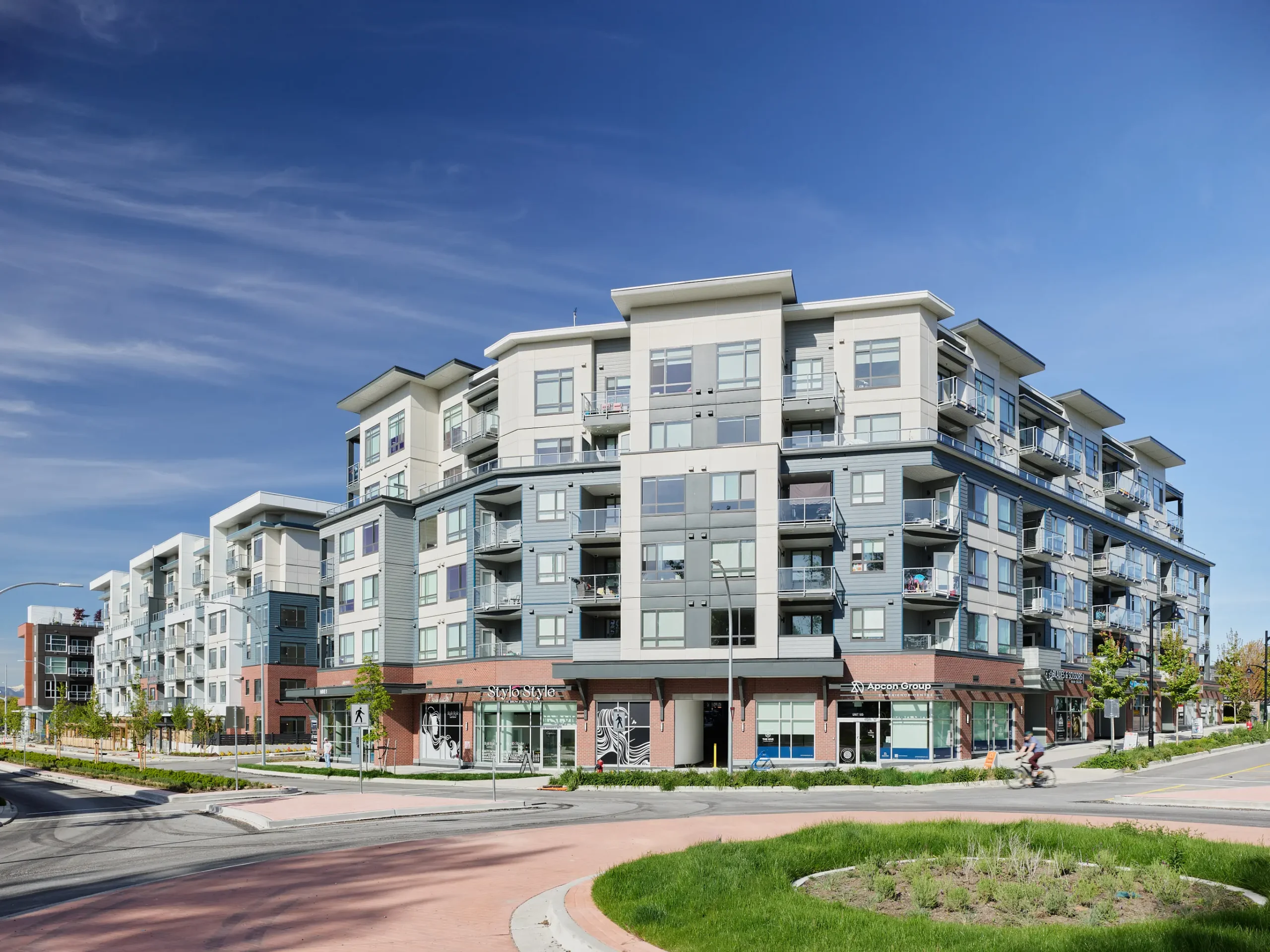
The cranes are still up. The towers are still going up. And if you glance at a Vancouver headline, you'd probably assume the market is humming along the way it always has. But if you stop watching the skyline and start watching behaviour, something has clearly changed. Homes are sitting longer. Price reductions are becoming routine again. Buyers are taking their time. Sellers are quietly adjusting their expectations. The market isn't broken, but it's moving with a lot more friction than it did a few years ago.
This is how Vancouver cools. It doesn't announce itself with a dramatic crash or a scary headline. It slows through hesitation, through inventory that builds just enough to shift leverage, and through buyers who stop rushing. If you're thinking about buying in Metro Vancouver, selling, or even relocating to the Fraser Valley because Vancouver pricing still feels out of reach, this shift changes the rules. It changes how you negotiate, where the real risk sits, and which mistakes will cost you the most.
📌 Short Answer: Vancouver's housing market isn't crashing , it's normalizing. And for people who understand what that actually means, it can be a very good thing.
How We Got Here: The Pandemic Distortion
Vancouver has always been supported by limited land, tight zoning, global demand, and a lifestyle people are genuinely willing to pay for. Those fundamentals didn't disappear. But the pandemic era distorted all of them in a significant way. Interest rates dropped to levels that made borrowing feel almost free. Buyers stopped thinking about price and started thinking about monthly payment. When you combine cheap money with a market that already has supply constraints, prices don't rise gradually , they explode. Buyers stopped negotiating and started competing. That competition fed on itself until the market disconnected from fundamentals and became purely emotional.
Then 2022 arrived, and the conditions that fuelled all of that disappeared quickly. Rates rose sharply. Affordability broke. And Vancouver did exactly what it always does in those moments: it didn't collapse overnight, it slowed. Sales volume dropped first. Buyer urgency disappeared second. Price expectations adjusted last. That order matters, because people misread it constantly. They look at prices that haven't fallen dramatically and assume nothing has changed , while missing the fact that listings are sitting longer, buyers are more cautious, and leverage has quietly shifted away from sellers.
What the Numbers Are Actually Telling Us
📊 The data makes this shift pretty hard to ignore. In November 2025, Metro Vancouver had 15,149 active listings, sitting 36.3% above the 10-year average. At the same time, sales came in at 1,846, down 15.4% year-over-year. More supply, fewer sales. That combination pulls a market toward balance whether or not anyone feels it yet. By December 2025, the sales-to-active-listings ratio sat at 11.6%, which is firmly in buyer's market territory. That's the kind of environment where conditions get included in offers, where buyers take a second look before committing, and where sellers can no longer rely on urgency to close the gap between their asking price and market reality.
On the commercial side, downtown Vancouver office vacancy has been sitting in the low double digits in recent market reporting. That matters because space that was planned, approved, and built under the assumption of constant demand simply isn't being absorbed the way pre-2020 projections expected. And office softness doesn't stay contained to office buildings. It feeds into job confidence, investor psychology, and overall sentiment about the city's direction. When investors start running numbers instead of riding momentum, and when those numbers don't work, they pause. When investors pause, listings compete with each other instead of with buyers.
Why Condos and Attached Properties Feel It First
The cooling is most visible in the condo and attached property segments, and that's not a coincidence. Buyers in those segments tend to be more payment-sensitive, and investors make decisions based on math rather than emotion. A buyer who could comfortably afford a condo at a 2-3% interest rate often couldn't afford the same unit at 6%, even as rates began to stabilize. The buyer pool became more selective. People stopped stretching. And once buyers believe they have time, they behave very differently. They negotiate harder. They walk away more often. They stop making emotional decisions based on a listing they saw on social media, and they start treating housing like a considered financial decision.
💡 The Bank of Canada's policy rate was cut to 2.25% in late October 2025 after a series of reductions, which helped stabilize market sentiment. But rate cuts don't instantly restore the cheap-money psychology that drove the frenzy. Sellers who anchored to peak pricing expectations and assumed the market would catch up found their homes sitting. And once a listing sits, the dynamic shifts again. Time on market becomes a signal. Buyers start assuming something's wrong, even when nothing is. That's why initial pricing and presentation matter so much more now than they did during the frenzy years. In a hot market, mistakes get forgiven. In a normalizing market, they get punished.
What This Means If You're Buying Right Now
A cooling market isn't automatically bad. It's only a problem if you're using last cycle's strategy in a new cycle. If you're a buyer, this is the most opportunity you've had in years , and you don't need a dramatic crash to take advantage of it. Elevated inventory gives you real choice. Slower sales give you time. And time gives you negotiating power. You can do proper due diligence. You can include conditions when appropriate. You can negotiate dates and terms that fit your actual life instead of bending around a seller's timeline. You can see a property, sit with it for a week, go back for a second look, and make a decision with a clear head. That's a completely different experience from 2021, and it's worth recognizing for what it is.
- ✅ Get fully pre-approved, not just pre-qualified, before you start seriously looking
- ✅ Track comparable listings weekly so you understand what's actually selling versus what's sitting
- ✅ Negotiate based on current market reality, not on fear of missing out
- ❌ Don't assume that because prices haven't crashed dramatically, the market hasn't shifted
What This Means If You're Selling
🏡 If you're selling, this doesn't mean you're in a difficult position. The market will still pay strong value for well-priced, well-presented homes. But it will punish listings that are overpriced, poorly marketed, or built on the assumption that someone will overpay simply because it's Vancouver. That strategy only worked during the frenzy. In a balanced market, buyers compare. They have time to compare. And when they compare, how you price and present your home matters far more than it did when competition among buyers was doing the heavy lifting for you.
The first few weeks on market carry more weight now than they did at the peak. Serious, motivated buyers pay closest attention to fresh listings. If you come out overpriced, accumulate days on market, and then reduce, you've already lost some of your most qualified buyers. Price it right from day one, present it like a product, and let the market do its job. That's how sellers win in this environment.
Related Reading
- Pay Off Your Mortgage FASTER in Canada with This Strategy
- Langley BC Canada - What It's Really Like to Live Here
- How Much Does It Really Cost to Live in Langley? (2025)
Vancouver isn't in crisis, and it isn't exploding either. It's resetting. The long-term fundamentals are still real: people want to live here, jobs still exist, and lifestyle still matters. But the rules are no longer written by urgency alone, and that changes everything about how you should approach a decision in this market. If you're thinking about buying, selling, upsizing, or making a move within Metro Vancouver, I'd be glad to walk through the numbers with you calmly and honestly so you can make a decision based on facts, not headlines.

Alex Dunbar Personal Real Estate Corporation
REAL Broker BC Ltd. | Living in the Lower Mainland
Buying, selling or investing in the Lower Mainland? Whether you're new to the area or a longtime local, I'll help you make the right move. Book a 30-minute no-pressure call with me and we'll go over your goals, timeline and budget.
Related Posts
Explore Vancouver
Categories
Recent Posts


GET MORE INFORMATION