
Surrey Developers Are in Serious Trouble: Here's How It Happened and What It Means for You
Surrey Developers Are in Serious Trouble , Here's How It Happened and What It Means for You
Not long ago, pre-sale condos in Surrey were selling out in a single weekend. Sometimes in hours. Lineups wrapped around sales centres, investors were buying three or four units at a time, and developers couldn't build fast enough. That market is gone. Today, hundreds of unsold units are sitting on the books, projects are being delayed, redesigned, or cancelled outright, and some developers are switching to purpose-built rentals because selling simply doesn't pencil out anymore.
This isn't just a slow patch. It feels like the end of a phase. And if you're buying, selling, or investing in Surrey right now, understanding how we got here is the first step toward making a smart decision in a market that looks nothing like it did five years ago.
How Surrey Became a Speculation Hotspot
Back in the early-to-mid 2010s, Surrey pre-sales weren't the obvious choice they later became. Developers actually had to compete for buyers. That meant sweeteners like decorating allowances, included parking, extra storage, and pricing that stayed close to, or sometimes even below, comparable resale. Buyers were asking a reasonable question: why commit to something that doesn't exist yet when resale is available now, cheaper, and immediately rentable? Developers had to earn the business.
Then the dynamic shifted dramatically. Surrey stopped being seen as simply the affordable alternative to Vancouver and started being treated as an investment target. Local and international investor demand picked up at the same time, driven by a combination of factors: Surrey's proximity to Vancouver, rapid population growth, major infrastructure plans like the Surrey-Langley SkyTrain extension, a relatively weak Canadian dollar, and Metro Vancouver prices that still looked cheap compared to cities like Hong Kong, Sydney, or London. Developers responded by ramping up overseas marketing and leaning into investor-focused product design.
📊 A key turning point came in 2016, when rule changes around shadow flipping tightened up the resale market. Speculative capital looked elsewhere and found the perfect vehicle in pre-sales. Long timelines, small deposits, no immediate mortgage required, no cash flow concerns. You put money down and hoped values rose before completion. In Surrey, that bet paid off for a while. Investors were buying multiple units in a single project, sometimes four or five at once, many never intending to actually complete on them. The plan was to assign the contract and pocket the appreciation.
To unlock construction financing, developers typically needed to hit presale targets of around 60 to 70 percent. Speed mattered more than buyer quality. If you had a deposit, you were in. No mortgage approval needed. Sales centres turned into frenzies with lotteries and lineups. The most sought-after units were the smallest and cheapest, simply because they were the most accessible entry point, even for buyers without large budgets.
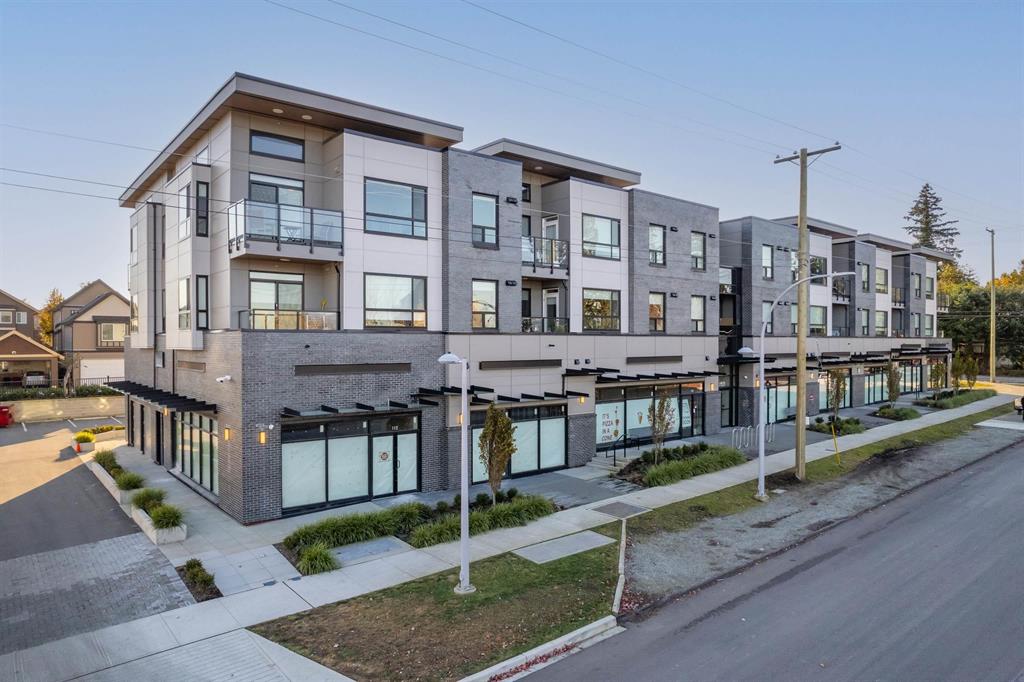
Developers adapted their product accordingly. Units got smaller, layouts tighter, and amenities like parking and storage became optional extras rather than standard inclusions. Investor-style product replaced end-user design. Prices climbed while square footage shrank. By the early 2020s, pre-sale pricing in parts of Surrey was running as much as 30 percent above comparable resale in the same neighbourhood. Anyone doing a simple price-per-square-foot comparison could see it. That kind of premium wasn't sustainable.
Why the Market Stopped Working
The correction didn't arrive all at once, but several forces converged to pull the floor out from under the speculation-driven model. Foreign buyer restrictions removed a significant source of demand. Interest rates rose sharply, and investors counting on assigning their contracts found there was no one on the other side willing to pay the premium. Immigration policy changes and international student caps tightened rental demand, which many investors had been depending on to justify their numbers. In some pockets, rent growth flattened or declined outright.
💡 Layer today's conditions on top of that and the picture becomes clear. Financing is tougher, stress tests are stricter, and buyers are doing the math more carefully than they were during the boom years. What they're finding is that resale offers a compelling alternative: lower price per square foot, larger floor plans, parking and storage often included, immediate occupancy, and the ability to physically inspect the unit before committing. That last point matters more than people might expect. There's a growing scepticism about newer builds, with buyers telling me they'd rather purchase a 10 to 15 year old condo that's already proven itself than pay a premium for something brand new based on a showroom and floor plan alone. Concerns about build quality, mid-project specification changes, and shrinking unit sizes have made a lot of people hesitant.
The size issue is real and worth highlighting. A typical two-bedroom condo in Surrey from a decade ago often ran 900 to 1,000 square feet. Today, it's not uncommon to see two-bedroom units in the 600 to 700 square foot range. Buyers notice that. Families especially notice it. When resale offers meaningfully more space at a lower price, the case for a new pre-sale gets very hard to make.
❌ The result is thousands of unsold pre-sale units, paused or cancelled projects, and developers pivoting to rentals because they can't move inventory at current pricing. The speculation-driven model depended on three things: cheap borrowing, constant price appreciation, and a steady stream of buyers willing to pay a premium for something that didn't exist yet. None of those conditions exist in the same form today.
What This Means If You're Buying or Investing in Surrey Right Now
The rules have changed, and the strategies that worked during the boom years don't automatically apply anymore. Buying a pre-sale isn't the obvious choice it once was, and resale isn't the backup plan. For a lot of buyers right now, resale is actually the stronger option, depending on their goals, timeline, and budget.
That said, this market isn't without opportunity. When a correction forces pricing back toward reality, it creates windows that didn't exist during the frenzy. Some developers are motivated to move inventory. Some pre-sale pricing has come down. And in a market where fewer speculative buyers are competing, end users and serious investors have more room to negotiate and think clearly.
🏡 For the pre-sale market to genuinely recover, something structural needs to change. Development costs, municipal fees, compliance requirements, and financing costs are all significantly higher than they were a decade ago. Until those pressures ease, or until pricing adjusts far enough to close the gap with resale, most buyers will continue to favour existing inventory. The developers who survive this period will likely be the ones who shift toward building larger, better-designed homes aimed at actual end users rather than investor-style product.
📌 The bottom line is this: understanding where real value exists in this market matters more than it ever did during the boom. The easy money is gone. What's left requires a clear head, good information, and a strategy built around your actual situation rather than assumptions about what the market used to do.
Related Reading
- Surrey Pre-Sale Condos COLLAPSED | From Printing Money to Losing Millions
- Surrey's Housing Market Just Hit a Breaking Point
- Something WEIRD is Happening in the Surrey Housing Market
If you're thinking about buying, selling, or investing in Surrey and you want to cut through the noise and figure out what actually makes sense for your situation, I'm happy to help. I've lived in Surrey for over 30 years and work with people navigating these exact decisions every day. Reach out anytime and we'll build a plan around where you actually want to go.

Alex Dunbar Personal Real Estate Corporation
REAL Broker BC Ltd. | Living in the Lower Mainland
Buying, selling or investing in Surrey and the surrounding cities? Whether you're new to the area or a longtime local, I'll help you make the right move. Book a 30-minute no-pressure call with me and we'll go over your goals, timeline and budget.
Related Posts
Explore Surrey
Categories
Recent Posts



GET MORE INFORMATION