
How to Buy a Home in Maple Ridge BC: A Step-by-Step Guide
Buying a home in Maple Ridge BC follows the same foundational steps as any BC purchase, with Maple Ridge-specific considerations layered in: community selection based on commute profile and lifestyle priorities, flood risk diligence for certain areas, acreage-specific due diligence for rural properties, and an affordability context that differs meaningfully from Surrey and Langley.
This guide covers both the BC process and what is specific to Maple Ridge.
I'm Alex Dunbar, a REALTOR at REAL Broker serving Surrey, Langley, and Maple Ridge through discoverhomesfirst.com.
Step 1: Confirm the Maple Ridge Trade-Off Works for Your Life
Before you start looking at listings in Maple Ridge, have an honest conversation with yourself about the commute. Maple Ridge is approximately 10-20% more affordable than comparable Surrey or Langley properties, but that gap comes with a commute cost that should be evaluated before you begin.
The commute test: Drive or transit your actual commute route on a weekday morning in a wet month. Not on a Sunday afternoon. The real commute is what you will do 200 days per year.
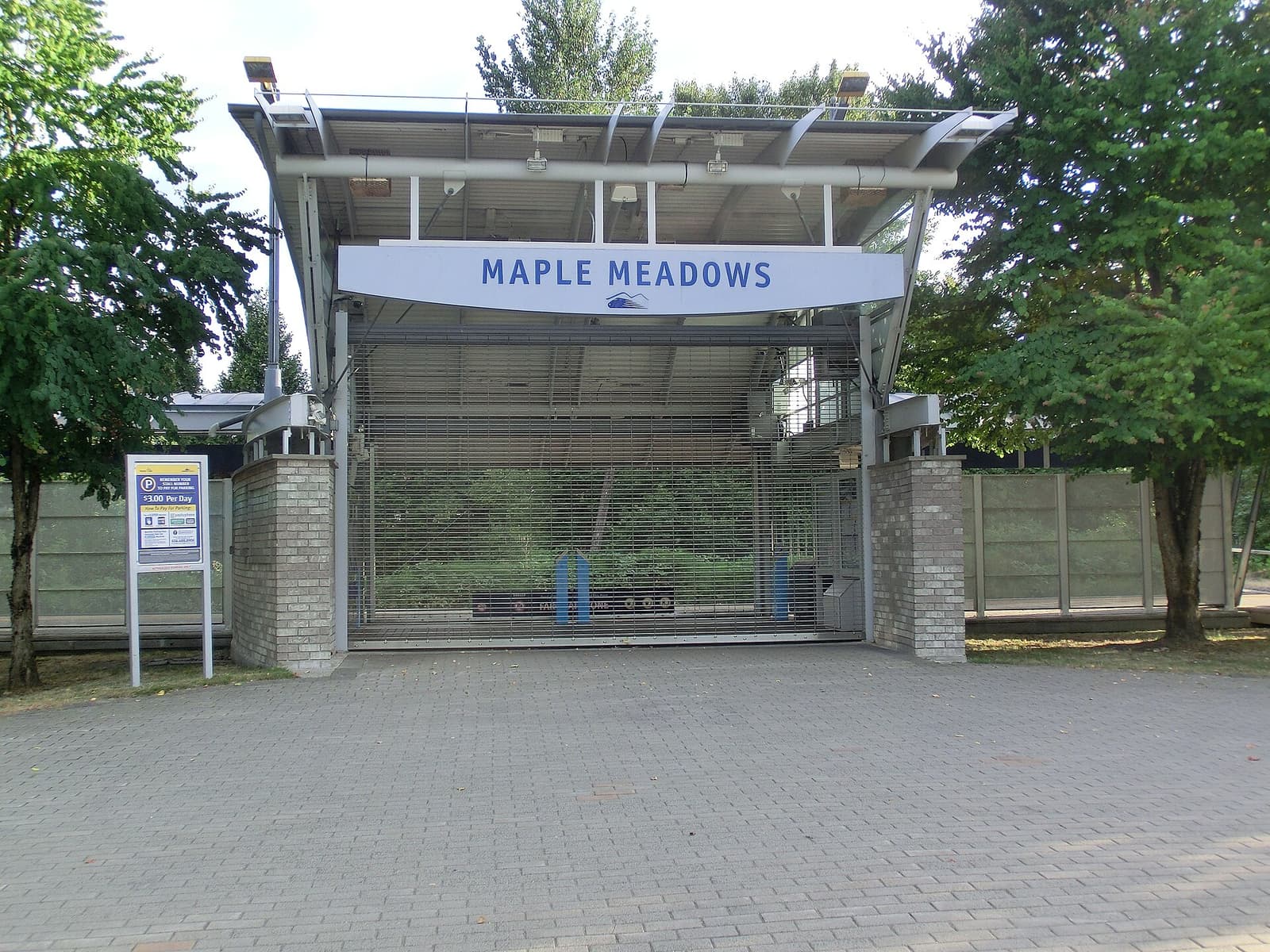
- If you commute to downtown Vancouver on a regular Monday-to-Friday schedule: the West Coast Express (weekday peak hours only) is about 65-75 minutes each way.
- If you drive to downtown Vancouver by car: budget 60-90 minutes in peak conditions via Lougheed Highway.
- If your workplace is in Surrey or Langley: the Golden Ears Bridge connects south to Pitt Meadows and west, making cross-river commutes viable.
- If you work remotely: the trade-off calculus shifts significantly in Maple Ridge's favour.
For a full commute breakdown, see Is Maple Ridge BC a Good Place to Live?
Step 2: Get Pre-Approved
A mortgage pre-approval establishes your purchase ceiling, locks in a rate, and signals credibility when you write an offer. In BC, a pre-approval requires document review by a lender: income documentation, employment verification, and credit assessment.
Pre-qualification (an estimate without document review) is not sufficient preparation for a real offer in an active market.
Step 3: Choose Your Maple Ridge Community
Maple Ridge's communities are distinct from each other in character, proximity to outdoor access, and proximity to commercial services.
Town Centre (Haney): The compact urban core. West Coast Express station. Commercial services, restaurants, civic amenities, Fraser River access. Most walkable area in the city. Condo and townhome inventory concentrated here. Best for: WCE commuters, condo buyers, buyers who want urban walkability within Maple Ridge.
Albion: Newer residential development in the north. Active new-construction market. Family-oriented with newer schools and parks. Good access to Alouette River area. Best for: families, buyers who want newer construction.
Silver Valley: Adjacent to Golden Ears Provincial Park. Tree cover, trails, mountain proximity. A lifestyle-oriented neighbourhood with direct outdoor access. Best for: buyers who prioritize trail and nature access as a daily reality, not a weekend trip.
Cottonwood: Established family neighbourhood. Mix of detached homes built over decades. Good school proximity. More urban in scale than Silver Valley. Best for: families who want established community character.
East Central: Centrally located, established residential character, smaller lots. Closer to commercial infrastructure. Best for: buyers who want town centre proximity at a lower price than the core itself.
Thornhill: Northern edge of the city, borders undeveloped mountain terrain. Semi-rural character. Best for: buyers who want maximum nature proximity within city limits.
Step 4: Engage a Buyer's Agent
The seller's agent represents the seller. Your own buyer's agent represents your interests throughout the transaction: advising on offer strategy, reviewing all documents, managing the subject period, and coordinating completion.
Step 5: Your Maple Ridge Property Search
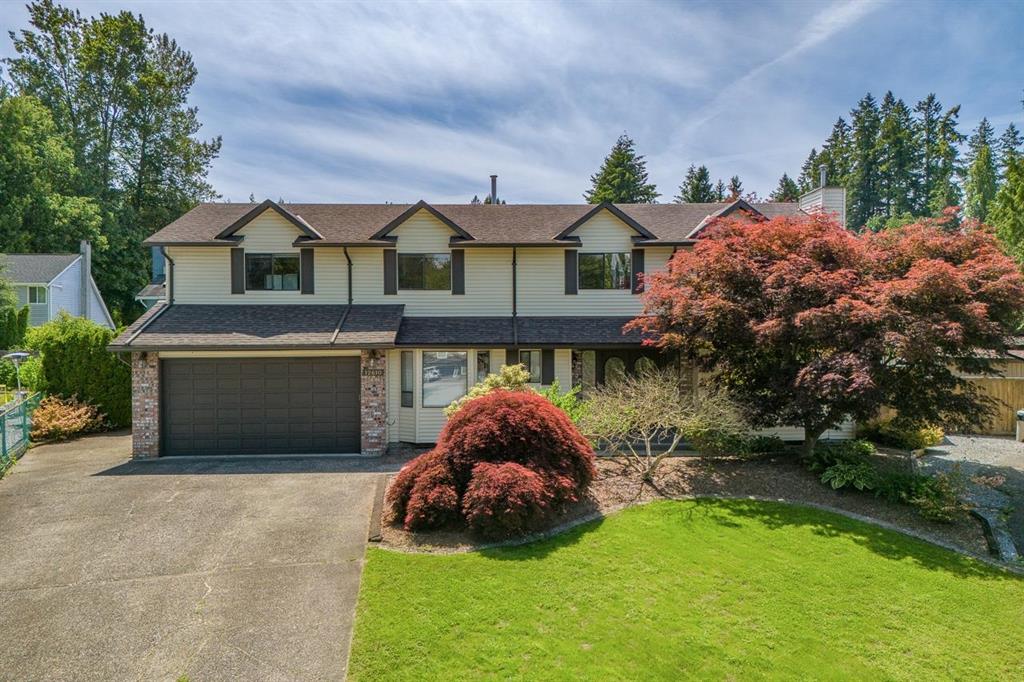
Maple Ridge's market has a mix of resale detached homes, resale condos and townhomes, and active new-construction (particularly in Albion and around the Town Centre).
Set listing alerts through your buyer's agent for your target community, property type, and price range. Maple Ridge's market can move quickly in competitive price ranges, so response time on new listings matters.
New construction in Maple Ridge: Active projects in Albion and Town Centre follow the presale/new-construction process: developer contracts, staged deposits, GST applicable. The process differs from resale.
Step 6: Write an Offer
The Contract of Purchase and Sale (CPS) is BC's standard offer document. It specifies:
- Purchase price
- Deposit amount and timeline
- Subjects (conditions)
- Completion and possession dates
Maple Ridge-specific offer considerations:
Flood risk addresses: Certain areas, including parts of Albion, Hammond, and Ruskin, have historical flood exposure from the Alouette River and Kanaka Creek floodplains. For any property in a potential flood zone, your offer should include time to verify flood maps, understand insurance implications, and obtain insurance quotes. Post-2024 changes to BC flood insurance have made this a material consideration. Verify the address against municipal flood maps before removing subjects.
Acreage properties: Maple Ridge has small-acreage and hobby-farm properties in Thornhill, Ruskin, and Webster's Corners. For acreage purchases, four independent diligence tracks are required: zoning confirmation (permitted uses, subdivision eligibility), ALR status (whether the land is within the Agricultural Land Reserve), septic system inspection and compliance, and well water quality testing. All four. Missing any of these has cost Maple Ridge buyers significant money.
Strata health for attached properties: For condos and townhomes in the Town Centre and Albion, strata document review is required. The strata package should be reviewed carefully: Form B, depreciation report, council meeting minutes, financial statements, and bylaws.
Step 7: The Subject Period
After acceptance, the subject period allows you to satisfy the conditions in your offer. Typical subject periods are 7-10 business days, though timelines vary by negotiation.
Financing confirmation: Your lender reviews the specific property and confirms your approval. This is separate from your pre-approval, which is based on your financial profile alone.
Home inspection: For detached homes in Maple Ridge, a thorough inspection covers structure, roof, foundation, mechanical, plumbing, and electrical. Older homes in Maple Ridge's established neighbourhoods (Cottonwood, East Central) may have deferred maintenance issues worth understanding before subject removal.
Strata document review: For condos and townhomes. Key documents: Form B (levies and financial position), depreciation report (upcoming capital costs), council meeting minutes (decisions and disputes), and bylaws. I review every strata package with buyer clients.
Flood and insurance verification: For any flood-adjacent address, use the subject period to obtain insurance quotes and verify insurability and cost. This should not be treated as a formality for properties in Albion, Hammond, or near the Alouette floodplain.
FINTRAC identity verification: Federal requirement for all BC real estate transactions. Your agent collects government-issued ID and source-of-funds information.
Step 8: Subject Removal and Deposit
When all subjects are satisfied, you remove subjects in writing. The deal becomes firm. Your deposit is due within 24 hours (or as specified in the contract) and is held in trust until completion.
BC buyers have a 3-business-day right to rescind on most residential purchase agreements after acceptance. This comes with a financial penalty (0.25% of the purchase price). It is not a substitute for diligent subject period review.
Step 9: Completion and Possession
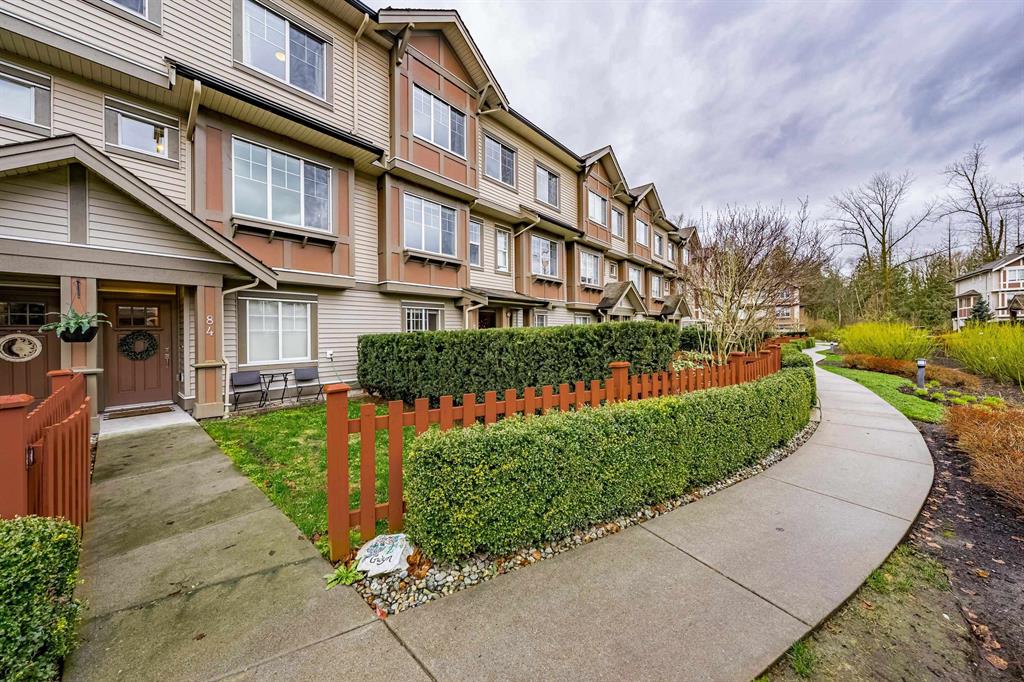
Your lawyer or notary handles the title transfer and fund movement at the Land Title Office on completion day. You receive keys on possession day, typically the same as or immediately after completion.
Budget $1,200-$2,500 for lawyer or notary fees on a standard Maple Ridge purchase.
Maple Ridge-Specific Buying Considerations
Property Transfer Tax: PTT applies to all Maple Ridge purchases. First-time buyers may qualify for exemptions on qualifying properties. Verify eligibility at purchase time.
GST on presales and new construction: Applies to new-build homes in Albion and Town Centre. Not applicable to resale. Budget this as part of your maximum purchase, not on top.
Two-vehicle reality: Most Maple Ridge households outside the Haney core require two vehicles. ICBC insurance for two vehicles is a significant monthly cost in BC. Budget this into your total cost of living assessment before committing.
Out-of-province vehicle registration: Buyers relocating from Ontario or Alberta face ICBC re-registration costs of $800-$2,500 in year one per vehicle.
Frequently Asked Questions
How long does it take to buy a home in Maple Ridge BC?
From active search to completion, most buyers take 1-4 months. Maple Ridge's market varies by community: Albion can be competitive in certain price ranges, while other sub-markets move more slowly.
What are the closing costs when buying in Maple Ridge BC?
Property Transfer Tax, legal/notary fees ($1,200-$2,500), home inspection ($500-$700), title insurance, and moving costs. PTT is 1% on the first $200,000, 2% on $200,000-$2,000,000, 3% above.
Do I need to worry about flooding in Maple Ridge?
For certain addresses, yes. Parts of Albion, Hammond, and Ruskin have historical flood exposure. Post-2024 changes to BC flood insurance have made this a more material consideration. For any flood-adjacent property, verify the address against current municipal flood maps and obtain insurance quotes during the subject period.
What is the West Coast Express schedule from Maple Ridge?
The WCE runs approximately 5 round trips on weekday peak hours only (no mid-day, evening, or weekend service). It is fast and comfortable for a standard 9-to-5 downtown Vancouver commute. It does not serve buyers who need transit flexibility outside those hours.
Is buying acreage in Maple Ridge different from buying a regular house?
Yes, significantly. Acreage purchases require independent verification of: zoning, Agricultural Land Reserve status, septic system condition and compliance, and well water quality. All four are required. Skipping any of these is a well-documented way to encounter expensive surprises post-purchase.
Start Your Maple Ridge Purchase
Book a buyer consultation at discoverhomesfirst.com to discuss your Maple Ridge purchase: which community fits your commute and lifestyle, how the BC process works, and what Maple Ridge-specific diligence looks like for your target property type.

Alex Dunbar Personal Real Estate Corporation
REAL Broker BC Ltd. | Living in the Lower Mainland
Buying, selling or investing in Maple Ridge and the surrounding cities? Whether you're new to the area or a longtime local, I'll help you make the right move. Book a 30-minute no-pressure call with me and we'll go over your goals, timeline and budget.
Categories
Recent Posts





GET MORE INFORMATION