
Pros & Cons of Living in Maple Ridge BC
Pros & Cons at a Glance
Maple Ridge is genuinely excellent if you want nature access, space, and a family-oriented community at a price that still leaves room in the budget. It's the wrong fit if you need rapid transit, downtown proximity, or a walkable urban lifestyle.
| Right for You If... | Wrong Fit If... |
|---|---|
| You want space and a larger yard | You commute to Vancouver daily without a car |
| Outdoor access matters to you | You need walkable amenities close by |
| You're raising a family and want good schools | You're looking for nightlife or a dense urban feel |
| Budget is a factor vs Vancouver or Burnaby | You don't want to deal with a long commute |
The pros-and-cons question is one I get from almost every buyer who's researching Maple Ridge for the first time. It's usually framed as: "Is Maple Ridge actually a good place to live, or am I just looking there because I can't afford Vancouver?" The honest answer is that it's both, and neither framing tells the full story.
Maple Ridge has real strengths that genuinely improve quality of life. It also has real trade-offs that matter a lot depending on how you work, how you get around, and what your day looks like. This guide covers both sides without pulling punches. By the end you'll know whether Maple Ridge fits your life, or whether another city in the Fraser Valley is a better match.
If you've already decided Maple Ridge is the right area and want to understand the neighbourhoods, start with the Best Neighbourhoods in Maple Ridge guide. For a full breakdown of what you'll actually spend each month, the Cost of Living in Maple Ridge covers housing, groceries, transportation, and childcare in detail.
Quick Pros & Cons Summary
Maple Ridge sits at a specific point in the Lower Mainland spectrum: more space, more nature, and more house for the money than almost every comparable Metro Vancouver city, with a commute penalty attached. The trade-off is real and worth understanding before you buy. For buyers who can absorb the distance, it is one of the best-value family cities in BC. For transit-dependent commuters, it is a harder fit. Here's the short version. Each item is expanded in the sections below.
| Pros | Cons |
|---|---|
| World-class nature access (Golden Ears, Kanaka Creek, Alouette Lake) | Long commute to Vancouver (60-90 min by car, peak hours) |
| More space and larger lots vs closer-in suburbs | No SkyTrain; West Coast Express is weekday rush only |
| Detached homes roughly 30-40% below Vancouver prices | Oct-Mar is genuinely wet and occasionally snowy |
| Strong family-oriented community with good schools | Town Centre and Haney pockets have visible social disorder |
| Quieter, lower-density lifestyle vs Burnaby or Surrey | Limited big-city amenities: no Costco in Maple Ridge proper, fewer specialty shops |
| Newer suburbs (Albion, Silver Valley) are well-planned and clean | Car-dependent; public bus coverage is limited outside Town Centre |
| Distinct neighbourhood variety: urban-ish to semi-rural | Rapid growth is putting pressure on roads and services |
Pros of Living in Maple Ridge
1. World-Class Nature & Outdoor Access
This is the single biggest reason people choose Maple Ridge over comparably priced options in Surrey or Coquitlam. The city sits at the foot of the Coast Mountains and borders the Fraser River, which means access to trails, parks, lakes, and rivers that most Lower Mainland cities can't match at any price.
Golden Ears Provincial Park is the centrepiece. One of the largest provincial parks in the region, it protects tens of thousands of hectares of mountain, lake, and forest terrain. You can camp at the lakeside, hike to alpine meadows, paddle Alouette Lake, or mountain bike on dedicated trails, all within 20 minutes of a Maple Ridge townhome.
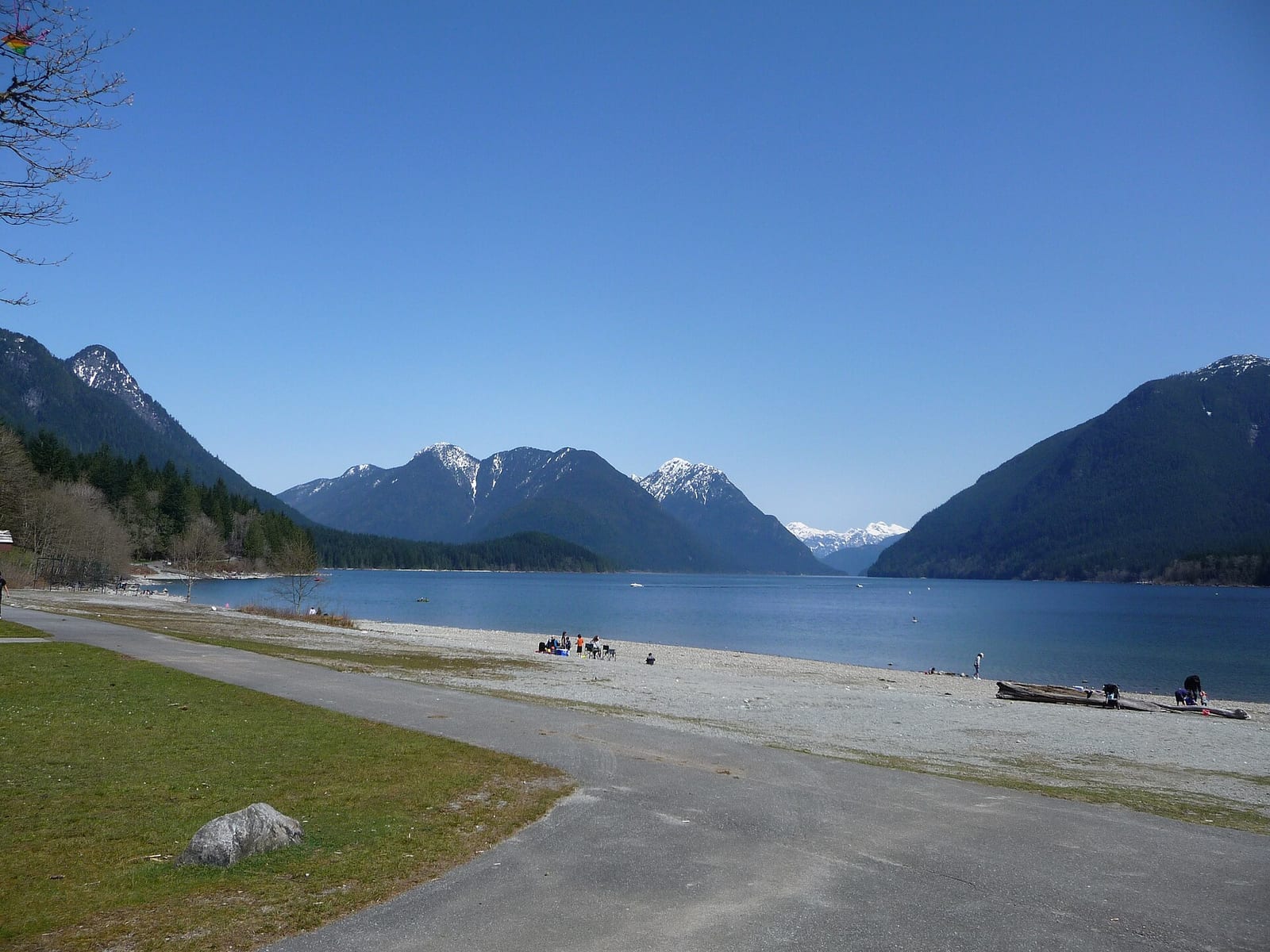
Kanaka Creek Regional Park adds another layer. The 400-hectare creek corridor runs through residential areas, meaning some Maple Ridge homeowners back directly onto forested green space. There's a salmon hatchery, a canyon trail, and multiple access points along a system that feels much wilder than you'd expect from a park inside a suburb.
The Fraser River provides year-round fishing for salmon, sturgeon, and steelhead. Kayaking and stand-up paddleboarding are popular in calmer sections, and the flat dyke trail running alongside it is one of the best easy cycling routes in the Lower Mainland.
| Activity | Primary Location | Skill Level | Best Season |
|---|---|---|---|
| Hiking (day hikes to multi-day) | Golden Ears Provincial Park | All levels | May to October |
| Camping (lakeside, backcountry) | Alouette Lake, Golden Ears | All levels | May to September |
| Mountain biking | Burke Mountain, Golden Ears trails | Intermediate to Expert | April to October |
| Kayaking and paddleboarding | Alouette Lake, Fraser River | All levels | May to September |
| Fishing (salmon, steelhead, sturgeon) | Fraser River, Kanaka Creek | All levels | Year-round (salmon peak Sep-Nov) |
| Trail running | Kanaka Creek, Fraser River Dyke | All levels | Year-round |
| Golf | Meadow Gardens, Swan-e-Set, Golden Eagle (Pitt Meadows) | All levels | April to October |
| Snowshoeing and winter hiking | Upper Golden Ears, Burke Mountain | Intermediate | December to March |
The key thing to understand about outdoor access in Maple Ridge is that it isn't just proximity to a single park. The entire eastern part of the Lower Mainland sits at the base of serious terrain. If you want to go beyond Maple Ridge, Garibaldi Provincial Park is under 90 minutes away. Mount Seymour and Cypress Bowl are under 60 minutes. For people who structure their weekends around the outdoors, few cities in Canada offer this combination of convenience and scale.
2. Relative Affordability vs the Rest of Metro Vancouver
Maple Ridge is not cheap by any national standard. Detached homes regularly sell above $1 million, and a townhome in Albion or Northwest Maple Ridge will typically run $700,000 to $850,000. What Maple Ridge offers is value relative to the rest of the Lower Mainland, which is a meaningful distinction when Vancouver detached homes average well over $2 million and townhomes in Burnaby or Port Moody regularly clear $900,000.
The affordability gap is most pronounced for families looking for a detached home with a yard. In Vancouver's east side or even in Burnaby, that home costs 40 to 60% more than a comparable property in Maple Ridge. In Coquitlam or Port Coquitlam, the gap narrows, but Maple Ridge typically still comes in lower, especially for larger lots in newer subdivisions.
| Home Type | Maple Ridge | Surrey | Langley | Port Coquitlam | Vancouver |
|---|---|---|---|---|---|
| Detached (avg range) | $1,300,000 - $1,600,000 | $1,600,000 - $2,000,000 | $1,500,000 - $1,900,000 | $1,300,000 - $1,600,000 | $2,200,000+ |
| Townhome (avg range) | $700,000 - $850,000 | $750,000 - $920,000 | $750,000 - $900,000 | $700,000 - $860,000 | $900,000 - $1,200,000 |
| Condo (avg range) | $450,000 - $600,000 | $500,000 - $660,000 | $480,000 - $640,000 | $480,000 - $640,000 | $650,000 - $900,000 |
| Strata fees (typical) | $300 - $500/mo | $300 - $550/mo | $300 - $500/mo | $300 - $500/mo | $400 - $700/mo |
Approximate 2025 market ranges. Prices vary by neighbourhood, property condition, and market timing. Confirm current values with a local REALTOR.
The Trade-off
One caveat on that table: Maple Ridge is still primarily made up of single family homes and doesn't have as many condo or townhome options as its neighbours at the moment, so the selection behind those ranges is thinner than the numbers suggest. New development is popping up all over the place, though, so the gap is closing.
For buyers who can work remotely or use the West Coast Express, the Maple Ridge price point unlocks a detached home with a proper yard at a mortgage payment that's simply not available anywhere closer to Vancouver. That trade-off is worth making for a lot of families, especially those with kids who benefit from the outdoor space.
The affordability advantage also applies to rental rates, though the gap narrows there. A 1-bedroom suite in Maple Ridge typically rents for $1,700 to $2,100 per month, compared to $2,100 to $2,600 in Burnaby or $2,000 to $2,400 in Surrey. For a full breakdown of monthly costs, the Cost of Living in Maple Ridge guide covers sample budgets for singles, couples, and families.
3. Family-Friendly Community with Good Schools
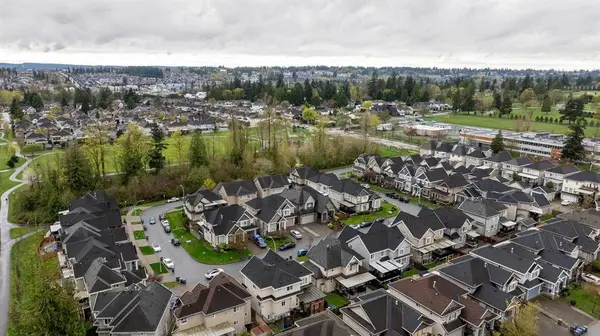
Maple Ridge has a well-earned reputation as a family city. The combination of affordable homes with yards, good schools, and an active recreational culture makes it attractive to couples looking to start or grow their family. It doesn't have the same density or variety of services as Surrey or Burnaby, but it makes up for it with a sense of community that's harder to find in larger suburban areas. That sense of community is reinforced by the city's commitment to safety, with local law enforcement working closely with residents to keep the environment secure so families feel safe and supported.
Schools: The public school system is run by School District 42, which serves Maple Ridge and Pitt Meadows. Garibaldi Secondary is the only public school in School District 42 offering the International Baccalaureate (IB) Diploma Programme. Meadowridge School is a well-regarded K-12 independent school on the west side of the city. Elementary school quality varies by neighbourhood, with Albion, Silver Valley, and Northwest Maple Ridge generally scoring well. For a detailed breakdown, the Top 5 Elementary Schools in Maple Ridge and the Top 5 High Schools in Maple Ridge guides cover quality, location, and programme highlights.
Parks and Recreation: Maple Ridge Leisure Centre on 7th Avenue is the main community recreation hub with a pool, fitness centre, gymnasium, and ice rink. Albion Sports Complex offers additional ice and arena space. Memorial Peace Park is a large green space in the city centre that hosts seasonal events. Whonnock Lake is popular for swimming and picnicking in summer.
Community Events: Country Fest (a summer music festival), the Haney Farmers Market (Saturdays, May to October), the Caribbean Festival, and the Maple Ridge Santa Claus Parade are among the better-attended annual events. These aren't big-city productions, but they create the kind of community rhythm that draws families to smaller cities in the first place.
Youth Sports: Minor hockey, soccer (Maple Ridge FC), baseball, and lacrosse all have active associations with multiple age-group programmes. The outdoor recreation culture means kids grow up with a healthy blend of organized sport and unstructured outdoor time, which a lot of parents actively value.
4. Space, Privacy & Neighbourhood Variety
One of the quieter advantages of Maple Ridge is how much variation exists between its neighbourhoods. You're not just choosing "Maple Ridge vs Surrey." You're choosing between a walkable grid street near Haney Place Mall, a newer subdivision backing onto Golden Ears trails, a mature treed lot in Cottonwood, or a large semi-rural lot in Webster's Corners. That range is unusual for a city of this size, and it means that buyers at different life stages often find what they're looking for within the same city boundaries.
| Neighbourhood | Character | Typical Lot Size | Best For |
|---|---|---|---|
| Northwest Maple Ridge | Most urban feel, walkable, transit access | 3,500 - 5,500sqft | First-time buyers, commuters |
| Albion | New family suburb, planned streets, parks | 4,000 - 6,500sqft | Families with young children |
| Silver Valley | Nature-adjacent, newer builds, quiet | 5,000 - 9,000sqft | Outdoor-focused families |
| Cottonwood | Established, mature trees, quieter streets | 5,000 - 8,000sqft | Families, downsizers |
| Thornhill | Semi-rural, estate lots, mountain views | 8,000 - 25,000sqft | Privacy seekers, horse properties |
| Hammond | Established, close to the Fraser River; home age and condition vary widely | Varies street to street | Buyers looking for a lower entry price |
| Webster's Corners / Ruskin | Rural, agricultural, hobby farm feel | 10,000sqft - 2+ acres | Acreage buyers, small-scale farming |
Even small location differences inside the city matter. Most regret in Maple Ridge doesn't come from the city itself, it comes from choosing the wrong pocket.
For a full breakdown of each neighbourhood's character, price range, and what kind of buyer each one suits, the Best Neighbourhoods in Maple Ridge guide covers all of them with specific comparisons. The Worst Neighbourhoods guide is equally worth reading if you want to understand which areas to approach with more caution.
Town Centre (Haney) and East Central
Two areas don't fit neatly into that table, and they're worth knowing if you care about walkability or the train.
Town Centre (Haney) is Maple Ridge's compact downtown, and it's the one part of the city where you can walk to most of what you need. Haney Place Mall, the library and The ACT Arts Centre are all here, and the Port Haney waterfront gives you a riverside trail along the Fraser. The West Coast Express stops at Port Haney station, so if you work downtown on a regular weekday schedule, this is the most practical place in the city to live. It's also where you'll find the widest choice of condos and townhomes, because that's where much of the new condo and townhome building is happening. The trade-off is that parts of the core, especially near the transit exchange, have more visible social disorder than the suburbs, so walk the specific block before you commit.
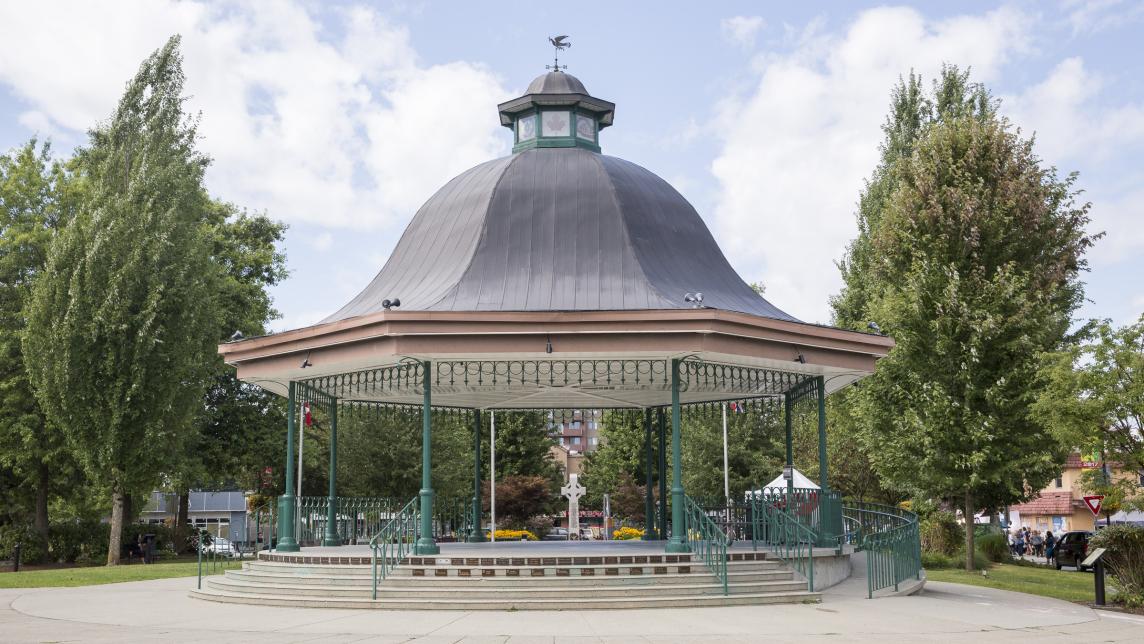
East Central sits just outside the core, on smaller lots with an established, lived-in feel. If you want to be close to town centre shops and the train without paying downtown condo prices, this is often the entry point that works. And if Albion is on your list, the Albion Sports Complex and Kanaka Creek Regional Park are right on its doorstep, which is a big part of why young families keep choosing it.
The Trade-off
It's worth knowing how the housing stock splits across those areas. Albion and Silver Valley are known for their newer developments but lack condos, while neighbourhoods like Hammond and West Central offer more established homes with character.
The lot sizes are worth emphasising specifically. At a similar price point to a Burnaby condo or a Port Moody townhome, a Maple Ridge detached home comes with a backyard large enough for a trampoline, a vegetable garden, or a small deck with real privacy from the neighbours. For families relocating from Vancouver apartments, this practical outdoor space is often the single feature that tips the decision.
Cons of Living in Maple Ridge
1. The Commute is Real and It's Long
If you work in downtown Vancouver or Burnaby and drive it every day, Maple Ridge is not the most practical choice. The general picture is consistent: during peak hours, the drive from Maple Ridge to downtown Vancouver typically runs 70 to 90 minutes on a standard weekday. During incidents on the Lougheed or Port Mann, it can stretch longer.
The two main routes out of Maple Ridge both have chokepoints. Highway 7 (Lougheed) heading west is two lanes in several sections and gets congested through Pitt Meadows and Port Coquitlam. The Golden Ears Bridge heading south connects to the Highway 1 corridor, and the Port Mann merge is consistently one of the slowest sections of that route.
| Destination | By Car (Off-Peak) | By Car (Peak Hours) | West Coast Express | Notes |
|---|---|---|---|---|
| Downtown Vancouver | 45 - 55 min | 70 - 90 min | 50 - 56 min | WCE runs weekdays only; 5 trains AM, 5 trains PM |
| Burnaby (Metrotown) | 40 - 50 min | 60 - 80 min | Not direct | WCE doesn't stop at Metrotown; drive or transfer |
| Coquitlam (city centre) | 30 - 40 min | 45 - 60 min | Not direct | Bus 701 runs Haney to Coquitlam Station (about 50 min) |
| Surrey (city centre) | 30 - 45 min | 50 - 65 min | N/A | Via Golden Ears Bridge; toll applies |
| Langley (city centre) | 30 - 40 min | 45 - 55 min | N/A | Via Golden Ears Bridge, one of the shorter drives |
| Vancouver Airport (YVR) | 55 - 70 min | 80 - 100 min | N/A | Factor in extra time for early flights |
Commute times shown are typical estimates based on standard traffic conditions. Actual times vary by day, weather, incidents, and specific origin and destination.
The practical implication is this: if you're driving to Vancouver five days a week, you're spending 2.5 to 3 hours in the car every workday. Over a year, that's roughly 650 to 750 hours of commuting. Whether that's acceptable depends entirely on your job flexibility, your family situation, and how much the other benefits of Maple Ridge matter to you. For remote workers or anyone who commutes two to three days a week, the math changes significantly.
The Trade-off
Maple Ridge's proximity to Vancouver is a significant advantage, but commuting can be a challenge, particularly during peak hours.
2. Limited Rapid Transit
There is no SkyTrain in Maple Ridge. This is a genuine constraint for households without a car, for younger buyers who are used to transit-dependent living, and for families where one partner commutes by transit and the other needs the car.
West Coast Express: The commuter rail line is the best transit option for Maple Ridge residents heading to downtown Vancouver. It's reasonably fast (about 50 minutes from Maple Meadows station and 56 minutes from Port Haney to Waterfront, per TransLink's timetable) and comfortable. But it has a critical limitation: it runs five trains westbound in the morning rush and five trains eastbound in the evening rush, weekdays only. There is no midday service, no weekend service, and no service on holidays. If you work a non-standard schedule, use the train to commute part of the week, or need to get home at 2pm on a Tuesday, the West Coast Express doesn't help you.
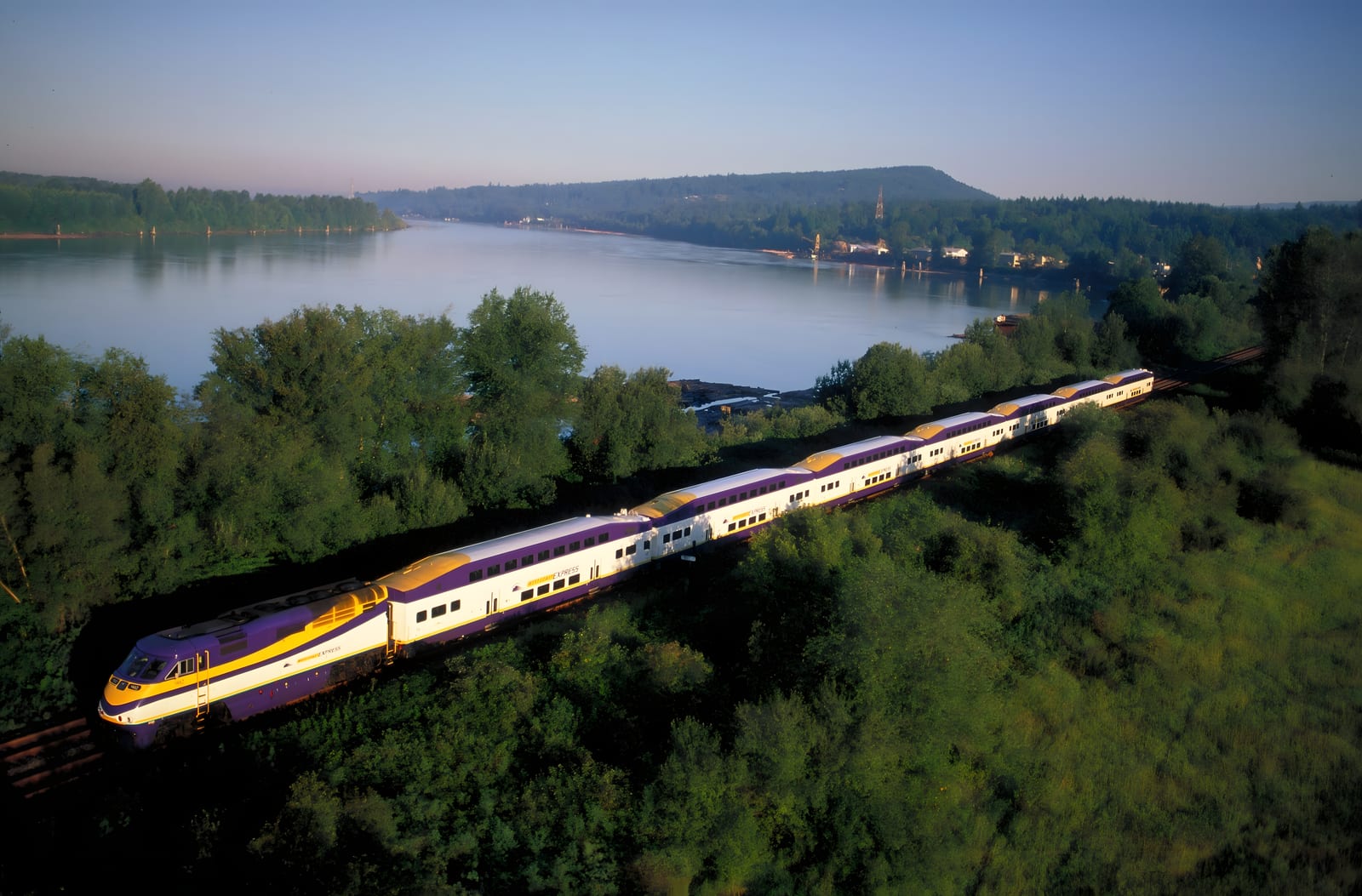
Bus Service: TransLink operates several routes in Maple Ridge, but coverage outside the Town Centre corridor is limited. The main routes are:
- 701 (Haney Place to Coquitlam Central Station): The most useful route for transit commuters; runs fairly frequently during peak hours and connects to the Evergreen SkyTrain extension at Coquitlam Station.
- R3 Lougheed Hwy (RapidBus): Runs from Haney Place to Coquitlam Central Station along Lougheed Highway, connecting to the SkyTrain.
- 595: Crosses the Golden Ears Bridge between Maple Meadows Station and Langley Centre.
- 791 (Haney Place to Braid Station): Weekday route through Pitt Meadows and Port Coquitlam to Braid Station on the Expo Line.
If your home is outside the main corridor (Albion, Silver Valley, Thornhill, Webster's Corners), a car isn't optional. It's required for groceries, school pickup, evening activities, and pretty much everything else. This is a real consideration for families evaluating long-term household transportation costs.
The Trade-off
The planned extension from Surrey to Langley may eventually open up more public transit options for Maple Ridge residents, but it's not expected to open until late 2029 and it isn't exactly conveniently located for someone living here.
3. Rain and Winter Conditions
Maple Ridge sits at the base of the mountains, which means it gets more precipitation than coastal areas like Vancouver. The rainy season from October through March is genuinely grey and damp for extended stretches. If you're relocating from a sunnier region, this is the adjustment that catches most people off guard.
The summers, by contrast, are excellent. July and August are warm and dry, and the combination of long days, warm temperatures, and easy access to lakes and trails makes summer in Maple Ridge genuinely enjoyable. The shoulder seasons (April-May and September-October) are variable but often beautiful. The trade-off is the core winter period: November through January is wet, dark, and occasionally snowy in a way that makes driving and outdoor plans less predictable.
| Month | Avg High | Avg Low | Avg Precip | Conditions |
|---|---|---|---|---|
| January | 4 - 6°C | -1 - 1°C | 175 - 200mm | Rain, fog, occasional snow |
| February | 7 - 9°C | 1 - 3°C | 120 - 150mm | Rain, improving |
| March | 10 - 12°C | 3 - 5°C | 110 - 140mm | Still wet, some sunny breaks |
| April | 14 - 16°C | 5 - 7°C | 80 - 100mm | Showers, warming |
| May | 18 - 20°C | 8 - 10°C | 60 - 80mm | Improving, mix of sun and rain |
| June | 21 - 23°C | 11 - 13°C | 55 - 75mm | Mostly pleasant |
| July | 25 - 28°C | 13 - 15°C | 30 - 45mm | Warm and mostly dry; best month |
| August | 25 - 27°C | 13 - 15°C | 35 - 50mm | Warm and mostly dry |
| September | 19 - 22°C | 9 - 11°C | 65 - 85mm | Shoulder season, still pleasant |
| October | 12 - 15°C | 5 - 7°C | 155 - 185mm | Rain returns |
| November | 6 - 9°C | 1 - 3°C | 210 - 250mm | Consistently wet; some snow at elevation |
| December | 4 - 6°C | -1 - 1°C | 190 - 230mm | Wet, occasional snowfall in city |
Approximate typical ranges based on Pacific Coast Mountain Valley climate patterns for Maple Ridge's elevation. Individual years and exact location within Maple Ridge vary.
Snow is worth discussing separately. Maple Ridge at city level gets perhaps four to eight snowfall events per winter, usually melting within a day or two. However, properties above 100 metres in elevation (parts of Silver Valley, Thornhill, and areas on the mountain slopes) get significantly more snow and more persistent icy conditions. If you're buying in a hillside neighbourhood, factor in that winter driving is meaningfully different from the valley floor.
The Trade-off
That rain is what gives the region its lush green landscape, but it also limits outdoor activities through the wetter months. The city gets both slightly more rain and a reasonable amount more snow than Vancouver, though it isn't a significant difference, and the winters here are still generally mild. Set against the rest of Canada, though, Maple Ridge still easily has some of the mildest weather in the country. Unless you're coming from somewhere hot and dry year round like Arizona or Las Vegas, it's really not that much of a con.
4. Social Disorder in Specific Pockets
This is the one that tends to generate the most questions from buyers who've done a bit of research. The honest answer is: yes, parts of Maple Ridge have visible issues, and no, it doesn't define the whole city.
The area around Haney (the old town centre, roughly along 224th Street and the Dewdney Trunk Road corridor), parts of the Webster's Corners area closer to town, and some blocks near the Maple Ridge Transit Exchange have visible homelessness, drug activity, and associated property crime. These aren't random pockets. They're concentrated near services, transit, and the downtown core, which is a pattern you see in most BC cities. This primarily consists of property crime: break-ins, thefts, and vandalism. There have also been reports of drug-related activity and, more rarely, violent crime.
What's different in Maple Ridge compared to Surrey or Abbotsford is that the city is relatively compact and the Town Centre is the main commercial hub for the whole region. So even people living in Albion or Silver Valley, who may never encounter the problematic areas day-to-day, eventually need to pass through the Town Centre corridor for errands or appointments. The contrast between a clean, safe suburb like Albion and a difficult downtown block can feel jarring if you're not prepared for it.
The Trade-off
Those aren't the kind of things that put your personal safety at risk, but they're obviously something to be mindful of. The city has taken this on rather than ignoring it. Temporary shelters have been set up, and food services and outreach programs are available, though demand for those services often exceeds the available resources. Residents have also voiced concerns about safety in their neighbourhoods, which prompted the RCMP to increase patrols in higher-crime areas and launch community engagement programs.
The practical guidance: if social disorder is a hard constraint for you, buy in Albion, Silver Valley, Cottonwood, or upper Northwest Maple Ridge. Those areas have minimal exposure. If you're looking at Haney or lower Town Centre properties, view multiple times at different hours and be honest about what you're comfortable with. The Worst Neighbourhoods in Maple Ridge guide covers the specific streets and areas to approach with more caution.
5. Fewer Big-City Amenities
Maple Ridge has grown significantly in the last decade, but it's still a city of just over 100,000 people at the end of the Lower Mainland's eastern commuter belt. That means some things you'd expect in Surrey or Burnaby simply aren't available locally. This isn't a dealbreaker for most families, but it's worth knowing before you move.
A few specific gaps:
- Costco: The nearest Costco is in Coquitlam (about 35 minutes) or Langley (about 35 minutes via Golden Ears Bridge). Many Maple Ridge families build a monthly Costco run into their routine.
- Specialty medical and healthcare: Maple Ridge has a hospital (Ridge Meadows Hospital) with an emergency department, but for specialist appointments, most residents drive to Burnaby or Vancouver. Wait times at the local hospital can be long.
- High-end dining and nightlife: The local restaurant scene has improved and there are some solid options, but you're not going to find the variety or quality you'd expect in Burnaby or the Tri-Cities. Most serious date nights involve a drive.
- Entertainment venues: The ACT Arts Centre is the main performing arts venue. It hosts a good calendar of local and touring shows, but options are limited compared to what's available 45 minutes west. For concerts, sporting events, and major shows, plan to drive.
- Shopping: Haney Place Mall and Valley Fair Mall cover the basics. For anything specialty, IKEA, higher-end fashion, or big-box electronics, you're heading to Coquitlam Centre or a Surrey mall.
For many families this is a minor inconvenience, not a real problem. If your lifestyle revolves around regular restaurants, concerts, and urban amenities, the ongoing drive time adds up in a way that can erode the satisfaction of living in Maple Ridge over time. It's worth being honest with yourself about how often you actually use those things before writing them off.
The Trade-off
You aren't that far from Burnaby or Vancouver. Realistically there's only a proper nightlife scene downtown anyway, so if those years are well behind you, it's probably not that big of a deal.
Maple Ridge vs Nearby Cities: Side-by-Side
If you're deciding between Maple Ridge and another Lower Mainland city, this comparison covers the factors that tend to matter most to buyers in this price range.
| Factor | Maple Ridge | Surrey | Langley City/Township | Port Coquitlam |
|---|---|---|---|---|
| Detached home price (typical range) | $1,300,000 - $1,600,000 | $1,600,000 - $2,000,000 | $1,500,000 - $1,900,000 | $1,300,000 - $1,600,000 |
| Townhome price (typical range) | $700,000 - $850,000 | $750,000 - $920,000 | $750,000 - $900,000 | $700,000 - $860,000 |
| Commute to Downtown Vancouver (peak) | 70 - 90 min by car | 60 - 85 min by car | 60 - 90 min by car | 40 - 60 min by car |
| SkyTrain access | None | Yes (multiple stations) | Extension under construction, expected to open late 2029 | Yes (Evergreen Extension) |
| Nature and parks access | Excellent (Golden Ears, Alouette, Fraser River) | Moderate (Green Timbers, Tynehead, Bear Creek) | Moderate (Derby Reach, Brydon Lagoon) | Good (Traboulay, Minnekhada) |
| Lot sizes (typical detached) | Larger: 4,000 - 9,000sqft common | Moderate: 3,500 - 6,000sqft | Moderate: 4,000 - 7,000sqft | Smaller: 3,000 - 5,000sqft |
| Urban amenities (shopping, dining) | Limited; drives required for specialty | Good (Central City, Guildford, etc.) | Moderate (Willowbrook, Langley City core) | Moderate (Coquitlam Centre nearby) |
| Social disorder visible in downtown | Moderate (Haney and Town Centre pockets) | Higher (Whalley/Newton areas) | Lower | Lower |
| Annual snowfall (approx) | More than coastal areas; occasional significant dumps | Similar to coastal | Similar to coastal | Slightly more than coastal; less than MR |
| Overall vibe | Nature-adjacent suburb; quieter, more rural feel | Large diverse city; urban suburban mix | Family-oriented; growing fast | Established suburb; strong community feel |
Approximate current typical ranges. Prices vary by neighbourhood, property condition, and market timing. SkyTrain extension timelines are subject to change; confirm current status with TransLink or Metro Vancouver.
The headline: Maple Ridge offers the most detached-home value in this group, with less rapid transit coverage than any other city on the list. If price per square foot and yard space are the priority and you have reliable car access, Maple Ridge is hard to beat at this price point. If frequent SkyTrain access matters, the gap to Coquitlam or Port Coquitlam is significant and worth factoring into the decision. For a full breakdown of housing costs, monthly expenses, and neighbourhood-level pricing, the Cost of Living in Maple Ridge guide covers this in detail.
Who Maple Ridge is Best For
Strong Fit
Families who want a detached home with a yard and can't justify the price premium of Coquitlam or Burnaby. The combination of lot size, outdoor access, and school quality is hard to beat at this price point.
Strong Fit
Remote workers or hybrid workers (two to three days per week in the office). The commute penalty disappears almost entirely when you're only doing it occasionally, and you get all of the lifestyle benefits every other day.
Strong Fit
People who are genuinely outdoors-oriented. If your weekends centre on hiking, mountain biking, kayaking, or camping, Maple Ridge is one of the best-positioned cities in the Lower Mainland for that lifestyle. The access to Golden Ears and Alouette Lake is legitimately exceptional.
Good Fit
Buyers relocating from outside the Lower Mainland (Alberta, Ontario, or internationally) who are accustomed to more space and lower density. The culture and pace of Maple Ridge matches what people from mid-size Canadian cities expect, more than Vancouver or even Burnaby does.
Good Fit
West Coast Express commuters who work downtown Vancouver and don't need midday or off-peak transit flexibility. The 50 to 56 minute train ride is genuinely manageable if you can structure your day around the morning and evening runs.
Good Fit
Buyers looking for newer construction. Albion and Silver Valley have been among the most active development areas in the Fraser Valley for the past decade. If you want a five to fifteen year old home with modern layouts and good build quality, the inventory in Maple Ridge is strong.
Who Should Think Twice Before Moving to Maple Ridge
Poor Fit
Daily Vancouver commuters who rely on transit. Without a car, getting to work is either a 50 to 56 minute West Coast Express ride (weekdays only, rush-hour only) or a bus-to-SkyTrain combination that can push 90 minutes each way. If you can't drive, this is a hard city to live in.
Poor Fit
People who want walkable urban access. Maple Ridge has a town centre, but it's suburban in character. If you want to walk to restaurants, cafes, and shops from your home without driving, there are better options in the Lower Mainland.
Poor Fit
Buyers sensitive to social disorder who would consider buying near Haney or the Town Centre. The central pockets have visible issues. If you're buying in those areas, do your due diligence seriously. The Worst Neighbourhoods in Maple Ridge guide covers the specific areas to research before making an offer. If you're buying in Albion or Silver Valley, this concern is largely irrelevant.
Worth Considering Carefully
Buyers who say "I don't mind the commute" but have never actually done it. Drive the route during peak hours on a Tuesday in November before making a decision. The commute looks different in a Google Maps estimate than it does after six months of doing it five days a week in the rain.
Worth Considering Carefully
Buyers who will be single-income for an extended period with no car as an option. The lack of transit coverage in the outer neighbourhoods is a real quality-of-life issue for households where one partner is home without a vehicle during the day.
Frequently Asked Questions
Is Maple Ridge safe to live in?
The answer depends heavily on which part of Maple Ridge you're asking about. Albion, Silver Valley, Cottonwood, and Northwest Maple Ridge are safe, family-oriented neighbourhoods with low crime rates comparable to other Fraser Valley suburbs. The areas around Haney (the older Town Centre), certain streets near the Transit Exchange, and portions of the 224th Street corridor have higher property crime rates and visible social disorder including homelessness and drug activity.
If you're evaluating safety, the neighbourhood-level detail matters far more than a city-wide crime rate. The Worst Neighbourhoods in Maple Ridge covers the specific areas to approach with more caution.
Is Maple Ridge a good place to raise a family?
Yes, for most families it's an excellent choice. The combination of outdoor access, good schools, community sports programmes, and affordable detached homes with yards is hard to replicate at this price point in the Lower Mainland. Families coming from apartments in Vancouver or Burnaby often find the quality-of-life improvement significant once they adjust to the longer commute.
The main trade-offs for families are the commute (if both parents work in Vancouver), the car dependency, and the distance from specialist healthcare. If your kids have complex medical needs or you work non-standard hours, those factors deserve more weight.
How far is Maple Ridge from Vancouver?
By car, the drive from Maple Ridge to downtown Vancouver takes 45 to 55 minutes off-peak and 70 to 90 minutes during peak commuting hours. The West Coast Express takes about 50 minutes from Maple Meadows station and 56 minutes from Port Haney to Waterfront station.
By bus and SkyTrain, the journey typically takes 90 to 110 minutes door to door, depending on your starting point in Maple Ridge and your destination in Vancouver.
Is there a train or rapid transit from Maple Ridge to Vancouver?
The West Coast Express is the main transit link. It runs five trains westbound from Mission to Vancouver each weekday morning and five trains eastbound returning each weekday evening. The ride to Waterfront station takes about 50 minutes from Maple Meadows and 56 minutes from Port Haney.
There is no midday service, no weekend service, and no SkyTrain access. The nearest SkyTrain station is at Coquitlam (accessible by TransLink bus 701, which takes about 50 minutes from Haney). For most residents, a car remains necessary even if they use the West Coast Express for their primary commute.
Is Maple Ridge more affordable than Surrey?
For detached homes, Maple Ridge is generally 10 to 25% below comparable Surrey properties, with the gap most pronounced for larger lots. A detached home in Maple Ridge's Albion or Silver Valley area typically runs $1.3 million to $1.6 million, while a comparable home in Surrey's Cloverdale or South Surrey runs $1.6 million to $2.0 million.
For townhomes and condos the gap narrows, and some parts of South Surrey are actually comparable to or cheaper than Maple Ridge on a per-square-foot basis. The trade-off is that Surrey has SkyTrain access and Maple Ridge does not, which affects both lifestyle and long-term property value. For full numbers including monthly costs, the Cost of Living in Maple Ridge guide includes a city-by-city comparison.
What are the best neighbourhoods in Maple Ridge?
The answer depends on what you're looking for. Albion is the top choice for families with young children: newer homes, well-planned streets, parks within walking distance, and good elementary schools. Silver Valley is excellent for outdoor-focused families who want proximity to trails and a slightly more private feel. Northwest Maple Ridge is the best option for buyers who want the most urban-feeling environment in Maple Ridge with walkability to shops and transit access.
For people who want more space and don't mind distance from services, Thornhill and Webster's Corners offer much larger lots at competitive prices. The Best Neighbourhoods in Maple Ridge guide covers all of these areas in detail with price ranges, school zones, and lifestyle fit.
Does Maple Ridge get a lot of snow?
More than Vancouver, less than the ski hills. In a typical winter, Maple Ridge at valley level sees several snowfall events, most of which melt within a day or two. However, neighbourhoods at higher elevation (parts of Silver Valley above 150 metres, upper Thornhill, and slopes near Burke Mountain) get meaningfully more snow and ice, and roads in those areas can be difficult to navigate without all-season or winter tires.
The bigger weather challenge for most residents isn't snow, it's the extended rainy season from October through March. Maple Ridge is known for heavy fall and winter rainfall, with the bulk of precipitation concentrated from October through March. If you're moving from a drier climate, factor in the psychological adjustment to extended grey and wet weather.
What is there to do in Maple Ridge?
Outdoor recreation is the core of what Maple Ridge offers. Golden Ears Provincial Park for hiking and camping, Alouette Lake for paddling and swimming, the Fraser River dyke for cycling, and Kanaka Creek Regional Park for trail walking are all within 20 minutes of most homes. Golf courses at Meadow Gardens, Swan-e-Set, and Golden Eagle in Pitt Meadows draw players from across the region.
Within the city, the Maple Ridge Leisure Centre has a pool and fitness centre. The ACT Arts Centre hosts a seasonal performing arts calendar. Haney Place and Valley Fair malls cover retail. The Haney Farmers Market runs on Saturdays from May to October. For bigger entertainment, dining, and nightlife, most residents make the drive to Coquitlam Centre, Burnaby, or Vancouver.
Is Maple Ridge growing and is that a good or bad thing for buyers?
Maple Ridge has been one of the faster-growing municipalities in the Fraser Valley over the past decade. Albion and Silver Valley in particular have seen substantial new development. For buyers, growth is generally a long-term positive for property values, provided the infrastructure (roads, schools, utilities) keeps pace, which has been uneven in some areas.
The short-term downside of growth is visible: construction noise, temporary traffic disruptions, and occasional strain on school capacity in the newer subdivisions. The longer-term positives are more and better retail options, improved road infrastructure, and more diverse housing inventory. Buyers who are already in Maple Ridge tend to view growth positively. Buyers who moved there partly for the small-town feel can find it disorienting as density increases in certain areas.
Who should consider buying in Maple Ridge?
Maple Ridge works best if you're buying for space and lifestyle rather than a short commute. That usually means you work remotely or only go into the office a few days a week, you work in Surrey or Langley and can use the Golden Ears Bridge, or you have a standard weekday schedule downtown that lines up with the West Coast Express.
It also makes a lot of sense if you're moving up from a Metro Vancouver condo or townhome and want the most yard and living space for your money, or if you're a family who wants a detached home but can't make the numbers work in Surrey or Langley. If you need to be in downtown Vancouver 5 days a week at varied hours, look closer in instead.
Ready to Explore Maple Ridge?
I work with buyers throughout the Fraser Valley every week. Whether you're still deciding if Maple Ridge is the right fit, or you're ready to start looking at specific neighbourhoods, I'm happy to walk you through the honest trade-offs for your situation.
Browse Maple Ridge Homes
Alex Dunbar Personal Real Estate Corporation
REAL Broker BC Ltd. | Living in the Lower Mainland
Buying, selling or investing in Maple Ridge and the surrounding cities? Whether you're new to the area or a longtime local, I'll help you make the right move. Book a 30-minute no-pressure call with me and we'll figure out what works best for you.
Categories
Recent Posts




GET MORE INFORMATION