
Moving to Langley BC (2026): What You NEED to Know Before You Move
By Alex Dunbar, REALTOR · REAL Broker BC Ltd. · Updated April 2026 · 11min read
Watch the full pre-move overview above, or read the 2026 written guide below.
Langley BC sits in the eastern part of Metro Vancouver, where old meets new. Mature streets + heritage Fort Langley on one side, brand-new Willoughby townhome neighbourhoods on the other. It's a city with a small-town feel that's outgrown its small-town size, and the right way to evaluate a move here starts with understanding the trade-offs across weather, housing, jobs, schools, transit, lifestyle, healthcare, and safety. Here's the 2026 walkthrough.
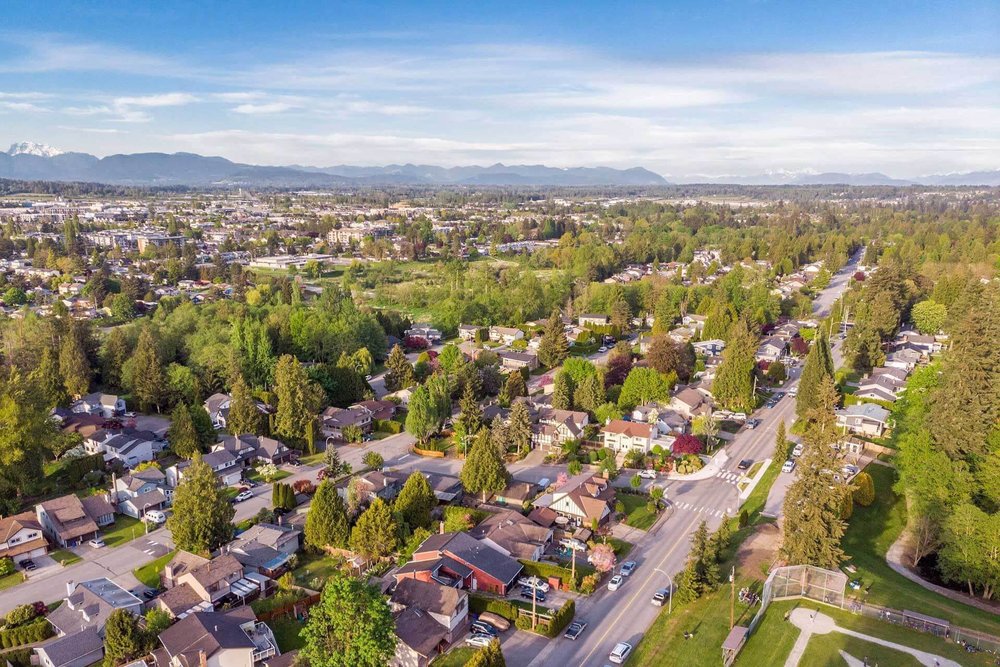
AT A GLANCE
Langley BC: The 2026 Snapshot
PRICE VS VANCOUVER
25-35% Less
Detached, townhomes, condos. Lower Mainland still expensive nationally, but materially below Vancouver-equivalent product.
COMMUTE TO VANCOUVER
40 to 60 min
Highway 1 + Port Mann is the typical route. Off-peak: closer to 40. Friday rush: closer to 60+.
SKYTRAIN TARGET
End of 2029
Surrey-Langley extension along Fraser Highway, 16 km, 8 stations, terminating at Langley City Centre.
Plug your purchase price into the Mortgage Calculator before shortlisting Langley pockets, the math is what makes the move work or not.
In This Guide
Everything to Know Before Moving to Langley
The Weather
Langley's weather often gets unfairly tagged with Vancouver's "Raincouver" reputation. The reality: Langley sits noticeably warmer + sunnier than downtown Vancouver, with less rainfall but slightly more snow. Daytime temperatures run a touch higher; nights run a touch cooler. The Lower Mainland is still wet by Canadian standards, just not as wet as the headlines.
Seasonal pattern:
- Fall + winter: mostly cold + wet + cloudy, occasional snow that rarely sticks more than a few days.
- Spring: wet but warming, by April + May things settle into the better stretch of the year.
- Summer: mild + dry, often hot. July + August are the warmest months, with occasional heat waves in recent years.
If you're moving from elsewhere in Canada, the climate will read as a benefit (shorter winters, less snow, milder cold). If you're moving from a warmer, drier climate, the grey days are the honest test before committing.
Housing + Pricing
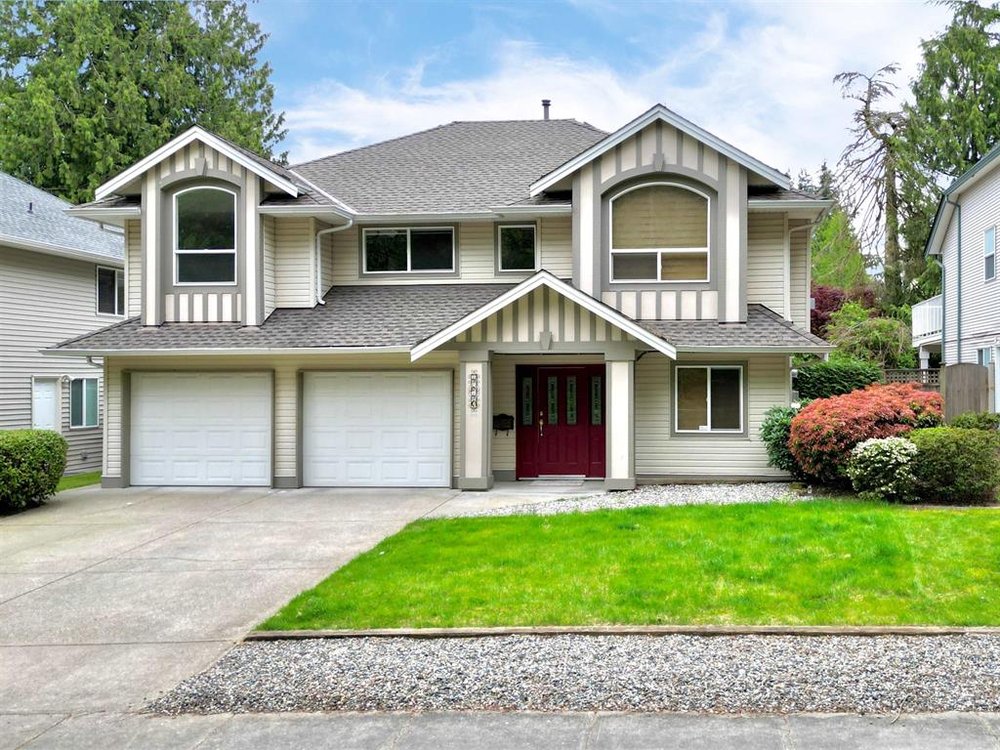
Langley's housing range is one of its biggest strengths. You can find apartments in walkable urban-ish pockets, townhomes throughout Willoughby + Walnut Grove + Murrayville, detached homes in Brookswood + Walnut Grove + Fort Langley + Aldergrove, and small acreages throughout Salmon River, County Line, Glen Valley, Otter, and Campbell Valley.
Pricing sits 25 to 35% below Vancouver-equivalent product on average. Compared to Toronto + the rest of urban Canada, Langley is on the higher end. Compared to Surrey, prices are similar with a slight Langley premium for character pockets like Fort Langley + Brookswood.
Buyer-pool patterns:
- Families: Walnut Grove, Brookswood, Willoughby. Strong schools + parks + family-sized housing.
- Young professionals: Willoughby, Langley City. Newer-build townhomes + condos + the future SkyTrain corridor.
- Retirees: Murrayville, Walnut Grove, Fort Langley. Quieter pockets, age-restricted strata options, healthcare proximity.
Renting is cheaper than buying but mirrors the same regional pattern (more affordable than Vancouver, more expensive than the rest of Canada). For a deeper neighbourhood-by-neighbourhood breakdown, see the Langley Neighbourhoods Guide.
Jobs + Employment
Langley's job market is robust and diverse, with growth concentrated in agriculture, technology, retail, healthcare, and trades. Local government + educational institutions are also significant employers. Income levels vary by sector, with technology + specialized agriculture offering higher salaries and retail providing entry-level + management paths.
For job-seekers new to the area, the strongest online resources are ZipRecruiter, Indeed, WorkBC, and BCJobs.ca. The proximity to Surrey (one of Canada's fastest-growing cities) and Vancouver (the largest job market in BC) opens up commuting options that effectively triple the addressable employer base for Langley residents.
Remote + hybrid work has been a meaningful change. Buyers who work for downtown-Vancouver employers but only need to be in-office 1 to 2 days per week now make Langley feasible in a way it wasn't a decade ago. If your employer is fully remote, the question becomes "do you want a 25 to 35% housing discount in exchange for less proximity to nightlife", and a lot of buyers say yes.
Schools + Education
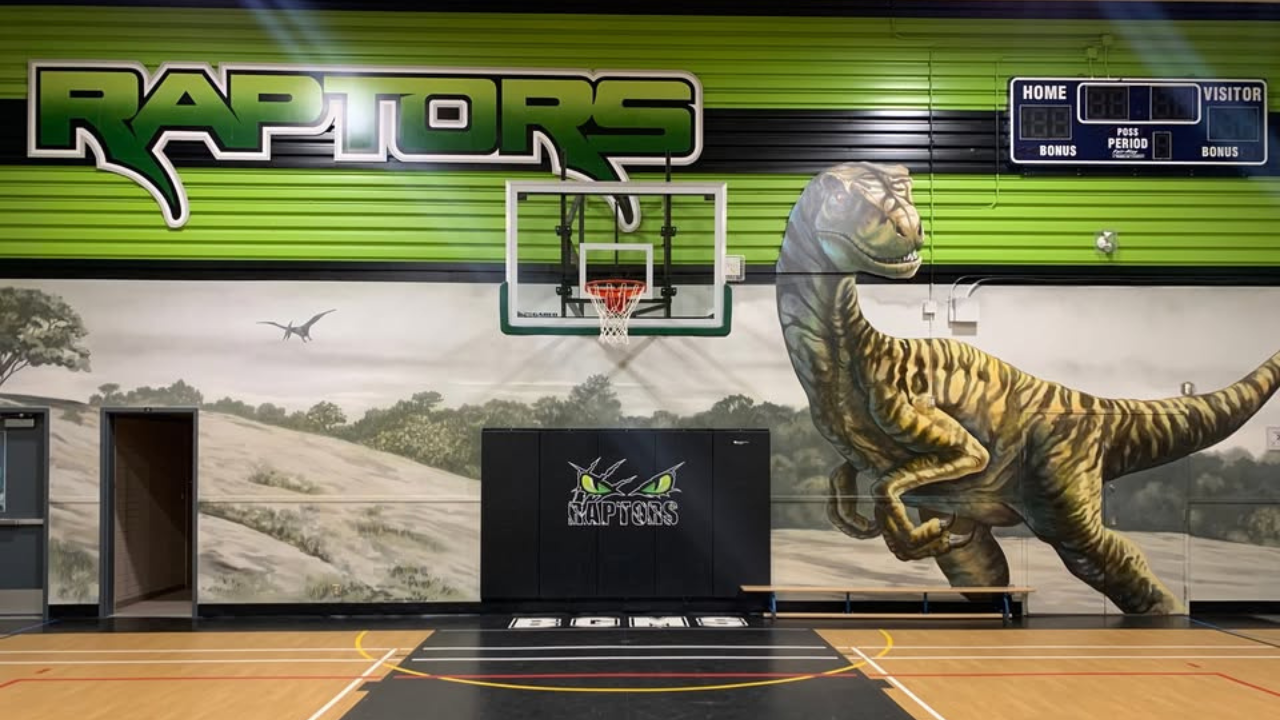
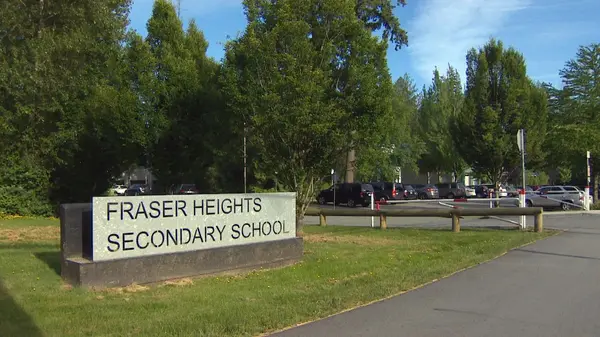
Langley structures youth education differently from most Lower Mainland districts: Elementary (K to 5), Middle (6 to 8), and Secondary (8 to 12). The district has 30+ elementary schools, 6 middle schools, and 10 secondary schools, mostly public, with a small number of private + religious options (Credo Christian, Khalsa School of the Fraser Valley, etc.).
Post-secondary:
- Trinity Western University: the more selective + better-known of the two, attracts students nationally + internationally.
- Kwantlen Polytechnic University: Langley campus, strong on diplomas, certificates, and applied programs.
When picking a school, factor in curriculum + teacher tenure + extracurriculars + the catchment's overall environment. Catchment boundaries shift, so confirm your specific address with the Langley School District before placing weight on a particular school in your buying decision.
Transportation + SkyTrain
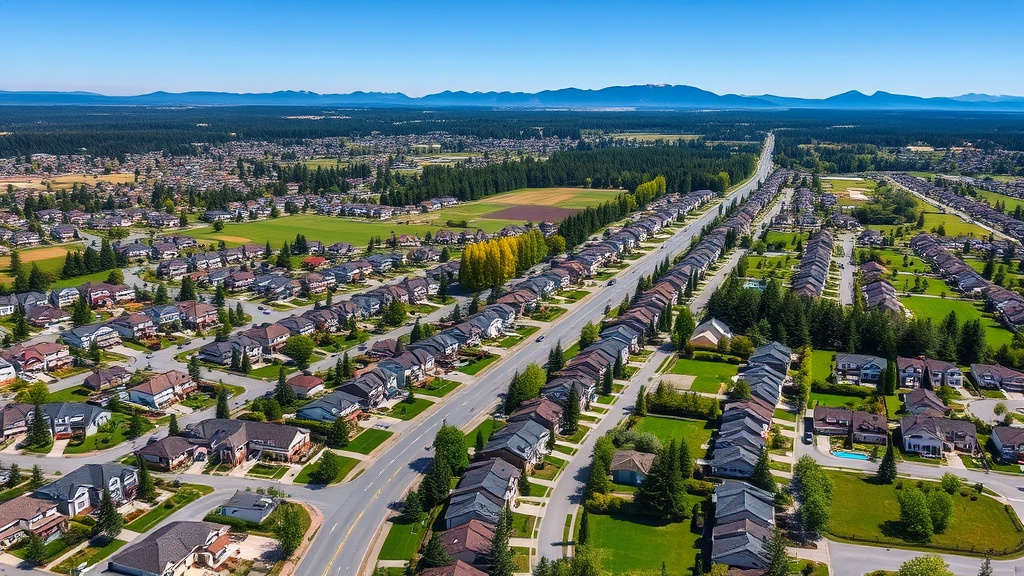
Langley's central Lower Mainland location makes most regional commutes manageable. The biggest pain point is moving across the city north-to-south or vice versa during rush hour, particularly along 200th + 208th Streets. Off-peak, those same routes are easy. So plan your real commute carefully.
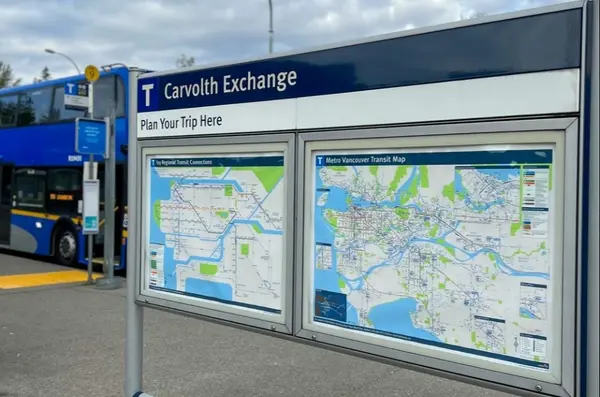
Today's transit (TransLink): bus network connecting most pockets to the Carvolth Exchange (202nd + 86th, right next to Highway 1) and from there to Surrey SkyTrain stations. Functional, but car-first is still the default for most lifestyles.
SkyTrain extension (2029 target): 16 km, 8 stations, along Fraser Highway from the existing Surrey terminus to Langley City Centre near 203 Street. First rapid transit south of the Fraser River in 30 years. Already affecting land prices within walking distance of future stations.
For drivers: wide streets, free parking essentially everywhere, and an expanding cycling network. The drive-friendliness of Langley is an underrated quality-of-life factor for buyers coming from Vancouver, where parking is a daily friction.
Lifestyle + Recreation
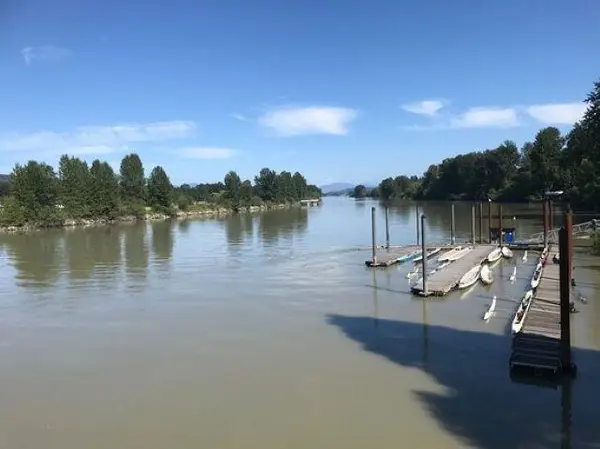
Langley delivers a balanced indoor + outdoor lifestyle. Campbell Valley Regional Park + the Fort to Fort Trail + Derby Reach + a network of community parks anchor the outdoor side. Cultural + sports life has grown meaningfully in the last decade with the Vancouver Giants (WHL), Langley Thunder (lacrosse), Fraser Valley Bandits (basketball), and Vancouver FC (Canadian Premier League soccer) all calling Langley home.
Shopping is centred on Willowbrook Mall + Willoughby Town Centre, with abundant retail, dining, and entertainment surrounding both. The restaurant scene has improved substantially in the last few years, with farm-to-table options, international cuisines, and a meaningful craft beverage scene (wineries in South Langley, craft breweries throughout the city, plus a couple of cideries + distilleries).
The honest gap is nightlife. Pubs, breweries, restaurants, cozy cafes, a 24/7 casino, yes. Late-night clubs + big-concert venues, no, those still pull you into Vancouver. For most buyers in their 30s + 40s with kids, this is a feature not a bug.
Healthcare + Services
Langley Memorial Hospital in Murrayville handles emergency + specialized care. Medical clinics, specialists, dentists, physiotherapists, chiropractors, and naturopaths are all well-represented across the city. The well-known limitation: finding a family doctor accepting new patients is hard, but this is a Lower Mainland-wide issue, not specific to Langley.
Beyond healthcare, Langley delivers strong public services: libraries with both book + digital programs, community centres in each major pocket (typically with pools + weight rooms + classes + workshops), and reliable public utilities. One detail buyers often miss: newer + denser neighbourhoods are on city water + sewer; rural pockets are on well + septic. Confirm before buying, especially for acreage product.
Police + fire + EMS coverage is what you'd expect for a city this size. Langley's emergency response is solid; the city is well-equipped on the safety side.
Safety + Crime
Langley as a whole is safe. Like every major city, it has problem pockets. Crime + homelessness concentrate in the downtown commercial + industrial area (around 196 Street + the Langley Bypass), where lower-income housing, the food bank, several thrift shops, and the casino tend to cluster. Walk a couple of blocks in any direction from there, and the picture changes meaningfully.
Most reported crime is property-related (petty theft, break-ins) rather than violent. The RCMP handles policing, with community-oriented programs + crime-prevention initiatives in place. Homelessness is rising in Langley, mirroring the regional trend. The city + nonprofits run shelters + affordable housing initiatives, but the systemic issues are bigger than any one municipality can solve.
The practical buyer takeaway: the bad pockets are small + clearly defined. A REALTOR who lives here can map them in 5 minutes. Avoid the 1 to 2 specific zones, and you're fine. Aldergrove's downtown core is the other pocket worth understanding, slightly higher rates than the surrounding Township.
The Real Downsides (No Sugar-Coating)
A pre-move guide that only lists positives is useless. Here are the honest downsides:
- Cost of living: Lower Mainland is one of the most expensive markets in Canada outside the GTA. Langley is "more affordable than Vancouver", which is not the same as "affordable". Run the Mortgage Calculator on your real numbers before you commit.
- Mild + wet vs warm + dry: if you're coming from a sunnier, drier climate, the grey days are real. The flip side (much milder than the rest of Canada) helps if you're from Alberta or Ontario.
- Localized crime + homelessness: small pockets with visible issues. Map them with a local REALTOR before shortlisting addresses.
- Cross-city traffic: Willoughby + Langley City corridors hit hard in rush hour. Factor your real commute timing in.
- Commute to Vancouver until 2029: 40 to 60 minutes off-peak, up to 90 minutes on a bad day. No rapid-transit alternative until the SkyTrain opens.
If those five trade-offs are manageable for your life, Langley is one of the best balances of space, community, and price in the Lower Mainland.
Frequently Asked Questions
What's the weather actually like in Langley year-round?
Milder than most of Canada, with rainy fall + winter (October to March), mild + enjoyable summers (with occasional heat waves in July + August), and warmer daytime temperatures + cooler nights than downtown Vancouver. Less rainfall than Vancouver, slightly more snow, but the snow rarely sticks more than a few days. If you're moving from a colder, drier climate, expect more grey + less shovelling.
How does Langley housing compare on price?
Langley sits 25 to 35% below Vancouver, Burnaby, and Richmond on equivalent product (square footage, age, lot size). It's not cheap by national standards (the Lower Mainland is one of the most expensive markets in Canada outside the GTA), but you do get more space + more property type options for the same dollar than in Vancouver. Detached, townhomes, condos, and small acreages are all in the mix. Run your numbers in the Mortgage Calculator before shortlisting.
Is the job market in Langley actually growing?
Yes, particularly in retail, healthcare, agriculture, technology, and trades. Trinity Western University + Kwantlen Polytechnic anchor a meaningful education + research employer base. Many residents still commute to Surrey, Burnaby, or Vancouver, but the rise of remote + hybrid work has made Langley viable as a primary residence even for downtown-Vancouver employers. Best places to look: ZipRecruiter, Indeed, WorkBC, BCJobs.ca.
How is the school system organized in Langley?
Langley splits youth education into three tiers (different from most Lower Mainland districts): Elementary (K to 5), Middle (6 to 8), and Secondary (8 to 12). The city has 30+ elementary schools, 6 middle schools, and 10 secondary schools, mostly public, with a handful of private options. For post-secondary, Trinity Western University + Kwantlen Polytechnic both have Langley campuses. Trinity Western is the more selective + better-known of the two.
What's the deal with the SkyTrain extension to Langley?
The Surrey-Langley SkyTrain extension along Fraser Highway is currently under construction. It's 16 km, 8 stations, and the first rapid transit south of the Fraser River in 30 years. Service is targeted for 2029. Until then, Langley is a car-dependent suburb. Pre-construction land within walking distance of future stations has already started repricing.
How walkable is Langley vs how car-dependent is it?
Mostly car-dependent. The major exceptions are the Langley City downtown core (around 200 Street + Fraser Highway) and pockets of Willoughby + Walnut Grove with mixed-use shopping nearby. Most daily errands assume you have a vehicle. Free parking is essentially everywhere, which is a real plus vs Vancouver, but bus + active transportation networks aren't as built-out as central Metro Vancouver.
What's the safety + crime picture in Langley?
Generally safe, with crime + homelessness concentrated in a few specific pockets, primarily the downtown commercial + industrial area near 196th + the Langley Bypass. Walk a couple of blocks in any direction and the picture changes meaningfully. Property crime (petty theft, break-ins) is more common than violent crime. The RCMP handles policing, with community policing + crime prevention initiatives in place.
Will I find a family doctor in Langley?
Probably not quickly. The family doctor shortage is a Lower Mainland-wide issue, not unique to Langley. Walk-in clinics + virtual options are widely used in the meantime. Langley Memorial Hospital in Murrayville handles emergency + specialized care. Specialists, dentists, physiotherapists, chiropractors, and naturopaths are all well-represented locally.
Pre-move conversation?
Let's map your priorities to the right Langley pocket before you move.
Book a call. We'll go through your priorities (commute, schools, lot size, character, budget, healthcare proximity) and figure out where in Langley actually fits, or whether Surrey, Maple Ridge, or staying in your current city makes more sense. Or run the affordability math first with the Mortgage Calculator + grab the Langley Relocation Guide.

Alex Dunbar Personal Real Estate Corporation
REAL Broker BC Ltd. | Living in the Lower Mainland
I help Fraser Valley buyers + sellers figure out whether Langley actually fits their life before they move. Surrey, Langley, or Maple Ridge: book a call and we'll narrow your shortlist before the showings start.
Featured Guides
Pre-move conditions, pricing, school catchments, and SkyTrain timelines change. Numbers + descriptions reflect 2026 conditions in Langley + the broader Fraser Valley. Verify current details with your REALTOR before relying on them as the basis for a move.
Categories
Recent Posts






GET MORE INFORMATION